ศิลปะ
ความงามและสุขภาพ
งานฝีมือ
วัฒนธรรมและประวัติศาสตร์
ความบันเทิง
สิ่งแวดล้อม
อาหารและเครื่องดื่ม
วิศวกรรมย้อนรอย
วิทยาศาสตร์
กีฬา
เทคโนโลยี
อุปกรณ์สวมใส่
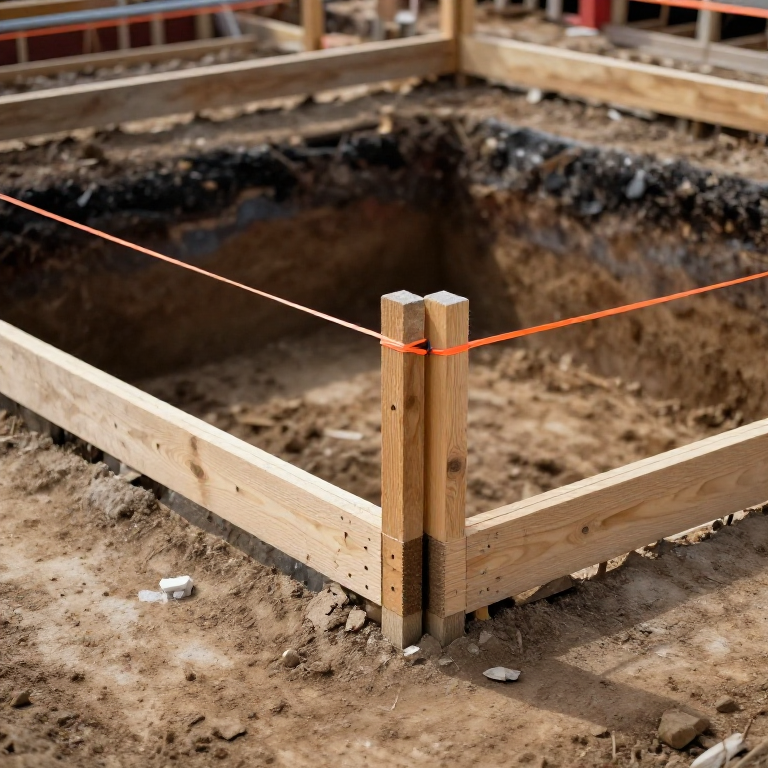


Setting Out a Building: Profiles and Batter Boards
You have pegged out a perfect rectangle. Now the digger arrives and removes every peg in the first ten minutes, because the pegs are exactly where the trench goes.
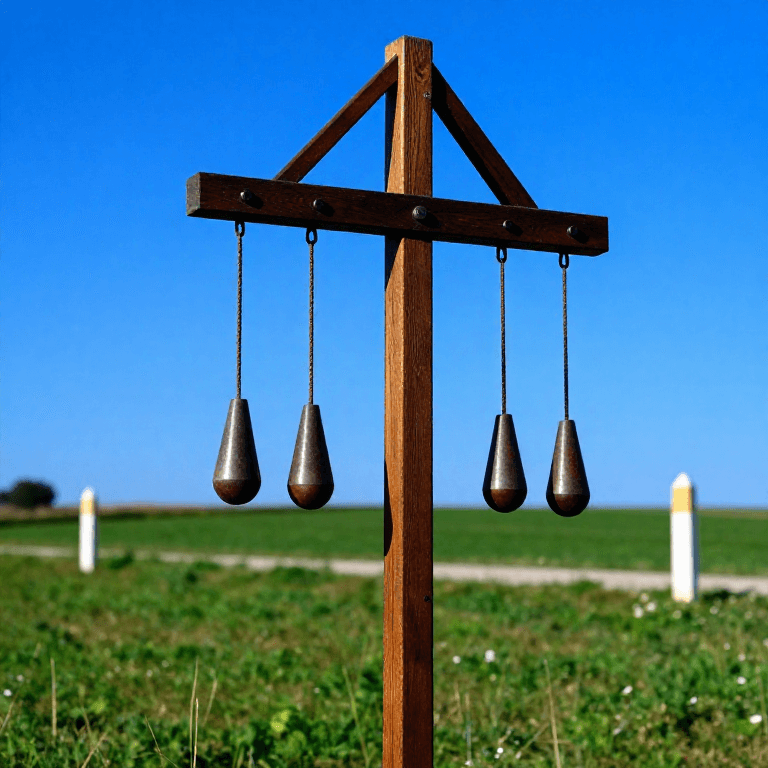
The answer is older than machinery and completely reliable: move the information OFF the building line. Batter boards — profiles — are horizontal rails set well outside the excavation, carrying saw-cuts or nails that mark where each line runs. Stretch a string between two matching marks and the line reappears, exactly where it was, as many times as you need it.
This rung is the one that turns a survey into a building, and it is the one most often improvised badly. It also carries the levels: the top of the board is usually set to a round height above datum, so a tape from the string gives depth without re-levelling.
ระดับกลาง
1 day
คำแนะนำ
1
1
Set the profiles well clear of the dig
Set the profiles well clear of the dig
Drive two stout posts at each corner region, at least a metre and a half outside the building line, and nail a horizontal rail across them.
A metre and a half is a minimum, not a target — an excavator's tracks and its spoil heap need more than people expect, and a profile knocked out of position is worse than no profile, because it still looks authoritative. Put them where the machine will not go, and brace them so a knock moves the whole assembly rather than twisting one post.
วัสดุสำหรับขั้นตอนนี้:
 คานโครงสร้างไม้ดักลาสเฟอร์8 length
 ตะปูชุบสังกะสี50 ชิ้น
เครื่องมือที่ต้องใช้:
 ค้อนหงอน
 เลื่อยมือ
2
2
Set every rail to ONE level
Set every rail to ONE level
Using the water level or the optical level, set the top edge of every rail to the same height — ideally a round number above your datum, such as exactly one metre.
Now a single tape measurement down from a string gives you the depth of anything, anywhere on the site, with no arithmetic. Setting the rails at arbitrary heights works for the plan lines and throws away this entire second function, which is most of what profiles are worth.
เครื่องมือที่ต้องใช้:
 กล้องระดับ (งานสำรวจ)
 ไม้สตาฟวัดระดับ
 ท่อไวนิลใส
3
3
Transfer the lines onto the rails
Transfer the lines onto the rails
Stretch a string along each building line from its corner pegs, extend it to the rails, and mark where it crosses with a saw-cut — not a pencil mark.
A saw-cut survives rain, mud, gloves and three months. A pencil line does not last a week outdoors. Cut a second mark for the outside of the foundation and a third for the trench edge, and label each one on the rail in paint or with a nailed tag, because by the time you need them you will not remember which is which.
วัสดุสำหรับขั้นตอนนี้:
ตะปูชุบสังกะสี30 ชิ้นเครื่องมือที่ต้องใช้:
เลื่อยมือ ลูกดิ่ง
 เชือกขึงแนว
4
4
Check the diagonals again, from the profiles
Check the diagonals again, from the profiles
String up all four building lines from the rails and measure the diagonals of the rectangle they form.
This checks the transfer, not the original layout — a saw-cut in the wrong place is easy and invisible. The diagonal check costs two minutes and catches it before anything is dug. Re-check the diagonals every time you re-string, for the whole life of the job, because a rail does get knocked eventually and nothing about a wrong string looks wrong.
เครื่องมือที่ต้องใช้:
 ตลับเมตร
5
5
Working depths and the tolerance you actually have
Working depths and the tolerance you actually have
กำลังโหลดสมุด Jupyter…
เครื่องมือที่ต้องใช้:
ตลับเมตร6
6
Leave a record on the site itself
Leave a record on the site itself
Paint the datum height and the rail height on one post, and note them in the book with a sketch showing which corner is which.
Sites change hands, work stops for winter, and the person who returns may not be you. A profile with no stated level is a piece of wood. Two painted numbers turn it back into a survey, and they cost thirty seconds at the moment you still remember what they are.
วัสดุ
2- 8 lengthตัวยึดตำแหน่ง
- 80 ชิ้นตัวยึดตำแหน่ง
บลูพริ้นท์ที่เกี่ยวข้อง
บลูพริ้นท์เหล่านี้แบ่งปันความรู้ — เทคนิค วัสดุ หรือหลักการ
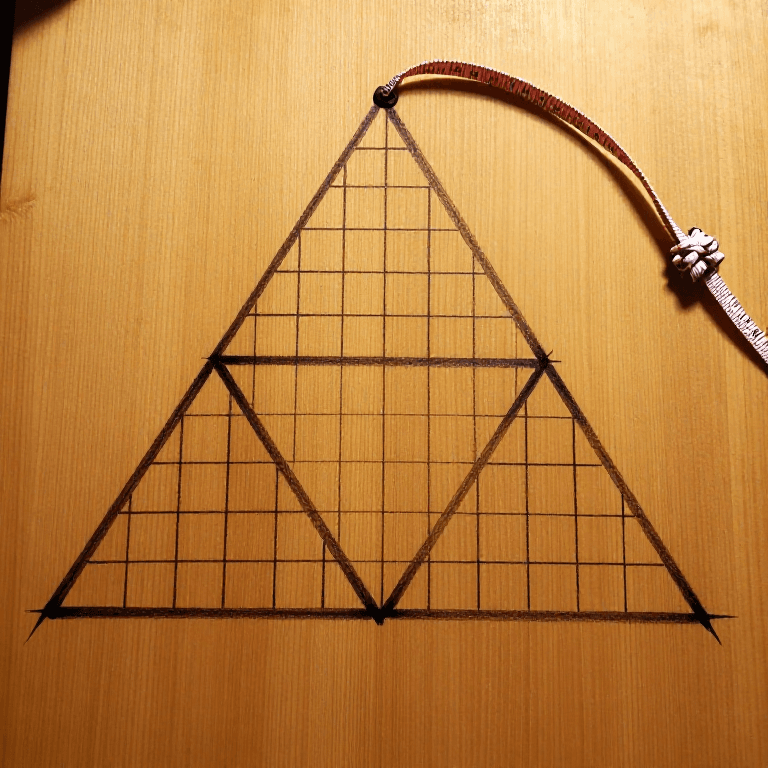


CC0 สาธารณสมบัติ
พิมพ์เขียวนี้เผยแพร่ภายใต้ CC0 คุณสามารถคัดลอก แก้ไข แจกจ่าย และใช้งานผลงานนี้เพื่อวัตถุประสงค์ใดก็ได้ โดยไม่ต้องขออนุญาต
สนับสนุนเมกเกอร์โดยซื้อสินค้าผ่านพิมพ์เขียวของพวกเขา ซึ่งพวกเขาจะได้รับ ค่าคอมมิชชันเมกเกอร์ ที่ผู้ขายกำหนด หรือสร้างเวอร์ชันใหม่ของพิมพ์เขียวนี้และรวมเป็นการเชื่อมต่อในพิมพ์เขียวของคุณเพื่อแบ่งรายได้