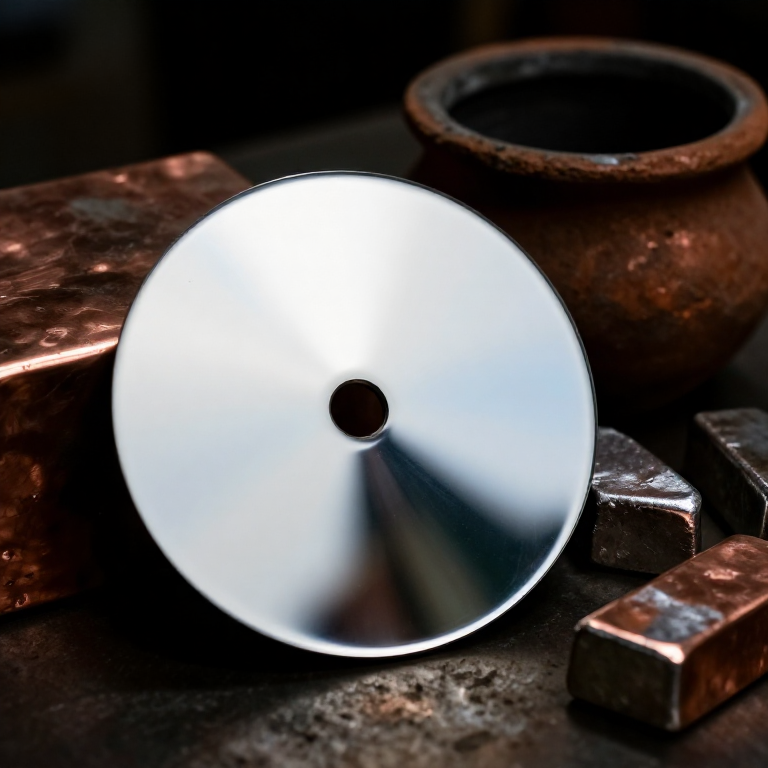


Casting and Grinding a Speculum Metal Telescope Mirror — Newton's Reflecting Alloy
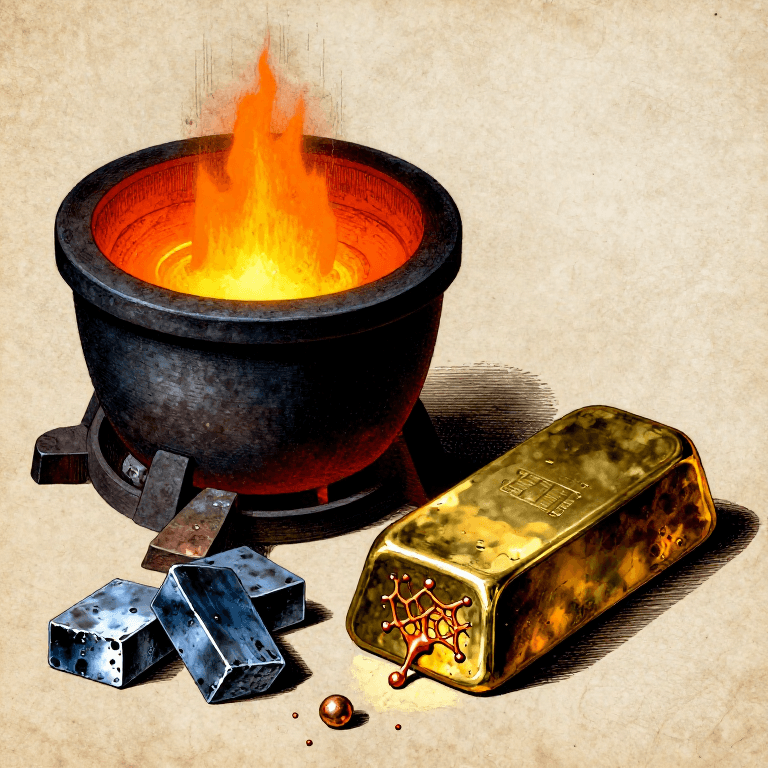
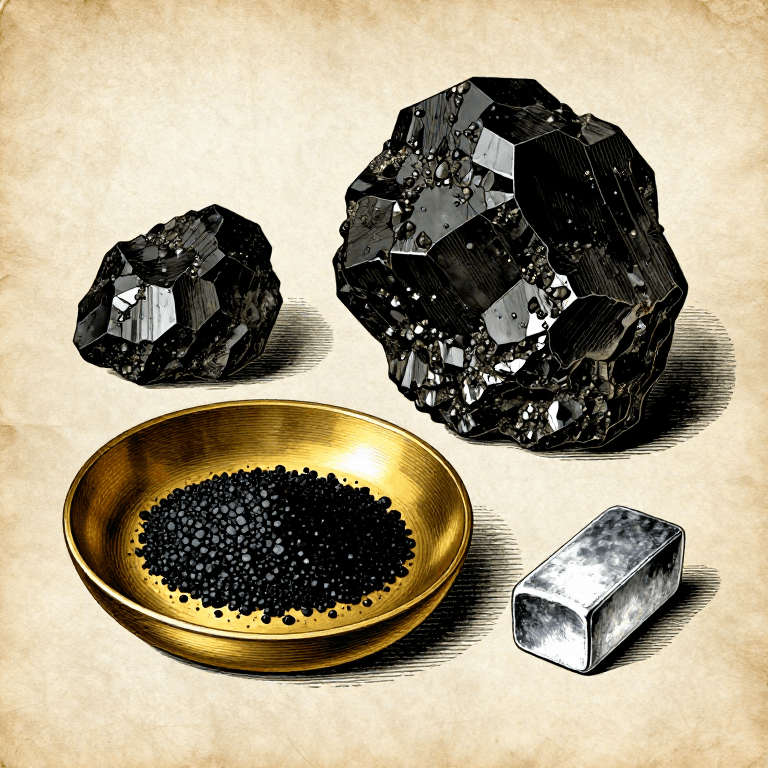
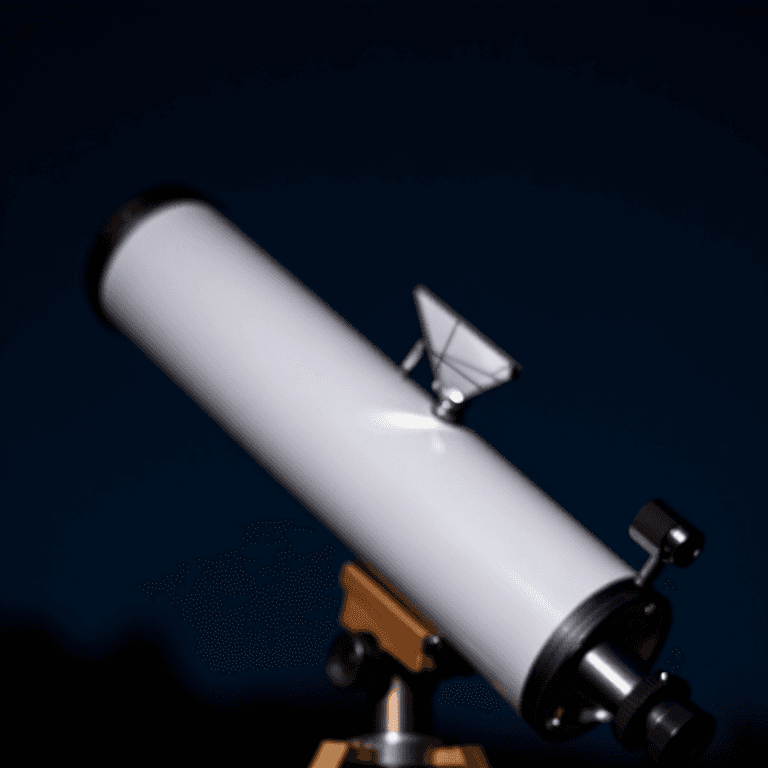
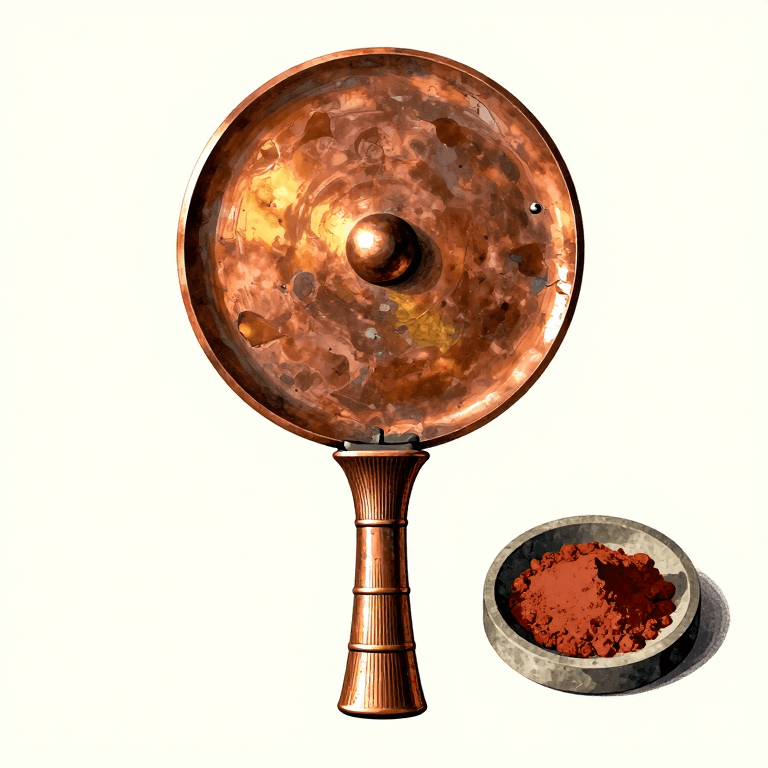
When Isaac Newton built his reflecting telescope in 1668, he needed a concave mirror to focus light — but silvered glass mirrors did not yet exist. Instead, he cast his mirror from speculum metal, a bronze alloy of approximately 68% copper and 32% tin that can be polished to a brilliant, highly reflective surface. Speculum metal had been known since antiquity — the Romans used it for hand mirrors (speculum is Latin for mirror) — but Newton was the first to grind it into a precise concave paraboloid for astronomical use. The alloy is hard, brittle, and takes a superb polish, but it tarnishes in air and must be periodically repolished. Every reflecting telescope before the 1850s used speculum metal mirrors, including William Herschel's great telescopes that discovered Uranus and mapped the Milky Way. This blueprint casts a speculum metal disc from copper and tin ingots, then grinds and polishes it into a concave mirror suitable for a Newtonian reflecting telescope.
คำแนะนำ
Understand speculum metal
Understand speculum metal
Weigh the copper and tin
Weigh the copper and tin
วัสดุสำหรับขั้นตอนนี้:
 แท่งทองแดง340 ก.
 แท่งดีบุก160 ก.
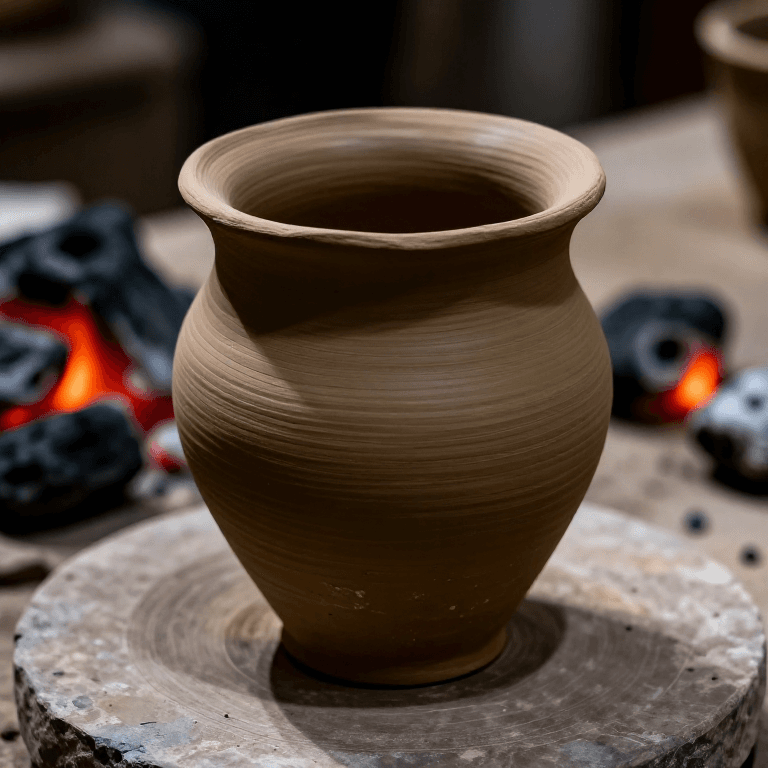
Prepare the crucible and mould
Prepare the crucible and mould
วัสดุสำหรับขั้นตอนนี้:
 ถ่านไม้3 กก.
เครื่องมือที่ต้องใช้:
 คีมคีบเบ้าหลอม
 เบ้าหลอมดินทรงลึก
Melt the copper
Melt the copper
Add the tin and pour
Add the tin and pour
เครื่องมือที่ต้องใช้:
คีมคีบเบ้าหลอมAnneal the casting
Anneal the casting
Flatten one face on a lap
Flatten one face on a lap
เครื่องมือที่ต้องใช้:
 เม็ดซิลิคอนคาร์ไบด์
Rough grind the concave curve
Rough grind the concave curve
วัสดุสำหรับขั้นตอนนี้:
 แผ่นแก้ว1 ชิ้น
เครื่องมือที่ต้องใช้:
เม็ดซิลิคอนคาร์ไบด์Fine grind with progressively finer grits
Fine grind with progressively finer grits
Polish on a pitch lap
Polish on a pitch lap
วัสดุสำหรับขั้นตอนนี้:
 กาวชันสน100 ก.
 ทินออกไซด์ (สแตนนิกออกไซด์)50 ก.
เครื่องมือที่ต้องใช้:
 ยาขัดเงา
Test the mirror with a pinhole
Test the mirror with a pinhole
Protect the polished surface
Protect the polished surface
วัสดุ
6- 340 ก.ตัวยึดตำแหน่ง
- 160 ก.ตัวยึดตำแหน่ง
- 3 กก.ตัวยึดตำแหน่ง
- 1 ชิ้นตัวยึดตำแหน่ง
- 100 ก.ตัวยึดตำแหน่ง
- ตัวยึดตำแหน่ง
วัสดุจากพิมพ์เขียวที่เชื่อมต่อ


พิมพ์เขียวนี้สร้าง

บลูพริ้นท์ที่เกี่ยวข้อง
บลูพริ้นท์เหล่านี้แบ่งปันความรู้ — เทคนิค วัสดุ หรือหลักการ

CC0 สาธารณสมบัติ
พิมพ์เขียวนี้เผยแพร่ภายใต้ CC0 คุณสามารถคัดลอก แก้ไข แจกจ่าย และใช้งานผลงานนี้เพื่อวัตถุประสงค์ใดก็ได้ โดยไม่ต้องขออนุญาต
สนับสนุนเมกเกอร์โดยซื้อสินค้าผ่านพิมพ์เขียวของพวกเขา ซึ่งพวกเขาจะได้รับ ค่าคอมมิชชันเมกเกอร์ ที่ผู้ขายกำหนด หรือสร้างเวอร์ชันใหม่ของพิมพ์เขียวนี้และรวมเป็นการเชื่อมต่อในพิมพ์เขียวของคุณเพื่อแบ่งรายได้