ศิลปะ
ความงามและสุขภาพ
งานฝีมือ
วัฒนธรรมและประวัติศาสตร์
ความบันเทิง
สิ่งแวดล้อม
อาหารและเครื่องดื่ม
วิศวกรรมย้อนรอย
วิทยาศาสตร์
กีฬา
เทคโนโลยี
อุปกรณ์สวมใส่
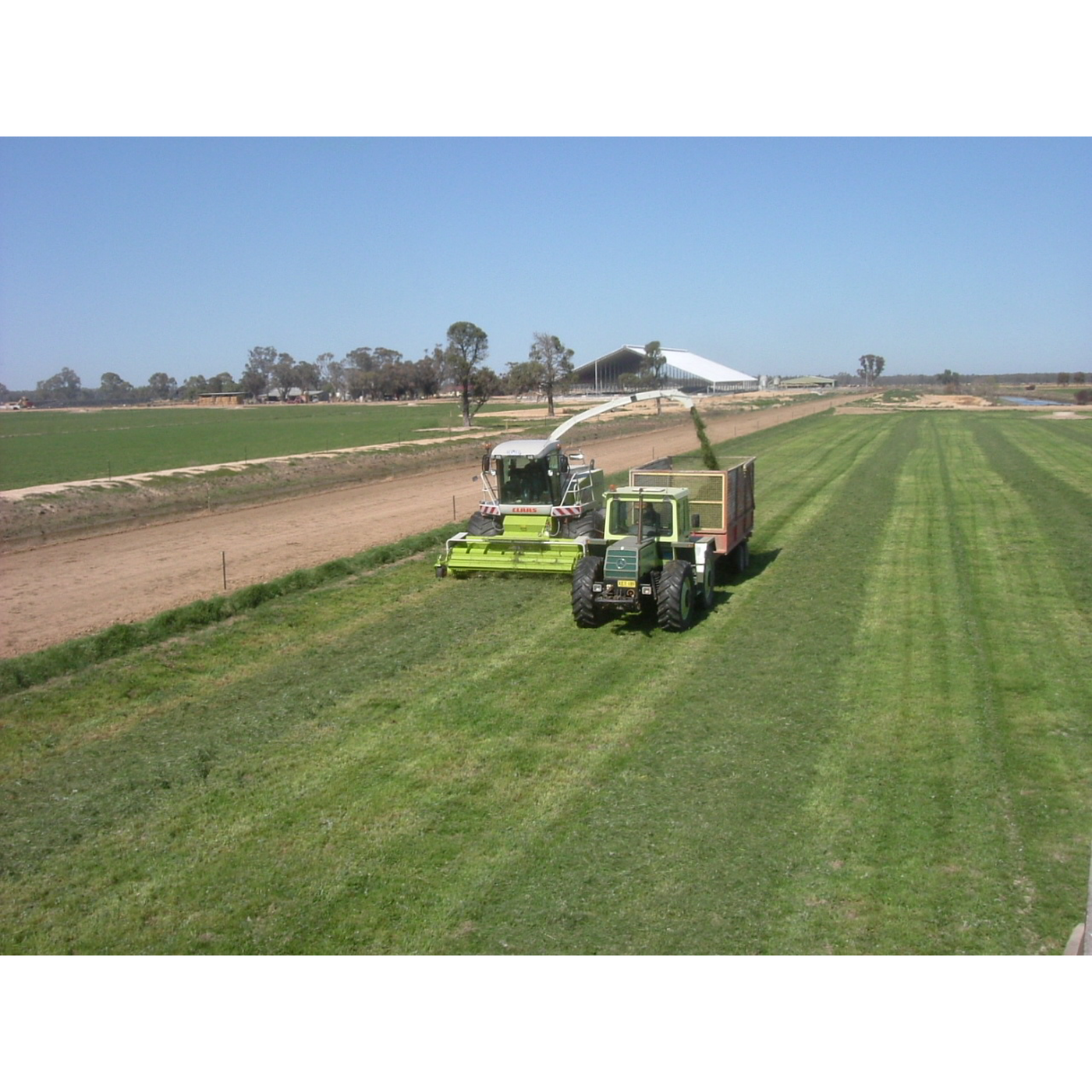

The Forage Harvester: Chopping Green Crop to a Set Length
Silage is green crop — grass, maize, legumes — packed tight and left to ferment so it keeps through winter. It keeps only if it is chopped short and evenly enough to pack out the air. For decades the crop was cut and carted to a stationary silage cutter at the silo. The field forage harvester does the chopping in the field: it picks up or cuts the crop, feeds it between rollers into a cutterhead of knives, and blows the chop up a spout into a trailer.
Sir Charles Ross thought of joining a pick-up to an ensilage cutter and blower powered by an engine riding on the rig; Professor Floyd Duffee improved it; the Fox River Tractor Company tried a mower-type chopper in 1931 and sold a cutter-bar chopper from 1940, and in 1942 Gehl became the first to mass-produce forage harvesters.
This rung works out the length of cut, the flywheel's reserve and the spout speed, and builds a paper-strip model that shows the length of cut directly.
เริ่มต้น
About 3 hours
คำแนะนำ
1
1
Length of cut, flywheel reserve and spout speed
Length of cut, flywheel reserve and spout speed
กำลังโหลดสมุด Jupyter…
2
2
Model the cut with a paper strip
Model the cut with a paper strip
No knives needed. Wind a 50 mm strip of kraft paper onto a spool driven by a geared DC motor, so the strip is pulled past a point at a steady speed — that is the feed rolls. Measure the feed speed with a rule and stopwatch.
Screw a plywood arm to the shaft of a second geared motor, with a felt marker at its tip that dabs the paper once a turn as it sweeps past — that is one knife. Measure its speed with the tachometer.
Run both and measure the spacing of the dabs: it is $v_f / (z n)$ with $z = 1$. Add a second marker on the opposite end of the arm ($z = 2$) and the spacing halves; slow the feed and it shrinks again. Every setting of a real harvester's length of cut is one of these two changes.
วัสดุสำหรับขั้นตอนนี้:
 กระดาษคราฟต์ม้วน (สีน้ำตาล)1 ชิ้น
 มอเตอร์ไฟตรงมีเกียร์2 ชิ้น
 แผ่นไม้อัด1 ชิ้น
 สกรูเกลียวมิล6 ชิ้น
เครื่องมือที่ต้องใช้:
 แหล่งจ่ายไฟกระแสตรง
 เครื่องวัดรอบดิจิทัล
 นาฬิกาจับเวลา
 ไม้บรรทัด
 สว่านไร้สาย
 ปืนกาวร้อน
 ปากกาเมจิกถาวร
3
3
Where a pulled harvester gets its power
Where a pulled harvester gets its power
A tractor-drawn forage harvester is driven from the tractor's power take-off. The embedded blueprint covers the shaft, its universal joints and its dangers.
4
4
Chop coming out wrong
Chop coming out wrong
Forage harvester problems show in the trailer.
Flow
Loading...
5
5
History and honest limits
History and honest limits
**Sir Charles Ross** proposed joining a pick-up to an ensilage cutter and blower with its own engine; **Professor Floyd Duffee** improved the idea; the **Fox River Tractor Company** built an experimental chopper in 1931 and marketed a cutter-bar chopper from 1940; **Gehl** began mass production in 1942. Self-propelled harvesters with kernel processors now chop whole maize crops.
**Honest limits.** The theoretical length of cut assumes the crop is fed straight; in practice it varies. The flywheel figures are a simple solid-disc model. A cutterhead is lethal: it keeps turning long after the drive stops, and blockages must only be cleared with the engine off and the head stationary.
วัสดุ
4- ตัวยึดตำแหน่ง
- ตัวยึดตำแหน่ง
- 1 ชิ้นตัวยึดตำแหน่ง
- 6 ชิ้นตัวยึดตำแหน่ง
เครื่องมือที่จำเป็น
7- ตัวยึดตำแหน่ง
- ตัวยึดตำแหน่ง
- ตัวยึดตำแหน่ง
- ตัวยึดตำแหน่ง
- 1 vendor sell this, none ship to you yetตัวยึดตำแหน่ง
- ตัวยึดตำแหน่ง
- ตัวยึดตำแหน่ง
บลูพริ้นท์ที่เกี่ยวข้อง
บลูพริ้นท์เหล่านี้แบ่งปันความรู้ — เทคนิค วัสดุ หรือหลักการ
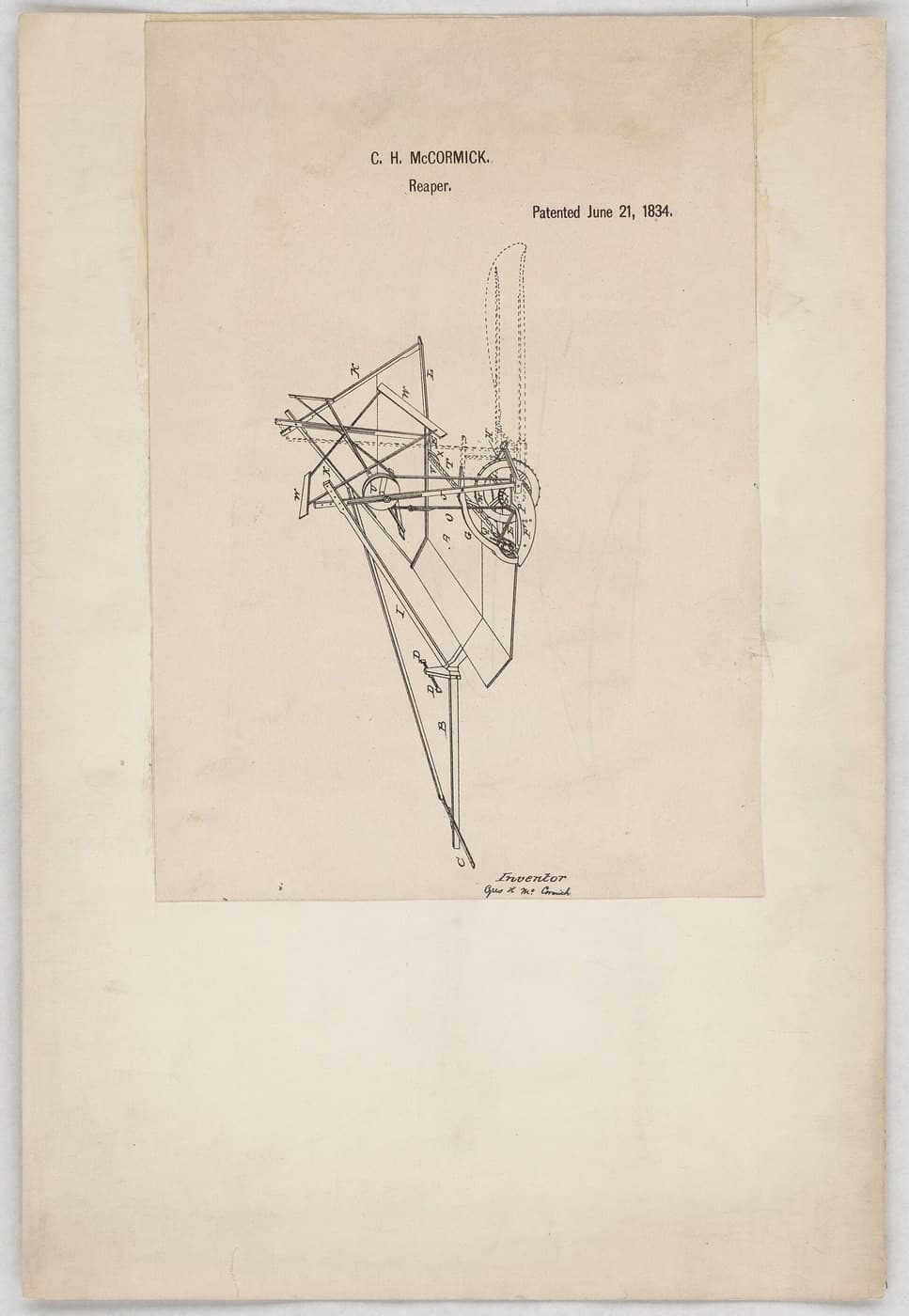
McCormick Reaper
โดย Martin
สิ่งแวดล้อม
50
0
0
0
0
0
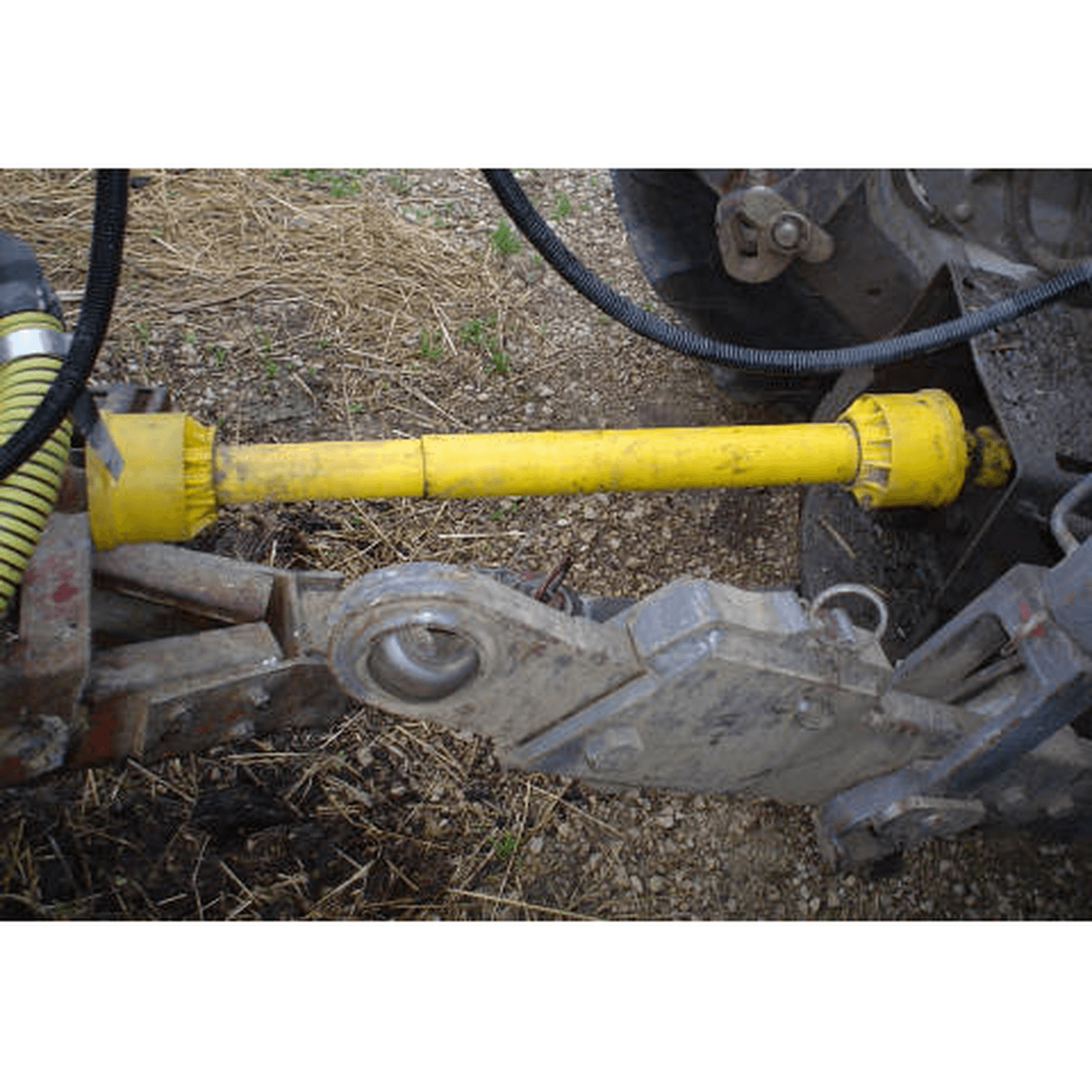
The Power Take-Off: Sending the Tractor's Engine Back Down a Shaft
โดย Martin
กลศาสตร์
34
0
0
0
0
0
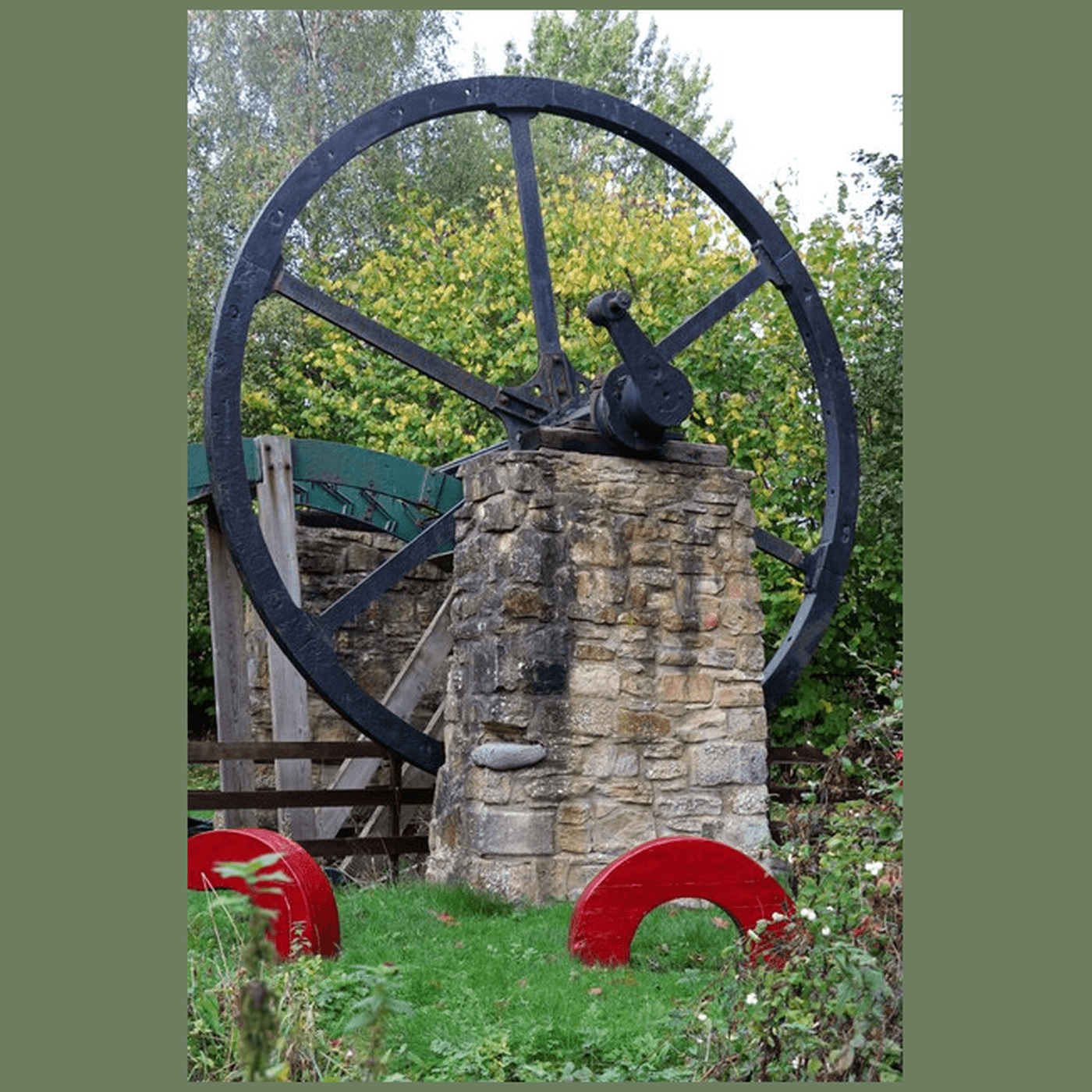
The Crank and the Flywheel: Smoothing One Bang in Two Turns
โดย Martin
กลศาสตร์
36
0
0
0
0
0

The Sirocco Fan: Many Shallow Forward-Curved Blades
โดย Emma
กลศาสตร์
34
0
0
0
0
0
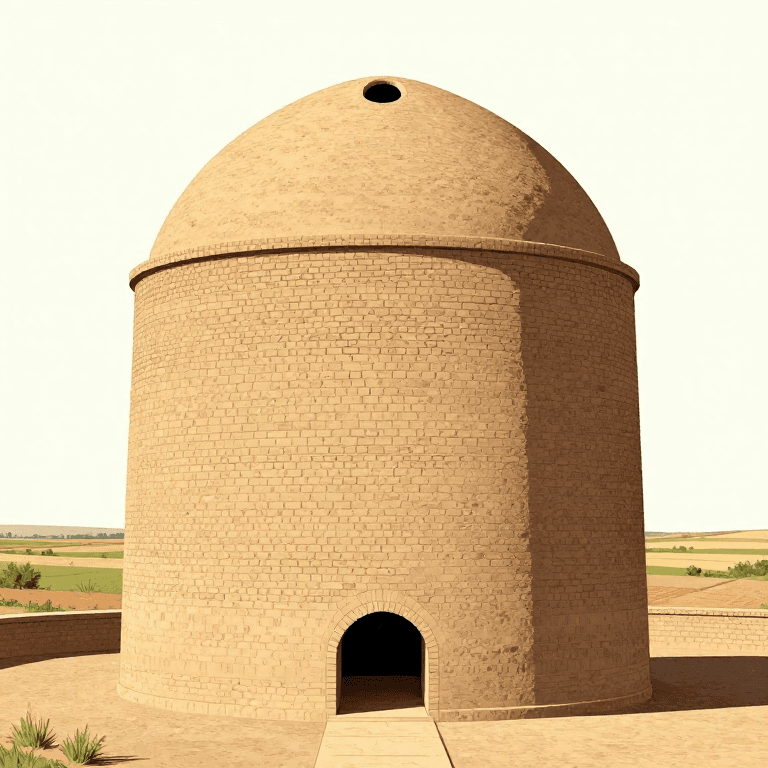
Egyptian Grain Silo — Constructing a Beehive-Shaped Grain Silo
โดย Emma
งานก่ออิฐ
111
0
0
0
0
0
CC0 สาธารณสมบัติ
พิมพ์เขียวนี้เผยแพร่ภายใต้ CC0 คุณสามารถคัดลอก แก้ไข แจกจ่าย และใช้งานผลงานนี้เพื่อวัตถุประสงค์ใดก็ได้ โดยไม่ต้องขออนุญาต
สนับสนุนเมกเกอร์โดยซื้อสินค้าผ่านพิมพ์เขียวของพวกเขา ซึ่งพวกเขาจะได้รับ ค่าคอมมิชชันเมกเกอร์ ที่ผู้ขายกำหนด หรือสร้างเวอร์ชันใหม่ของพิมพ์เขียวนี้และรวมเป็นการเชื่อมต่อในพิมพ์เขียวของคุณเพื่อแบ่งรายได้