ศิลปะ
ความงามและสุขภาพ
งานฝีมือ
วัฒนธรรมและประวัติศาสตร์
ความบันเทิง
สิ่งแวดล้อม
อาหารและเครื่องดื่ม
วิศวกรรมย้อนรอย
วิทยาศาสตร์
กีฬา
เทคโนโลยี
อุปกรณ์สวมใส่
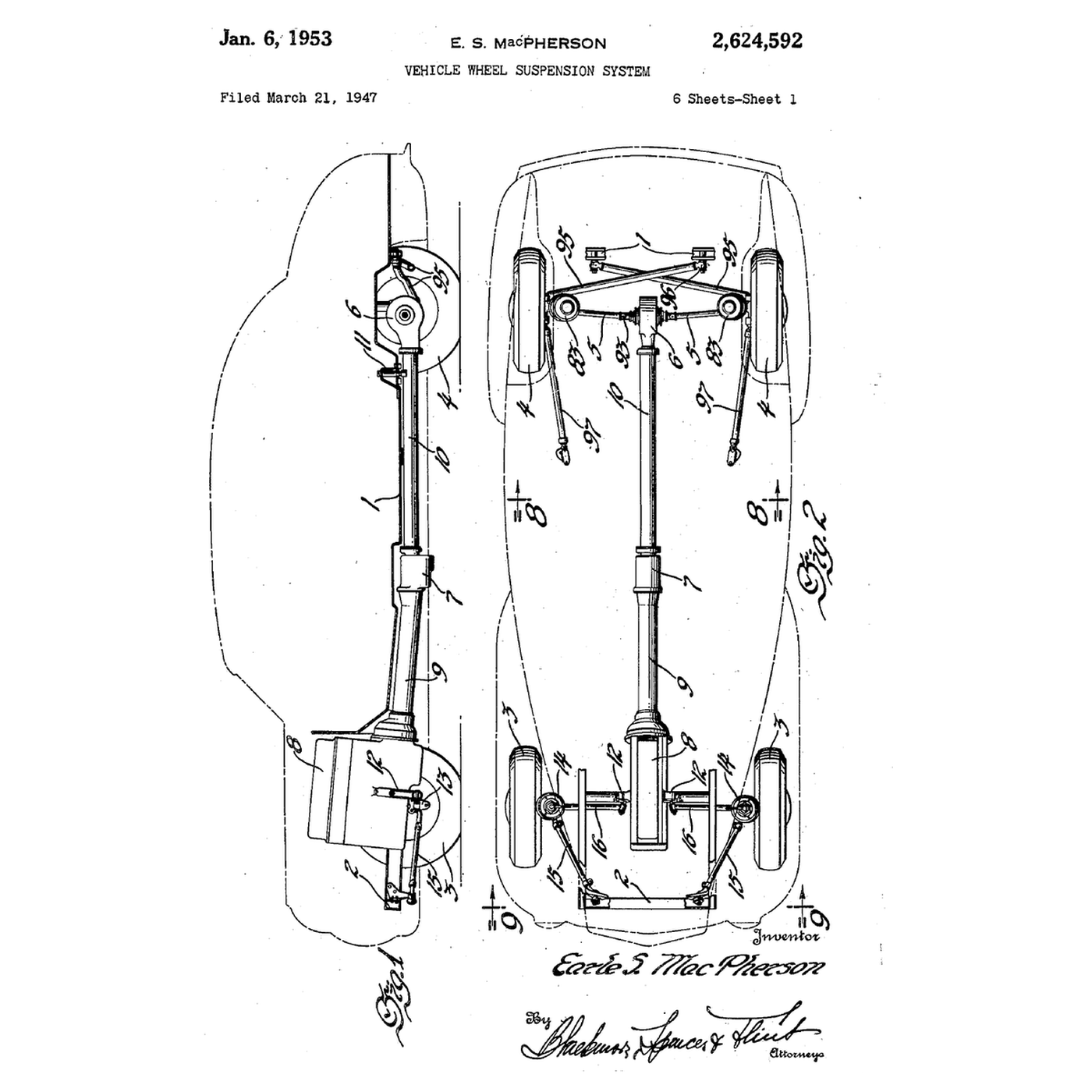

The MacPherson Strut: The Damper Is the Upper Link
Independent front suspension usually needs two wishbones per wheel, a spring and a damper. Earle S. MacPherson, an engineer at General Motors and then Ford, combined the damper, the spring and the upper link into one telescopic strut running from the hub up to the body, with a single lower link at the bottom. His patent was filed in 1947 and granted in 1953.
It is cheap, light and compact, and it leaves room across the car for the engine — which is why most small front-wheel-drive cars use it.
This rung computes how the wheel's camber changes as the suspension moves, and builds a cardboard front-view model to measure it with a protractor.
ระดับกลาง
About 3 hours
คำแนะนำ
1
1
Read MacPherson's patent
Read MacPherson's patent
US 2,624,592, 'Vehicle Wheel Suspension System', Earle S. MacPherson of Detroit, filed 21 March 1947 (Serial 736,262), granted 6 January 1953. The wheel's stub axle is connected *"to the body by a vertical telescopic strut"* and *"by a pair of horizontal swinging links"*; one link is *"formed as a turnbuckle"* for adjustment, and rubber bushes give *"a certain degree of universal joint action"*. The figures include a section of the strut's shock-absorber valving.
2
2
Camber change over the travel
Camber change over the travel
กำลังโหลดสมุด Jupyter…
3
3
Build a front-view model
Build a front-view model
On a sheet of plywood, mark the car's centre line and 'ground'. Use the notebook's dimensions at half scale. Pin a strip of balsa as the lower link at its inner pivot. Make the strut from two cardboard tubes, one sliding in the other, pinned at the top mount and at the link's outer end. Glue a cardboard 'wheel' rigidly to the lower tube.
Move the link end up and down in 20 mm steps and measure the wheel's lean with the protractor. Compare with the notebook. Then move the inner pivot up by 20 mm and repeat: the camber curve changes — this is how suspension designers tune it.
วัสดุสำหรับขั้นตอนนี้:
 แผ่นไม้อัด1 แผ่น
 แผ่นไม้บัลซา1 แผ่น
 ท่อกระดาษแข็ง2 ชิ้น
 สกรูเกลียวมิล4 ชิ้น
เครื่องมือที่ต้องใช้:
 ไม้โปรแทรกเตอร์
 ไม้บรรทัด
 สว่านไร้สาย
 ชุดดอกสว่าน
4
4
History and context
History and context
**US 2,624,592, 'Vehicle Wheel Suspension System', Earle S. MacPherson; filed 21 March 1947, granted 6 January 1953.** The design first went into production on Ford of Britain cars in the early 1950s and became the most common front suspension on small cars.
**Honest limits.** The camber change and roll behaviour are harder to tune than with two wishbones; the strut's sliding seal carries side loads and wears; and the tall strut sets the height of the bonnet line.
วัสดุ
4- 1 แผ่นตัวยึดตำแหน่ง
- 1 แผ่นตัวยึดตำแหน่ง
- 2 ชิ้นตัวยึดตำแหน่ง
- 4 ชิ้นตัวยึดตำแหน่ง
เครื่องมือที่จำเป็น
4- ตัวยึดตำแหน่ง
- ตัวยึดตำแหน่ง
- 1 vendor sell this, none ship to you yetตัวยึดตำแหน่ง
- ตัวยึดตำแหน่ง
บลูพริ้นท์ที่เกี่ยวข้อง
บลูพริ้นท์เหล่านี้แบ่งปันความรู้ — เทคนิค วัสดุ หรือหลักการ

The Hydraulic Shock Absorber: Liquid Forced Through a Small Passage
โดย Emma
กลศาสตร์
32
0
0
0
0
0
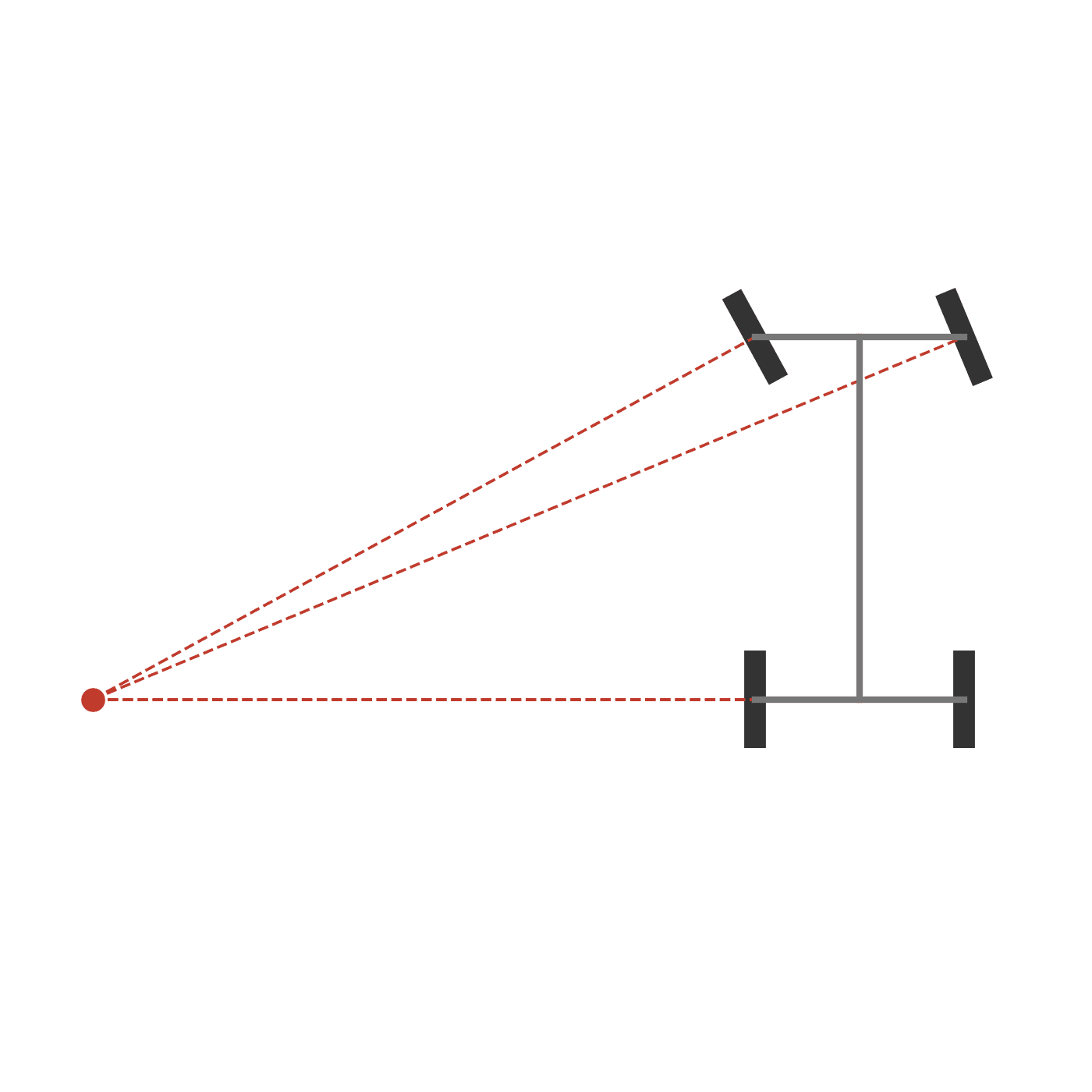
Ackermann Steering: The Inner Wheel Turns Further
โดย Martin
กลศาสตร์
30
0
0
0
0
0
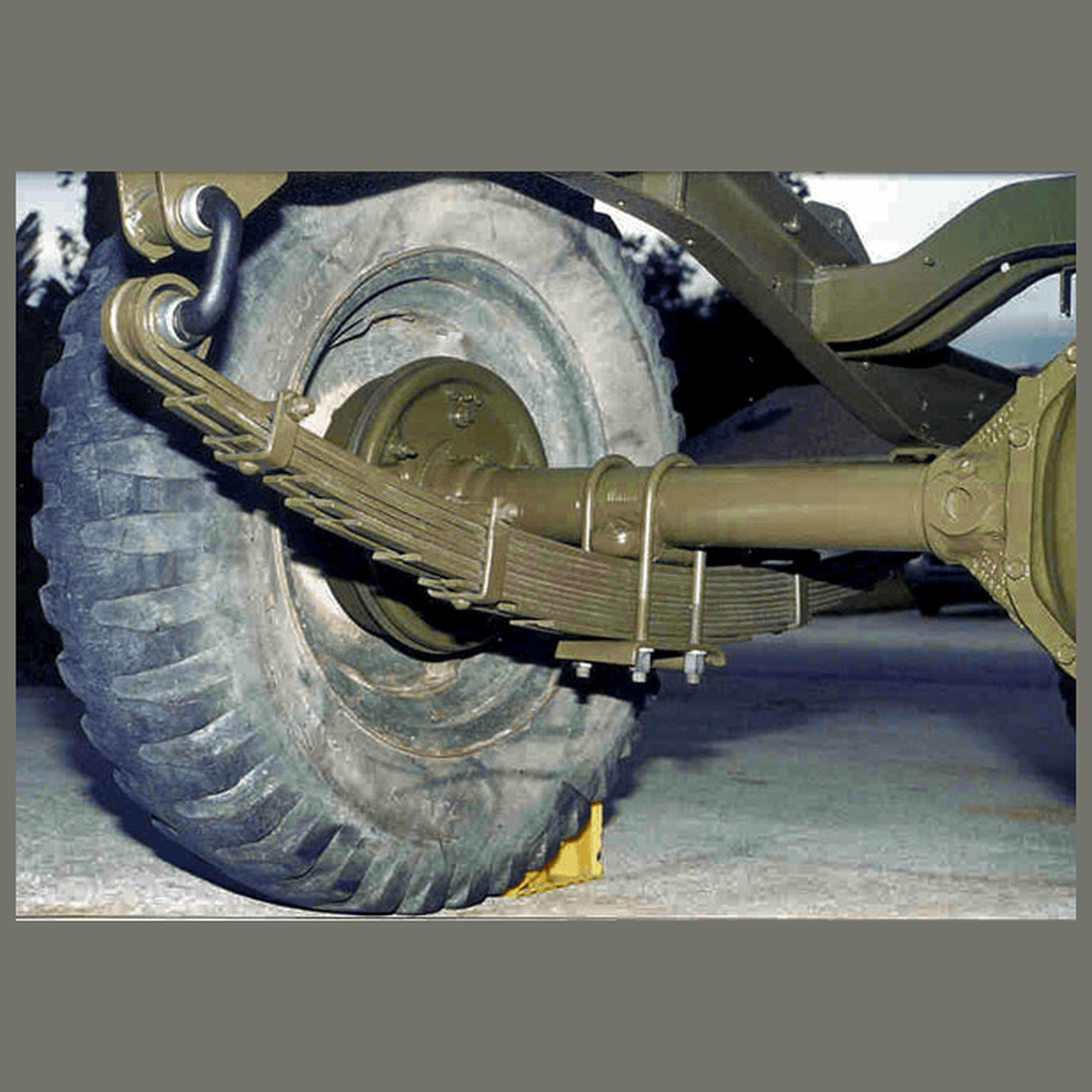
The Leaf Spring: A Beam That Carries the Load and Locates the Axle
โดย Emma
กลศาสตร์
28
0
0
0
0
0
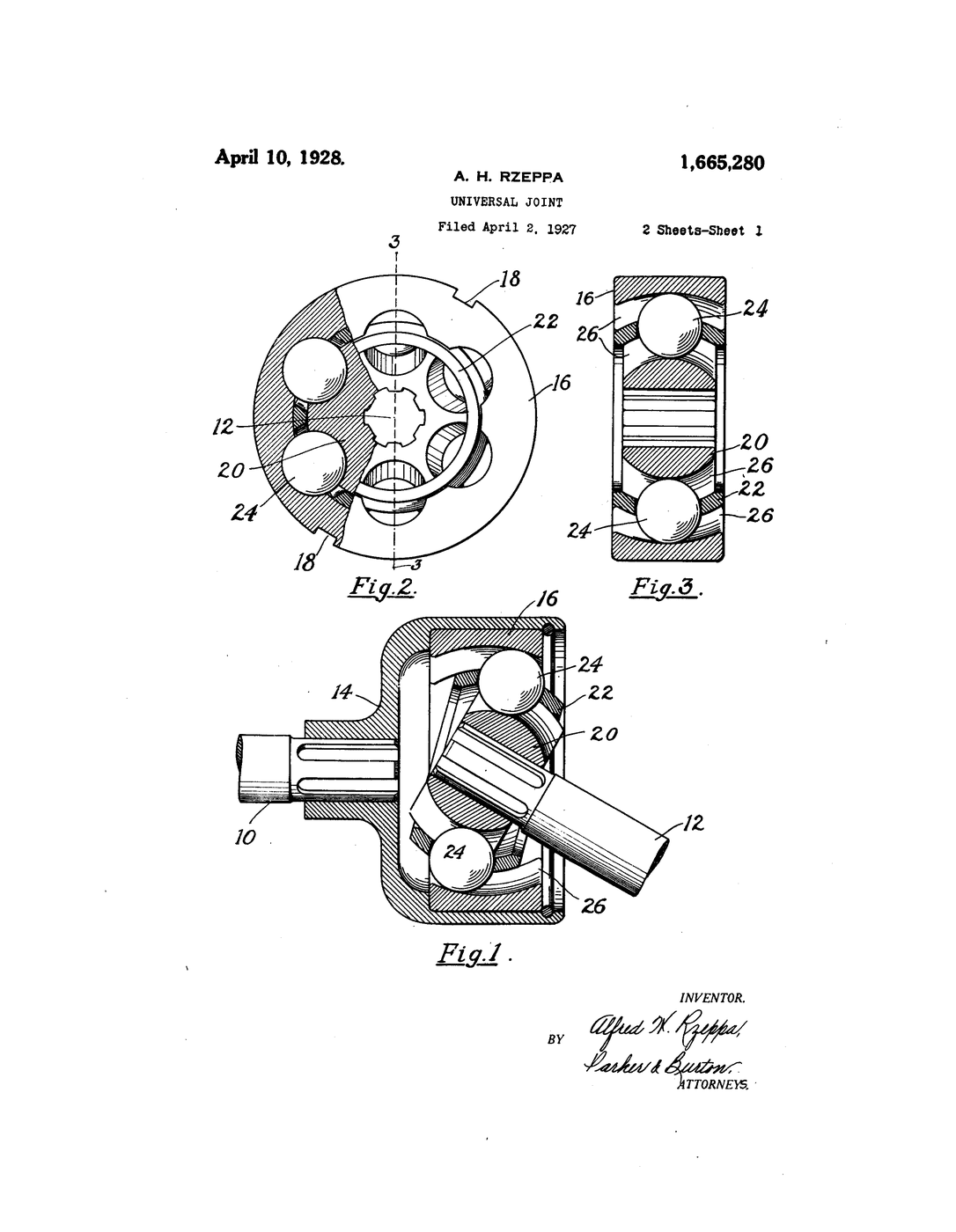
Constant-Velocity Joint
โดย Emma
กลศาสตร์
66
0
0
0
0
0
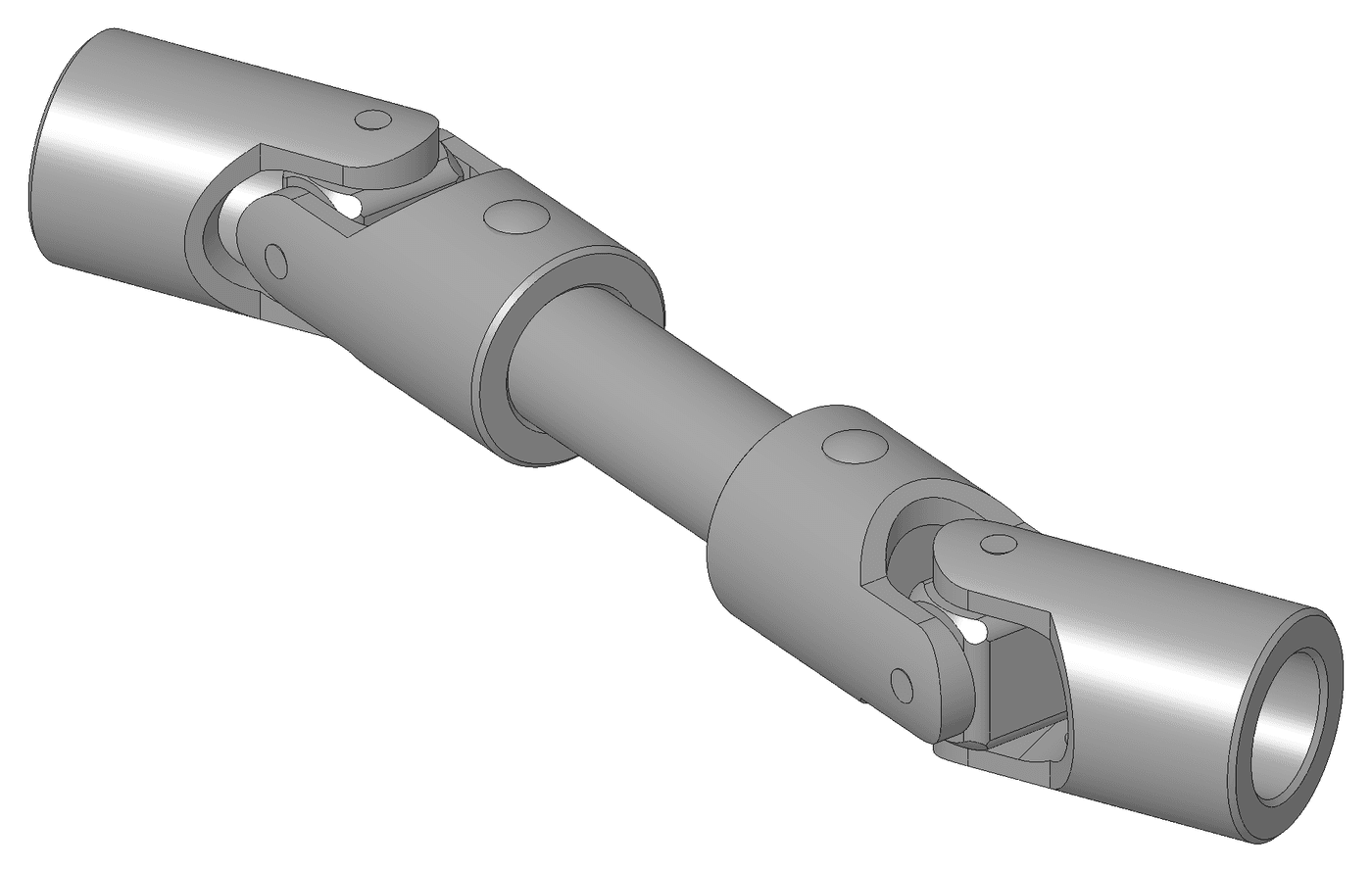
Universal Joint
โดย Martin
งานฝีมือ
54
0
0
0
0
0
CC0 สาธารณสมบัติ
พิมพ์เขียวนี้เผยแพร่ภายใต้ CC0 คุณสามารถคัดลอก แก้ไข แจกจ่าย และใช้งานผลงานนี้เพื่อวัตถุประสงค์ใดก็ได้ โดยไม่ต้องขออนุญาต
สนับสนุนเมกเกอร์โดยซื้อสินค้าผ่านพิมพ์เขียวของพวกเขา ซึ่งพวกเขาจะได้รับ ค่าคอมมิชชันเมกเกอร์ ที่ผู้ขายกำหนด หรือสร้างเวอร์ชันใหม่ของพิมพ์เขียวนี้และรวมเป็นการเชื่อมต่อในพิมพ์เขียวของคุณเพื่อแบ่งรายได้