ศิลปะ
ความงามและสุขภาพ
งานฝีมือ
วัฒนธรรมและประวัติศาสตร์
ความบันเทิง
สิ่งแวดล้อม
อาหารและเครื่องดื่ม
วิศวกรรมย้อนรอย
วิทยาศาสตร์
กีฬา
เทคโนโลยี
อุปกรณ์สวมใส่
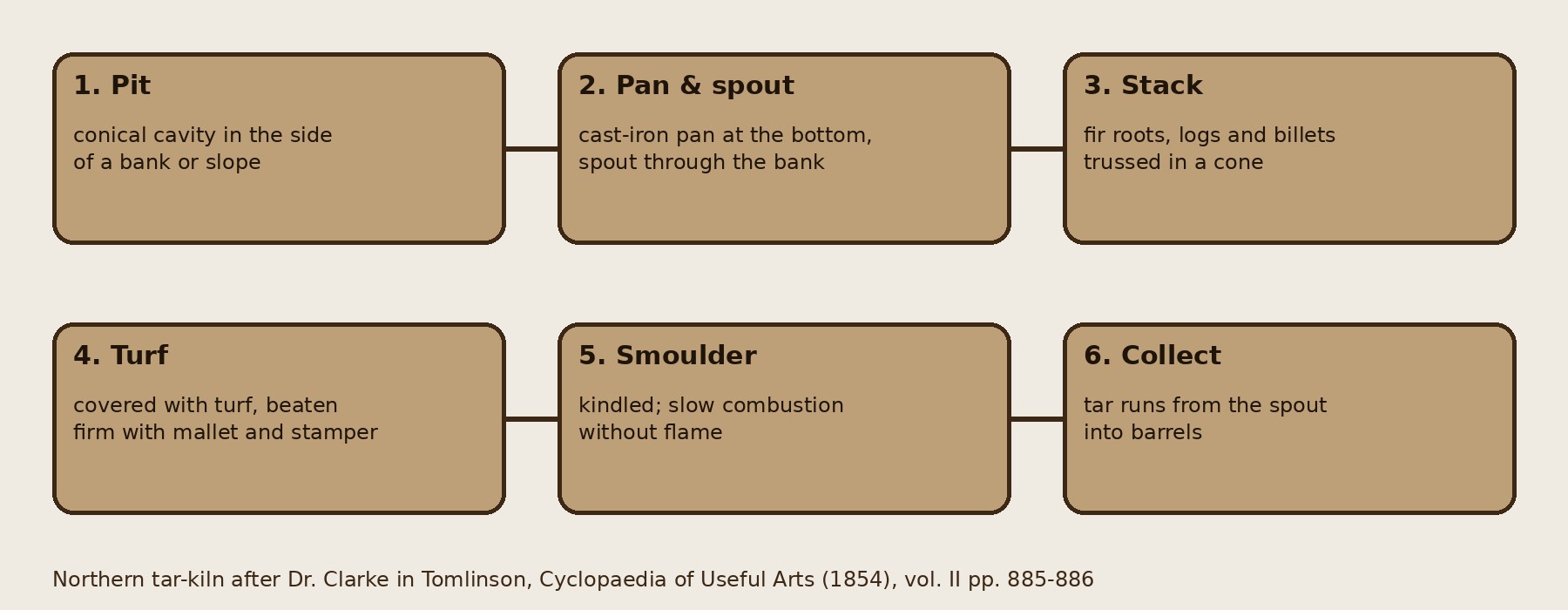


Pine Tar From a Turf-Covered Pit Kiln: Fir Roots Smouldered Over a Pan and Spout (Tomlinson, 1854)
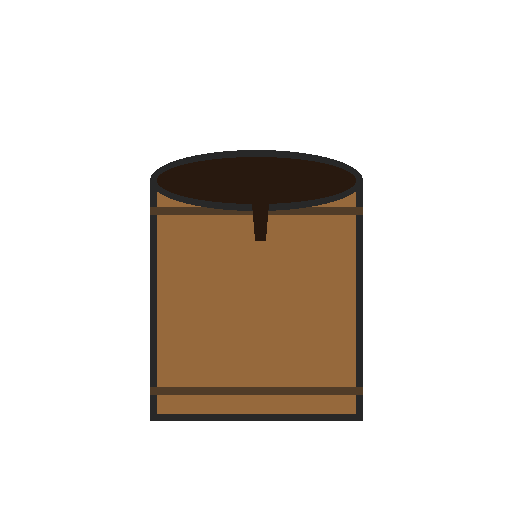
The old northern way of making tar, from Dr. Clarke's account in Tomlinson's Cyclopaedia of Useful Arts (1854): fir roots and resinous billets stacked in a cone in a pit dug into a bank, covered with beaten turf and smouldered without flame, so the tar runs down into a cast-iron pan and out through a spout into barrels, leaving the wood as charcoal.
ระดับกลาง
Several days
คำแนะนำ
1
1
What the kiln gives
What the kiln gives
กำลังโหลดสมุด Jupyter…
2
2
Read the Cyclopaedia of Useful Arts
Read the Cyclopaedia of Useful Arts
"The process by which the tar is obtained, is very simple."
3
3
Gather the wood
Gather the wood
Use fir (pine) roots, rotten stubs and scorched trunks, with logs and billets of the same; roots from marshy ground are richest. (Laing: stunted trees are peeled a fathom or two up the stem, by degrees, and felled 5 or 6 years later, rich in tar.)
วัสดุสำหรับขั้นตอนนี้:
 ไม้ที่มียางมาก1 ชิ้น
เครื่องมือที่ต้องใช้:
 ขวาน
 เลื่อยมือ
4
4
Dig the pit
Dig the pit
Dig a conical cavity in the side of a bank or sloping hill. Set a cast-iron pan at the bottom of the funnel with a spout projecting through the side of the bank.
เครื่องมือที่ต้องใช้:
 พลั่ว
 หม้อใบใหญ่
5
5
Stack and cover
Stack and cover
Truss the roots, logs and billets neatly in a conical stack and let it into the cavity. Cover it with turf and beat the turf down firm with a heavy wooden mallet and a wooden stamper, two people working.
เครื่องมือที่ต้องใช้:
 ค้อนไม้พลั่ว
6
6
Smoulder and collect
Smoulder and collect
Kindle the stack and let it burn slowly without flame, as in charcoal making. The tar exudes, runs into the pan and out of the spout: set barrels under it and bung them as they fill. The wood that remains is charcoal.
เครื่องมือที่ต้องใช้:
 ถังไม้
7
7
Troubleshooting
Troubleshooting
Tar kiln troubleshooting.
Flow
Loading...
8
8
History and honest limits
History and honest limits
From Charles Tomlinson (ed.), **Cyclopaedia of Useful Arts** (1854), vol. II, "Turpentine", quoting Dr. Clarke and Mr. Laing (checked on the archive.org scan cyclopdiaofuse02tomlrich, pp. 885-886). He gives no pit sizes. The tools and diagram are ours.
วัสดุ
1- 1 ชิ้นตัวยึดตำแหน่ง
พิมพ์เขียวนี้สร้าง
บลูพริ้นท์ที่เกี่ยวข้อง
บลูพริ้นท์เหล่านี้แบ่งปันความรู้ — เทคนิค วัสดุ หรือหลักการ

CC0 สาธารณสมบัติ
พิมพ์เขียวนี้เผยแพร่ภายใต้ CC0 คุณสามารถคัดลอก แก้ไข แจกจ่าย และใช้งานผลงานนี้เพื่อวัตถุประสงค์ใดก็ได้ โดยไม่ต้องขออนุญาต
สนับสนุนเมกเกอร์โดยซื้อสินค้าผ่านพิมพ์เขียวของพวกเขา ซึ่งพวกเขาจะได้รับ ค่าคอมมิชชันเมกเกอร์ ที่ผู้ขายกำหนด หรือสร้างเวอร์ชันใหม่ของพิมพ์เขียวนี้และรวมเป็นการเชื่อมต่อในพิมพ์เขียวของคุณเพื่อแบ่งรายได้