ศิลปะ
ความงามและสุขภาพ
งานฝีมือ
วัฒนธรรมและประวัติศาสตร์
ความบันเทิง
สิ่งแวดล้อม
อาหารและเครื่องดื่ม
วิศวกรรมย้อนรอย
วิทยาศาสตร์
กีฬา
เทคโนโลยี
อุปกรณ์สวมใส่
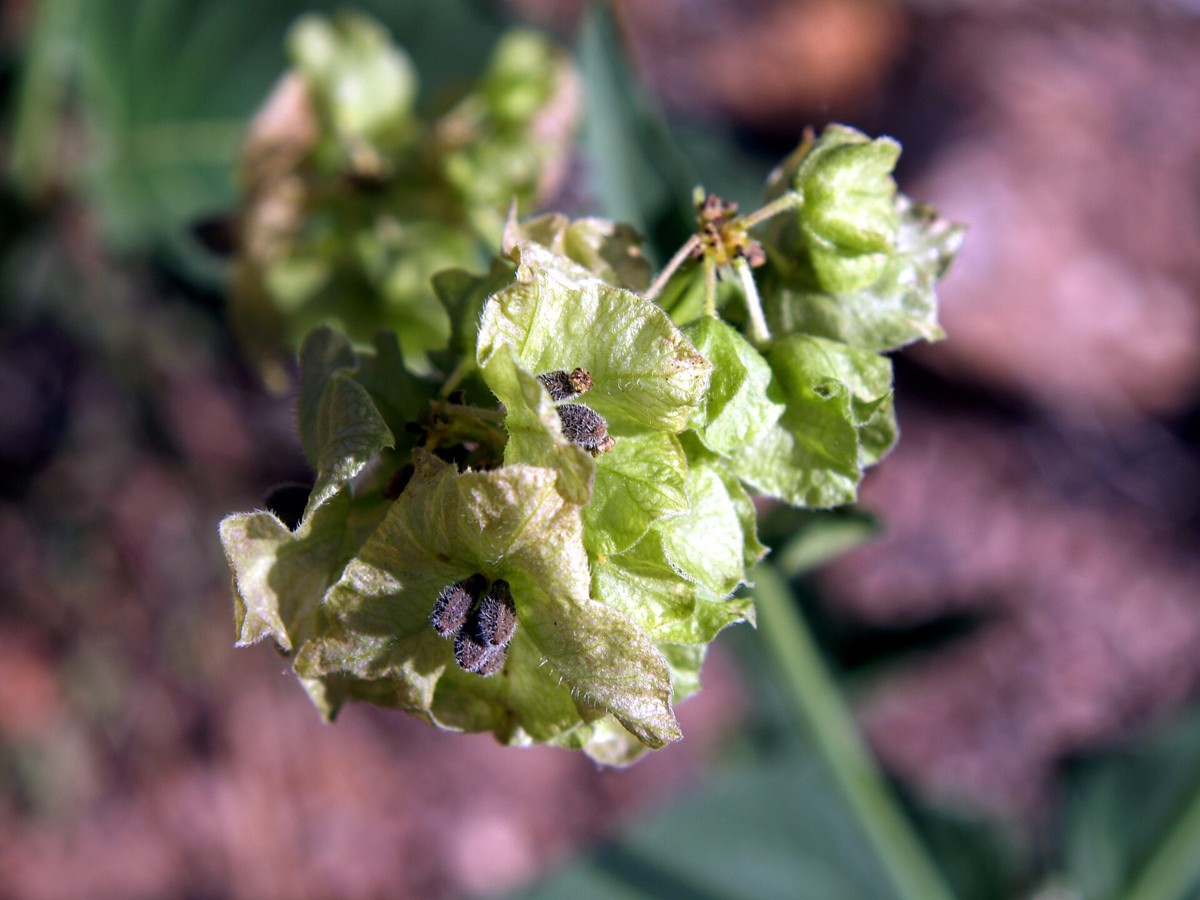


Umbrella-Plant Root: Wild Four-o'clock Root Dug Out of Sap Time, Dried and Kept in Packets (Densmore, 1928; Britton & Brown, 1913)
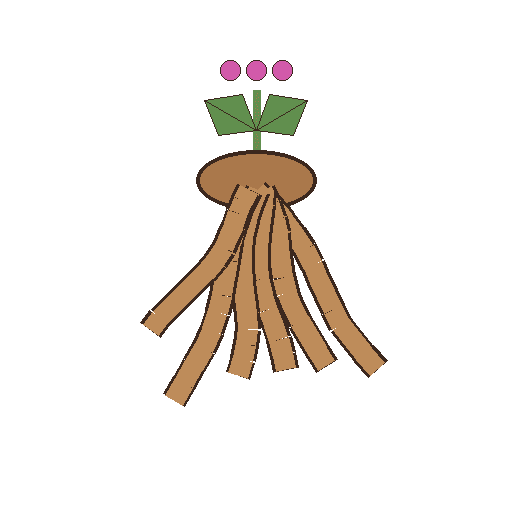
The root of the umbrella-plant or wild four-o'clock (Allionia nyctaginea, now Mirabilis nyctaginea), as the Chippewa kept it for sprains: dug before the sap rises in spring or after it falls in autumn, cleaned, dried, tied in packets and bagged. Densmore records the dried root used in a decoction, or the fresh root pounded into a poultice.
เริ่มต้น
An hour to dig, a week to dry
คำแนะนำ
1
1
Wild four-o'clock
Wild four-o'clock
Identifying wild four-o'clock, Mirabilis nyctaginea (Ag PhD, Weed of the Week).
2
2
Know the plant
Know the plant
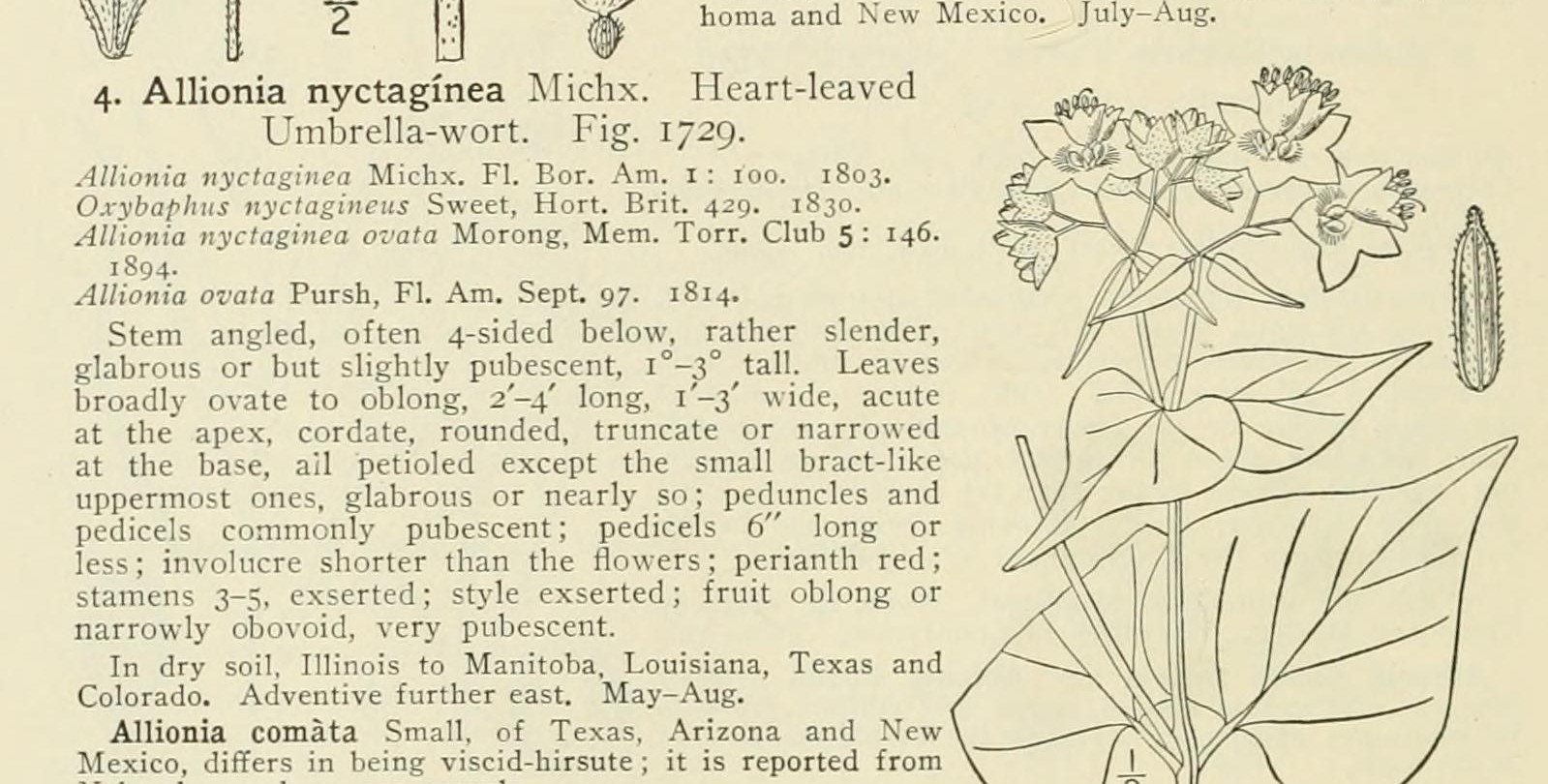
Britton and Brown (1913, p. 32), Allionia nyctaginea, Heart-leaved Umbrella-wort: stem angled, often 4-sided below, 1 to 3 feet; leaves broadly ovate to oblong, 2 to 4 inches long, heart-shaped to narrowed at the base, all stalked except the small top ones; red flowers above a cup of bracts shorter than the flowers, stamens sticking out; dry soil, May-August.
3
3
What the root is for
What the root is for
Densmore (1928, pp. 362-363), for a sprain or strained muscles: umbrella-plant, part used "Root", "Dried root in decoction or fresh root pounded and applied as a poultice", used externally.

4
4
Dig at the right time
Dig at the right time
Densmore (p. 326): roots for later use were gathered "before the sap started in the spring or after it had gone down in the fall". Mark the plants while they flower and come back in autumn (ours); lift the root with a digging stick.
เครื่องมือที่ต้องใช้:
 ไม้ขุด
 ถัง
5
5
Clean the roots
Clean the roots
Shake the earth off carefully, as Densmore's Cass Lake informant did, or wash the roots, as at White Earth.
เครื่องมือที่ต้องใช้:
ถัง6
6
Dry them
Dry them
Spread the roots on a drying screen in an airy, shaded place (ours) and turn them daily until they snap.
เครื่องมือที่ต้องใช้:
 ตะแกรงตาก
7
7
Tie in packets and bag
Tie in packets and bag
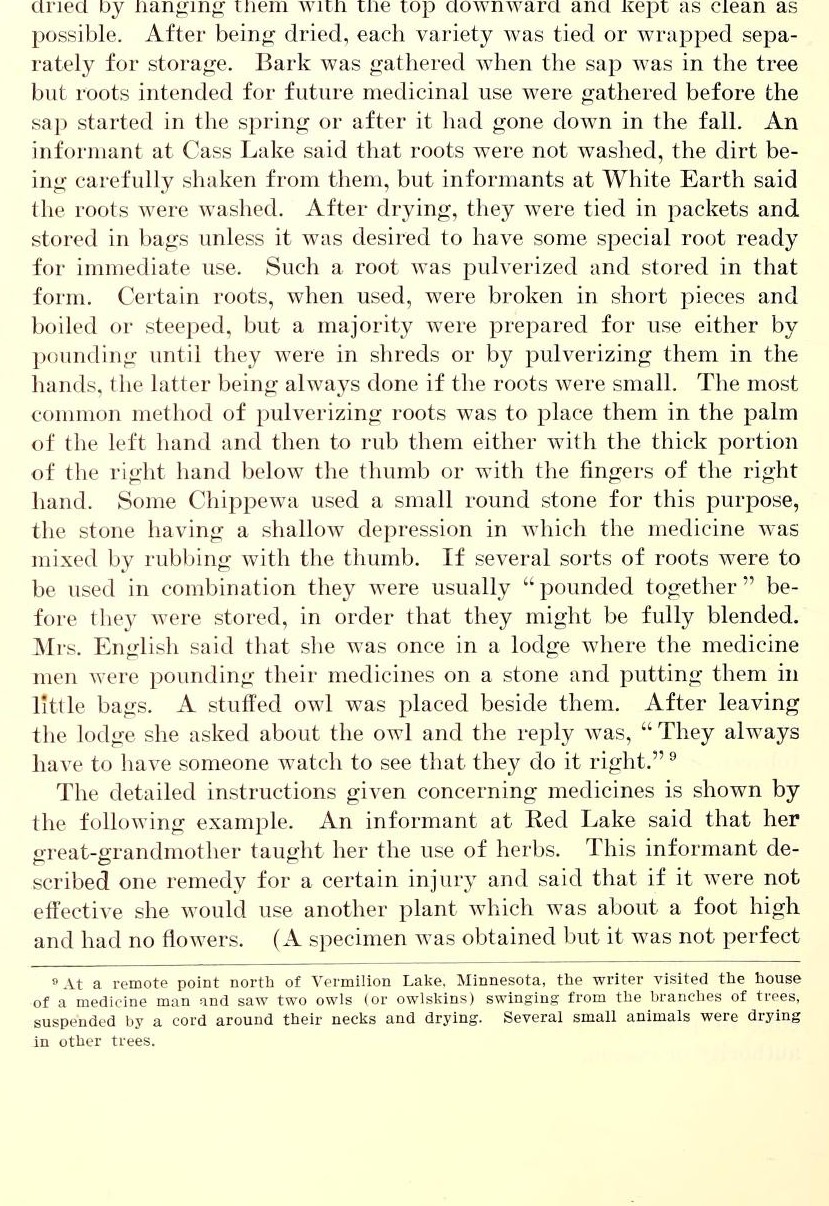
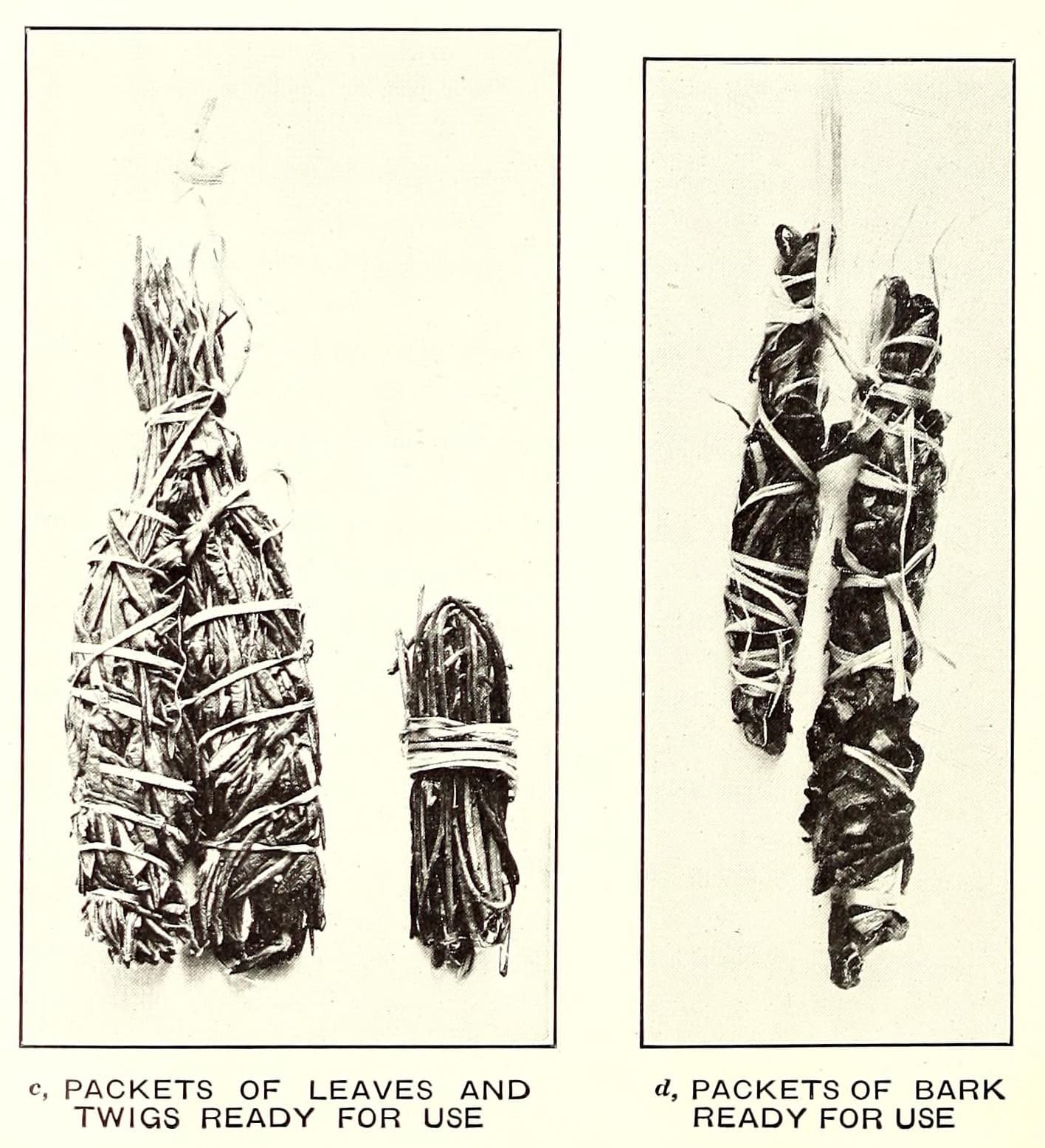
After drying, tie the roots in packets and keep them in a bag, as Densmore records.
เครื่องมือที่ต้องใช้:
 เชือกฝ้าย
 ถุงผ้าลินิน
8
8
Prepare for use
Prepare for use
When needed, pound the root to shreds (p. 326); a mortar works too (ours).
เครื่องมือที่ต้องใช้:
 ครกและสาก
9
9
Troubleshooting
Troubleshooting
Root problems and fixes.
Flow
Loading...
10
10
Sources and honest limits
Sources and honest limits
Frances Densmore, Uses of Plants by the Chippewa Indians (1928), pp. 326 and 362-363, and N. L. Britton and A. Brown, An Illustrated Flora of the Northern United States, vol. II (1913), p. 32. The drying screen and mortar are ours. The garden four-o'clock (Mirabilis jalapa) is a different plant: be sure of the plant before digging, and dig only where it is plentiful and allowed. The cover shows the plant at Wind Cave National Park, South Dakota (Jim Pisarowicz, NPS, public domain, Wikimedia Commons). Not made by us yet.
วัสดุจากพิมพ์เขียวที่เชื่อมต่อ
พิมพ์เขียวนี้สร้าง
CC0 สาธารณสมบัติ
พิมพ์เขียวนี้เผยแพร่ภายใต้ CC0 คุณสามารถคัดลอก แก้ไข แจกจ่าย และใช้งานผลงานนี้เพื่อวัตถุประสงค์ใดก็ได้ โดยไม่ต้องขออนุญาต
สนับสนุนเมกเกอร์โดยซื้อสินค้าผ่านพิมพ์เขียวของพวกเขา ซึ่งพวกเขาจะได้รับ ค่าคอมมิชชันเมกเกอร์ ที่ผู้ขายกำหนด หรือสร้างเวอร์ชันใหม่ของพิมพ์เขียวนี้และรวมเป็นการเชื่อมต่อในพิมพ์เขียวของคุณเพื่อแบ่งรายได้