အနုပညာ
အလှအပနှင့် ကျန်းမာရေး
လက်မှုအနုပညာ
ယဉ်ကျေးမှုနှင့် သမိုင်း
ဖျော်ဖြေရေး
ပတ်ဝန်းကျင်
အစားအစာနှင့် အချိုရည်
စိမ်းလန်းသောအနာဂတ်
ပြောင်းပြန်အင်ဂျင်နီယာပညာ
သိပ္ပံပညာများ
အားကစား
နည်းပညာ
ဝတ်ဆင်နိုင်သောပစ္စည်းများ
Aloe Vera Gel for Burns and Skin Healing — The Plant of Immortality
Bob

ဖန်တီးသူ

Bob

30. မေ 2026BE

Aloe Vera Gel for Burns and Skin Healing — The Plant of Immortality

Aloe vera (Aloe barbadensis miller) has been used for skin healing since ancient Egypt, where it was called the 'plant of immortality' and was reportedly placed among the funeral gifts of pharaohs. The Ebers Papyrus (c. 1550 BCE) records aloe prescriptions for burns, wounds, and skin diseases. Cleopatra and Nefertiti were said to use aloe in their beauty routines. The plant stores a clear, viscous gel in its thick, fleshy leaves that contains over seventy-five active compounds working together: acemannan (a complex polysaccharide that stimulates the immune system and promotes wound healing), salicylic acid (an anti-inflammatory that is the same compound from which aspirin is derived), glycoproteins (which reduce pain and inflammation), anthraquinones (which have antimicrobial properties), and vitamins A, C, and E (antioxidants that protect healing tissue). For burns specifically, aloe gel works by reducing inflammation, preventing bacterial infection of the damaged skin, stimulating fibroblast and collagen production, and maintaining wound moisture — all factors that accelerate healing. Clinical studies consistently show aloe vera-treated burns heal six to eight days faster than burns treated with conventional dressings alone.

အစပြု
10-15 minutes

ညွှန်ကြားချက်များ

1

Identify aloe vera (Aloe barbadensis miller)

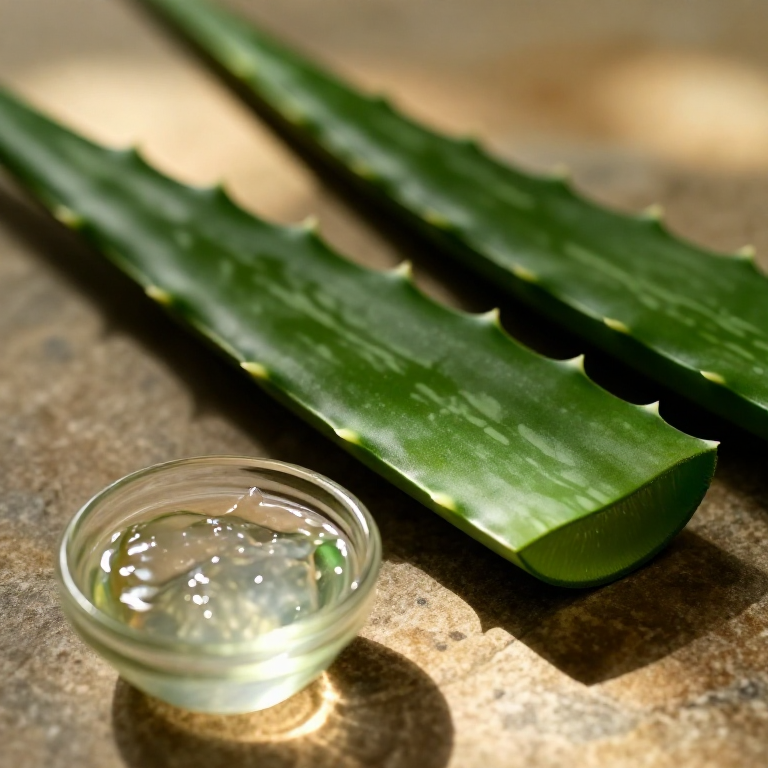
Aloe vera is a succulent plant with thick, fleshy, lance-shaped leaves growing in a rosette from the base. The leaves are grey-green to green, 30-60 cm long, with small white teeth along the margins. When a leaf is cut, it exudes two distinct substances: a clear, thick, mucilaginous gel from the interior (the medicinal part) and a yellow-brown latex from just beneath the skin (aloin — a bitter purgative that should be avoided for topical use). The plant produces a tall flower spike with tubular yellow or orange flowers. Aloe vera is native to the Arabian Peninsula but is now cultivated worldwide in warm climates and as a houseplant.
2

Select and cut a mature leaf

Choose one of the outermost, lowest leaves of the plant — these are the oldest and contain the most gel. The leaf should be thick, fleshy, and firm. Cut the leaf at the base close to the stem using a sharp knife. The leaf will immediately begin to exude yellow latex from the cut end. Stand the leaf upright in a cup or bowl for ten to fifteen minutes with the cut end down to allow the yellow latex (aloin) to drain out. This draining step is important — aloin is a skin irritant and a strong laxative, and should not be applied to wounds or burns.

Tools needed:

Sharp KnifeSharp Knife
Drinking BowlDrinking Bowl
3

Extract the clear gel from the leaf

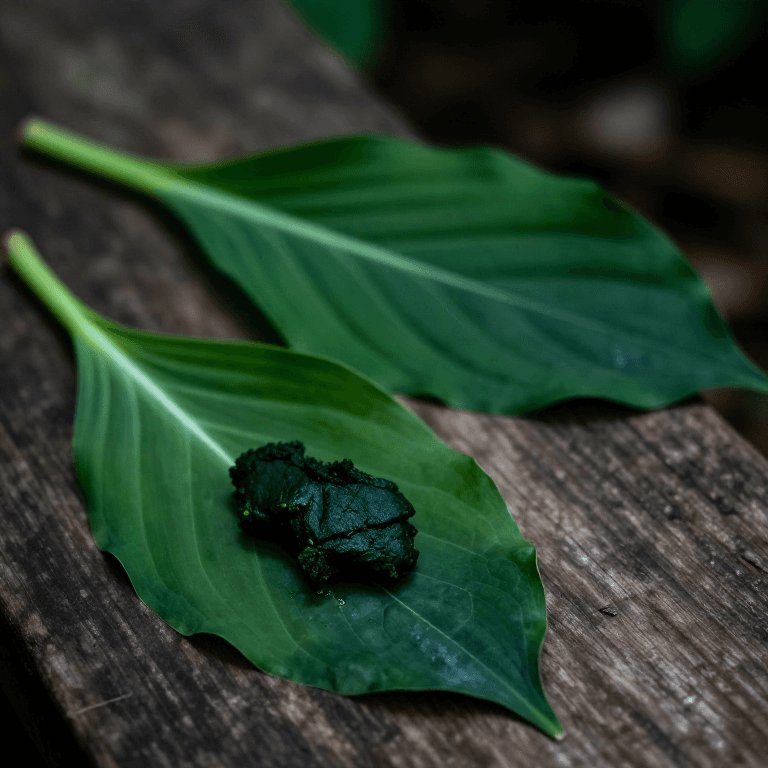
After the yellow latex has drained, wash the leaf under clean water to remove any remaining latex from the surface. Lay the leaf flat and slice off the spiny edges with a knife. Then carefully slice off the flat top layer of green skin, exposing the thick layer of clear, translucent gel inside. Scoop the gel out with a spoon or the blunt side of the knife. The gel is slippery and slightly sticky. For immediate use on a burn, simply split the leaf lengthwise and apply the exposed gel surface directly to the skin — no further preparation needed.

Materials for this step:

Clean WaterClean Water100 မီလီ
4

Treat a minor burn immediately with aloe gel

First cool the burn under clean running water for at least ten minutes — this is the most important first aid step for any burn. Once the burn is cooled, apply a generous layer of fresh aloe gel directly to the burned area. The gel provides instant cooling relief by evaporating moisture from the skin surface. The acemannan polysaccharide in the gel stimulates macrophage activity (immune cells that clean damaged tissue), while the salicylic acid reduces inflammation and pain. Reapply fresh gel every four to six hours for the first two days, then two to three times daily until healed.
5

Apply aloe to sunburn

For sunburn, apply aloe gel liberally to all affected areas as soon as possible after sun exposure. The gel can be applied over large body areas safely — it is non-toxic and non-irritating to intact skin. For severe sunburn covering a large area, extract gel from several leaves and blend or mash to a smooth consistency for easier application. The anti-inflammatory compounds in aloe reduce the redness and heat of sunburn, while the moisturising mucilage prevents the peeling and cracking that occurs as sunburned skin dries. Apply three to four times daily until the redness fades.
6

Use aloe for cuts, scrapes, and skin irritation

Apply fresh aloe gel to minor cuts, scrapes, abrasions, insect bites, and rashes. The gel creates a moist, protective barrier over the wound that prevents bacterial entry while allowing gas exchange — an ideal wound-healing environment. The anthraquinones (aloe-emodin and emodin) in the gel provide mild antimicrobial action against common skin bacteria. For insect bites and stings, the anti-inflammatory effect reduces swelling and itching rapidly. For eczema and mild dermatitis, regular aloe application soothes irritation and helps restore the skin barrier.
7

Store extracted aloe gel

Fresh aloe gel degrades quickly once exposed to air and light — it loses potency within 24-48 hours at room temperature. For short-term storage, place extracted gel in a clean, sealed container and keep in a cool, dark place. For longer storage, cut the gel into small cubes and freeze them — frozen aloe gel retains its active compounds for several months. The frozen cubes can also be applied directly to burns and stings — the cold plus the aloe compounds provide rapid relief. For the freshest, most potent gel, simply keep a living aloe plant and cut leaves as needed.

Tools needed:

Ceramic Storage Jar with LidCeramic Storage Jar with Lid
8

Grow aloe vera as a household medicine plant

Aloe vera is one of the easiest medicinal plants to grow and requires minimal care. Plant in well-drained soil (mix regular soil with sand or grit) in a pot or directly in the ground in frost-free climates. Aloe needs bright indirect light and infrequent watering — allow the soil to dry completely between waterings. Overwatering causes root rot, which is the most common cause of aloe death. The plant produces offsets (pups) at its base that can be separated and replanted to create new plants. A single mature aloe plant provides enough gel for a household's first aid needs year-round.
9

Combine aloe with other remedies

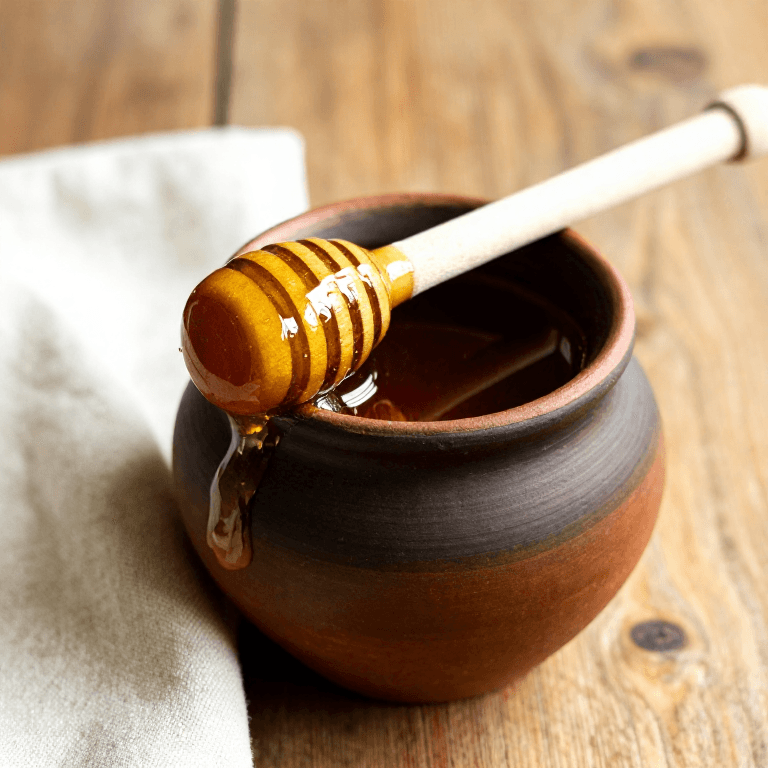
Aloe gel combines effectively with other herbal remedies. Mix aloe gel with raw honey for an enhanced wound dressing — the aloe provides cell-regenerating acemannan while honey adds sustained hydrogen peroxide antimicrobial activity. Mix aloe with a small amount of crushed chamomile flowers for an anti-inflammatory skin salve. For burns, apply aloe first (for its cooling and healing properties), then after the initial treatment, apply honey over the aloe layer (for sustained antimicrobial protection). These combinations have been used in traditional medicine across Africa, the Middle East, and Asia for centuries.
10

Understand limitations and precautions

Aloe vera gel is safe for external use on intact or superficially damaged skin. Do NOT apply to deep wounds, surgical incisions, or third-degree burns — these require professional medical treatment. Do not consume aloe latex (the yellow substance under the skin) — it is a powerful laxative that causes severe cramping and can be dangerous in large doses. Some people are allergic to aloe — test on a small patch of skin and wait one hour before applying to a large area, especially if you have known sensitivities to plants in the Liliaceae family (garlic, onions, tulips). Aloe gel does not replace medical care for serious burns — any burn larger than the palm of the hand, any burn that blisters severely, or any burn on the face, hands, feet, or genitals requires professional treatment.

ပစ္စည်းများ

1

လိုအပ်သော ကိရိယာများ

3

Connected Blueprint Materials

ဆက်စပ် အစီအစဉ်များ

ဤအစီအစဉ်များသည် အသိပညာမျှဝေသည် — နည်းပညာ၊ ပစ္စည်း သို့မဟုတ် မူများ
CC0 အများပိုင်

ဤအစီအစဉ်ကို CC0 အောက်တွင် ထုတ်ဝေထားသည်။ ခွင့်ပြုချက်မလိုဘဲ ကူးယူ၊ ပြင်ဆင်၊ ဖြန့်ဝေ နှင့် အသုံးပြုနိုင်သည်။

အစီအစဉ်မှတစ်ဆင့် ကုန်ပစ္စည်းများဝယ်ယူ၍ ဖန်တီးသူကို ပံ့ပိုးပါ ဖန်တီးသူ ကော်မရှင် ရောင်းချသူက သတ်မှတ်သည်၊ သို့မဟုတ် ဤအစီအစဉ်၏ ဗားရှင်းအသစ်ဖန်တီး၍ ဝင်ငွေခွဲဝေရန် သင့်အစီအစဉ်တွင် ချိတ်ဆက်မှုအဖြစ် ထည့်သွင်းပါ။

ဆွေးနွေးချက်

(0)

ဝင်ရောက် ဆွေးနွေးချက်တွင် ပါဝင်ရန်

Loading comments...