အနုပညာ
အလှအပနှင့် ကျန်းမာရေး
လက်မှုအနုပညာ
ယဉ်ကျေးမှုနှင့် သမိုင်း
ဖျော်ဖြေရေး
ပတ်ဝန်းကျင်
အစားအစာနှင့် အချိုရည်
ပြောင်းပြန်အင်ဂျင်နီယာပညာ
သိပ္ပံပညာများ
အားကစား
နည်းပညာ
ဝတ်ဆင်နိုင်သောပစ္စည်းများ
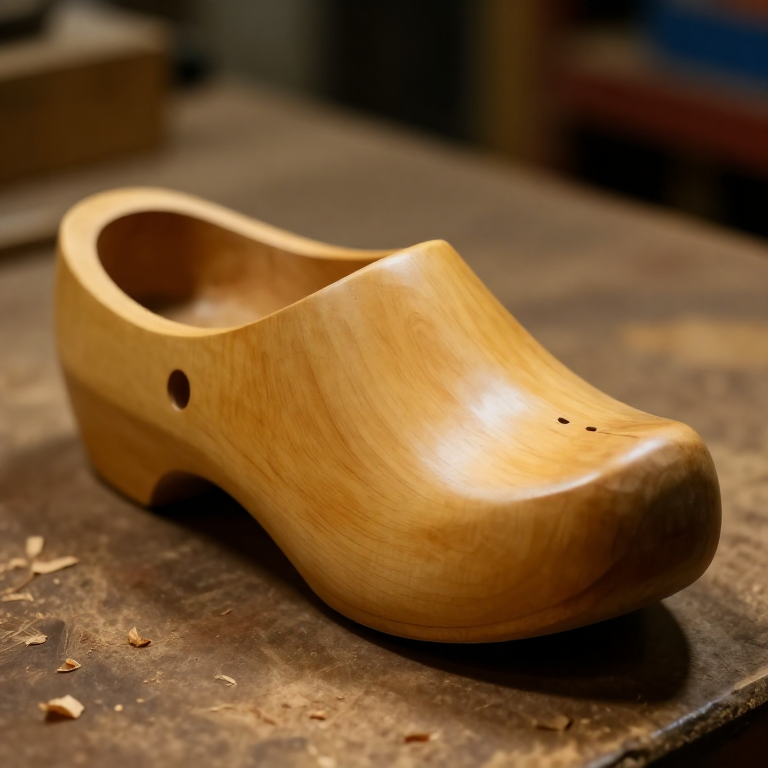

Carving a Wooden Clog — The All-Wood Sabot from a Single Green Block
Across rural Europe the wooden clog — the French sabot, the Dutch klomp — kept feet warm and dry for centuries. Each shoe is carved from a single block of green hardwood: the outside shaped like a foot, the inside hollowed out to receive it. Green (unseasoned) alder, willow or beech is used because it carves easily and splits little, then hardens as it dries. This blueprint carves one clog from froe-split billet to finished shoe, then repeats for the matching pair, using only edge tools.
အလယ်အလတ်
6
ညွှန်ကြားချက်များ
1
1
Split a clean billet
Split a clean billet
Split a straight-grained block of green alder, willow or beech to a little larger than the foot, using the froe driven with a wooden mallet. Choose a length free of knots so the wood carves cleanly.
ဤအဆင့်အတွက် ကုန်ကြမ်းများ:
 မာကျောသောသစ်သားတုံး1 ခု
လိုအပ်သော ကိရိယာများ:
 ဖရိုး (ခွဲဓား)
 သစ်သားတူ
2
2
Rough out the foot profile
Rough out the foot profile
With the hatchet, chop the billet down to the rough shape of a foot seen from the side — a flat sole, an upturned toe, and a squared heel. Leave the block oversize everywhere for now.
လိုအပ်သော ကိရိယာများ:
 ပုဆိန်ငယ်
3
3
Mark the sole and top outlines
Mark the sole and top outlines
Stand the block on the wearer's foot or a pattern and mark the outline of the sole and the top opening with the point of the carving knife, so you have clear lines to carve to.
လိုအပ်သော ကိရိယာများ:
 စလွိုက်ဓား
4
4
Shape the outside with the drawknife
Shape the outside with the drawknife
Clamp the block and draw the drawknife toward you to shape the rounded outside of the clog — the swell of the toe, the waist at the instep, and the flat of the sole. Work down to the marked lines.
လိုအပ်သော ကိရိယာများ:
 နှစ်ဖက်ကိုင် ခြစ်ဓား
5
5
Refine the curves with a spokeshave
Refine the curves with a spokeshave
Smooth the toe curve, the sides and the instep with the spokeshave, fairing the outside into an even foot shape ready to hollow.
လိုအပ်သော ကိရိယာများ:
 လက်ကိုင်နှစ်ဖက်ပါ သစ်သားရှေးတံ
6
6
Bore out the mouth
Bore out the mouth
Bore down into the top opening with the hand auger to remove the bulk of the inside waste quickly, stopping short of the sole so you do not bore through.
လိုအပ်သော ကိရိယာများ:
 လက်လှည့် တူးဆွ
7
7
Hollow the foot cavity
Hollow the foot cavity
Hollow the inside to the shape of a foot with the hook knife and gouge, driven by the mallet where needed. Follow the curve of the sole and open out under the instep, leaving even walls.
လိုအပ်သော ကိရိယာများ:
 ချိတ်ဓား (ဇွန်းထွင်းရန်)
 အကွေးဆောက်သစ်သားတူ
8
8
Fit the cavity to the foot
Fit the cavity to the foot
Test the hollow against the foot it must fit: the sole should sit flat, the toes have room, and the walls be thin enough to be light but thick enough to be strong. Pare away any tight spots.
လိုအပ်သော ကိရိယာများ:
ချိတ်ဓား (ဇွန်းထွင်းရန်)9
9
Cut the instep throat
Cut the instep throat
Shape the opening at the top of the foot — the 'throat' — with the gouge and carving knife so the foot slides in and the clog grips the instep without pinching.
လိုအပ်သော ကိရိယာများ:
အကွေးဆောက်စလွိုက်ဓား10
10
Smooth inside and out
Smooth inside and out
Pare every surface smooth, inside and out, with the carving knife and spokeshave, removing tool ridges so nothing chafes the foot and the outside is clean.
လိုအပ်သော ကိရိယာများ:
စလွိုက်ဓားလက်ကိုင်နှစ်ဖက်ပါ သစ်သားရှေးတံ11
11
Carve the matching clog
Carve the matching clog
Repeat every step to carve the second clog as a mirror image of the first, so the pair matches in length, depth and shape — one left, one right.
ဤအဆင့်အတွက် ကုန်ကြမ်းများ:
မာကျောသောသစ်သားတုံး1 ခုလိုအပ်သော ကိရိယာများ:
ပုဆိန်ငယ်နှစ်ဖက်ကိုင် ခြစ်ဓားချိတ်ဓား (ဇွန်းထွင်းရန်)12
12
Dry the pair slowly
Dry the pair slowly
Set the finished green-wood clogs to dry slowly in a cool, airy place away from direct heat. As the wood seasons it hardens and the clogs become light and durable — drying too fast would crack them.
ပစ္စည်းများ
1- နေရာယူပစ္စည်း
လိုအပ်သော ကိရိယာများ
9- နေရာယူပစ္စည်း
- နေရာယူပစ္စည်း
- နေရာယူပစ္စည်း
- နေရာယူပစ္စည်း
- နေရာယူပစ္စည်း
- နေရာယူပစ္စည်း
- နေရာယူပစ္စည်း
- နေရာယူပစ္စည်း
- နေရာယူပစ္စည်း
ချိတ်ဆက်ထားသော ဘလူးပရင့် ကုန်ကြမ်းများ
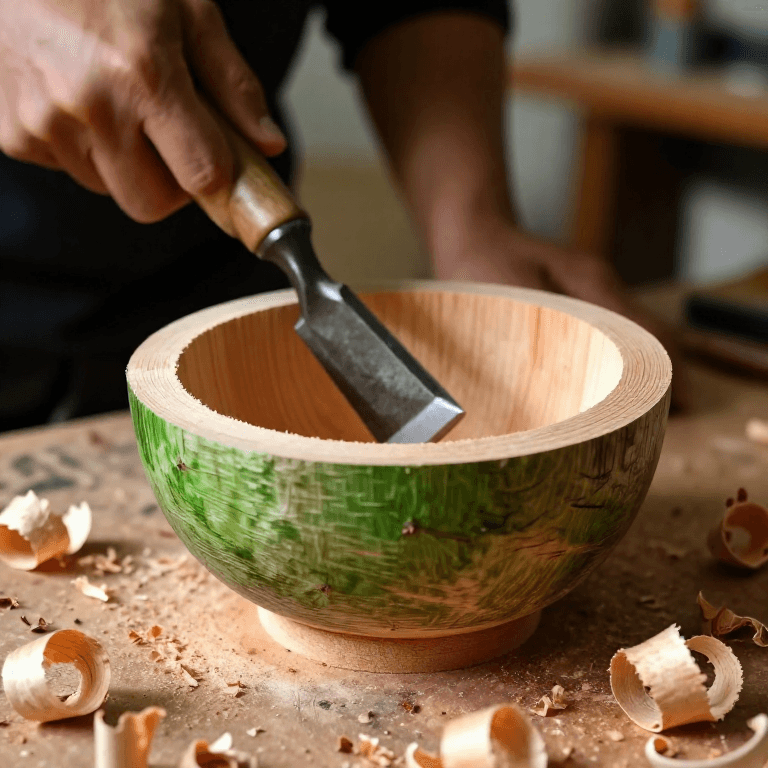
ဤဘလူးပရင့်က ပြုလုပ်သည်
ဆက်စပ် အစီအစဉ်များ
ဤအစီအစဉ်များသည် အသိပညာမျှဝေသည် — နည်းပညာ၊ ပစ္စည်း သို့မဟုတ် မူများ
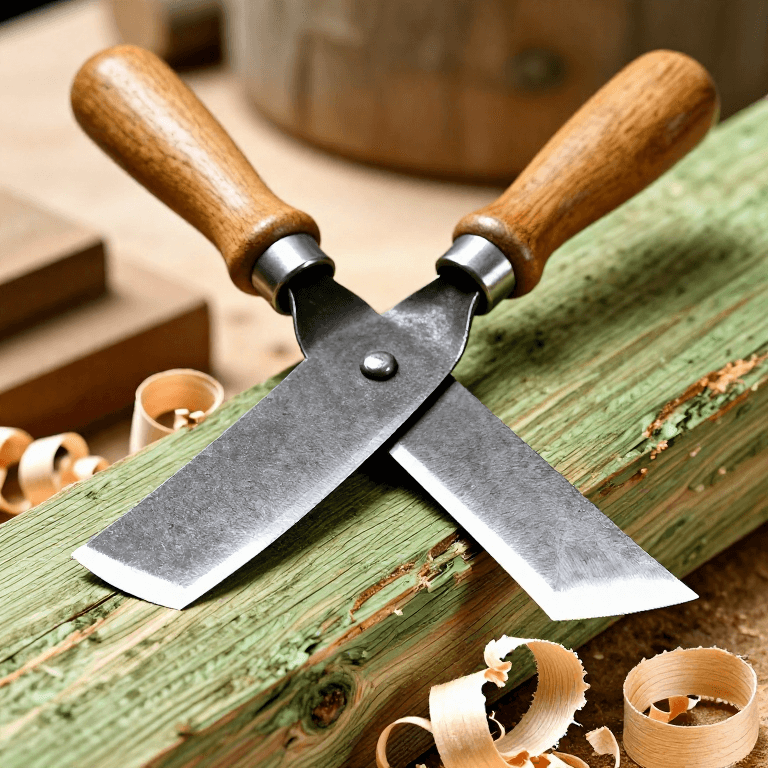
Using a Drawknife — Shaping Riven Timber by Drawing a Blade Toward You
Woody မှ
သစ်သားလုပ်ငန်း
၄၈
၀
၀
၀
၁
၀
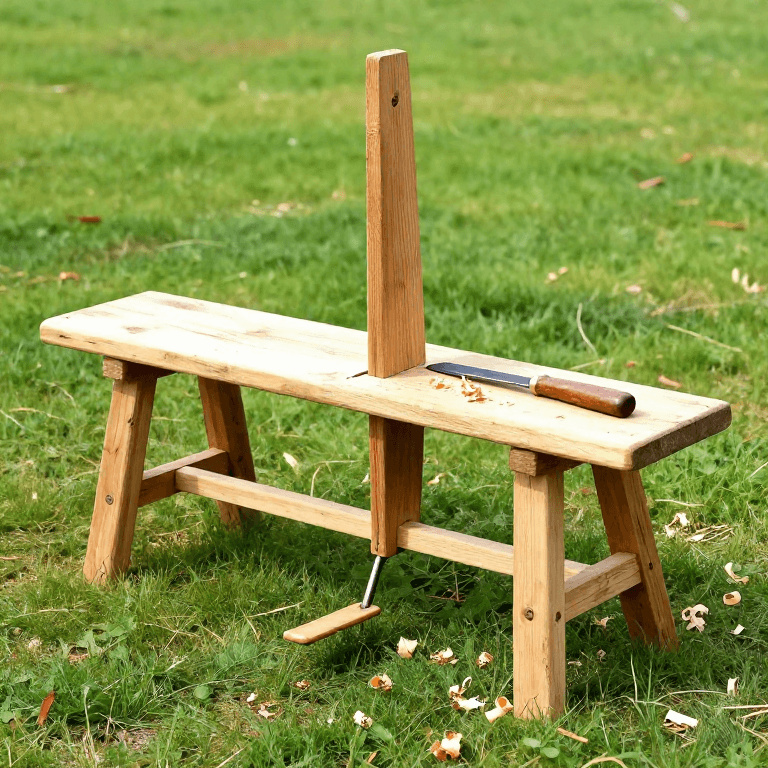
Building a Shave Horse — The Foot-Operated Clamping Bench for Green Woodworking
Woody မှ
သစ်သားလုပ်ငန်း
၅၅
၀
၀
၀
၁
၀
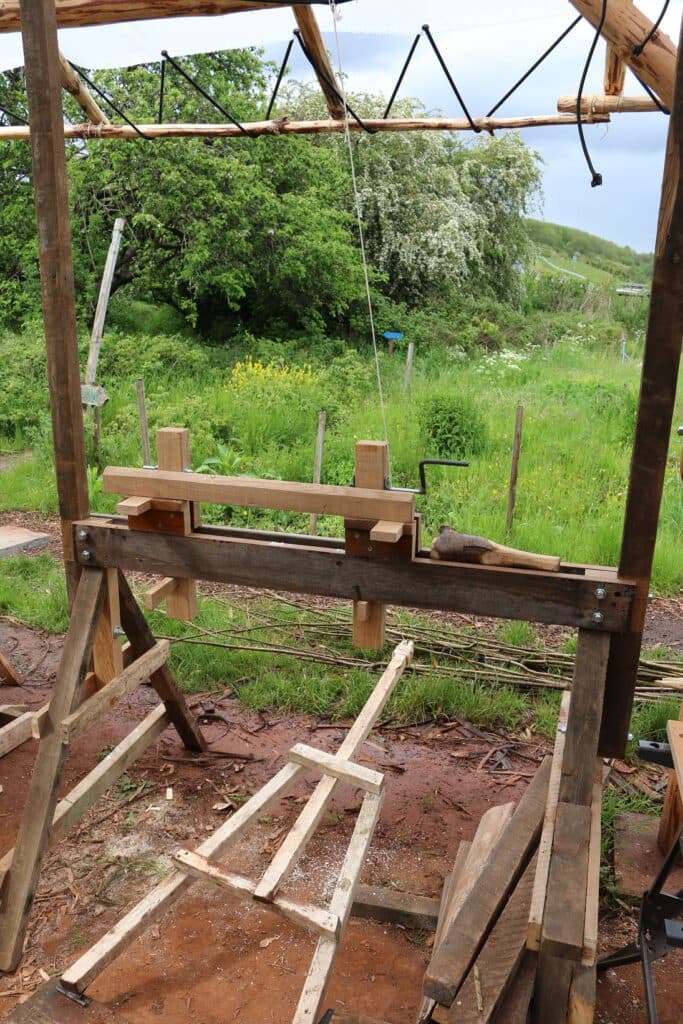
Building a Pole Lathe for Green Wood Turning — Spring-Pole Reciprocating Lathe
Woody မှ
သစ်သားလုပ်ငန်း
၁၉၁
၁
၀
၀
၂
၀
CC0 အများပိုင်
ဤအစီအစဉ်ကို CC0 အောက်တွင် ထုတ်ဝေထားသည်။ ခွင့်ပြုချက်မလိုဘဲ ကူးယူ၊ ပြင်ဆင်၊ ဖြန့်ဝေ နှင့် အသုံးပြုနိုင်သည်။
အစီအစဉ်မှတစ်ဆင့် ကုန်ပစ္စည်းများဝယ်ယူ၍ လက်မှုပညာရှင်ကို ပံ့ပိုးပါ လက်မှုပညာရှင် ကော်မရှင် ရောင်းချသူက သတ်မှတ်သည်၊ သို့မဟုတ် ဤအစီအစဉ်၏ ဗားရှင်းအသစ်ဖန်တီး၍ ဝင်ငွေခွဲဝေရန် သင့်အစီအစဉ်တွင် ချိတ်ဆက်မှုအဖြစ် ထည့်သွင်းပါ။