အနုပညာ
အလှအပနှင့် ကျန်းမာရေး
လက်မှုအနုပညာ
ယဉ်ကျေးမှုနှင့် သမိုင်း
ဖျော်ဖြေရေး
ပတ်ဝန်းကျင်
အစားအစာနှင့် အချိုရည်
ပြောင်းပြန်အင်ဂျင်နီယာပညာ
သိပ္ပံပညာများ
အားကစား
နည်းပညာ
ဝတ်ဆင်နိုင်သောပစ္စည်းများ
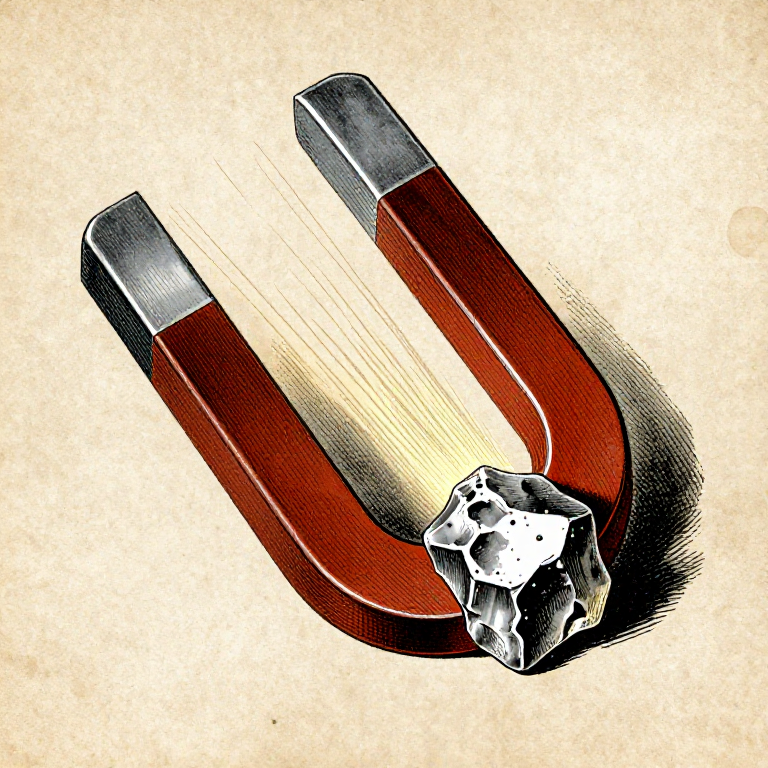
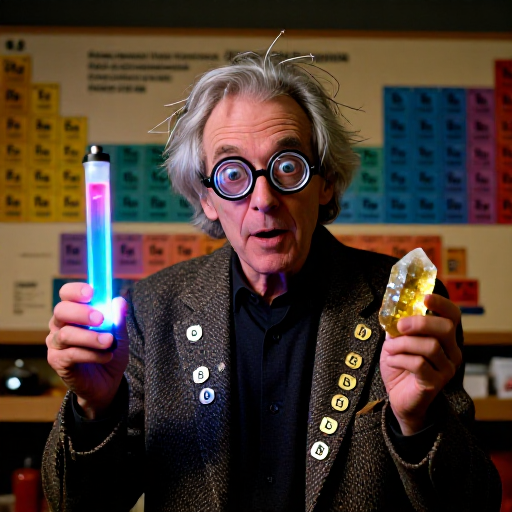
Understanding Dysprosium from Xenotime — The Magnet Stabilizer for Electric Vehicles
အလယ်အလတ်
ညွှန်ကြားချက်များ
1
1
Understand Dysprosium's Discovery
Understand Dysprosium's Discovery
Paul-Émile Lecoq de Boisbaudran discovered dysprosium in 1886 after more than 30 fractional crystallizations of holmium oxide from erbia. The name comes from the Greek 'dysprositos' meaning 'hard to get at' — reflecting the extraordinary difficulty of separating it from other heavy rare earths. Pure dysprosium metal was not isolated until Frank Spedding's ion-exchange techniques in the 1950s at Iowa State University.
2
2
Identify Dysprosium in Heavy Rare Earth Minerals
Identify Dysprosium in Heavy Rare Earth Minerals
Dysprosium occurs at 5.2 ppm in Earth's crust — the most abundant heavy rare earth. It concentrates in xenotime (YPO₄) at 7-8% of the rare earth fraction, and in ionic adsorption clays in southern China which provide 90% of global supply. Bastnasite contains only trace dysprosium. Annual production is approximately 2,000 tonnes of dysprosium oxide, with demand growing rapidly due to electric vehicle magnet requirements.
ဤအဆင့်အတွက် ကုန်ကြမ်းများ:
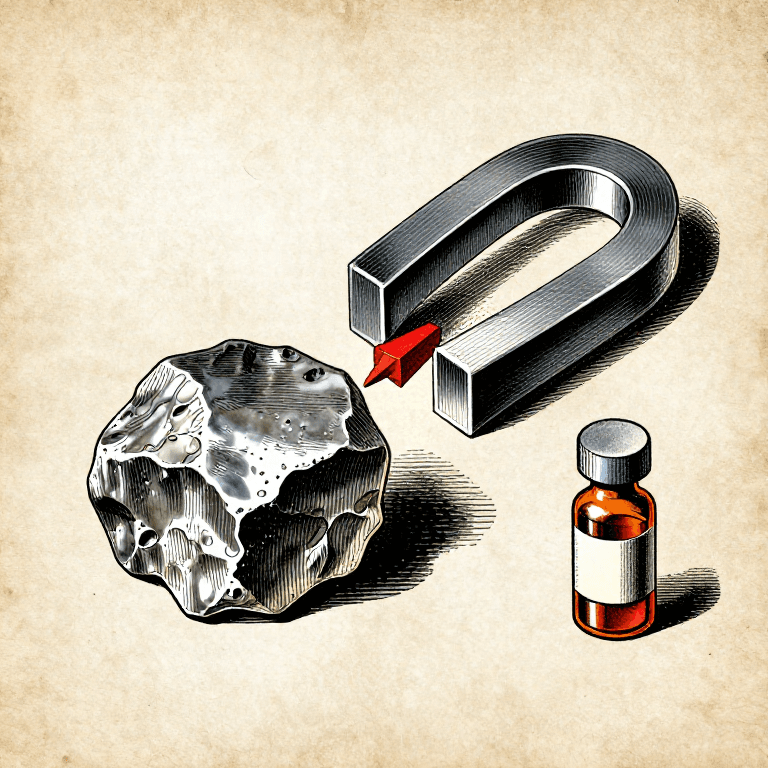
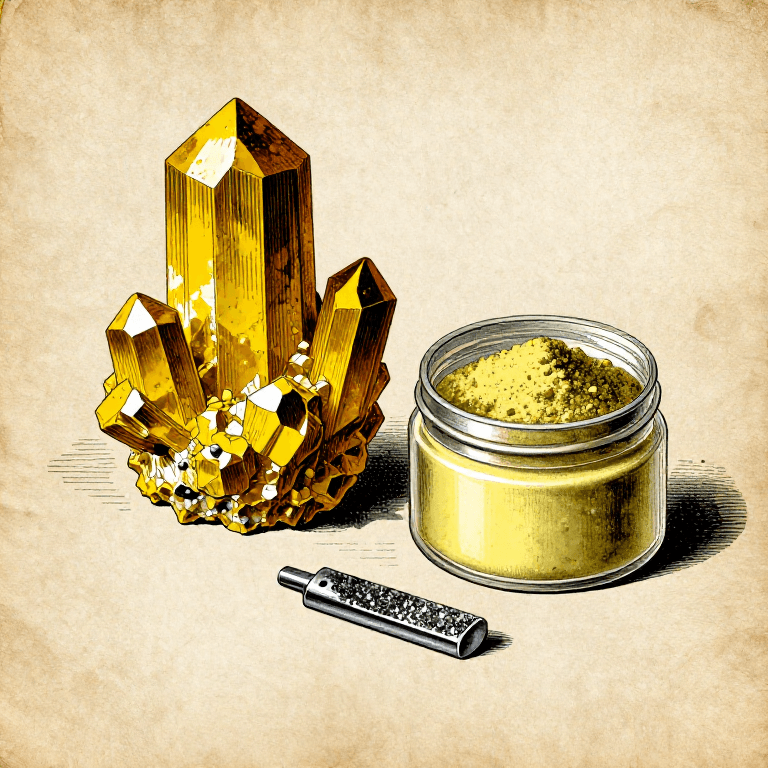
 ဇီနိုတိုင်းနမူနာ
လိုအပ်သော ကိရိယာများ:
 လက်ကိုင်မှန်ဘီလူး ၁၀xလက်ကိုင်မှန်ဘီလူး ၁၀x
 အစင်းပြား (ရေမွှေးမသုတ်ထားသောကြွေထည်)
 Mohs မာကျောမှု ထိုးတံများ
3
3
Examine Dysprosium's Role in NdFeB Magnets
Examine Dysprosium's Role in NdFeB Magnets
Adding 2-4% dysprosium to NdFeB magnets increases coercivity by 50-100%, enabling operation at temperatures up to 200°C without demagnetization. Electric vehicle traction motors generate sustained heat that would degrade pure NdFeB magnets within months. Dysprosium substitutes for neodymium at grain boundaries, creating a high-anisotropy shell that resists thermal demagnetization. Every Tesla, BYD, and Toyota EV motor contains dysprosium-enhanced magnets.
4
4
Understand Grain Boundary Diffusion Technology
Understand Grain Boundary Diffusion Technology
Grain boundary diffusion (GBD) is a breakthrough process that coats sintered NdFeB magnets with dysprosium compounds and heat-treats them at 850-950°C. Dysprosium diffuses along grain boundaries, forming a thin Dy-rich shell around each grain without penetrating the grain interior. This achieves 80% of the coercivity boost using only 20% of the dysprosium compared to bulk alloying — a critical cost reduction given dysprosium's price of $200-400 per kilogram.
5
5
Discover Terfenol-D Magnetostriction
Discover Terfenol-D Magnetostriction
Terfenol-D (Tb₀.₃Dy₀.₇Fe₂) contains 70% dysprosium on the rare earth sites, making dysprosium the majority rare earth in this giant magnetostrictive alloy. The material changes length by 0.2% in magnetic fields — 100 times more than nickel. Terfenol-D converts magnetic energy to mechanical motion in sonar transducers for submarine detection, precision positioning actuators for semiconductor lithography, and vibration energy harvesters.
6
6
Explore Nuclear and Lighting Applications
Explore Nuclear and Lighting Applications
Dysprosium has the highest thermal neutron absorption cross-section of any naturally occurring element when considering natural isotopic abundance — Dy-164 alone has 2,840 barns. Dysprosium oxide-nickel cermet control rods are used in nuclear reactors because they maintain structural integrity under intense neutron bombardment. Dysprosium iodide (DyI₃) is added to metal halide lamps to produce a bright white light that closely matches natural daylight for stadium and film lighting.
7
7
Examine Metal Properties and Magnetism
Examine Metal Properties and Magnetism
Dysprosium is a bright silvery metal, soft enough to cut with a knife. Melting point is 1412°C, density 8.55 g/cm³. It is ferromagnetic below 85 K (-188°C) and has the highest magnetic susceptibility of any element at room temperature. Dysprosium exhibits a complex helical antiferromagnetic structure between 85 K and 179 K. The metal oxidizes slowly in air and reacts slowly with cold water, dissolving readily in dilute acids.
8
8
Understand the Dysprosium Supply Crisis
Understand the Dysprosium Supply Crisis
Dysprosium faces the most critical supply-demand imbalance of any element in clean energy technology. Electric vehicle production requires 100g of dysprosium per motor, and global EV production is projected to reach 40 million vehicles annually by 2030. China controls 95% of heavy rare earth production from ionic adsorption clays, which are mined by in-situ leaching that causes severe groundwater contamination and soil degradation.
လိုအပ်သော ကိရိယာများ:
 တိကျသောချိန်ခွင်
9
9
Survey Dysprosium-Free Magnet Research
Survey Dysprosium-Free Magnet Research
Intense research aims to eliminate dysprosium from EV magnets. Approaches include: grain boundary engineering with cheaper elements like copper and aluminum, new magnet compositions like iron-nitride (Fe₁₆N₂), nanostructured magnets that achieve high coercivity through geometry rather than chemistry, and motor designs that use ferrite magnets with reduced rare earth content. No approach yet matches dysprosium's coercivity enhancement at scale.
10
10
Document Findings and Strategic Outlook
Document Findings and Strategic Outlook
Record dysprosium's key data: atomic number 66, density 8.55 g/cm³, melting point 1412°C, bright silvery metal. Dysprosium oxide is priced at $200-400 per kilogram — 100 times more expensive than cerium oxide. The element's name — 'hard to get at' — has become prophetic: it is simultaneously the most supply-critical rare earth and the most difficult to substitute. Recycling from end-of-life magnets is technically feasible but yields remain below 1% globally.
11
11
Ore grade: how much xenotime per kilogram
Ore grade: how much xenotime per kilogram
Jupyter မှတ်စုစာအုပ် ဖွင့်နေသည်…
ပစ္စည်းများ
1- 1 ခုနေရာယူပစ္စည်း
လိုအပ်သော ကိရိယာများ
4- နေရာယူပစ္စည်း
- နေရာယူပစ္စည်း
- နေရာယူပစ္စည်း
- နေရာယူပစ္စည်း
ချိတ်ဆက်ထားသော ဘလူးပရင့် ကုန်ကြမ်းများ
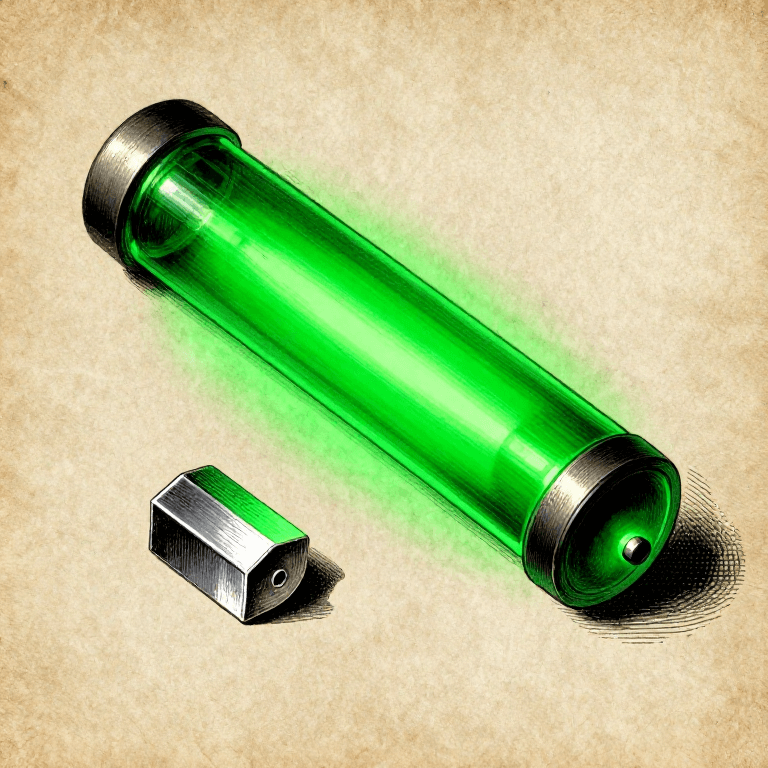
10% ခွဲဝေမှု
Understanding Terbium from Xenotime — The Green Phosphor That Lights the World
Peter မှ
သတ္တုတူးခြင်း
၂၂
၀
၀
၀
၄
၀

အန္တရာယ်ရှိ
10% ခွဲဝေမှု
Extracting Neodymium-Rich Rare Earth Oxide from Monazite — The Magnet Metal That Reshaped Technology
Peter မှ
သတ္တုတူးခြင်း
၃၈
၀
၀
၀
၁၁
၀
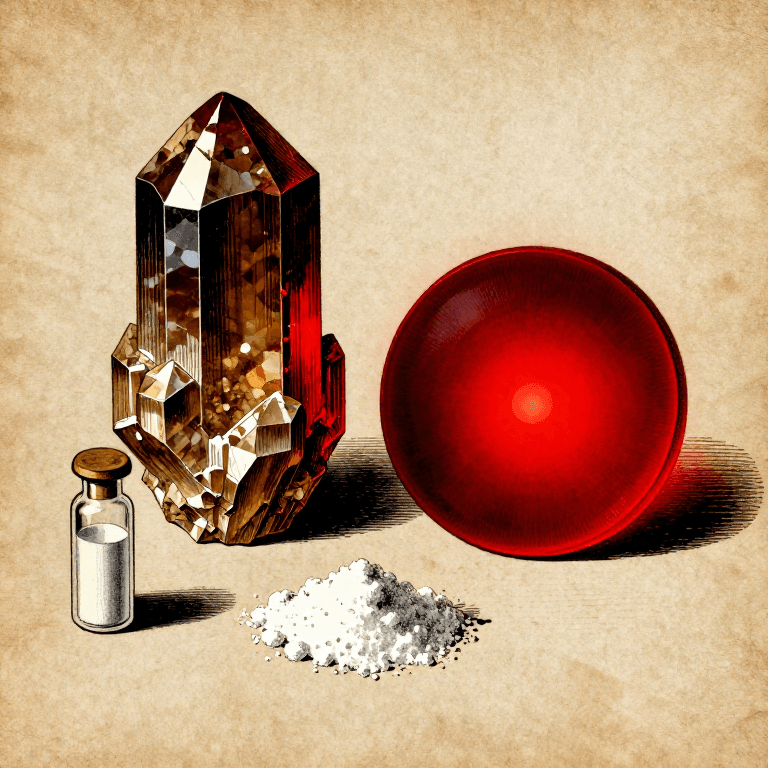
အန္တရာယ်ရှိ
10% ခွဲဝေမှု
Understanding Yttrium from Xenotime — The Rare Earth That Lights Red Screens
Peter မှ
သတ္တုတူးခြင်း
၄၃
၀
၀
၀
၁၂
၀
10% ခွဲဝေမှု
Understanding Gadolinium from Monazite — The MRI Contrast Agent Metal
Peter မှ
သတ္တုတူးခြင်း
၁၇
၀
၀
၀
၆
၀
10% ခွဲဝေမှု
Understanding Cerium from Bastnasite — The Self-Cleaning Rare Earth
Peter မှ
သတ္တုတူးခြင်း
၁၀
၀
၀
၀
၉
၀
ဆက်စပ် အစီအစဉ်များ
ဤအစီအစဉ်များသည် အသိပညာမျှဝေသည် — နည်းပညာ၊ ပစ္စည်း သို့မဟုတ် မူများ

CC0 အများပိုင်
ဤအစီအစဉ်ကို CC0 အောက်တွင် ထုတ်ဝေထားသည်။ ခွင့်ပြုချက်မလိုဘဲ ကူးယူ၊ ပြင်ဆင်၊ ဖြန့်ဝေ နှင့် အသုံးပြုနိုင်သည်။
အစီအစဉ်မှတစ်ဆင့် ကုန်ပစ္စည်းများဝယ်ယူ၍ လက်မှုပညာရှင်ကို ပံ့ပိုးပါ လက်မှုပညာရှင် ကော်မရှင် ရောင်းချသူက သတ်မှတ်သည်၊ သို့မဟုတ် ဤအစီအစဉ်၏ ဗားရှင်းအသစ်ဖန်တီး၍ ဝင်ငွေခွဲဝေရန် သင့်အစီအစဉ်တွင် ချိတ်ဆက်မှုအဖြစ် ထည့်သွင်းပါ။