အနုပညာ
အလှအပနှင့် ကျန်းမာရေး
လက်မှုအနုပညာ
ယဉ်ကျေးမှုနှင့် သမိုင်း
ဖျော်ဖြေရေး
ပတ်ဝန်းကျင်
အစားအစာနှင့် အချိုရည်
ပြောင်းပြန်အင်ဂျင်နီယာပညာ
သိပ္ပံပညာများ
အားကစား
နည်းပညာ
ဝတ်ဆင်နိုင်သောပစ္စည်းများ
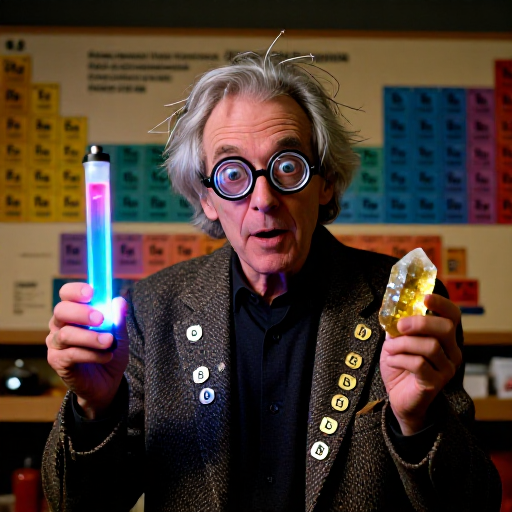
Understanding Holmium from Xenotime — The Strongest Magnetic Element
အလယ်အလတ်
ညွှန်ကြားချက်များ
1
1
Understand Holmium's Discovery
Understand Holmium's Discovery
Marc Delafontaine and Jacques-Louis Soret observed holmium's characteristic absorption bands in 1878 while examining erbia spectroscopically. Per Teodor Cleve independently isolated holmium oxide in 1879 in Uppsala, Sweden, and named it after Holmia — the Latin name for Stockholm, his native city. Holmium was one of the last lanthanides to be separated from the closely related erbium and dysprosium fractions.
2
2
Identify Holmium in Heavy Rare Earth Minerals
Identify Holmium in Heavy Rare Earth Minerals
Holmium occurs at 1.3 ppm in Earth's crust, making it rarer than silver but more abundant than gold. It concentrates in xenotime (YPO₄) at 1-2% of the rare earth fraction and in ionic adsorption clays. Holmium sits between dysprosium and erbium in solvent extraction cascades — its separation from these neighbors requires hundreds of stages. Annual production is approximately 70 tonnes, mostly as a byproduct of heavy rare earth separation.
ဤအဆင့်အတွက် ကုန်ကြမ်းများ:
 ဇီနိုတိုင်းနမူနာ
လိုအပ်သော ကိရိယာများ:
 လက်ကိုင်မှန်ဘီလူး ၁၀xလက်ကိုင်မှန်ဘီလူး ၁၀x
 အစင်းပြား (ရေမွှေးမသုတ်ထားသောကြွေထည်)
 Mohs မာကျောမှု ထိုးတံများ
3
3
Examine Holmium's Record Magnetic Moment
Examine Holmium's Record Magnetic Moment
Holmium has the highest magnetic moment of any element — 10.6 Bohr magnetons — arising from its [Xe]4f¹¹6s² electron configuration with four unpaired electrons contributing both spin and orbital angular momentum. The strong orbital contribution makes holmium paramagnetic above 20 K and ferromagnetic below it in a complex helical structure. Holmium pole pieces in experimental magnets have generated fields exceeding 30 tesla.
4
4
Discover the Ho:YAG Surgical Laser
Discover the Ho:YAG Surgical Laser
The holmium-doped yttrium aluminum garnet (Ho:YAG) laser emits at 2,100 nm — a wavelength strongly absorbed by water in biological tissue. This makes it ideal for surgery: it vaporizes tissue in a thin layer without deep thermal damage. Ho:YAG lasers are the standard tool for kidney stone lithotripsy (breaking stones into fragments), prostate surgery (HoLEP procedure), arthroscopic joint surgery, and treating benign prostatic hyperplasia.
5
5
Understand Magnetic Flux Concentrators
Understand Magnetic Flux Concentrators
Holmium's extreme magnetic moment makes it invaluable for concentrating magnetic flux in high-field magnets. Holmium pole pieces placed between superconducting coils boost the field in the sample space by 20-30%. This technique achieves the strongest continuous magnetic fields available for materials research, crystal growth experiments, and magnetization studies at temperatures below 20 K where holmium becomes ferromagnetic.
6
6
Explore Nuclear and Calibration Applications
Explore Nuclear and Calibration Applications
Holmium-165 has a large neutron absorption cross-section (64 barns) and is used in nuclear reactor control rods alongside dysprosium. Holmium oxide is used as a spectrophotometer calibration standard because it has sharp, well-characterized absorption bands spanning the entire visible and UV range. The NIST standard reference material SRM 2034 is a holmium oxide solution used to calibrate spectrophotometers worldwide.
7
7
Survey Medical Microsphere Therapy
Survey Medical Microsphere Therapy
Holmium-166 microspheres (radioactive glass beads containing Ho-166, half-life 26.8 hours) are injected directly into liver tumors for selective internal radiation therapy (SIRT). The microspheres lodge in tumor blood vessels and deliver concentrated beta radiation while sparing healthy liver tissue. Holmium microspheres are visible on both MRI and SPECT imaging, allowing real-time treatment verification — an advantage over yttrium-90 microspheres.
8
8
Examine Metal Properties
Examine Metal Properties
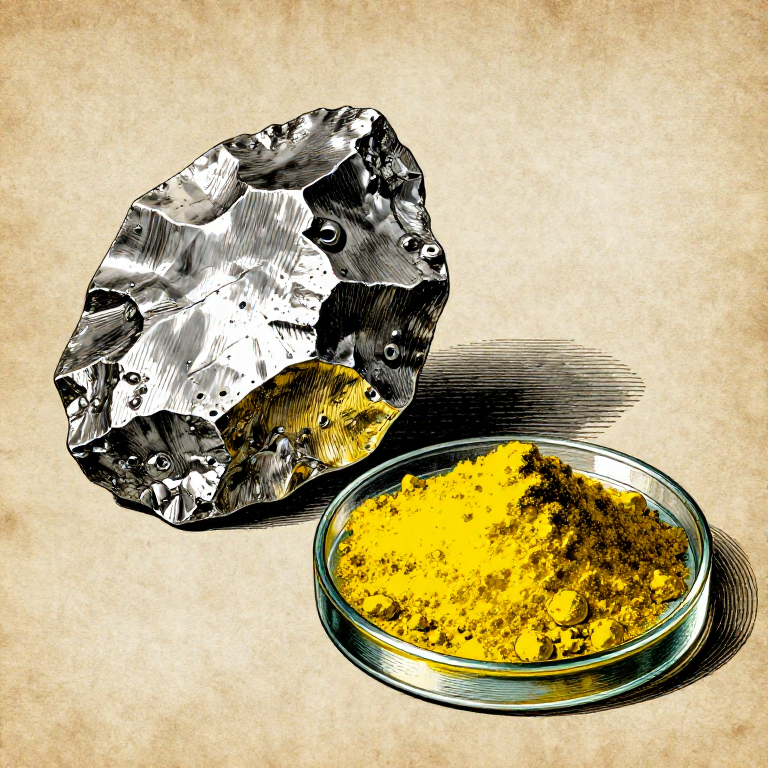
Holmium is a relatively soft, silvery-white metal with a bright metallic luster. Melting point is 1474°C, density 8.80 g/cm³. It is stable in dry air but tarnishes rapidly in moist air. Holmium oxide (Ho₂O₃) has a distinctive yellow color — one of the few rare earth oxides with a vivid color. The metal is obtained by calcium reduction of holmium fluoride or metallothermic reduction with lanthanum.
9
9
Understand Quantum Computing Applications
Understand Quantum Computing Applications
Single holmium atoms embedded in magnesium oxide have been demonstrated as single-atom magnets — the smallest possible magnetic data storage unit. Each holmium atom can store one bit of information in its magnetic orientation, stable at temperatures below 35 K. IBM researchers showed in 2017 that two holmium atoms could be independently written and read using scanning tunneling microscopy, demonstrating atomic-scale magnetic memory.
လိုအပ်သော ကိရိယာများ:
 တိကျသောချိန်ခွင်
10
10
Document Findings and Applications Summary
Document Findings and Applications Summary
Record holmium's key data: atomic number 67, density 8.80 g/cm³, melting point 1474°C, silvery-white metal with yellow oxide. Holmium oxide is priced at $50-100 per kilogram — moderate for a heavy rare earth. The element's primary commercial value lies in Ho:YAG surgical lasers, which represent a billion-dollar medical device market. Holmium remains a niche element but one with irreplaceable applications in medicine and high-field magnetism.
11
11
Ore grade: how much xenotime per kilogram
Ore grade: how much xenotime per kilogram
Jupyter မှတ်စုစာအုပ် ဖွင့်နေသည်…
ပစ္စည်းများ
1- 1 ခုနေရာယူပစ္စည်း
လိုအပ်သော ကိရိယာများ
4- နေရာယူပစ္စည်း
- နေရာယူပစ္စည်း
- နေရာယူပစ္စည်း
- နေရာယူပစ္စည်း
ချိတ်ဆက်ထားသော ဘလူးပရင့် ကုန်ကြမ်းများ

10% ခွဲဝေမှု
Understanding Dysprosium from Xenotime — The Magnet Stabilizer for Electric Vehicles
Peter မှ
သတ္တုတူးခြင်း
၂၃
၀
၀
၀
၅
၀
အန္တရာယ်ရှိ
10% ခွဲဝေမှု
Understanding Yttrium from Xenotime — The Rare Earth That Lights Red Screens
Peter မှ
သတ္တုတူးခြင်း
၄၃
၀
၀
၀
၁၂
၀
10% ခွဲဝေမှု
Understanding Gadolinium from Monazite — The MRI Contrast Agent Metal
Peter မှ
သတ္တုတူးခြင်း
၁၇
၀
၀
၀
၆
၀

10% ခွဲဝေမှု
Understanding Terbium from Xenotime — The Green Phosphor That Lights the World
Peter မှ
သတ္တုတူးခြင်း
၂၂
၀
၀
၀
၄
၀
10% ခွဲဝေမှု
Understanding Europium from Monazite — The Red Phosphor That Colored Television
Peter မှ
သတ္တုတူးခြင်း
၂၀
၀
၀
၀
၅
၀
ဆက်စပ် အစီအစဉ်များ
ဤအစီအစဉ်များသည် အသိပညာမျှဝေသည် — နည်းပညာ၊ ပစ္စည်း သို့မဟုတ် မူများ

Extracting Iron from Hematite — Bloomery Smelting from Ore to Bloom
Peter မှ
သတ္တုလုပ်ငန်း
၁၅၉
၀
၀
၀
၁၂
၀
Understanding Cerium from Bastnasite — The Self-Cleaning Rare Earth
Peter မှ
သတ္တုတူးခြင်း
၁၀
၀
၀
၀
၉
၀

အန္တရာယ်ရှိ
Extracting Neodymium-Rich Rare Earth Oxide from Monazite — The Magnet Metal That Reshaped Technology
Peter မှ
သတ္တုတူးခြင်း
၃၈
၀
၀
၀
၁၁
၀
CC0 အများပိုင်
ဤအစီအစဉ်ကို CC0 အောက်တွင် ထုတ်ဝေထားသည်။ ခွင့်ပြုချက်မလိုဘဲ ကူးယူ၊ ပြင်ဆင်၊ ဖြန့်ဝေ နှင့် အသုံးပြုနိုင်သည်။
အစီအစဉ်မှတစ်ဆင့် ကုန်ပစ္စည်းများဝယ်ယူ၍ လက်မှုပညာရှင်ကို ပံ့ပိုးပါ လက်မှုပညာရှင် ကော်မရှင် ရောင်းချသူက သတ်မှတ်သည်၊ သို့မဟုတ် ဤအစီအစဉ်၏ ဗားရှင်းအသစ်ဖန်တီး၍ ဝင်ငွေခွဲဝေရန် သင့်အစီအစဉ်တွင် ချိတ်ဆက်မှုအဖြစ် ထည့်သွင်းပါ။