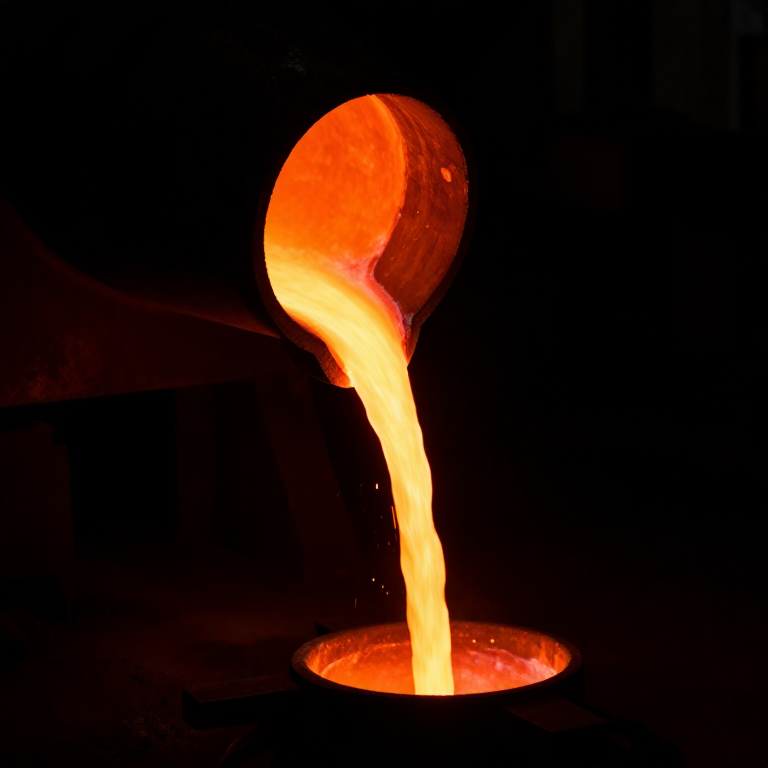


Casting Iron in a Cupola Furnace — Re-Melting Pig Iron into Finished Castings
The blast furnace makes pig iron by the tonne, but pig iron in bars is not yet a useful object. To turn it into pots, pipes, stoves, and machine frames, a foundry re-melts it and pours it into moulds — and the workhorse that does the re-melting is the cupola furnace.
A cupola is a tall iron chimney lined with firebrick, charged from the top with alternating layers of coke, pig iron, and limestone, and blown with air near its base. Unlike the blast furnace it does not smelt ore; it simply melts iron that is already made, quickly and cheaply, keeping a steady stream of molten metal ready to tap. The melting iron picks up a little carbon from the coke and runs out of the tap hole as grey cast iron.
Poured into sand moulds shaped from wooden patterns, that iron sets into castings of almost any form. Cast iron is brittle but immensely strong in compression and cheap to pour into complex shapes, which made the cupola the beating heart of Victorian industry — casting everything from cooking pots and drainpipes to the columns and machines of the factories themselves.
Зааварчилгаа
Understand the cupola
Understand the cupola
Build and line the cupola
Build and line the cupola
Энэ алхмын материал:
 Галд тэсвэртэй тоосго100 ширхэг
Шаардлагатай багаж:
 Гар хүрз
Light the coke bed
Light the coke bed
Энэ алхмын материал:
 Металлургийн кокс60 кг
Start the blast
Start the blast
Шаардлагатай багаж:
 Агаар үлээгч
Charge in layers
Charge in layers
Энэ алхмын материал:
 Цутгамал төмрийн гулдмай80 кг
 Шохойн чулууны хавтан6 кг
Melt the iron
Melt the iron
Flux off the slag
Flux off the slag
Шаардлагатай багаж:
 Зуух нээх саваа
Prepare the sand moulds
Prepare the sand moulds
Энэ алхмын материал:
 Цутгамалын элс60 кг
Шаардлагатай багаж:
 Цутгалтын хайрцаг
Tap the molten iron
Tap the molten iron
Шаардлагатай багаж:
 Цутгах шанага
Pour the castings
Pour the castings
Shake out and clean
Shake out and clean
Шаардлагатай багаж:
 Өнцгийн зүлгүүр
Identify cast iron
Identify cast iron
Материал
5- 100 ширхэгТүр орлуулагч
- 60 кгТүр орлуулагч
- Түр орлуулагч
- Түр орлуулагч
- 60 кгТүр орлуулагч
Шаардлагатай багаж
6- Түр орлуулагч
- Түр орлуулагч
- Түр орлуулагч
- Түр орлуулагч
- Түр орлуулагч
- 1 vendor sell this, none ship to you yetТүр орлуулагч
Холбогдсон загварын материал

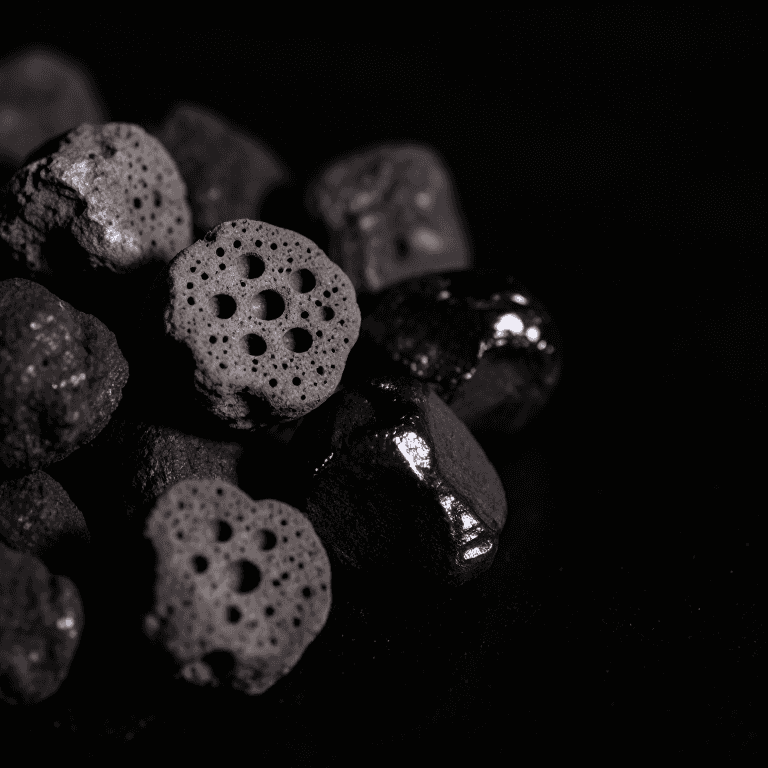
Энэ загвараар хийдэг



Холбоотой загварууд
Эдгээр загварууд мэдлэг хуваалцдаг — арга техник, материал эсвэл зарчим

CC0 Нийтийн домэйн
Энэ загвар CC0 дор гаргагдсан. Та зөвшөөрөл авахгүйгээр хуулах, өөрчлөх, түгээх, ашиглах боломжтой.
Загвараар дамжуулан бүтээгдэхүүн худалдаж авч Бүтээгчийг дэмжээрэй Бүтээгчийн шимтгэл Борлуулагчаар тогтоосон, эсвэл энэ загварын шинэ хувилбар үүсгэж орлогоо хуваахын тулд өөрийн загварт холбоос болгон оруулна уу.