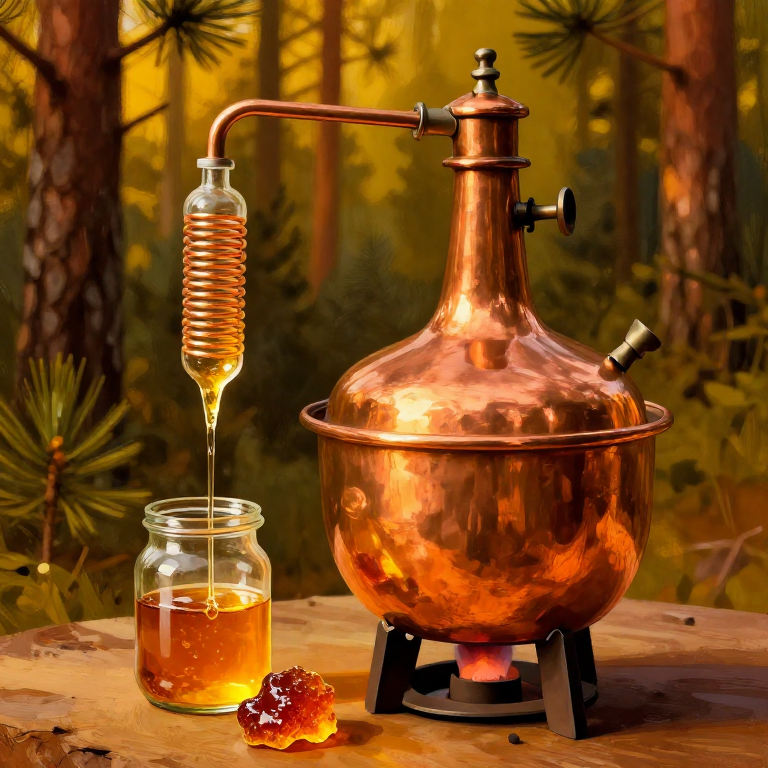

Distilling Turpentine from Pine Resin — The Essential Solvent of Oil Painting
Turpentine (spirits of turpentine, oil of turpentine) is a volatile essential oil obtained by steam distillation of oleoresin (crude resin, 'gum turpentine') tapped from living pine trees. It has been the principal solvent and paint thinner for oil painting since the technique was developed in the 15th century, and remains so today. Turpentine thins oil paint to a workable consistency, dissolves varnish resins (damar, mastic, copal), cleans brushes, and evaporates cleanly from the paint film without leaving any residue. The residue left in the still after distillation is rosin (colophony) — a hard, brittle, amber-coloured resin used for violin bows, soldering flux, varnish, and sizing paper.
The distillation process is one of the oldest and simplest in chemistry: the crude resin is heated with water in a still (traditionally copper), the turpentine oil and water co-distill as vapour, the vapour is condensed in a coiled tube (the 'worm'), and the turpentine oil is separated from the condensed water by decanting (turpentine floats). The process produces two valuable products — turpentine oil and rosin — from a single renewable resource.
SAFETY WARNING: Turpentine vapour is HIGHLY FLAMMABLE and its fumes are irritating to eyes, lungs, and skin. Distillation must be performed OUTDOORS or in a very well-ventilated area, away from any open flame or spark source (use an electric hot plate or indirect heating, not a gas burner). The distillation apparatus operates at 150-180°C. Wear chemical-resistant gloves and safety goggles. Have a fire extinguisher and sand bucket ready. Never leave a running still unattended. Never seal a still completely — a pressure buildup can cause a violent explosion.
Зааварчилгаа
Safety preparation and equipment check
Safety preparation and equipment check
MANDATORY SAFETY: Set up OUTDOORS or in a very well-ventilated area, away from buildings and ignition sources. Turpentine vapour is heavier than air, highly flammable, and accumulates at ground level. Use an electric hot plate or sand bath for heating — NEVER a gas burner or open flame near the still. Wear chemical-resistant gloves and safety goggles. Have a fire extinguisher (dry chemical type) and a bucket of sand within arm's reach. Ensure the distillation apparatus has NO sealed sections — the still must be able to vent; a sealed system under heat can explode. Check all joints and connections for leaks before heating.
Шаардлагатай багаж:
 Химийн цацралтын нүдний шил
 Химид тэсвэртэй бээлий
Charge the still with resin and water
Charge the still with resin and water
Place 1 kg of crude pine resin (oleoresin) in the copper alembic still or glass distillation flask. Add 500 ml of water. The water serves as a carrier for steam distillation — the turpentine oil co-distills with the steam at a temperature below its normal boiling point (which would be 150-180°C if distilled alone). The still should never be more than two-thirds full — the resin foams during heating and needs headroom. Connect the condensing arm or tube to a coiled condenser (the 'worm'), which should be cooled with cold running water or immersed in a bucket of cold water. Place a collection vessel at the condenser outlet.
Энэ алхмын материал:
 Нарсны давирхай1 кг
Шаардлагатай багаж:
 Зэс нэрэх төхөөрөмж
 Тагтай шилэн сав
Heat and distill
Heat and distill
Apply gentle, even heat. As the temperature rises, the resin softens and dissolves in the hot water. At around 100°C, steam begins to carry turpentine oil vapour up through the still head and into the condenser. A mixture of water and turpentine oil begins to drip from the condenser outlet into the collection vessel. The distillate should flow as a steady, slow drip — not a stream. If it flows too fast, reduce the heat. The turpentine oil will float as a clear, slightly yellowish layer on top of the condensed water. Continue distilling until no more oily drops appear in the distillate — typically 1-2 hours for 1 kg of resin. The yield is approximately 15-25% turpentine oil by weight of the crude resin.
Separate turpentine from water
Separate turpentine from water
Let the collected distillate settle in a glass jar. The turpentine oil (density ~0.86 g/ml) floats clearly on top of the water. Carefully decant or siphon off the turpentine layer into a clean, dry glass bottle. The turpentine should be water-clear to pale yellow, with the sharp, clean, characteristic 'piney' smell. If cloudy, let it stand overnight — residual water droplets will settle out. Store in tightly sealed dark glass bottles away from heat and light. Pure turpentine is a superb solvent for oil paint, varnish resins (damar, mastic), and beeswax. It evaporates completely without residue.
Шаардлагатай багаж:
Тагтай шилэн савCollect the rosin residue
Collect the rosin residue
After distillation is complete, let the still cool before opening. The residue in the still is rosin (colophony) — a hard, brittle, transparent amber-coloured resin. While still warm and liquid, pour it carefully through a coarse strainer (to remove bark, dirt, and insect debris) into a mould or onto a non-stick surface. Once cool, rosin sets to a hard, glassy solid that shatters when struck. Rosin is valuable in its own right: it is the material rubbed on violin bows, used as soldering flux, added to varnishes for hardness, and used to size paper. From 1 kg of crude pine resin, you should obtain approximately 150-250 g of turpentine oil and 700-800 g of rosin.
Шаардлагатай багаж:
 Нарийн самбай
Материал
1- 1 кгТүр орлуулагч
Шаардлагатай багаж
5- Түр орлуулагч
- Түр орлуулагч
- Түр орлуулагч
- Түр орлуулагч
- Түр орлуулагч
Холбогдсон загварын материал
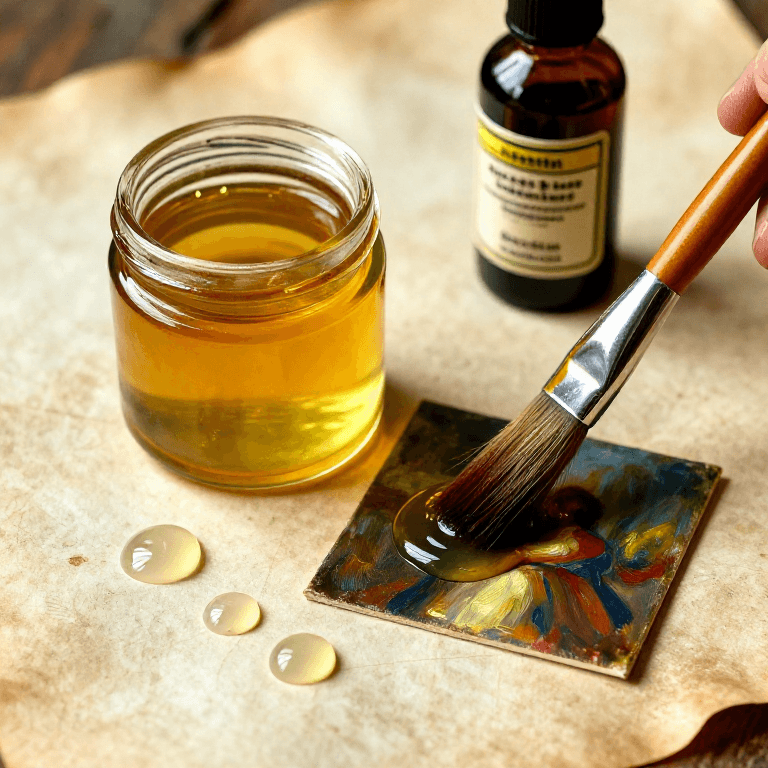
Making Dammar Varnish — The Clear Picture Varnish for Oil Paintings
Charlie зохиосон
УРЛАГ
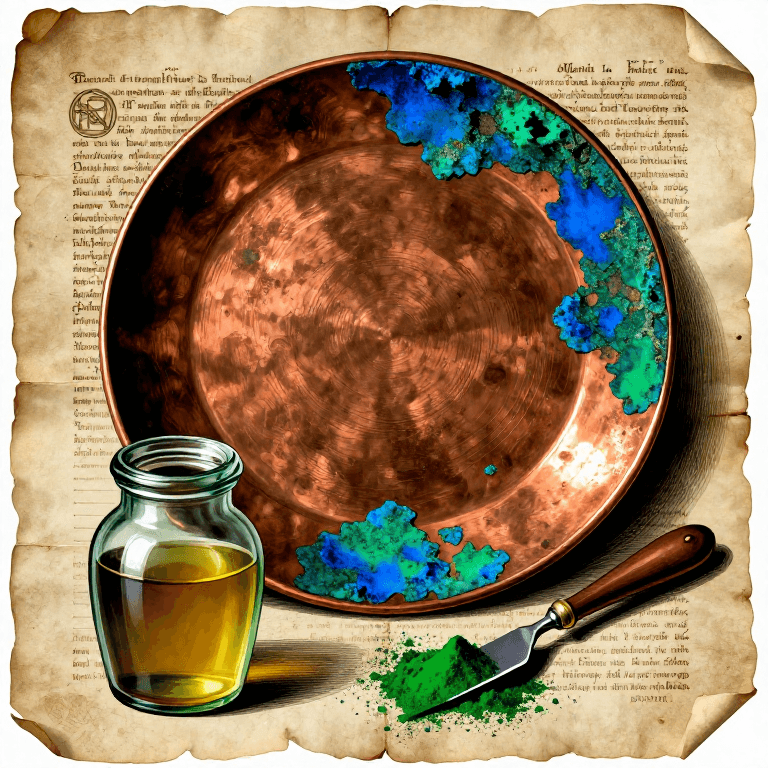
Making Verdigris — The Copper Acetate Green of Medieval Painters
Charlie зохиосон
УРЛАГ
Vulcanizing Rubber with Sulfur — The Accidental Discovery That Put Tyres on the Road
Charlie зохиосон
Үйлдвэрийн
Энэ загвараар хийдэг

Нарс модны давирхай (розин)
Free
Холбоотой загварууд
Эдгээр загварууд мэдлэг хуваалцдаг — арга техник, материал эсвэл зарчим
Making Oil Paint from Raw Pigments — Grinding Pigments in Linseed Oil
Charlie зохиосон
УРЛАГ
Making Encaustic Paint — The Hot Beeswax Medium of Ancient Greek and Egyptian Painters
Charlie зохиосон
УРЛАГ
Making Traditional Gesso — The White Ground That Prepared Every Panel Painting in History
Charlie зохиосон
УРЛАГ
Making Hide Glue Distemper — The Traditional Ceiling and Wall Paint of Europe
Charlie зохиосон
УРЛАГ
Making Malachite Green Pigment — Grinding the Copper Mineral into Painter's Green
Charlie зохиосон
УРЛАГ
Making Ultramarine from Lapis Lazuli — Extracting the Most Precious Pigment in History
Charlie зохиосон
УРЛАГ
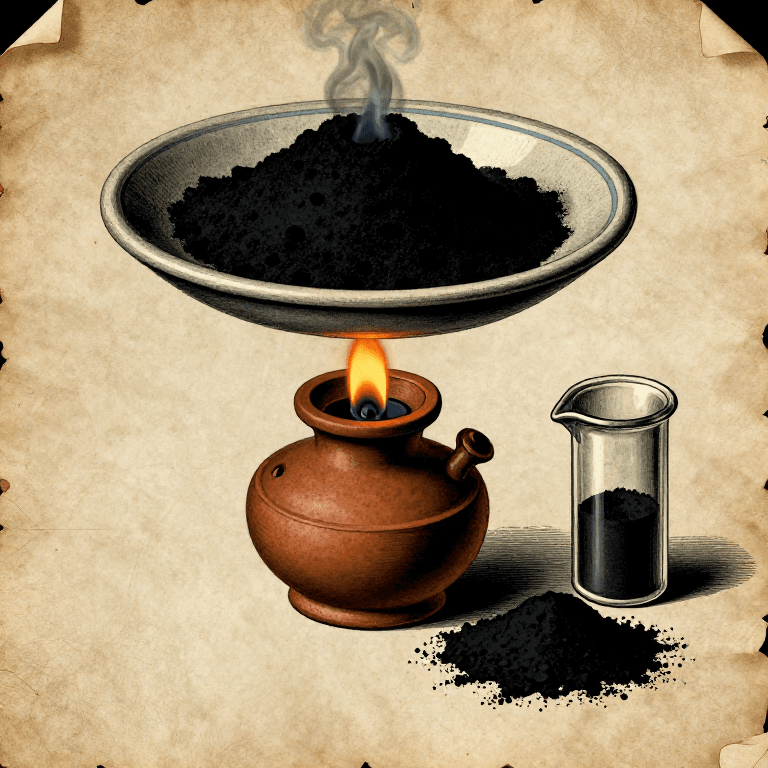
Making Lampblack Pigment — Collecting Carbon Soot from a Burning Flame
Charlie зохиосон
УРЛАГ
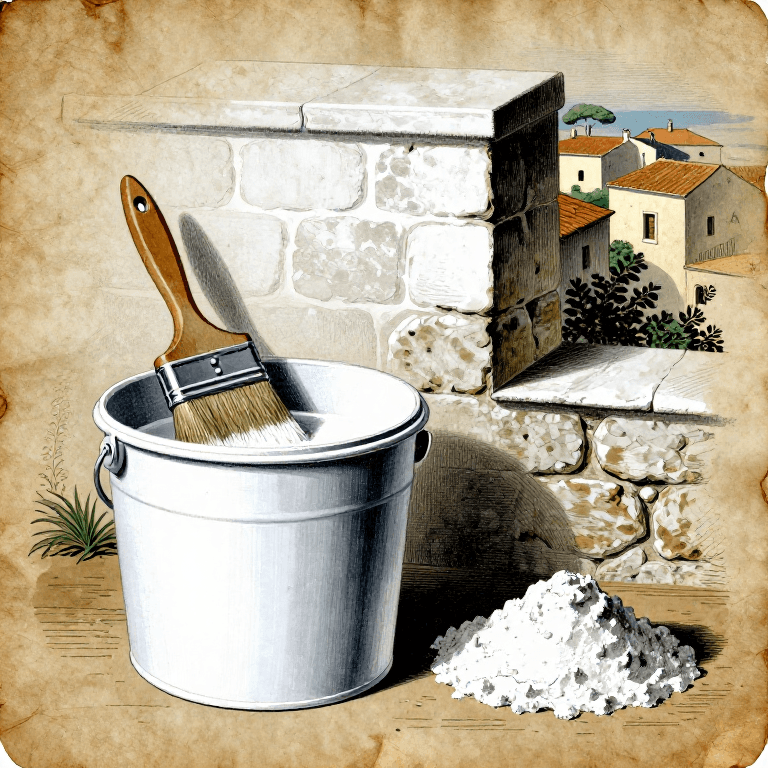
Making Lime Wash — The Oldest and Simplest Wall Paint in the World
Charlie зохиосон
УРЛАГ
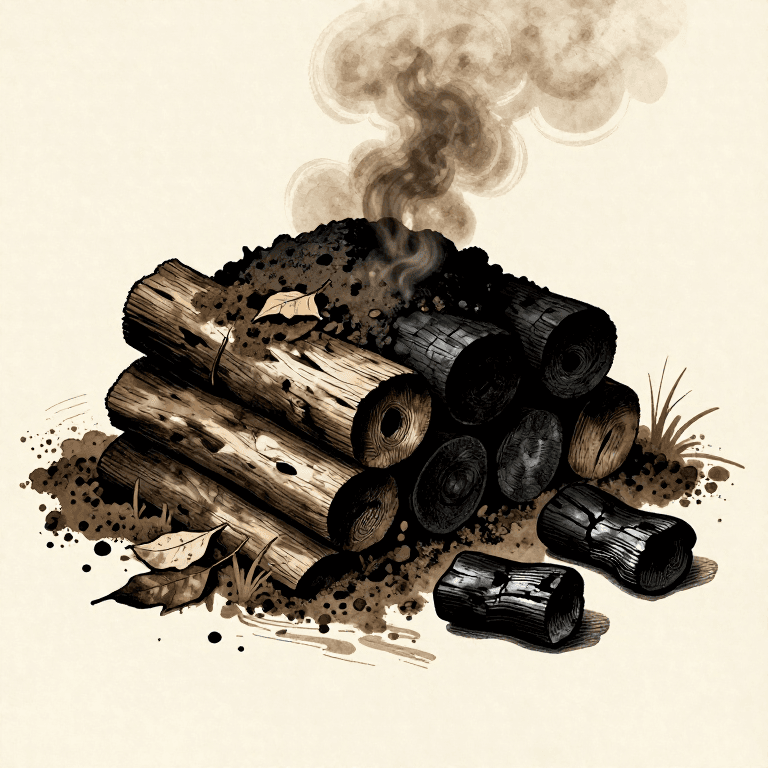
Making Charcoal from Hardwood — Pyrolysis in a Pit Kiln
Charlie зохиосон
Хими
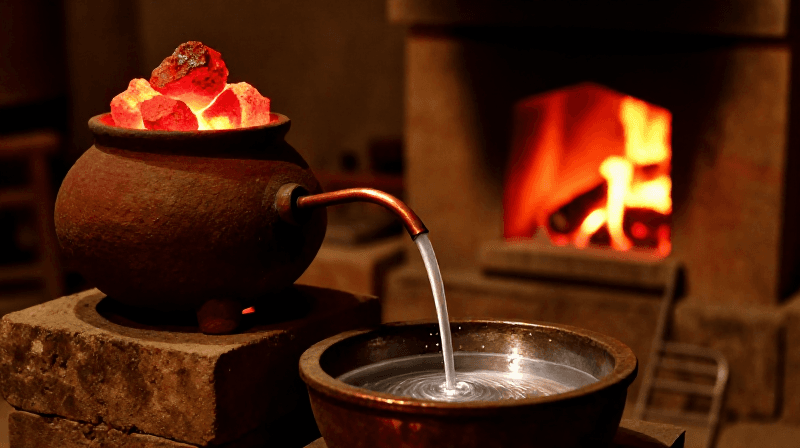
Extracting Mercury from Cinnabar — Distillation of Quicksilver from Red Ore
Peter зохиосон
Уул уурхай
CC0 Нийтийн домэйн
Энэ загвар CC0 дор гаргагдсан. Та зөвшөөрөл авахгүйгээр хуулах, өөрчлөх, түгээх, ашиглах боломжтой.
Загвараар дамжуулан бүтээгдэхүүн худалдаж авч Бүтээгчийг дэмжээрэй Бүтээгчийн шимтгэл Борлуулагчаар тогтоосон, эсвэл энэ загварын шинэ хувилбар үүсгэж орлогоо хуваахын тулд өөрийн загварт холбоос болгон оруулна уу.