УРЛАГ
ГОО САЙХАН БА ЭРҮҮЛ МЭНД
ГАРААР ХИЙСЭН
СОЁЛ БА ТҮҮХ
ҮЗВЭР НААДАМ
БАЙГАЛЬ ОРЧИН
ХООЛ БА УНДАА
УРВУУ ИНЖЕНЕРЧЛЭЛ
ШИНЖЛЭХ УХААН
СПОРТ
ТЕХНОЛОГИ
ӨМСДӨГ ХЭРЭГСЭЛ


Temperature: The Biggest Lever on Flavour, and It Is Not the Room
Fermentation is exothermic. A vigorously fermenting vessel can sit several degrees above the room it is standing in, and the temperature that matters is the one INSIDE the liquid, not the one on the wall.
That gap is why so many home ferments taste hotter and fruitier than intended. A room at 20 °C can easily mean a fermenter at 24 °C at peak activity, which for most ale yeasts is past the top of its range.
And the flavour consequences are large and one-directional. Warm fermentation produces more esters and more fusel alcohols, and once they are made they do not go away. Cool fermentation is slower and cleaner, and the choice between them is the main flavour decision available after the recipe.
Дунд шат
3 hours
Зааварчилгаа
1
1
Measure the liquid, not the air
Measure the liquid, not the air
Stick a thermometer strip on the side of the fermenter, or better, use a probe in a thermowell in the liquid. The difference between the two is exactly the measurement error this rung is about.
Expect 2 to 4 °C above ambient at the peak of a vigorous ale fermentation, and more in a large volume — a bigger vessel has less surface area relative to its contents and sheds heat more slowly.
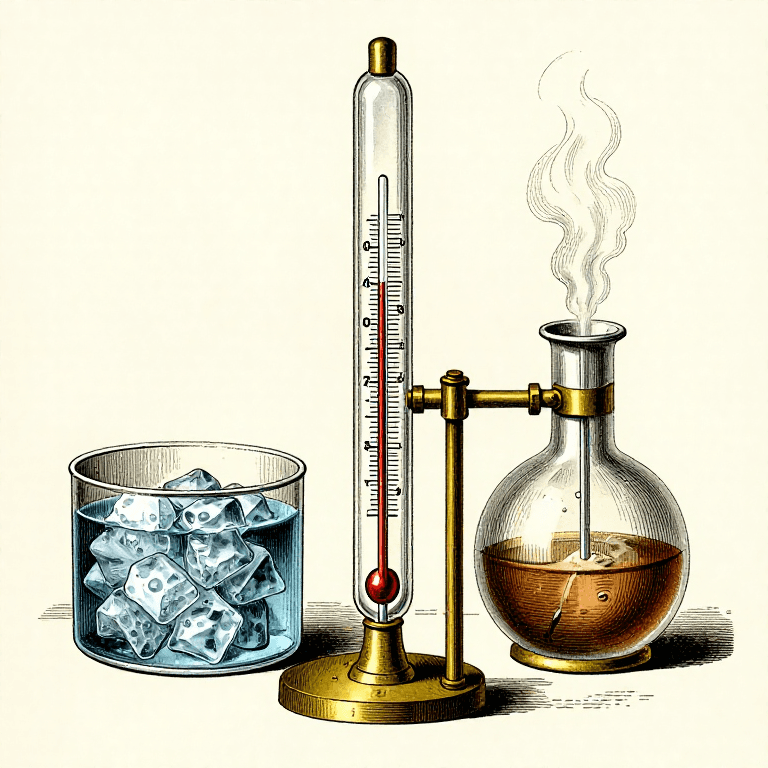
Calibrate the thermometer once against ice water and boiling water, as the Celsius rung sets out. A brewing thermometer reading two degrees high will have you fermenting warm for years without knowing.
Энэ алхмын материал:
 Ус1 литр
Шаардлагатай багаж:
 Түргэн заалттай термометр
 Хоол хийх термометр
 Хүчлийн том шил
2
2
Cool the first three days hardest
Cool the first three days hardest
Most of the heat and nearly all of the flavour compounds are produced in the first 48 to 72 hours, while the yeast is growing. Temperature control during that window is worth far more than control afterwards.
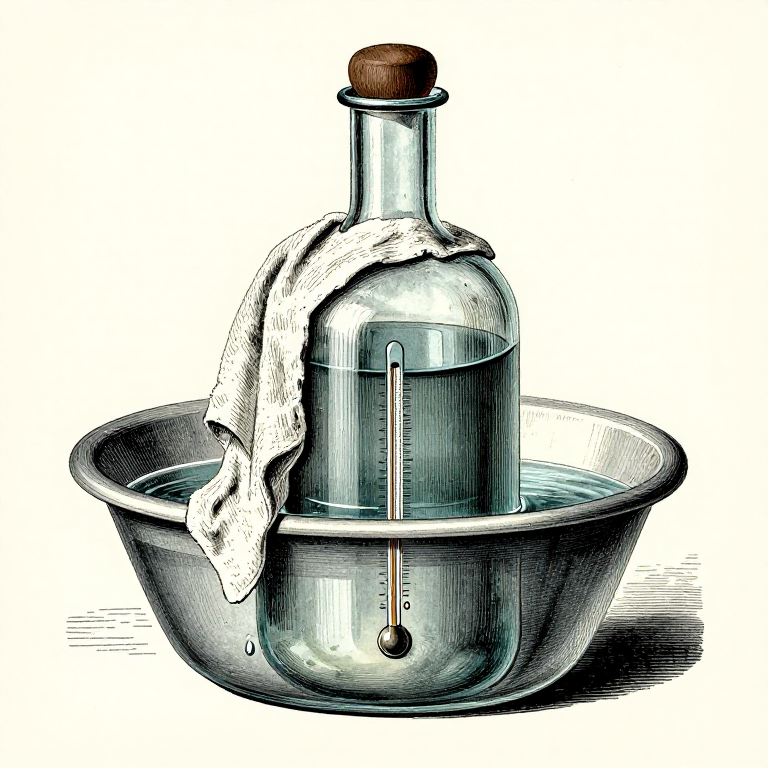
The cheapest effective method is a water bath: the fermenter standing in a tub of water with a wet towel over it. Water's heat capacity buffers the swings and evaporation from the towel cools it a degree or two below ambient.
Many brewers deliberately RAISE the temperature at the end instead, once the bulk of the sugar is gone. That encourages the yeast to clean up diacetyl and acetaldehyde without producing new esters, because growth has already finished — which is the same reasoning read backwards.
Энэ алхмын материал:
Ус2 литрШаардлагатай багаж:
Хүчлийн том шилТүргэн заалттай термометр3
3
Every yeast has a range, and it is on the packet
Every yeast has a range, and it is on the packet
Ale yeasts generally work between about 18 and 22 °C, lager yeasts between 9 and 13, and some strains — Belgian, saison, kveik — are bred for much warmer conditions and are perfectly happy at 30 °C or beyond.
Within a strain's range, the temperature is a dial. The same yeast at the bottom of its range gives a clean neutral result and at the top gives a fruity, spicy one, and many classic styles are the same strain used at different ends.
Above the range the yeast makes fusel alcohols — heavy, solventy, headache-inducing — and below it, it goes dormant and leaves the ferment stalled. Both limits are hard, and the packet states them because they matter.
Энэ алхмын материал:
 Мөөгөнцрийн өсгөвөр1 ширхэг
Шаардлагатай багаж:
Түргэн заалттай термометрХоол хийх термометр4
4
Change one thing, and brew the same recipe twice
Change one thing, and brew the same recipe twice
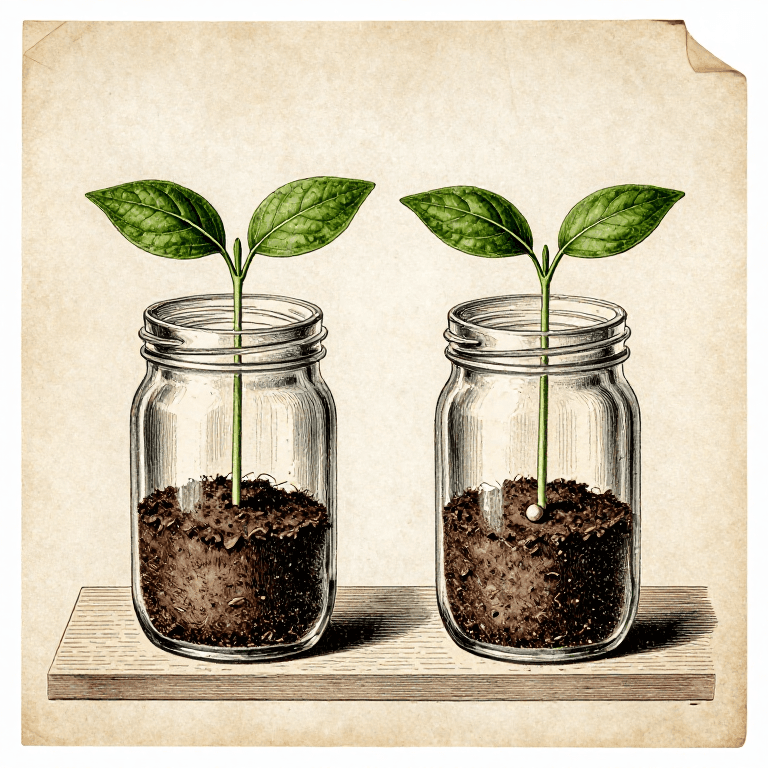
Split a batch between two vessels, ferment one warm and one cool, and taste them side by side. That single experiment teaches more about yeast than any amount of reading, and it costs one extra fermenter.
It is also a proper controlled experiment: same wort, same yeast, same pitching rate, one variable. Changing the recipe and the temperature together is what makes most home brewing un-learnable.
Log the temperature daily, not just at the start. A ferment that spiked to 26 °C on day two and settled back is indistinguishable at the end from one that never did — except in the glass, and by then the record is the only way to know.
Энэ алхмын материал:
Мөөгөнцрийн өсгөвөр1 ширхэг Хуурай соёолжны ханд1 ширхэг
Шаардлагатай багаж:
Хүчлийн том шилТүргэн заалттай термометр Исгэх нягтын хэмжүүр ба сорилтын цилиндр
Материал
3- 3 литрТүр орлуулагч
- 2 ширхэгТүр орлуулагч
- 1 ширхэгТүр орлуулагч
Холбоотой загварууд
Эдгээр загварууд мэдлэг хуваалцдаг — арга техник, материал эсвэл зарчим

CC0 Нийтийн домэйн
Энэ загвар CC0 дор гаргагдсан. Та зөвшөөрөл авахгүйгээр хуулах, өөрчлөх, түгээх, ашиглах боломжтой.
Загвараар дамжуулан бүтээгдэхүүн худалдаж авч Бүтээгчийг дэмжээрэй Бүтээгчийн шимтгэл Борлуулагчаар тогтоосон, эсвэл энэ загварын шинэ хувилбар үүсгэж орлогоо хуваахын тулд өөрийн загварт холбоос болгон оруулна уу.