УРЛАГ
ГОО САЙХАН БА ЭРҮҮЛ МЭНД
ГАРААР ХИЙСЭН
СОЁЛ БА ТҮҮХ
ҮЗВЭР НААДАМ
БАЙГАЛЬ ОРЧИН
ХООЛ БА УНДАА
УРВУУ ИНЖЕНЕРЧЛЭЛ
ШИНЖЛЭХ УХААН
СПОРТ
ТЕХНОЛОГИ
ӨМСДӨГ ХЭРЭГСЭЛ

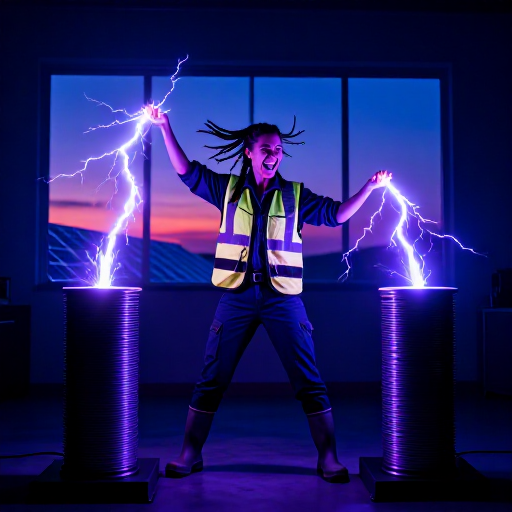

The Arc Lamp: Burning Carbons and Keeping the Gap
Two carbon rods, touched and drawn apart with a current flowing, make an arc of intense white light. The arc lamp lit streets, lighthouses and factories from the 1870s — but an arc burns its carbons away, and its gap must be kept right or it goes out.
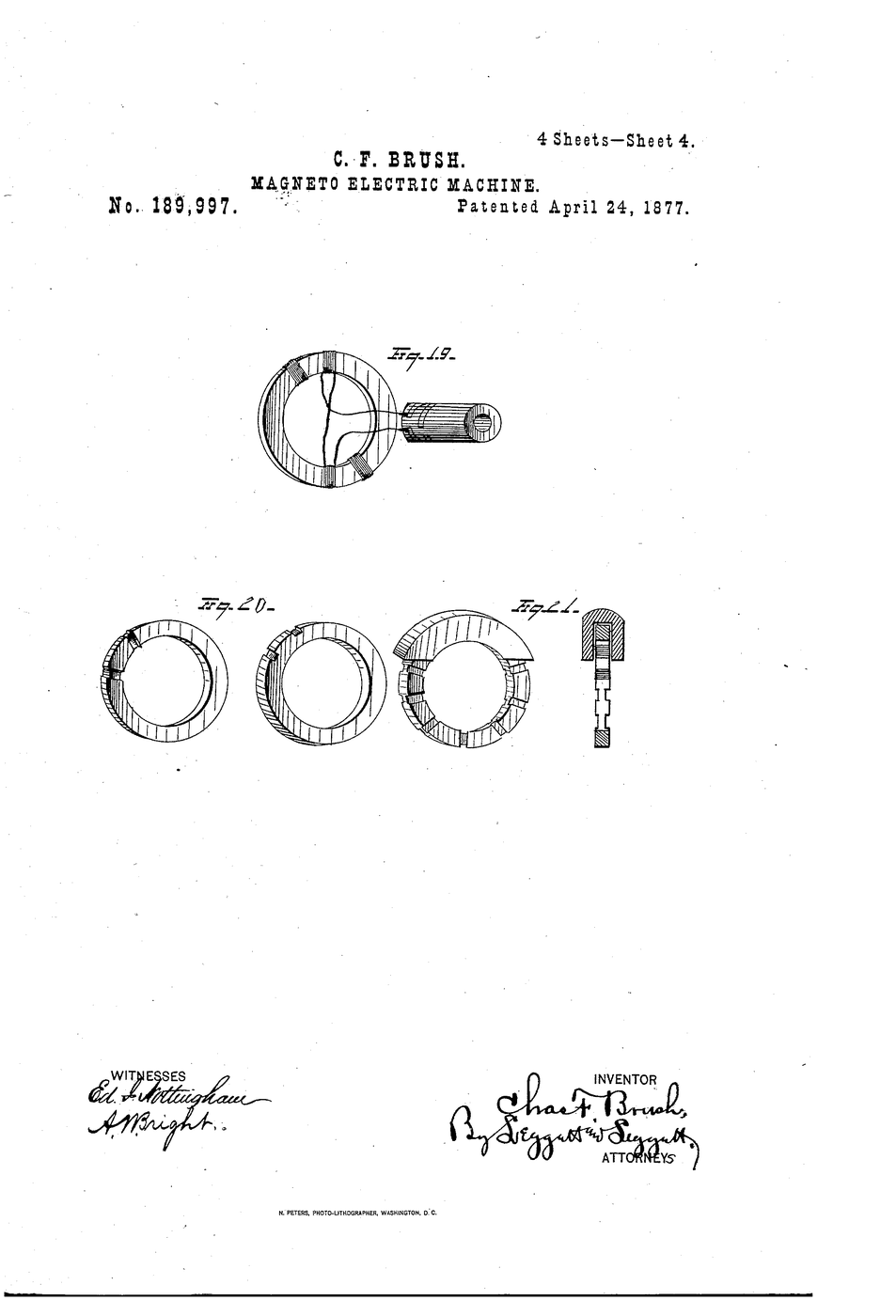
Paul Jablochkoff's 'candle' of 1876–77 did away with any regulator: two carbons stand side by side, separated by a strip of insulating material, and burn down together like a candle. Charles Brush's lamps used a series electromagnet and a clutch to feed the upper carbon down as it burned; his 1879 patent adds two sets of carbons so one lamp could burn all night.
This rung works out why an arc needs a ballast and a regulator, from Hertha Ayrton's arc equation, and builds the regulator's feedback loop at 12 V. **Do not build an arc lamp** — its ultraviolet light burns eyes and skin.
Дунд шат
About 2 hours
Зааварчилгаа
1
1
Read the two patents
Read the two patents
**US 190,864, 'Improvement in Carbons for Electric Lights', Paul Jablochkoff, Paris, dated 15 May 1877.** The carbons are placed *"vertically and parallel"* at a short distance apart, the space filled with an insulating substance that burns away with them — the aim, in his words, the *"suppression of any mechanical regulator"*. In service the candles were run on alternating current, so that both carbons burned at the same rate.
**US 219,208, 'Electric-Lamp', Charles F. Brush, Cleveland, Ohio, dated 2 September 1879.** A lamp *"having two or more sets of carbons"*, with a lifting device arranged so that *"the carbons of the two sets"* separate one after the other: when the first pair has burned away, the arc passes to the next, doubling the hours a lamp can burn without attention.
2
2
The regulator's cycle
The regulator's cycle
Blockly ажлын талбар
Loading Blockly workspace...
3
3
Why a ballast, and why a regulator
Why a ballast, and why a regulator
Jupyter дэвтэр ачаалж байна…
4
4
Build the regulator — without the arc
Build the regulator — without the arc
The regulator can be built and tested safely at 12 V with no arc at all. Mount a small push-pull solenoid vertically on a plywood stand, its plunger pointing down, and fix a short graphite rod (cut from a graphite block) to the bottom of the plunger. Below it, fix a second graphite rod to the base so the two just touch when the plunger hangs free — that is the lamp 'off'.
Wire the 12 V battery, a 10 W power resistor, the solenoid coil and the two rods all in SERIES. Close the circuit: current flows through the touching rods, the solenoid pulls the upper rod up, the contact opens, the current stops, the plunger drops and touches again. It buzzes: that is the regulator's feedback loop hunting, with nothing to hold it steady. Add a light spring or a small weight to the plunger and a drop of oil as a damper, and the buzzing slows and settles — the job Brush's clutch and dashpot did.
Keep it at 12 V. Do not try to draw an arc from mains or a welder: the light burns eyes.
Энэ алхмын материал:
 Соленоид1 ширхэг
 Графитан блок1 ширхэг
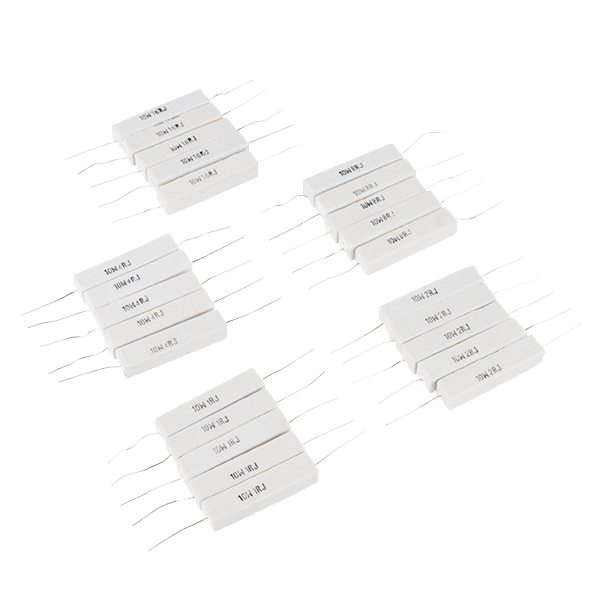 Power Resistor Kit - 10W (25 pack)1 баглаа
 Фанер хуудас1 хуудас
Шаардлагатай багаж:
 12 В гүн циклийн батарей
 Мультиметр
 Тунгалаг хамгаалалтын нүдний шил
 Матан хавчаартай туршилтын утас
5
5
History and context
History and context
Humphry Davy demonstrated the carbon arc early in the nineteenth century; it became practical only with the dynamo. Jablochkoff's candles lit the Avenue de l'Opéra in Paris in 1878, and Brush's series arc systems lit American city streets from 1879. **Hertha Ayrton**'s book *The Electric Arc* (1902) gave the equation the notebook uses.
**Honest limits.** Arc lamps are dazzling, hiss, flicker, need their carbons replaced daily and emit dangerous ultraviolet; they gave way to the incandescent lamp (the next rung) indoors and survived only where intense light was needed — searchlights, cinema projectors.
Материал
4- Түр орлуулагч
- 1 ширхэгТүр орлуулагч
- Power Resistor Kit - 10W (25 pack)10% комисс1 баглаа$5.74
- 1 хуудасТүр орлуулагч
Шаардлагатай багаж
4- 12 В гүн циклийн батарей10% комиссТүр орлуулагч
- Түр орлуулагч
- Түр орлуулагч
- Түр орлуулагч
Тооцоолсон нийт дүн
Бүтээгч юу худалдаж авсан нь. Үнэгүй харагдаж буй материалыг та худалдаж авах газраасаа олно.
Холбоотой загварууд
Эдгээр загварууд мэдлэг хуваалцдаг — арга техник, материал эсвэл зарчим



CC0 Нийтийн домэйн
Энэ загвар CC0 дор гаргагдсан. Та зөвшөөрөл авахгүйгээр хуулах, өөрчлөх, түгээх, ашиглах боломжтой.
Загвараар дамжуулан бүтээгдэхүүн худалдаж авч Бүтээгчийг дэмжээрэй Бүтээгчийн шимтгэл Борлуулагчаар тогтоосон, эсвэл энэ загварын шинэ хувилбар үүсгэж орлогоо хуваахын тулд өөрийн загварт холбоос болгон оруулна уу.