УРЛАГ
ГОО САЙХАН БА ЭРҮҮЛ МЭНД
ГАРААР ХИЙСЭН
СОЁЛ БА ТҮҮХ
ҮЗВЭР НААДАМ
БАЙГАЛЬ ОРЧИН
ХООЛ БА УНДАА
УРВУУ ИНЖЕНЕРЧЛЭЛ
ШИНЖЛЭХ УХААН
СПОРТ
ТЕХНОЛОГИ
ӨМСДӨГ ХЭРЭГСЭЛ

The Heat Pipe: Evaporation, Condensation and a Wick That Pumps
A sealed copper tube with the air pumped out, a few millilitres of water, and a wick lining the wall. Heat one end and the water there boils even at room temperature; the vapour rushes to the cool end, condenses and gives up its heat; the wick soaks the liquid back. It carries heat many times better than a solid copper rod of the same size, with nothing moving.
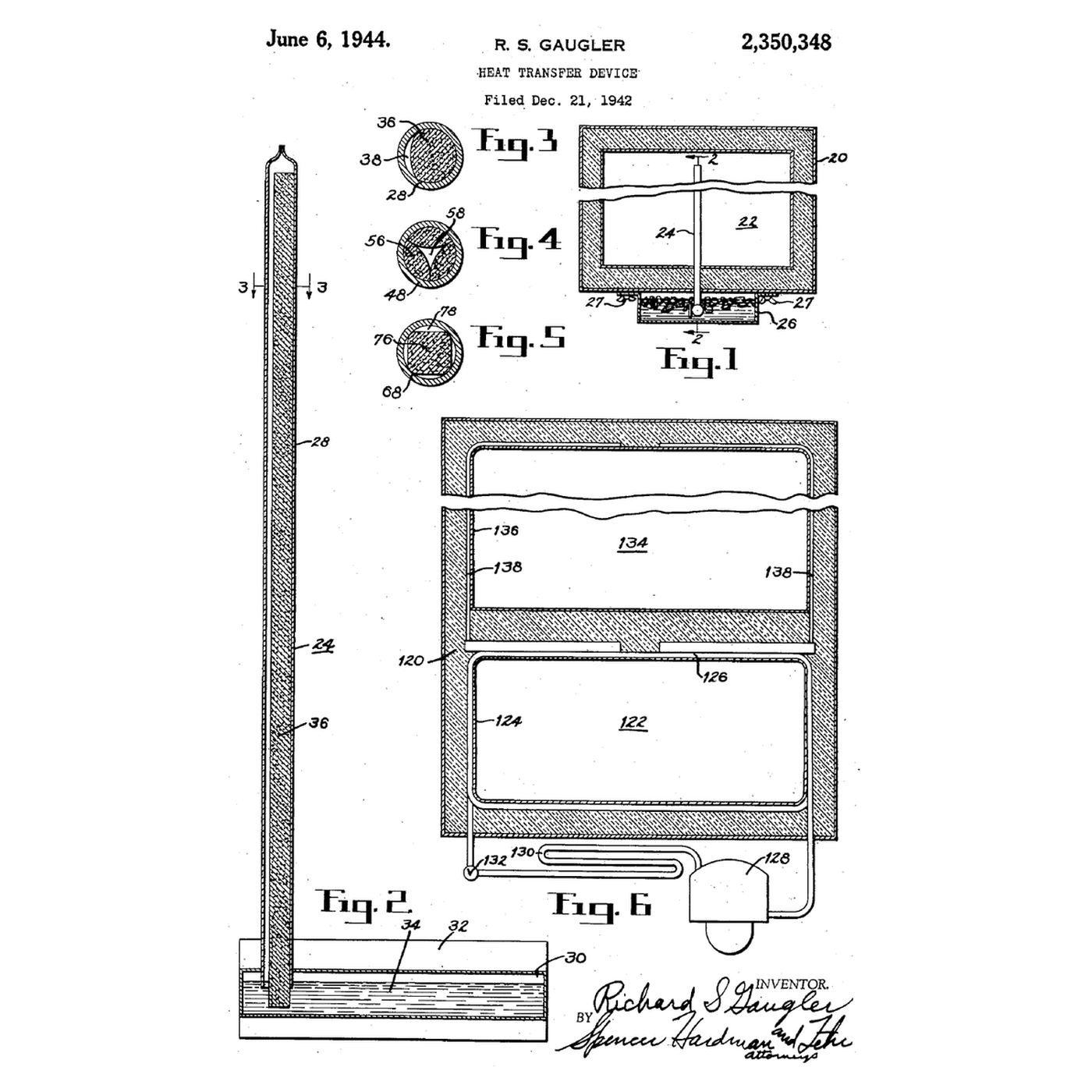
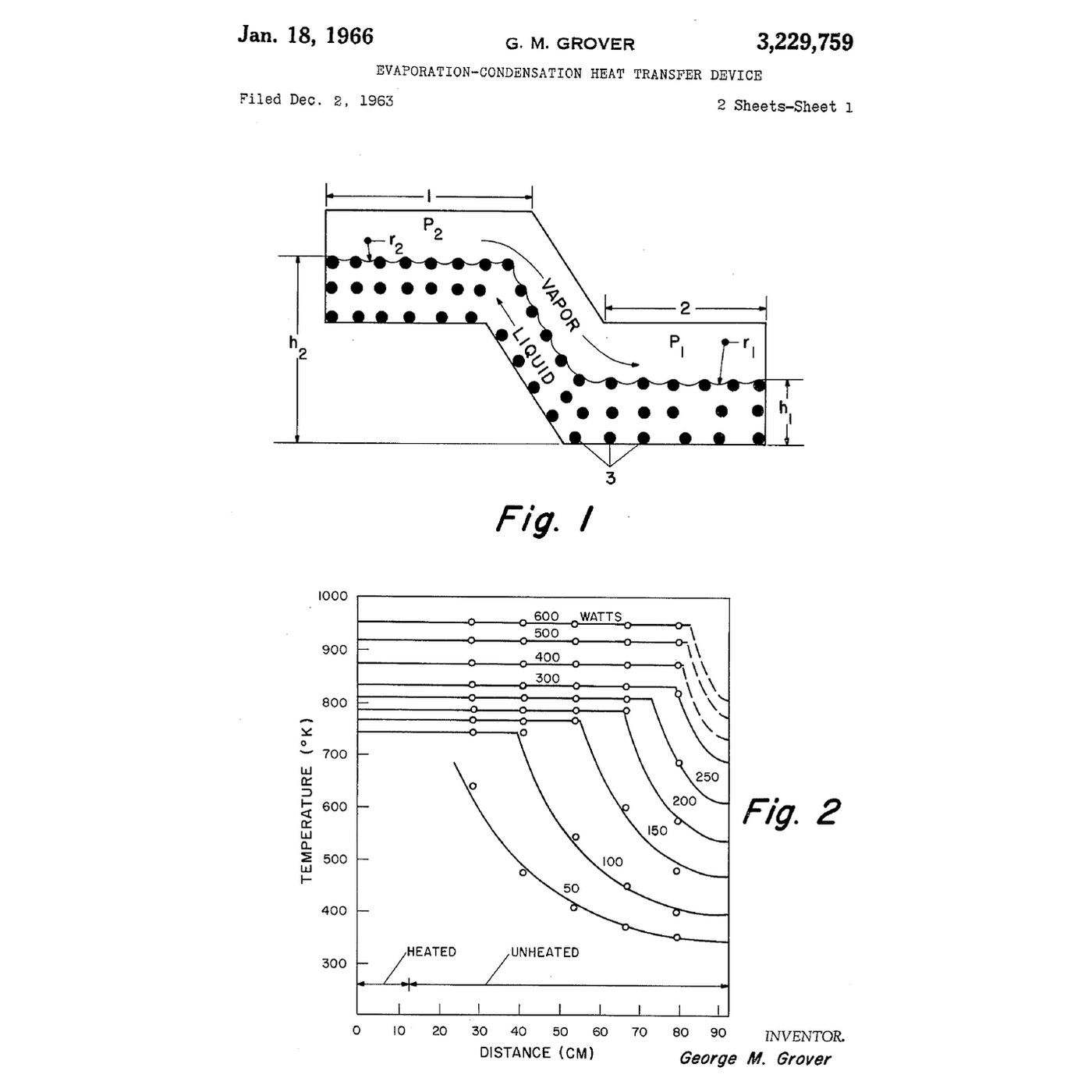
Richard Gaugler of General Motors patented the capillary-wick heat transfer device in 1944, for a refrigerator; George Grover at Los Alamos filed the patent that named and developed the heat pipe in 1963, with sodium pipes running near 1,100 K. Today one sits in almost every laptop.
This rung works out what a wick can lift, and builds a water heat pipe from copper tube and stainless mesh to race against an empty tube.
Дээд шат
About 5 hours
Зааварчилгаа
1
1
The cycle
The cycle
Blockly ажлын талбар
Loading Blockly workspace...
2
2
What the wick can lift, and what copper cannot carry
What the wick can lift, and what copper cannot carry
Jupyter дэвтэр ачаалж байна…
3
3
Make the pipe
Make the pipe
Cut 300 mm of 10 mm copper tube and two 300 mm strips of fine stainless mesh. Roll the mesh into a sleeve that springs out against the inside wall — two layers — so it touches the wall everywhere and leaves the core open.
Crimp one end flat in the vise, fold it, and seal it with solder and plumbing flux. Add about 3 ml of distilled water with a syringe: enough to wet the wick, not to fill the tube.
**Purge the air:** clamp the tube upright in the vise, open end up, and heat the bottom gently with the torch until steam jets steadily out of the top for half a minute — the steam carries the air out. Wearing gloves and goggles, crimp the open end shut in the vise while it is still steaming, then solder it. Air left inside is the commonest reason a home-made heat pipe fails (Grover's own sodium pipes had to be baked to drive out hydrogen).
Make a second tube identical in every way but empty of water — the control.
Энэ алхмын материал:
 Зэс хоолой0.6 метр
 Хүнсний зэрэглэлийн зэвэрдэггүй ганы тор0.02 sqm
 Нэрмэл ус10 мл
 Цагаан тугалга-хар тугалганы гагнуур30 г
Шаардлагатай багаж:
 Хоолой огтлогч
 Ширээний хавчаар
 Пропаны бамбар
 Арьсан ажлын бээлий
 Тунгалаг хамгаалалтын нүдний шил
 Сантехникийн флюс
4
4
Race it against the empty tube
Race it against the empty tube
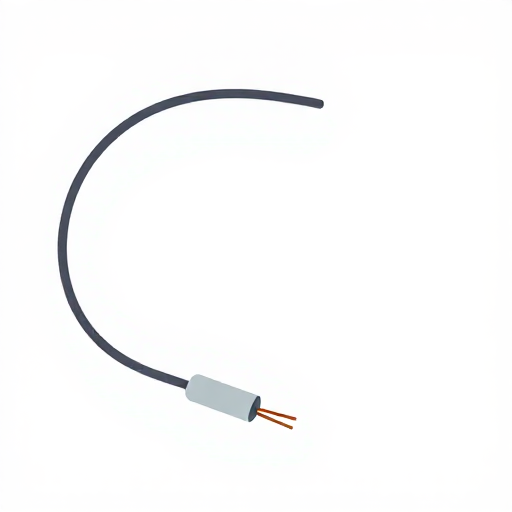
Tape a temperature probe to the top end of each tube. Stand both tubes upright with their bottom 50 mm in a jug of hot water at about 70 °C — never heat a sealed pipe with a flame again: its pressure climbs steeply above 100 °C.
Watch the two top ends. The heat pipe's top rises within seconds to within a few degrees of the water; the empty tube's top barely moves. That is the notebook's comparison, in your hand.
Now turn the heat pipe over: hot end at the TOP, dipping the upper end into a shallow tray of hot water, cold end below. The wick must now lift the liquid against gravity. Its performance drops, and if your wick is coarse or poorly seated it stops — the dry-out in the cycle's last line.
Энэ алхмын материал:
 Ус2 литр
Шаардлагатай багаж:
 Шилэн цахилгаан данх
 Хэмжих аяга
 Температурын мэдрэгч
 Гал тогооны термометр
 Секунд хэмжигч
5
5
It carries no better than copper: find out why
It carries no better than copper: find out why
The usual reasons a heat pipe does not work, in order.
Flow
Loading...
6
6
History and context
History and context
**US 2,350,348, 'Heat Transfer Device', Richard S. Gaugler of Dayton, Ohio, assignor to General Motors; filed 21 December 1942, granted 6 June 1944.** A sealed tube with a sintered *"porous capillary structure"* that carries the liquid *"upwardly or in any direction without any forced circulation and without any moving parts"* — proposed to cool the inside of a refrigerator.
**US 3,229,759, 'Evaporation-Condensation Heat Transfer Device', G. M. Grover; filed 2 December 1963, granted 18 January 1966.** Grover's specification describes a sodium pipe of 347 stainless steel, 3/4 inch outside and 5/8 inch inside, 12 inches long, with a wick of five layers of 100-mesh 304 screen and 15 g of sodium, run at about 1,100 K; it also sets out the capillary pumping condition the notebook uses.
**Honest limits.** A heat pipe works only between the freezing point and the critical point of its fluid, and best in a narrower band. It has a maximum heat load, set by the wick, above which it dries out. It fails silently if it leaks or holds air. And it moves heat; it does not get rid of it — the cold end still needs a fin or a fan.
Материал
5- 0.6 метрТүр орлуулагч
- Түр орлуулагч
- 10 млТүр орлуулагч
- Түр орлуулагч
- 2 литрТүр орлуулагч
Шаардлагатай багаж
11- Түр орлуулагч
- Түр орлуулагч
- Түр орлуулагч
- Түр орлуулагч
- Түр орлуулагч
- Түр орлуулагч
- Түр орлуулагч
- Түр орлуулагч
- 6 vendors sell this, none ship to you yetТүр орлуулагч
- Түр орлуулагч
- Түр орлуулагч
Холбоотой загварууд
Эдгээр загварууд мэдлэг хуваалцдаг — арга техник, материал эсвэл зарчим
Counterflow: The Same Area Does More When the Streams Run Opposite
Emma зохиосон
Механик
36
0
0
0
0
0
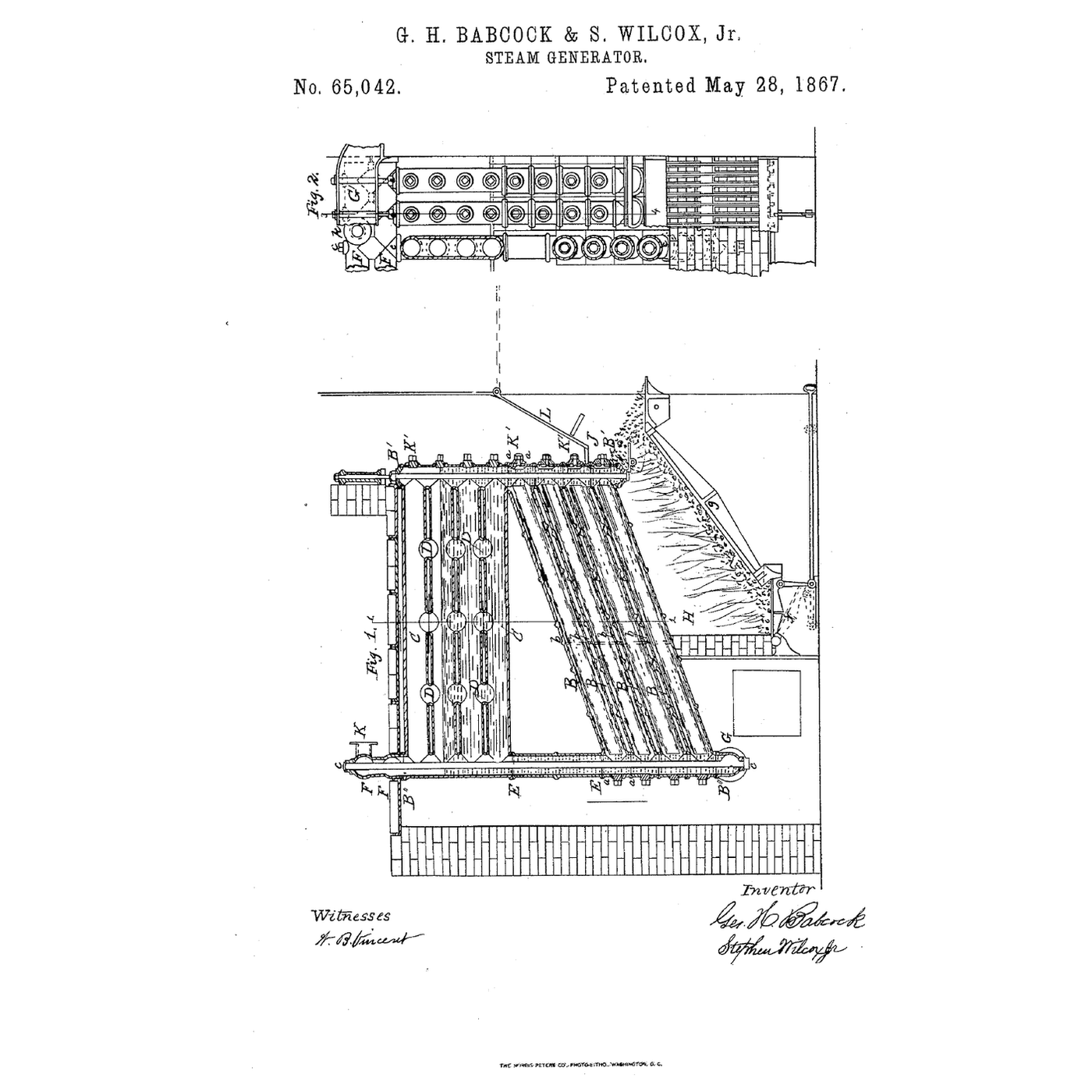
The Water-Tube Boiler: Put the Water in the Tubes
Martin зохиосон
Механик
23
0
0
0
0
0
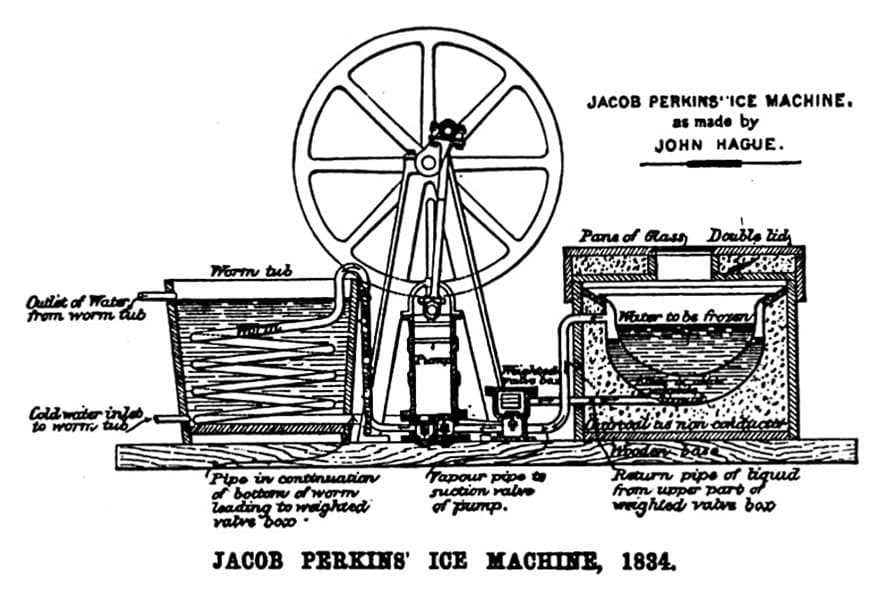
Vapour-Compression Refrigeration
Emma зохиосон
ТЕХНОЛОГИ
39
0
0
0
5
0
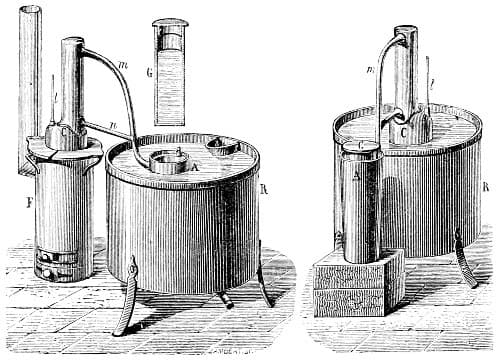
Absorption Refrigerator
Volt зохиосон
ТЕХНОЛОГИ
51
0
0
0
0
0
Soldering a Wire Joint: Not the Same Job as Soldering a Board
Volt зохиосон
ТЕХНОЛОГИ
38
0
0
0
0
0
Regenerative Cooling
Emma зохиосон
Сансар
76
0
0
0
0
0
CC0 Нийтийн домэйн
Энэ загвар CC0 дор гаргагдсан. Та зөвшөөрөл авахгүйгээр хуулах, өөрчлөх, түгээх, ашиглах боломжтой.
Загвараар дамжуулан бүтээгдэхүүн худалдаж авч Бүтээгчийг дэмжээрэй Бүтээгчийн шимтгэл Борлуулагчаар тогтоосон, эсвэл энэ загварын шинэ хувилбар үүсгэж орлогоо хуваахын тулд өөрийн загварт холбоос болгон оруулна уу.