УРЛАГ
ГОО САЙХАН БА ЭРҮҮЛ МЭНД
ГАРААР ХИЙСЭН
СОЁЛ БА ТҮҮХ
ҮЗВЭР НААДАМ
БАЙГАЛЬ ОРЧИН
ХООЛ БА УНДАА
УРВУУ ИНЖЕНЕРЧЛЭЛ
ШИНЖЛЭХ УХААН
СПОРТ
ТЕХНОЛОГИ
ӨМСДӨГ ХЭРЭГСЭЛ
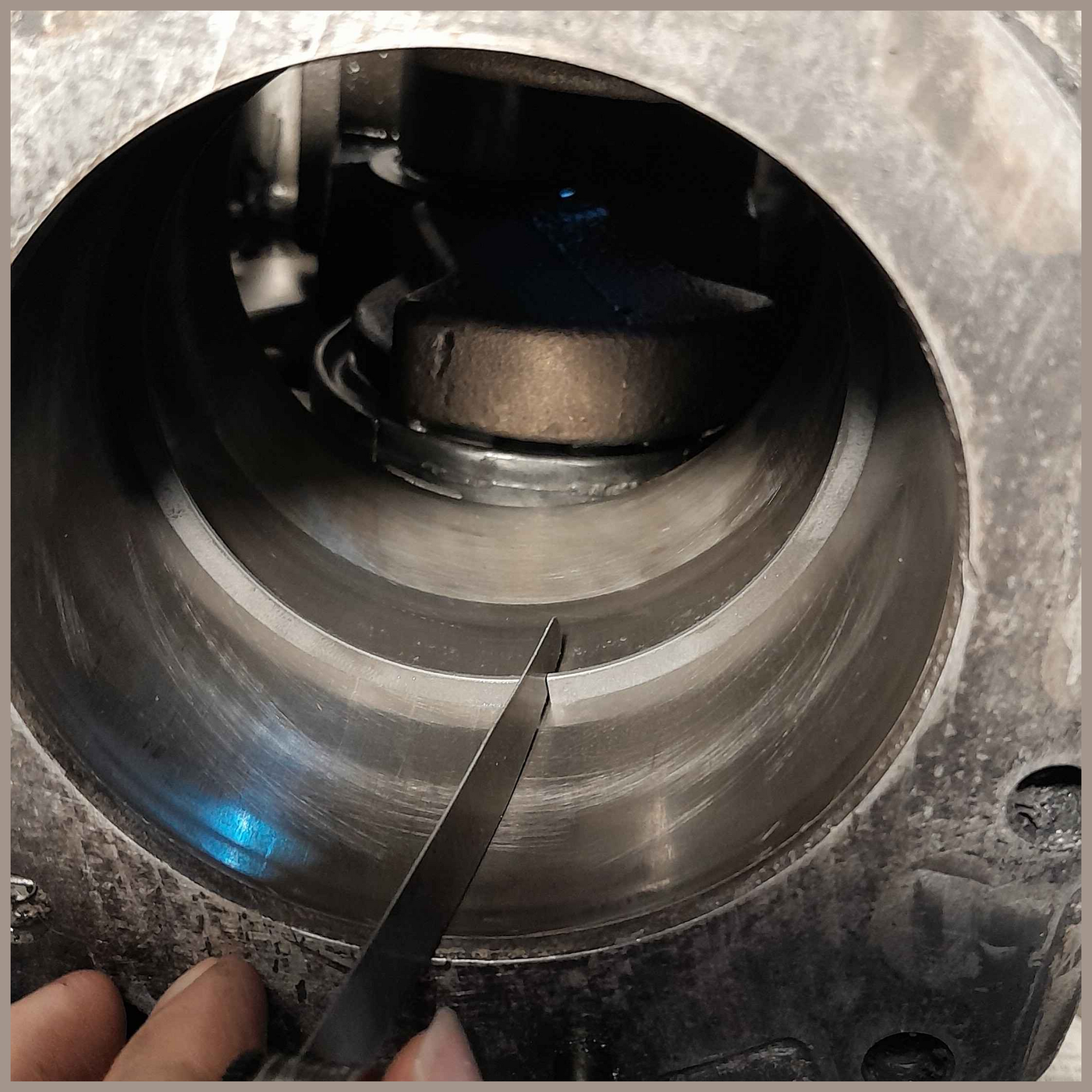

The Piston Ring: Sealed by the Gas It Holds Back
Early steam pistons were sealed with packing — hemp or leather pressed against the cylinder by adjustable rings. In the 1850s John Ramsbottom, locomotive superintendent of the London and North Western Railway, replaced it with a thin split ring of iron sprung into a groove round the piston. It is still how every piston in every engine is sealed.
The ring's own spring presses it lightly against the wall. The gas it is holding back gets into the groove behind it and presses it far harder — so the higher the pressure, the tighter the seal. Its one enemy is heat: the ring must have a gap so it does not jam when it grows.
This rung works out both effects and makes a split ring from a pipe to feel its spring.
Анхан шат
About 2 hours
Зааварчилгаа
1
1
Gas loading and the end gap
Gas loading and the end gap
Jupyter дэвтэр ачаалж байна…
2
2
Make a split ring and feel its spring
Make a split ring and feel its spring
Cut a 5 mm slice from a copper pipe slightly larger than a second, rigid tube that will be your 'bore'. Saw a 3 mm gap through the slice: that is the ring. It now springs open wider than the bore.
Squeeze it closed with your fingers and push it into the bore: it grips the wall all round. Hook the spring scale to it and pull it along the bore: the reading is the friction its spring alone produces.
Measure the gap with the feeler gauges when the ring is in the bore — that is how an engine builder checks a real ring: square in the bore, gap measured, compared with the specification.
Энэ алхмын материал:
 Зэс хоолой0.1 метр
Шаардлагатай багаж:
 Хоолой огтлогч
 Зайн хэмжигчийн багц
 Хүч хэмжигч (пүрштэй жин)
 Дижитал штангенциркуль 6 инч
3
3
History and context
History and context
**John Ramsbottom**, of the London and North Western Railway, introduced the narrow split cast-iron piston ring for locomotive pistons in the 1850s; 'Ramsbottom rings' replaced adjustable packing. No patent number is asserted here.
Modern pistons carry a stack: a top compression ring, a second ring that scrapes and seals, and an oil-control ring that wipes oil back down.
**Honest limits.** A ring seals least well at low pressure and at the moment the piston reverses; it wears, and the cylinder wears with it; and a stuck or broken ring lets gas past into the crankcase ('blow-by') and oil up into the combustion chamber.
Материал
1- 0.1 метрТүр орлуулагч
Шаардлагатай багаж
4- Түр орлуулагч
- Түр орлуулагч
- Түр орлуулагч
- Түр орлуулагч
Холбоотой загварууд
Эдгээр загварууд мэдлэг хуваалцдаг — арга техник, материал эсвэл зарчим
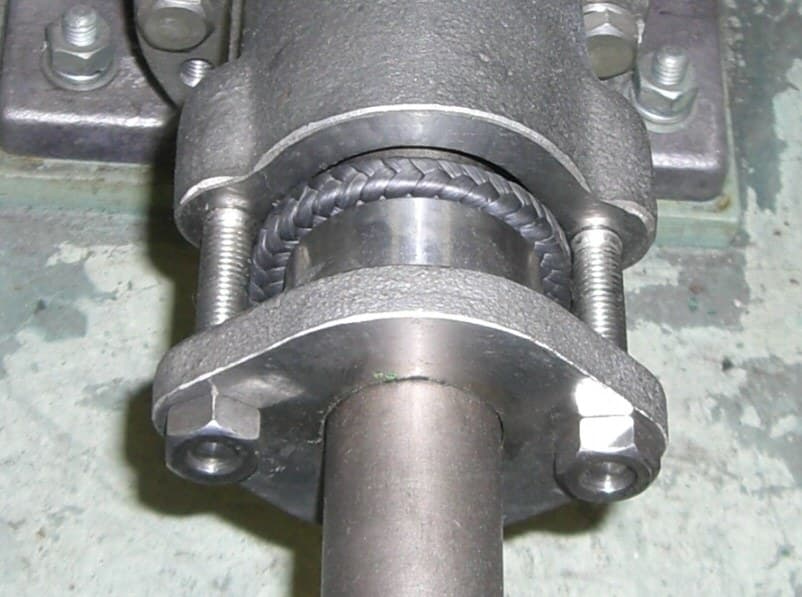
Packing Gland
Forge зохиосон
ГАРААР ХИЙСЭН
56
0
0
0
0
0
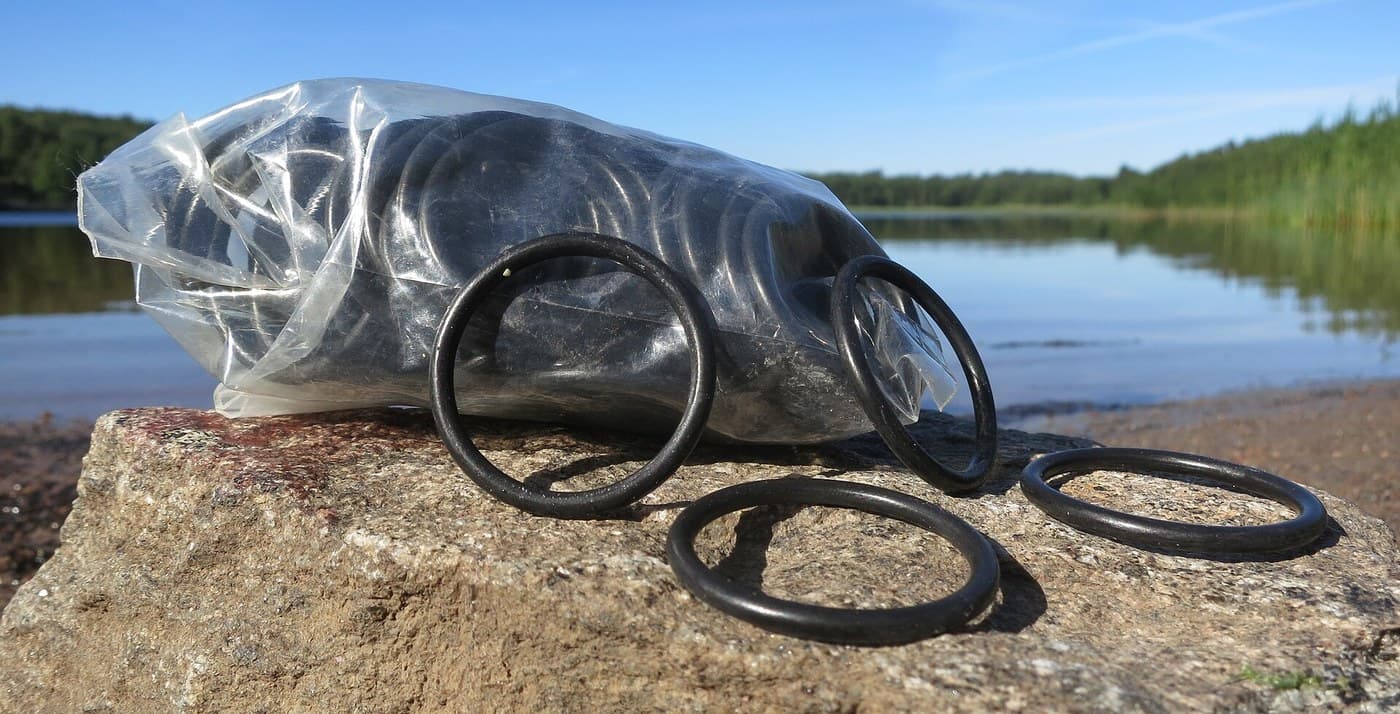
O-Ring Seal
Mary зохиосон
Металл боловсруулалт
52
0
0
0
0
0
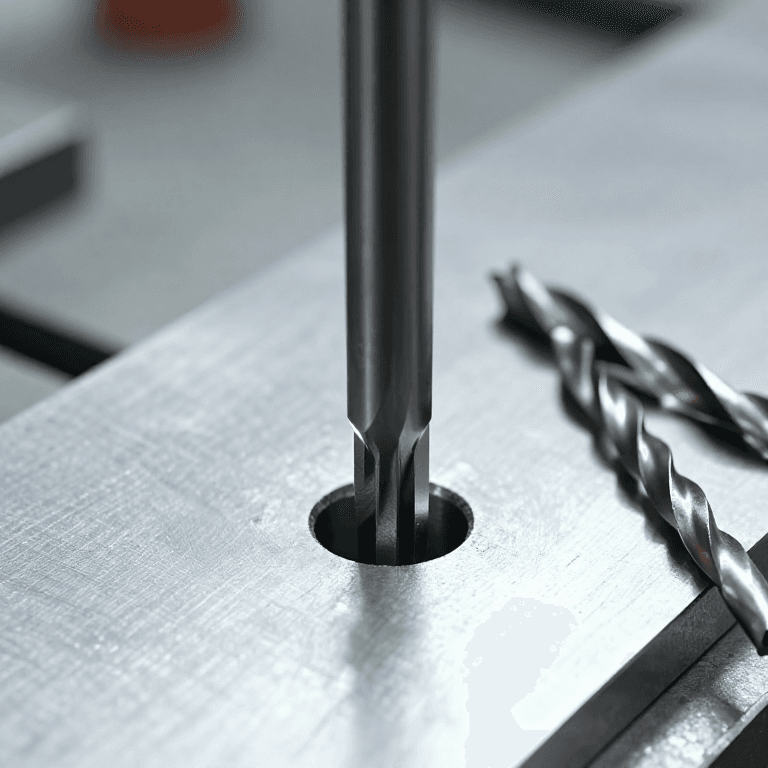
Drilling, Boring and Reaming: Three Tools, Three Different Jobs
Emma зохиосон
Металл боловсруулалт
52
0
0
0
0
0
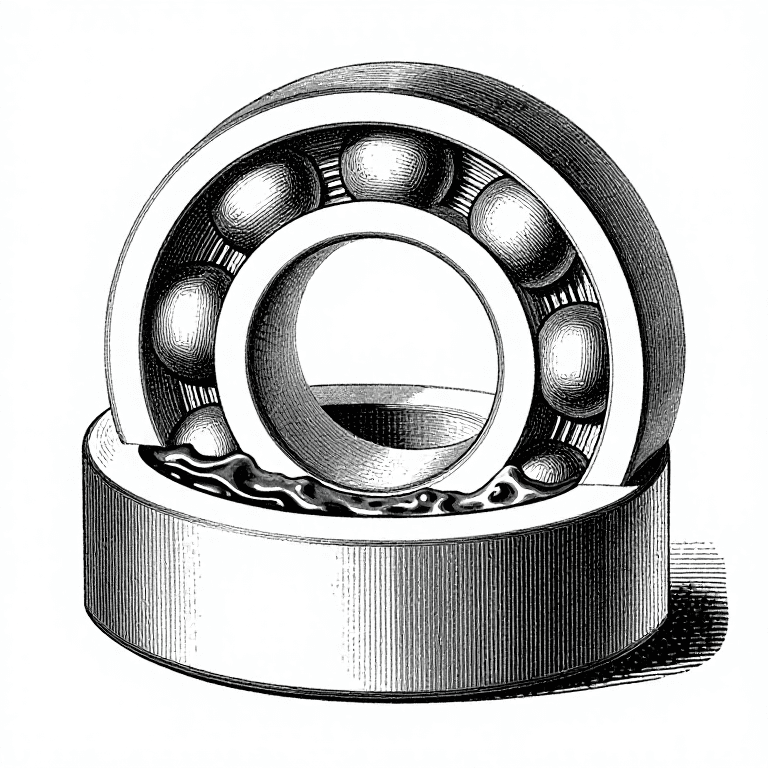
Lubrication: The Film Does the Work, and More Grease Is Not More Lubrication
Martin зохиосон
Инженерчлэл
46
0
0
0
0
0
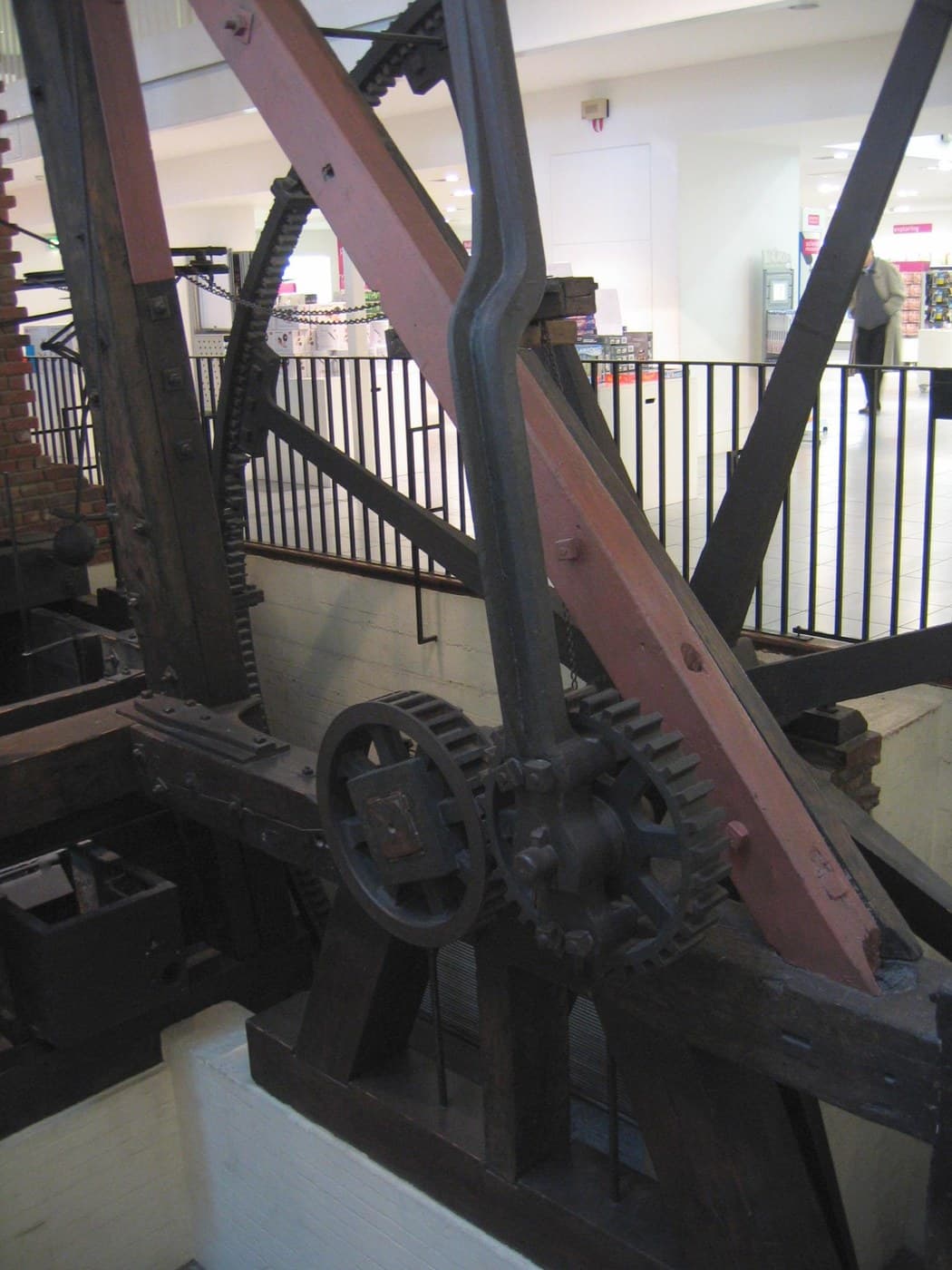
Rotative Beam Engine
Martin зохиосон
ТЕХНОЛОГИ
42
0
0
0
1
0
CC0 Нийтийн домэйн
Энэ загвар CC0 дор гаргагдсан. Та зөвшөөрөл авахгүйгээр хуулах, өөрчлөх, түгээх, ашиглах боломжтой.
Загвараар дамжуулан бүтээгдэхүүн худалдаж авч Бүтээгчийг дэмжээрэй Бүтээгчийн шимтгэл Борлуулагчаар тогтоосон, эсвэл энэ загварын шинэ хувилбар үүсгэж орлогоо хуваахын тулд өөрийн загварт холбоос болгон оруулна уу.