УРЛАГ
ГОО САЙХАН БА ЭРҮҮЛ МЭНД
ГАРААР ХИЙСЭН
СОЁЛ БА ТҮҮХ
ҮЗВЭР НААДАМ
БАЙГАЛЬ ОРЧИН
ХООЛ БА УНДАА
УРВУУ ИНЖЕНЕРЧЛЭЛ
ШИНЖЛЭХ УХААН
СПОРТ
ТЕХНОЛОГИ
ӨМСДӨГ ХЭРЭГСЭЛ
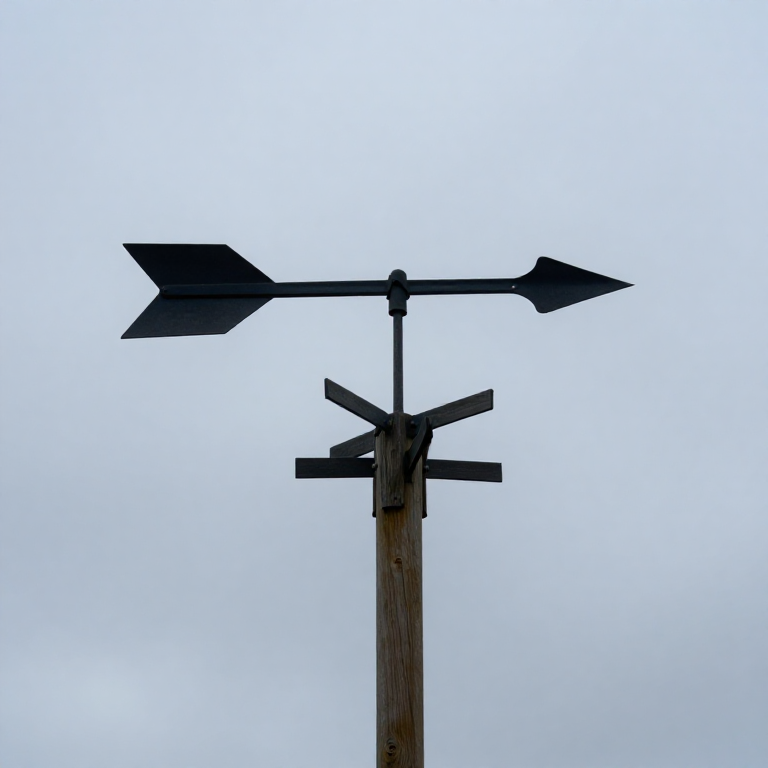


The Wind Vane: Measuring Direction and Gust
The anemometers already published here measure how fast the wind blows. This rung measures where it comes from — which, for forecasting, is the more useful half.
A vane is a fin on a bearing with more area behind the pivot than in front, so it weathercocks into the wind. That sounds trivial and is not: a vane that is too light chases every eddy and never settles, one that is too heavy lags real shifts, and one balanced wrongly sits at an angle in a steady breeze. The behaviour you want is a specific amount of damping, and it is a design choice.
By convention the direction reported is where the wind comes FROM. A northerly is cold and from the north; the same air moving would be called a southward flow by anyone else. It is a genuine trap and it has reversed more amateur observations than any other rule.
Дунд шат
1 day
Зааварчилгаа
1
1
Get the balance and the area right
Get the balance and the area right
Make the tail broad and the nose short and weighted, then balance the whole assembly on the pivot so it sits level with no wind.
Area behind the pivot produces the turning moment; mass in front brings the centre of gravity onto the pivot so gravity does not bias it. An unbalanced vane reads a false direction that changes as the mast settles out of plumb — and because the bias is constant, it looks exactly like a genuine prevailing wind.
Энэ алхмын материал:
 Фанер хуудас1 хуудас
 Модон дэгээ (дюбель)2 ширхэг
Шаардлагатай багаж:
 Гар хөрөө
 Элсэн цаас
2
2
Use a real bearing, mounted vertically
Use a real bearing, mounted vertically
Run the spindle in a ball bearing, or at minimum a hard point in a cup, and mount the mast truly vertical.
Friction sets the lightest wind the vane can respond to — the starting threshold — and a stiff bearing means your record simply has no data below about 2 metres per second. A mast out of plumb makes the vane drift toward the downhill side whenever the wind drops, which fills calm periods with a fictitious direction.
Энэ алхмын материал:
 Бөмбөлөгт холхивч2 ширхэг
Шаардлагатай багаж:
 Шугам
Шугам3
3
Orient the fixed points to TRUE north
Orient the fixed points to TRUE north
Fix the cardinal markers by true north, found from the sun at local noon or from a compass corrected for your local magnetic declination.
Declination reaches well over ten degrees in many places and it changes slowly year on year. An uncorrected vane reports every wind rotated by that amount, consistently, and no amount of careful reading will reveal it. Write the declination you used and the date in the station notebook.
Энэ алхмын материал:
 Зузаан цаас4 ширхэг
Шаардлагатай багаж:
 Луужин (компас)
4
4
Mount it high and clear, and say how high
Mount it high and clear, and say how high
The standard is 10 metres above open ground. Few gardens allow that; mount as high and as clear as you safely can, and record the actual height and the surroundings.
Wind speed and direction both change with height and with obstacles, so a reading at 3 metres in a garden is a real measurement of a different thing, not a bad measurement of the standard one. The notebook turns it from an anecdote into data by saying exactly what was measured.
Энэ алхмын материал:
Модон дэгээ (дюбель)2 ширхэг Цайрдсан хадаас20 ширхэг
Шаардлагатай багаж:
 Соронзон хэмжих туузан шугам
 Хумстай балт
5
5
Record the mean and the range, over a stated period
Record the mean and the range, over a stated period
Watch for a full ten minutes, and record both the average direction and the range it swung through — for example 'WSW, varying 230 to 270'.
A single instantaneous direction is nearly meaningless because wind is gusty by nature. The RANGE is itself information: a narrow range means a steady airstream and often a settled situation, while a wide, wandering range often means light winds and a col, where the next day is hardest to forecast.
Шаардлагатай багаж:
 Секунд хэмжигч
6
6
Damping, thresholds and reading a wind rose
Damping, thresholds and reading a wind rose
Jupyter дэвтэр ачаалж байна…
Материал
5- 1 хуудасТүр орлуулагч
- 2 ширхэгТүр орлуулагч
- Түр орлуулагч
- 4 ширхэгТүр орлуулагч
- 20 ширхэгТүр орлуулагч
Шаардлагатай багаж
7- Түр орлуулагч
- Түр орлуулагч
- Түр орлуулагч
- Түр орлуулагч
- 1 vendor sell this, none ship to you yetТүр орлуулагч
- Түр орлуулагч
- Түр орлуулагч
Холбоотой загварууд
Эдгээр загварууд мэдлэг хуваалцдаг — арга техник, материал эсвэл зарчим
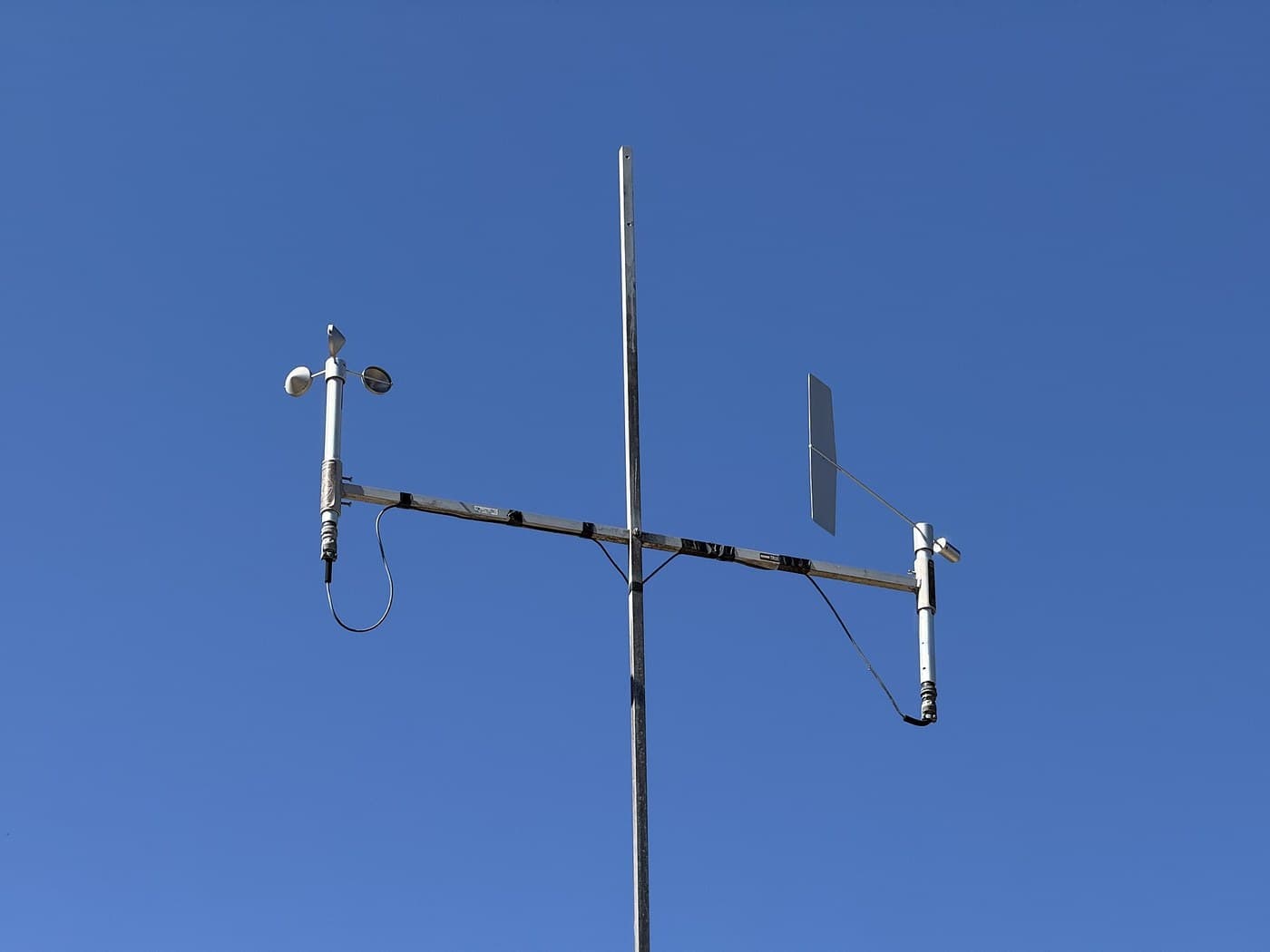
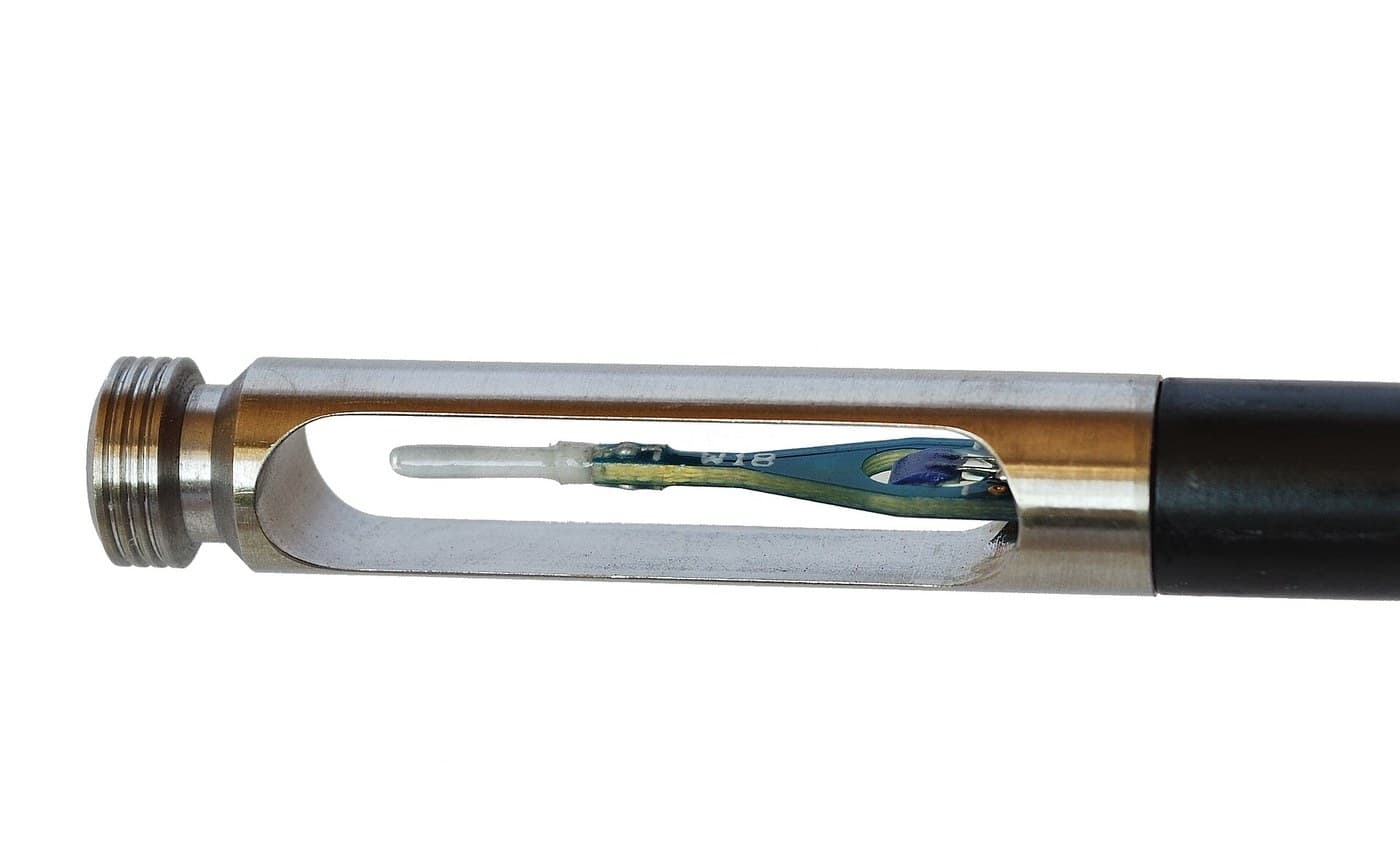

CC0 Нийтийн домэйн
Энэ загвар CC0 дор гаргагдсан. Та зөвшөөрөл авахгүйгээр хуулах, өөрчлөх, түгээх, ашиглах боломжтой.
Загвараар дамжуулан бүтээгдэхүүн худалдаж авч Бүтээгчийг дэмжээрэй Бүтээгчийн шимтгэл Борлуулагчаар тогтоосон, эсвэл энэ загварын шинэ хувилбар үүсгэж орлогоо хуваахын тулд өөрийн загварт холбоос болгон оруулна уу.