ARTE
BELLEZA Y BIENESTAR
ARTESANÍA
CULTURA E HISTORIA
ENTRETENIMIENTO
MEDIO AMBIENTE
COMIDA Y BEBIDAS
INGENIERÍA INVERSA
CIENCIAS
DEPORTES
TECNOLOGÍA
TECNOLOGÍA VESTIBLE
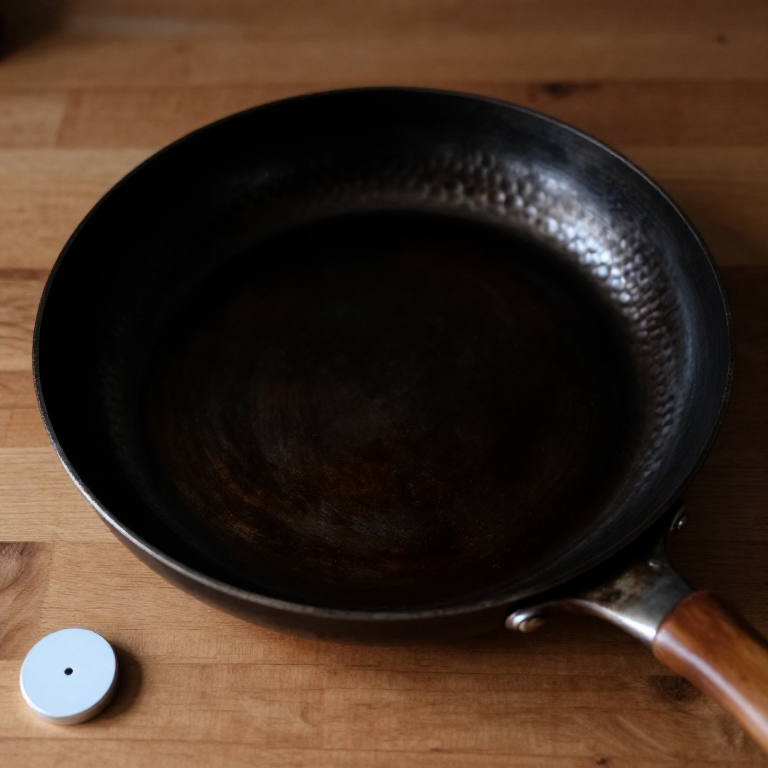


Carbon-Steel Pan and Its Seasoning
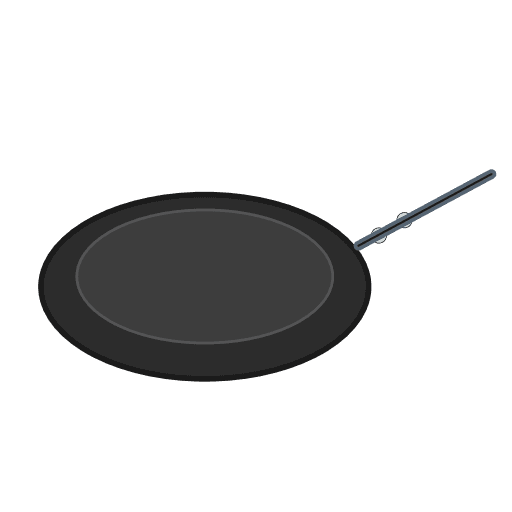
The hob in this batch heats the PAN, not the food, so the pan is half the appliance - and the catalogue had no cookware at all. A carbon-steel pan is the plainest version: a disc of plain steel, shaped, then given the film that makes it usable. That film is not oil but a polymer, made in your own oven from a drying oil the way varnish sets on wood.
**No patent is cited**: pans are older than patents, and the seasoning is craft knowledge, not a claimed invention. What it needs is stating accurately, which this does.
**Use plain, uncoated steel only.** Galvanised sheet gives off zinc fumes when heated and must never be used for cookware. Season with a food oil - not hardware-shop boiled linseed oil, which carries metal driers.
Intermedio
5 hours over two days
Instrucciones
1
1
Cut a disc
Cut a disc
Mark a 200 mm circle on 2 mm plain (not galvanised, not coated) mild steel sheet and cut it out with the angle grinder. Round the edge with a file until it is safe to hold.
Materiales para este paso:
 Chapa de acero dulce1 pieza
Herramientas necesarias:
 Amoladora angular
 Lima para metal
 Gafas de seguridad transparentes
 Guantes de soldador
2
2
Dish it
Dish it
Work from the centre outwards with the ball-peen hammer over a shallow hollow in a block, turning the disc as you go, until it has a 10 mm dish. Stop before the edge ripples.
Herramientas necesarias:
 Martillo de bola
 Regla
Regla3
3
Back to bare metal
Back to bare metal
Scour both faces with steel wool until the surface is uniform grey with no mill scale, rust or oil. Wash, dry over heat, and weigh on the precision scale.
Herramientas necesarias:
 Báscula digital de precisión
 Mascarilla antipolvo
 Lana de acero - n.º 1 media
4
4
Season, thin and hot
Season, thin and hot
Wipe on a few drops of cooking oil and then wipe it off again, so the metal only looks faintly damp. Bake at 230 °C for one hour with the window open, cool, weigh. Repeat four times. Thick coats go sticky and flake - that is the commonest mistake.
Materiales para este paso:
 Aceite de cocina20 ml
Herramientas necesarias:
 Horno tostadorBáscula digital de precisión
 Termómetro infrarrojo
 Papel de cocina
5
5
Three tests
Three tests
Water: a drop should bead and run, not wet the surface. Rust: leave a bare offcut and the seasoned pan damp overnight and compare. Food: fry an egg with a little oil on a hot pan and see whether it releases.
Materiales para este paso:
 Huevo1 pieza
Herramientas necesarias:
Termómetro infrarrojo6
6
Will a hob see it?
Will a hob see it?
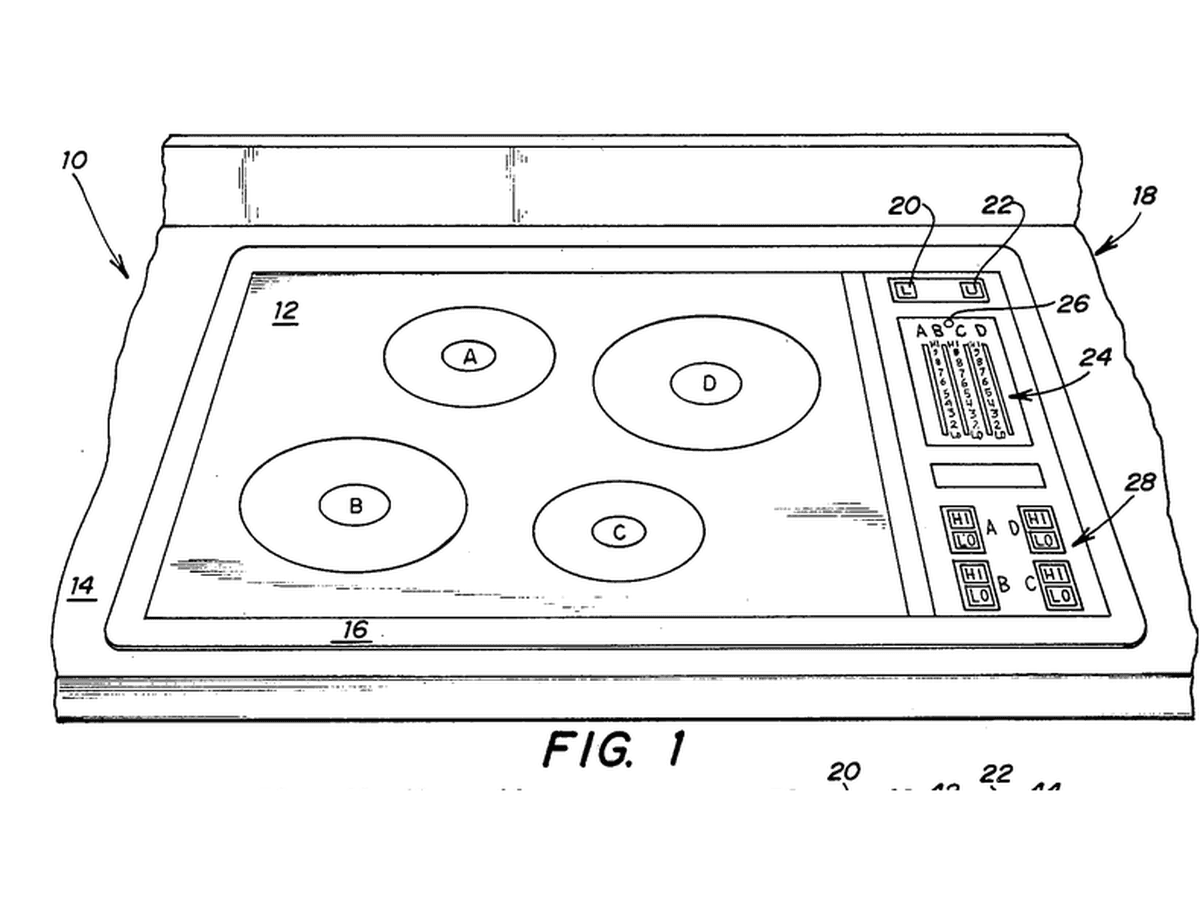
Hold a magnet to the base: it grips, because plain steel is ferromagnetic. That is the whole requirement of an induction hob - and why the aluminium pan in this batch's hob blueprint does nothing.
Herramientas necesarias:
 Juego de imanes de neodimio
7
7
Coats, siblings and heat
Coats, siblings and heat
Cargando el cuaderno de Jupyter…
8
8
History & Context
History & Context
**What this is:** the cookware rung the hob needs - plain ferromagnetic steel, given a polymerised-oil surface. **How it relates:** the film is a drying oil cross-linked by heat, the same chemistry as the resins in batch 97; PTFE is the industrial answer to the same problem.
Carbon steel is what restaurant pans and woks are made of, and a seasoning is repairable at home - scour it back and bake it again. Its limits: it rusts if left wet, acidic food strips the film, and the seasoning must be rebuilt now and then.
Materiales
3- 1 piezaMarcador de posición
- 20 mlMarcador de posición
- 1 piezaMarcador de posición
Herramientas requeridas
13- 1 vendor sell this, none ship to you yetMarcador de posición
- Marcador de posición
- Marcador de posición
- Marcador de posición
- Marcador de posición
- Marcador de posición
- Marcador de posición
- Marcador de posición
- Marcador de posición
- Marcador de posición
- Marcador de posición
- Marcador de posición
- Marcador de posición
Este plano hace
Blueprints relacionados
Estos blueprints comparten conocimiento — técnicas, materiales o principios

CC0 Dominio público
Este Blueprint se publica bajo CC0. Eres libre de copiar, modificar, distribuir y usar este trabajo para cualquier propósito, sin pedir permiso.
Apoya al Maker comprando productos a través de su Blueprint, donde gana una Comisión del Maker establecida por los vendedores, o crea una nueva iteración de este Blueprint e inclúyela como conexión en tu propio Blueprint para compartir ingresos.