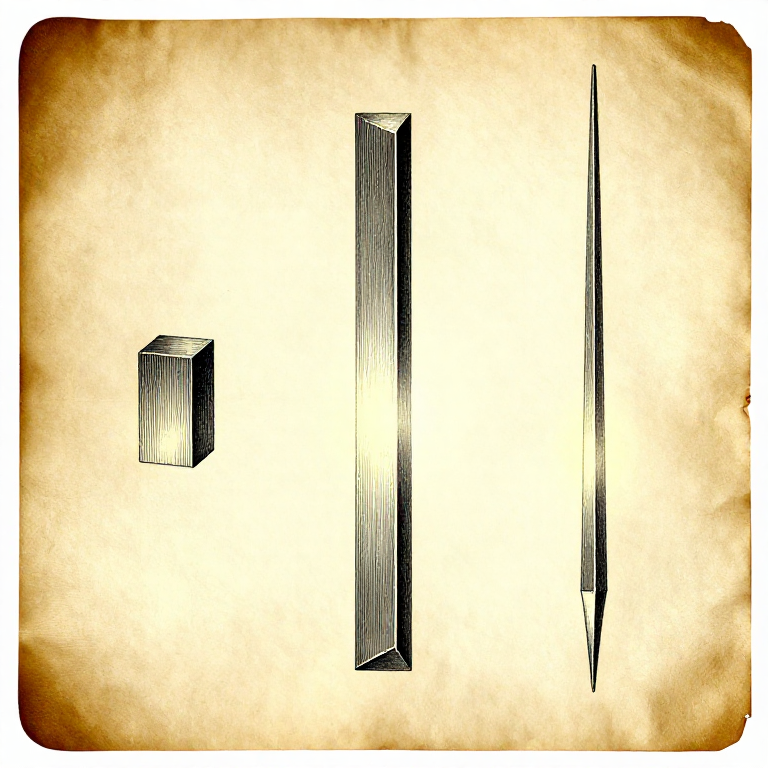

Drawing Out: Making It Longer by Making It Thinner
Instrucciones
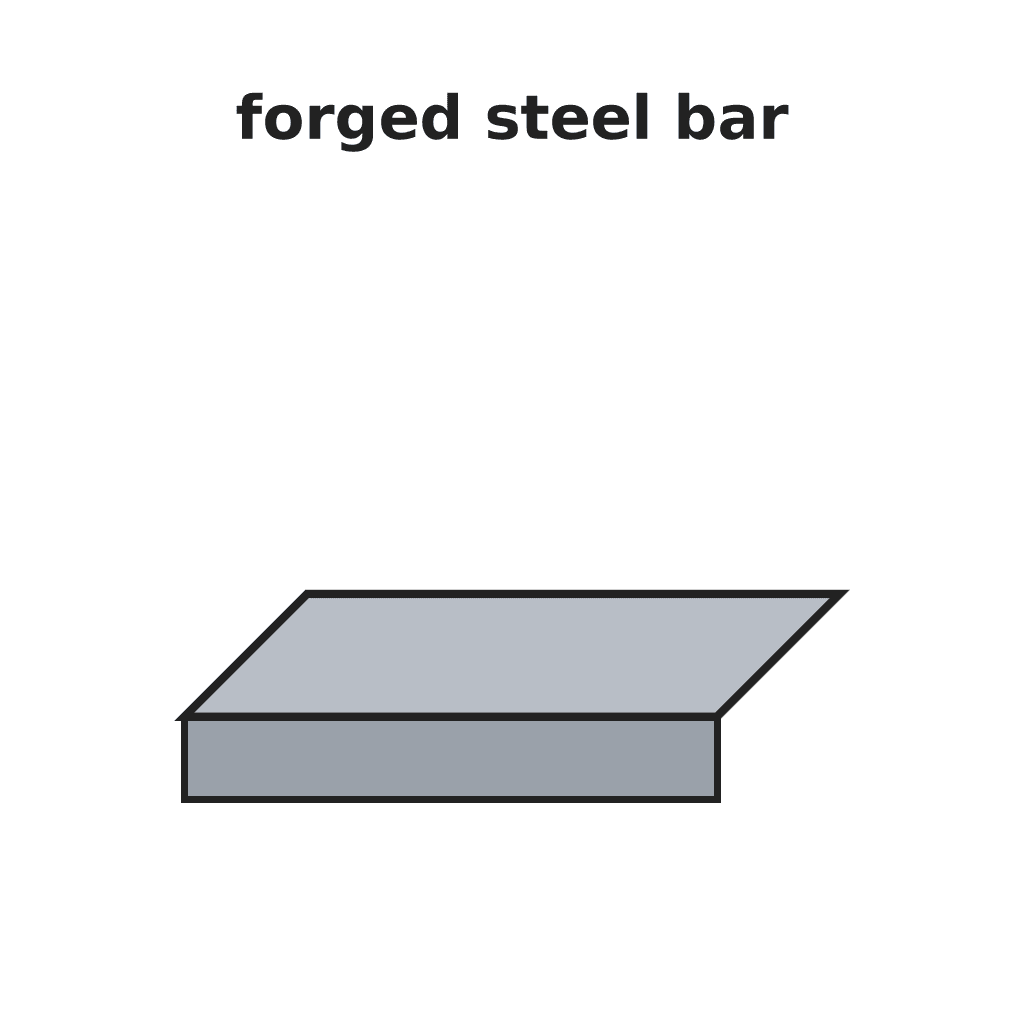
Volume is conserved — so plan the stock first
Volume is conserved — so plan the stock first
Materiales para este paso:
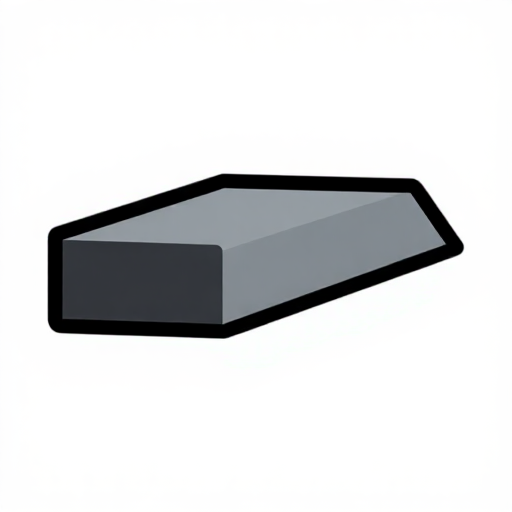 Barra de acero dulce1 pieza
Herramientas necesarias:
 Calculadora
 Regla
ReglaWork over the horn or the edge, not the flat
Work over the horn or the edge, not the flat
Materiales para este paso:
Barra de acero dulce1 pieza Carbón vegetal1 pieza
Herramientas necesarias:
 Yunque
 Fuller (degolladera)
 Herramienta fuller
 Martillo de herrero
Turn it 90 degrees every few blows
Turn it 90 degrees every few blows
Materiales para este paso:
Barra de acero dulce1 piezaHerramientas necesarias:
Martillo de herreroYunque Tenazas de herrero
 Martillo de redondear
Work the hot part, and stop when it dulls
Work the hot part, and stop when it dulls
Materiales para este paso:
Barra de acero dulce1 piezaCarbón vegetal2 piezasHerramientas necesarias:
 Fragua de herreroTenazas de herreroMartillo de herrero
 Gafas oscuras de fragua
Materiales
2- 1 piezaMarcador de posición
- 2 piezasMarcador de posición
Herramientas requeridas
10- Marcador de posición
- Marcador de posición
- Marcador de posición
- Marcador de posición
- Marcador de posición
- Marcador de posición
- Marcador de posición
- Marcador de posición
- Marcador de posición
- Marcador de posición
Este plano hace
Blueprints relacionados
Estos blueprints comparten conocimiento — técnicas, materiales o principios
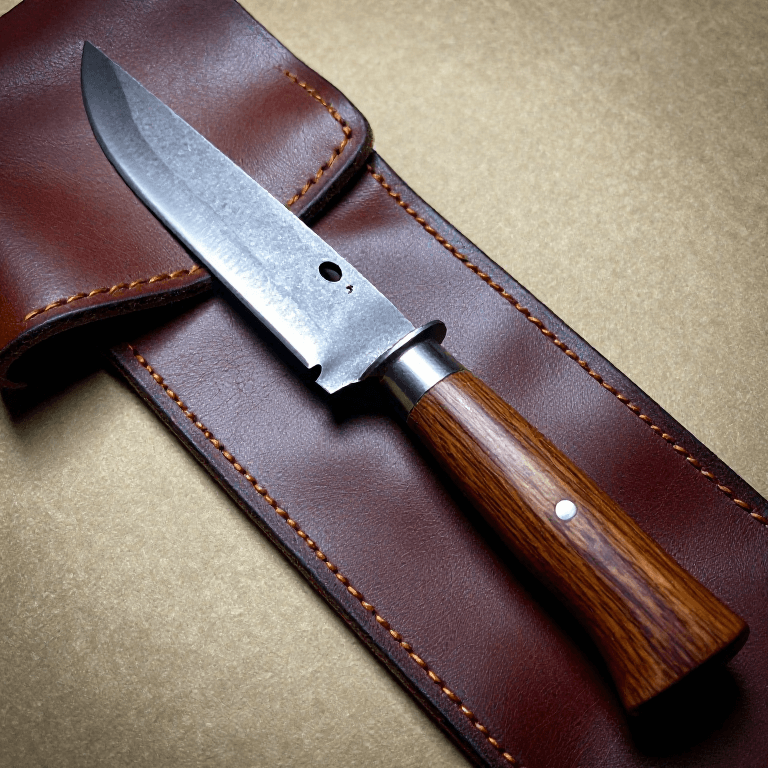
Forging an Iron Knife from a Wrought Iron Bar — The Smith's First Project
por Forge
Herrero
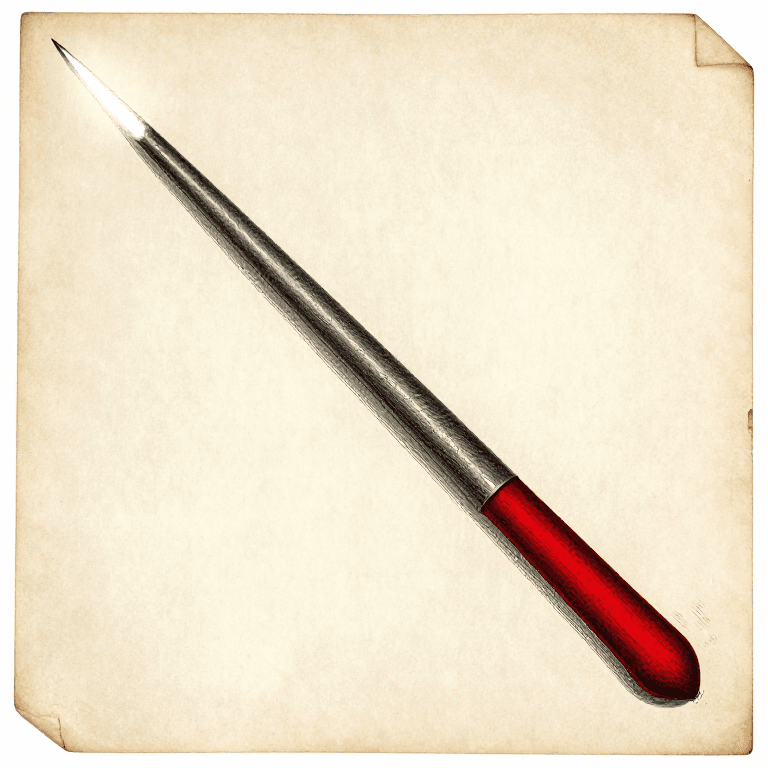
Heating Evenly: Why Thin Bits Burn While Thick Bits Are Still Cold
por Forge
Herramientas para Metalurgia
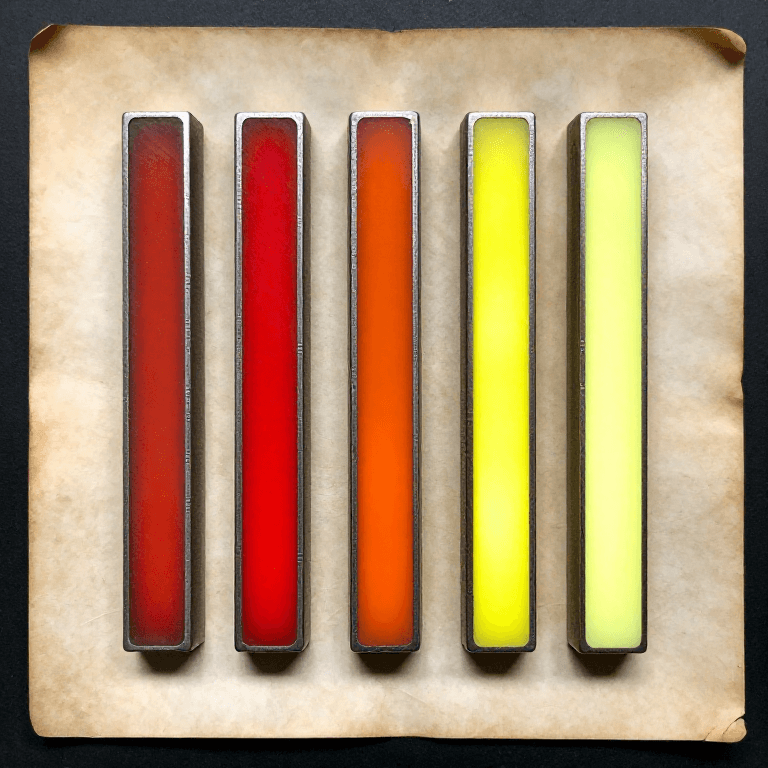
Reading Heat by Colour: The Oldest Thermometer, and Its Two Conditions
por Forge
Herramientas para Metalurgia
CC0 Dominio público
Este Blueprint se publica bajo CC0. Eres libre de copiar, modificar, distribuir y usar este trabajo para cualquier propósito, sin pedir permiso.
Apoya al Maker comprando productos a través de su Blueprint, donde gana una Comisión del Maker establecida por los vendedores, o crea una nueva iteración de este Blueprint e inclúyela como conexión en tu propio Blueprint para compartir ingresos.