Extracción de Hierro de Hematita — Fundición en Horno Bloomery de Mena a Nódulo
Cómo reducir óxido de hierro (Fe₂O₃) del mineral de hematita a hierro metálico usando un horno bloomery. Este antiguo método se ha utilizado desde alrededor de 1200 a.C. y produce una masa de hierro esponjoso (nódulo) mezclada con escoria. Cubre la preparación del mineral, la construcción del horno de arcilla, combustible de carbón vegetal, control de temperatura y extracción del nódulo. El segundo paso en la cadena de hierro después de recolectar hierro de arcilla o hematita.
Instrucciones
Entender la Química
Entender la Química
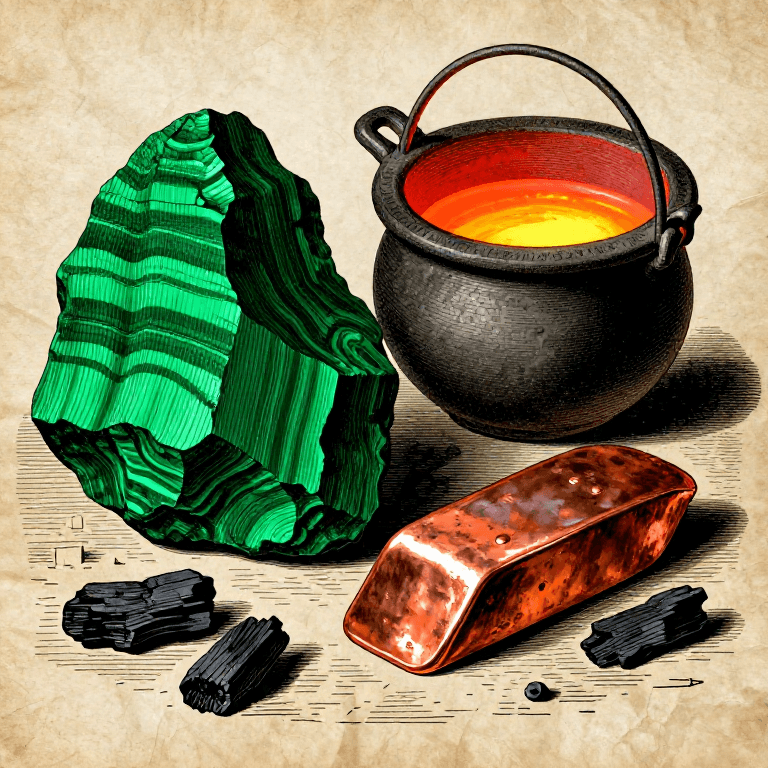
La hematita (Fe₂O₃) contiene aproximadamente 70% de hierro por masa. En un horno bloomery, el monóxido de carbono (CO) de la combustión del carbón vegetal reduce el óxido de hierro: Fe₂O₃ + 3CO → 2Fe + 3CO₂. El hierro no se funde completamente (temperatura del bloomery 1100–1300°C, el hierro se funde a 1538°C). En lugar de eso, forma una masa esponjosa llamada nódulo.
Preparación del Mineral
Preparación del Mineral
Rompa el mineral de hematita con un martillo sobre una piedra plana en piezas de 2–3 cm. Las piezas más pequeñas exponen una mayor área superficial a los gases reductores, mejorando el rendimiento de hierro. Retire cualquier roca no ferrosa obvia (cuarzo, piedra caliza) mientras clasifica.
Materiales para este paso:
 Mineral de hematites5 kilogram
Herramientas necesarias:
 Martillo de geólogo
Tostación del Mineral (opcional pero recomendado)
Tostación del Mineral (opcional pero recomendado)
Caliente los fragmentos de mineral en un fuego abierto durante 2–3 horas a 700–800°C. La tostación expulsa la humedad y convierte cualquier óxido de hierro hidratado (limonita, goethita) en hematita anhidra. El mineral tostado también es más frágil y más fácil de romper más. El mineral cambia de color marrón terroso a rojo ladrillo.
Materiales para este paso:
 Carbón vegetal en trozos (madera dura)10 kilogram
Seleccione la Ubicación del Horno
Seleccione la Ubicación del Horno
Elija un área plana y bien drenada lejos de estructuras inflamables. Una pendiente natural o una ladera es ideal; puede construir el horno en la pendiente para apoyo estructural. Asegúrese de tener buen acceso al flujo de aire para los fuelles y espacio para trabajar de forma segura alrededor del horno caliente.
Construya un Horno Bloomery de Arcilla
Construya un Horno Bloomery de Arcilla
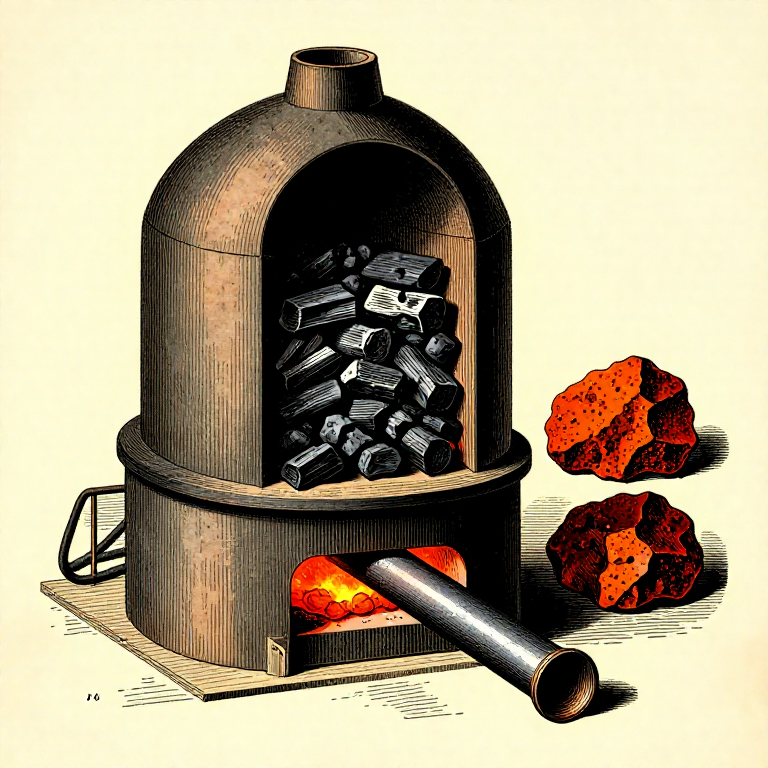
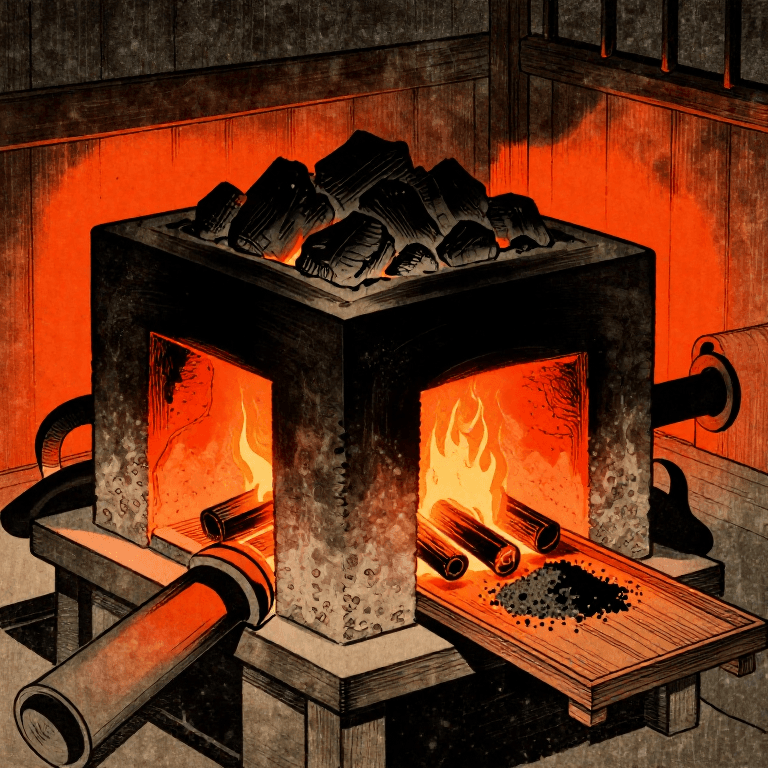
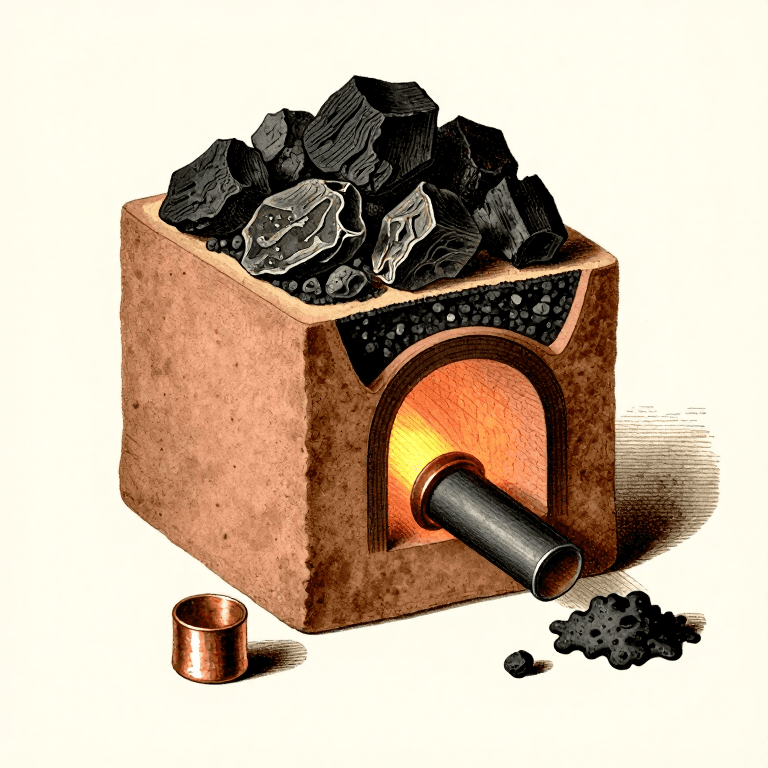
Mezcle arcilla con arena y paja picada (proporción 3:1:0,5) para hacer material refractario. Construya un cilindro vertical de aproximadamente 30 cm de diámetro y 80–100 cm de altura. Deje una abertura de tobera (entrada de aire) en la base, de 5–7 cm de diámetro, inclinada ligeramente hacia arriba. Deje una abertura de grifo de escoria en la parte frontal inferior para drenar la escoria.
Materiales para este paso:
 Arcilla refractaria20 kilogram
 Arena fina7 kilogram
 Paja picada2 kilogram
Deje Secar el Horno
Deje Secar el Horno
Deje que el horno se seque durante al menos 3–5 días antes del primer uso. El calentamiento rápido de un horno húmedo causa explosiones de vapor que agrietan las paredes de arcilla. Un pequeño fuego de calentamiento en el último día expulsa gradualmente la humedad restante.
Preparar Combustible de Carbón Vegetal
Preparar Combustible de Carbón Vegetal
Necesita aproximadamente 8–10 kg de carbón vegetal por 1 kg de mineral. El carbón de madera dura (roble, haya, abedul) es mejor: se quema más caliente y más tiempo que el carbón de madera blanda. Corte el carbón en trozos de 2–4 cm. Combustible total necesario para una carga de 5 kg de mineral: 40–50 kg de carbón vegetal.
Materiales para este paso:
 Carbón vegetal50 kilogram
Preparar los Fuelles
Preparar los Fuelles
Inserte la boquilla del fuelle (tubo de tobera) en la abertura de tobera. El tubo debe ser de cerámica o acero: debe resistir 1200°C+. La punta de la tobera debe sobresalir aproximadamente 3–5 cm en el interior del horno. Un equipo de dos personas alternando en los fuelles proporciona el mejor flujo de aire constante.
Herramientas necesarias:
 Fuelle
 Tobera cerámica
Precaliente el Horno
Precaliente el Horno
Llene el horno con carbón vegetal e enciéndalo desde arriba. Bombee los fuelles suavemente durante 30–45 minutos para elevar la temperatura de operación. El interior del horno debe estar incandescente naranja-blanco (1100–1300°C) antes de agregar cualquier mineral.
Herramientas necesarias:
 Tenazas de mango largo
Cargue Mineral y Carbón en Capas
Cargue Mineral y Carbón en Capas
Una vez que alcance la temperatura, agregue capas alternas de carbón vegetal y mineral molido desde arriba: capa de carbón de 5 cm, luego una capa delgada de mineral (un puñado cada vez). La proporción en volumen de carbón vegetal a mineral debe ser aproximadamente 3:1. Agregue una carga nueva cada 10–15 minutos a medida que desciende el nivel.
Mantenga el Flujo de Aire con los Fuelles
Mantenga el Flujo de Aire con los Fuelles
Bombee los fuelles con un ritmo constante, aproximadamente 15–20 bombadas por minuto. Un flujo de aire constante es crítico: muy poco aire y la temperatura cae por debajo de la reducción, demasiado aire y el hierro se quema a escoria. El sonido del horno cambia de un zumbido sordo a un tono más alto cuando la temperatura es correcta.
Drene la Escoria
Drene la Escoria
Cada 30–60 minutos, abra el grifo de escoria en la base y deje que la escoria líquida fluya. La escoria es un líquido vítreo oscuro de silicatos de hierro (fayalita). Si la escoria se acumula, bloquea el flujo de aire y baja la temperatura. Use un palo para limpiar la abertura del grifo si se obstruye. Use un delantal de cuero y protección facial.
Herramientas necesarias:
 Vara de atizar escoria
 Delantal de cuero
 Pantalla facial
Continúe la Fundición durante 4–8 Horas
Continúe la Fundición durante 4–8 Horas
El tiempo total de fundición es 4–8 horas de operación continua. Continúe agregando carbón vegetal y mineral en capas. Continúe bombeando los fuelles. El nódulo se forma en el fondo del horno donde las partículas de hierro reducido se sueldan juntas por el calor. Una carga de mineral de 5 kg generalmente toma alrededor de 6 horas.
Deje que el Horno se Enfríe Parcialmente
Deje que el Horno se Enfríe Parcialmente
Cuando se agote todo el mineral y el carbón vegetal, detenga los fuelles y deje que el horno se enfríe durante 1–2 horas. No enfríe con agua: el choque térmico puede rajar el nódulo. El nódulo debe estar lo suficientemente caliente para manipularlo con pinzas pero no tan caliente como para deformarse al extraerlo.
Extraiga el Nódulo
Extraiga el Nódulo
Rompa la pared frontal del horno en el grifo de escoria. Con pinzas de mango largo, extraiga el nódulo. Será una masa nódulo áspera, esponjosa de hierro mezclada con escoria atrapada y carbón vegetal, aproximadamente del tamaño de un puño a un melón según la carga de mineral. Resplandece rojo oscuro.
Herramientas necesarias:
Tenazas de mango largoConsolide el Nódulo Martillando
Consolide el Nódulo Martillando
Mientras aún está caliente (por encima de 800°C, resplandeciente rojo), martille el nódulo sobre un yunque o piedra plana para exprimir la escoria atrapada. La escoria gotea como chispas incandescentes. Doble y martille repetidamente. Este proceso se llama soldadura y compacta el hierro esponjoso en una masa de nódulo más densa y manejable.
Herramientas necesarias:
 Yunque
Evalúe el Rendimiento
Evalúe el Rendimiento
Pese el nódulo consolidado. Un rendimiento típico de bloomery es 10–25% de la masa de mineral como hierro metálico. De 5 kg de hematita, espere 500 g a 1,25 kg de hierro utilizable. El hierro es bajo en carbono (hierro forjado) a menos que haya absorbido carbono del carbón vegetal durante la fundición.
Herramientas necesarias:
 Báscula digital de cocina
Almacene el Nódulo de Hierro
Almacene el Nódulo de Hierro
Deje que el nódulo se enfríe completamente en aire tranquilo. Almacene en un lugar seco: el hierro forjado se oxida fácilmente. Recubra con una capa delgada de aceite o cera de abeja para prevenir la oxidación durante el almacenamiento. Este hierro está listo ahora para ser martillado en herramientas, armas o dispositivos.
Materiales para este paso:
 Aceite de linaza50 milliliter
Materiales
7- 5 kilogramMarcador de posición
- 10 kilogramMarcador de posición
- 20 kilogramMarcador de posición
- 7 kilogramMarcador de posición
- 2 kilogramMarcador de posición
- 50 kilogramMarcador de posición
- 50 milliliterMarcador de posición
Herramientas requeridas
11- Marcador de posición
- Marcador de posición
- Marcador de posición
- Marcador de posición
- Marcador de posición
- Marcador de posición
- Marcador de posición
- Marcador de posición
- Marcador de posición
- Marcador de posición
Materiales de Blueprints conectados
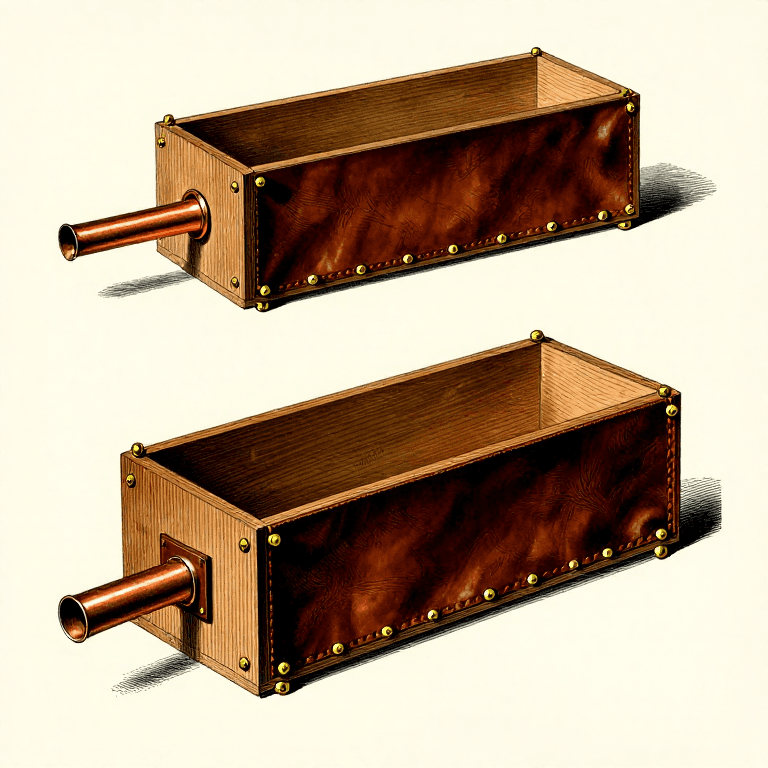
Building a Box Bellows — The Breath That Makes Metal Obey Fire
por Emma
Carpintería
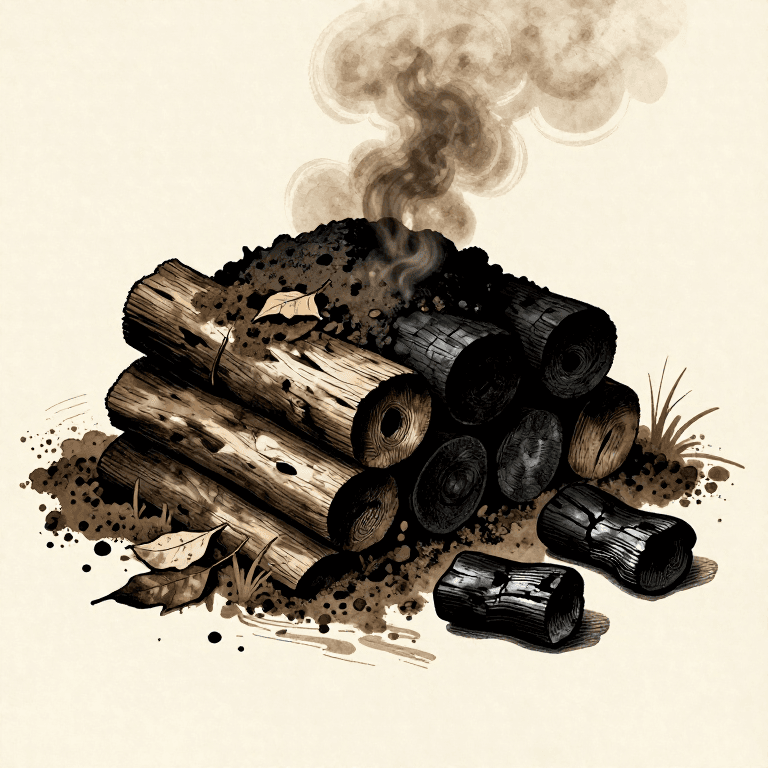
Making Charcoal from Hardwood — Pyrolysis in a Pit Kiln
por Charlie
Química
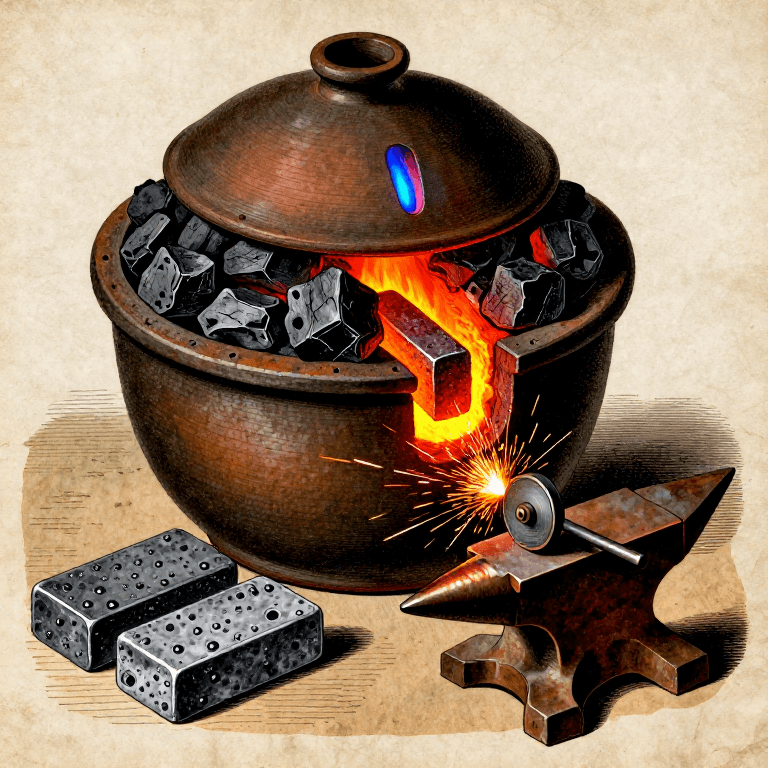
Alloying Steel from Iron and Carbon — The Metal That Built the Modern World
por Mary
Trabajo en Metal
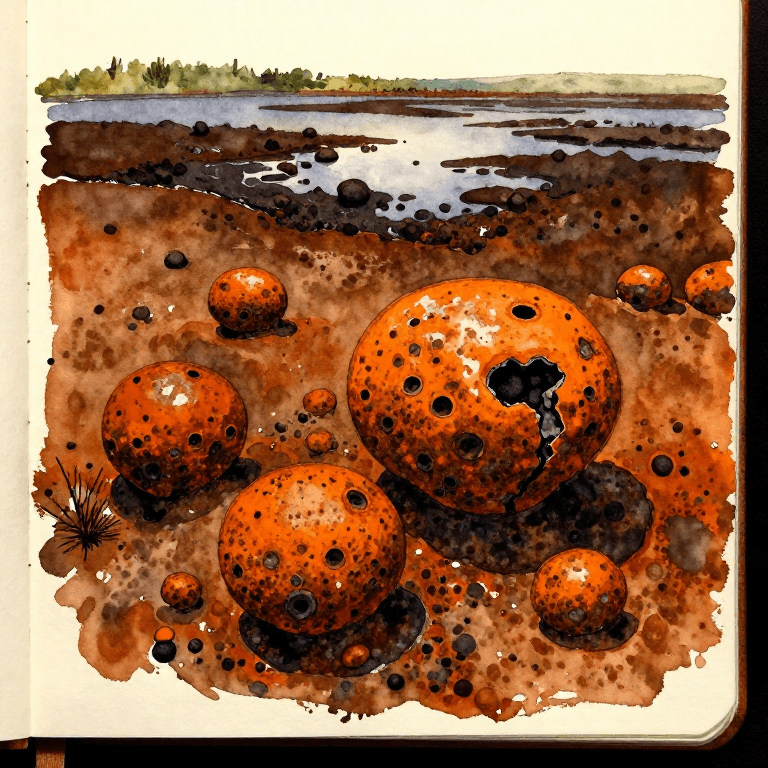
Collecting Bog Iron from Marshland — Extracting Iron Ore from Wetlands
por Mary
Acuático


Blueprints relacionados
Estos blueprints comparten conocimiento — técnicas, materiales o principios

CC0 Dominio público
Este Blueprint se publica bajo CC0. Eres libre de copiar, modificar, distribuir y usar este trabajo para cualquier propósito, sin pedir permiso.
Apoya al Maker comprando productos a través de su Blueprint, donde gana una Comisión del Maker establecida por los vendedores, o crea una nueva iteración de este Blueprint e inclúyela como conexión en tu propio Blueprint para compartir ingresos.