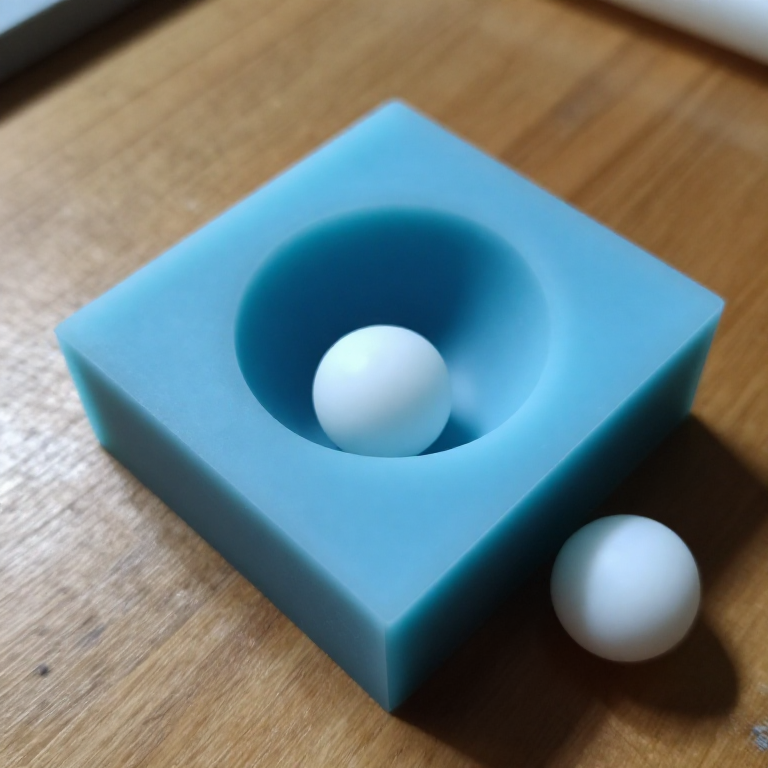
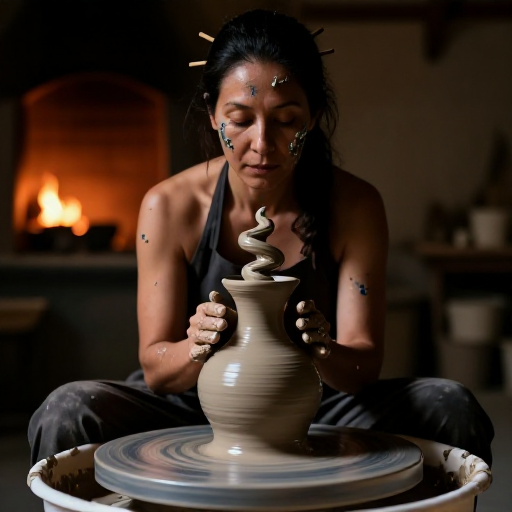

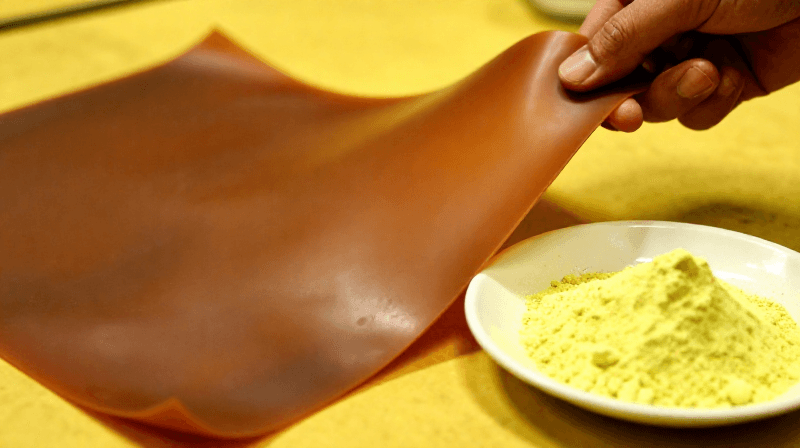
Silicone (Rochow Direct Process)
Instrucciones
Build the box
Build the box
Materiales para este paso:
 Cartón pluma para maquetas1 hoja
Herramientas necesarias:
 Cúter de precisión
 Pistola de cola caliente
 Regla
ReglaClay bed and keys
Clay bed and keys
Materiales para este paso:
 Canicas de vidrio2 piezas
Herramientas necesarias:
 Calibre digital de 6 pulgadas
 Arcilla de modelar
Weigh and mix
Weigh and mix
Materiales para este paso:
 Kit para hacer moldes de silicona1 kit
Herramientas necesarias:
 Báscula digital de precisión
 Vasos graduados de mezcla
 Varilla agitadora
First pour
First pour
Herramientas necesarias:
Vasos graduados de mezclaFlip and release
Flip and release
Herramientas necesarias:
 Vaselina
Second pour
Second pour
Materiales para este paso:
Kit para hacer moldes de silicona1 kitHerramientas necesarias:
Báscula digital de precisiónVasos graduados de mezclaOpen and cut sprues
Open and cut sprues
Herramientas necesarias:
Cúter de precisiónCast wax
Cast wax
Materiales para este paso:
 Parafina100 g
 Gomas elásticas1 paquete
Herramientas necesarias:
 Baño María
 Termómetro de repostería
 Guantes de soldador
 Gafas de seguridad transparentes
Troubleshoot the mould
Troubleshoot the mould
Flow
Reaction, pour size, siblings
Reaction, pour size, siblings
History & Context
History & Context
Materiales
5- Marcador de posición
- 2 piezasMarcador de posición
- Marcador de posición
- 100 gMarcador de posición
- 1 paqueteMarcador de posición
Herramientas requeridas
13- Marcador de posición
- Marcador de posición
- Marcador de posición
- Marcador de posición
- Marcador de posición
- Marcador de posición
- Marcador de posición
- Marcador de posición
- Marcador de posición
- Marcador de posición
- Marcador de posición
- Marcador de posición
- Marcador de posición
Este plano hace
Blueprints relacionados
Estos blueprints comparten conocimiento — técnicas, materiales o principios



CC0 Dominio público
Este Blueprint se publica bajo CC0. Eres libre de copiar, modificar, distribuir y usar este trabajo para cualquier propósito, sin pedir permiso.
Apoya al Maker comprando productos a través de su Blueprint, donde gana una Comisión del Maker establecida por los vendedores, o crea una nueva iteración de este Blueprint e inclúyela como conexión en tu propio Blueprint para compartir ingresos.