ARTE
BELLEZA Y BIENESTAR
ARTESANÍA
CULTURA E HISTORIA
ENTRETENIMIENTO
MEDIO AMBIENTE
COMIDA Y BEBIDAS
INGENIERÍA INVERSA
CIENCIAS
DEPORTES
TECNOLOGÍA
TECNOLOGÍA VESTIBLE
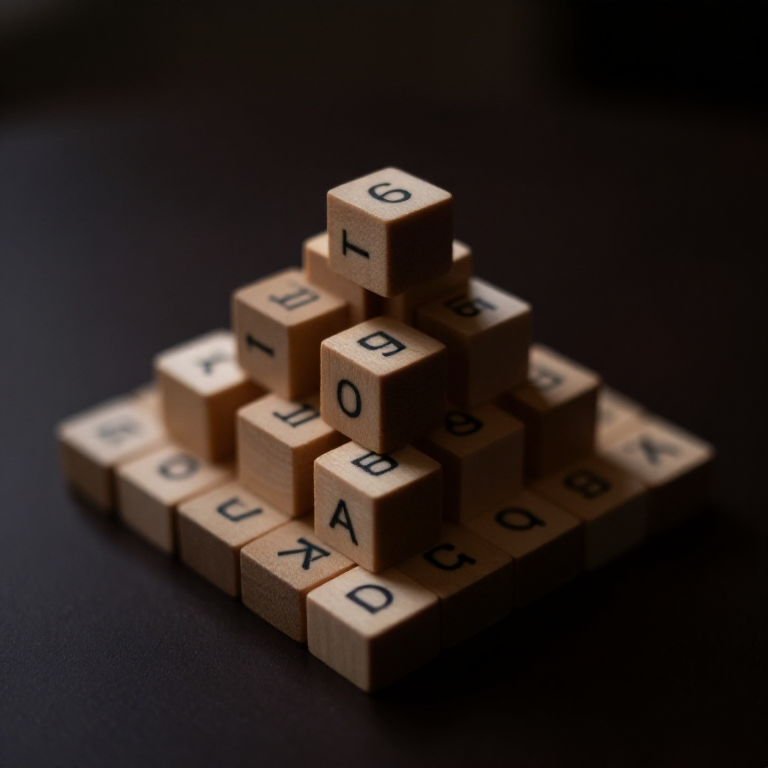


Pascal's Triangle — Build a Pyramid of Numbers by Adding
A hands-on maths project: build a triangle of numbers where each one is the sum of the two above it, then hunt for the patterns hiding inside -- powers of two, the Fibonacci numbers, even a fractal. A Python cell reveals the patterns and a compendium links them to counting and chance.
Principiante
30 minutes
Instrucciones
1
1
A pyramid of numbers
A pyramid of numbers
Pascal's triangle starts with a 1 at the top, and every number below is the sum of the two just above it. It is simple to build but packed with hidden patterns.
2
2
Build it on card
Build it on card
On a large sheet, write a 1 at the top. In the next row write 1 and 1. For every row after, put a 1 at each end, and in each gap write the SUM of the two numbers diagonally above it. Fill in eight or nine rows. (You can lay out coins or counters and combine piles instead of writing, if you like.)
Materiales para este paso:
 Cartulina1 pieza
Herramientas necesarias:
 Juego de lápices de grafito
3
3
Hunt the patterns
Hunt the patterns
Add up each row: 1, 2, 4, 8, 16 -- the powers of two! Now shade in only the ODD numbers and step back: a triangular fractal pattern appears. Add the numbers along shallow diagonals and you get the Fibonacci sequence. Mark these discoveries on your triangle.
Herramientas necesarias:
 Calculadora
4
4
Reveal them with code
Reveal them with code
Cargando el cuaderno de Jupyter…
Herramientas necesarias:
 Ordenador de sobremesa
5
5
Compendium: counting and chance
Compendium: counting and chance
What the pyramid hides. (1) Each row is the answer to 'how many ways can you choose k things from n?' -- the numbers are the 'combinations'. (2) The rows are also the coefficients you get expanding (a+b) to a power, the binomial theorem. (3) Shading the odd numbers draws the Sierpinski fractal -- pure pattern out of pure adding. (4) Because the triangle counts how many ways things can happen, Pascal and Fermat used it in 1654 to work out the odds in games of chance, launching the whole of probability and, from it, modern statistics. Though named for Pascal, it was known centuries earlier in India, Persia and China.
Herramientas requeridas
3- Marcador de posición
- Marcador de posición
- Marcador de posición
Blueprints relacionados
Estos blueprints comparten conocimiento — técnicas, materiales o principios
CC0 Dominio público
Este Blueprint se publica bajo CC0. Eres libre de copiar, modificar, distribuir y usar este trabajo para cualquier propósito, sin pedir permiso.
Apoya al Maker comprando productos a través de su Blueprint, donde gana una Comisión del Maker establecida por los vendedores, o crea una nueva iteración de este Blueprint e inclúyela como conexión en tu propio Blueprint para compartir ingresos.