ARTE
BELLEZA Y BIENESTAR
ARTESANÍA
CULTURA E HISTORIA
ENTRETENIMIENTO
MEDIO AMBIENTE
COMIDA Y BEBIDAS
INGENIERÍA INVERSA
CIENCIAS
DEPORTES
TECNOLOGÍA
TECNOLOGÍA VESTIBLE
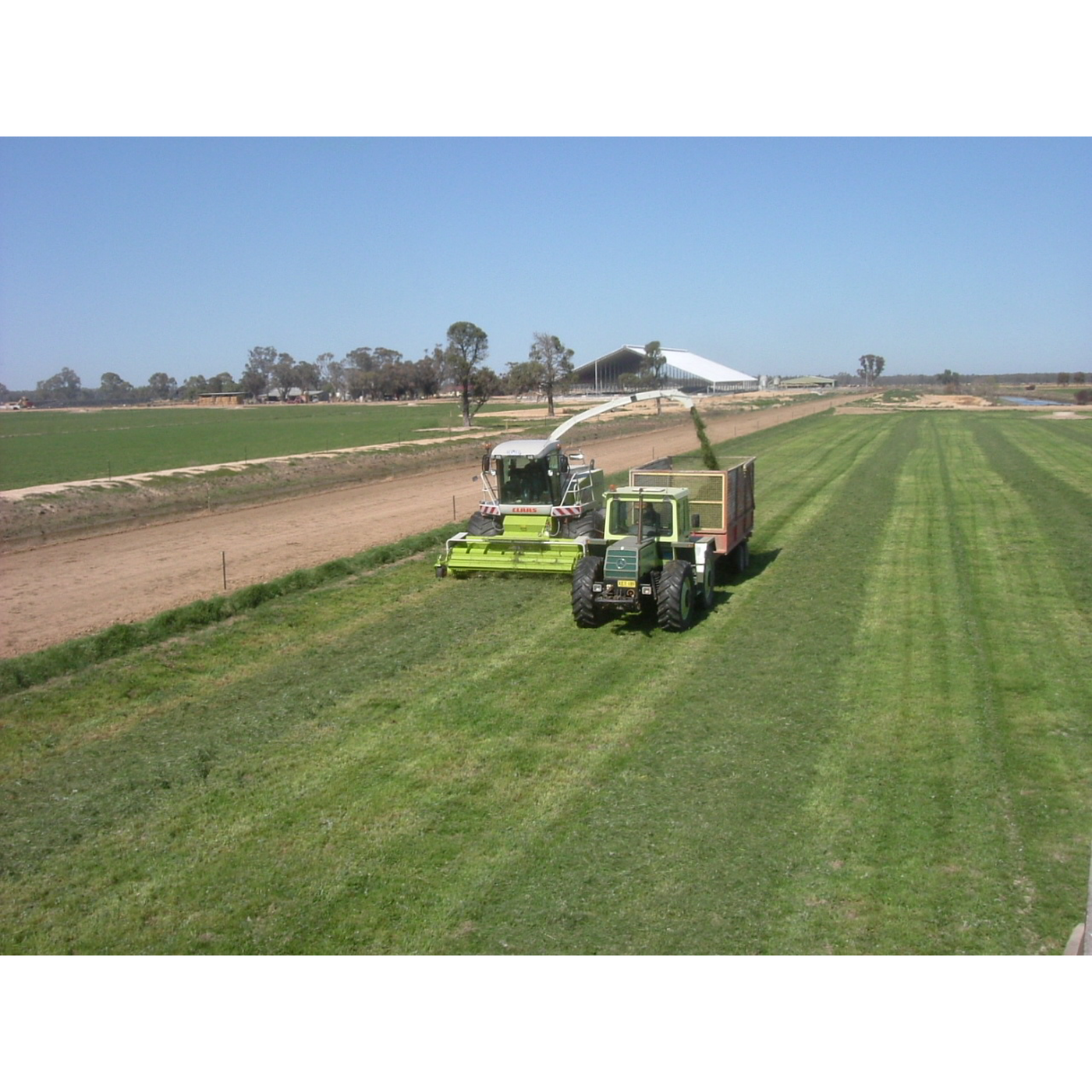

The Forage Harvester: Chopping Green Crop to a Set Length
Silage is green crop — grass, maize, legumes — packed tight and left to ferment so it keeps through winter. It keeps only if it is chopped short and evenly enough to pack out the air. For decades the crop was cut and carted to a stationary silage cutter at the silo. The field forage harvester does the chopping in the field: it picks up or cuts the crop, feeds it between rollers into a cutterhead of knives, and blows the chop up a spout into a trailer.
Sir Charles Ross thought of joining a pick-up to an ensilage cutter and blower powered by an engine riding on the rig; Professor Floyd Duffee improved it; the Fox River Tractor Company tried a mower-type chopper in 1931 and sold a cutter-bar chopper from 1940, and in 1942 Gehl became the first to mass-produce forage harvesters.
This rung works out the length of cut, the flywheel's reserve and the spout speed, and builds a paper-strip model that shows the length of cut directly.
Principiante
About 3 hours
Instrucciones
1
1
Length of cut, flywheel reserve and spout speed
Length of cut, flywheel reserve and spout speed
Cargando el cuaderno de Jupyter…
2
2
Model the cut with a paper strip
Model the cut with a paper strip
No knives needed. Wind a 50 mm strip of kraft paper onto a spool driven by a geared DC motor, so the strip is pulled past a point at a steady speed — that is the feed rolls. Measure the feed speed with a rule and stopwatch.
Screw a plywood arm to the shaft of a second geared motor, with a felt marker at its tip that dabs the paper once a turn as it sweeps past — that is one knife. Measure its speed with the tachometer.
Run both and measure the spacing of the dabs: it is $v_f / (z n)$ with $z = 1$. Add a second marker on the opposite end of the arm ($z = 2$) and the spacing halves; slow the feed and it shrinks again. Every setting of a real harvester's length of cut is one of these two changes.
Materiales para este paso:
 Rollo de papel kraft (marrón)1 pieza
 Motorreductor de corriente continua2 piezas
 Tablero contrachapado1 pieza
 Tornillos de máquina6 piezas
Herramientas necesarias:
 Fuente de alimentación de corriente continua
 Tacómetro digital
 Cronómetro
 Regla
Regla Taladro inalámbrico
 Pistola de cola caliente
 Rotulador permanente
3
3
Where a pulled harvester gets its power
Where a pulled harvester gets its power
A tractor-drawn forage harvester is driven from the tractor's power take-off. The embedded blueprint covers the shaft, its universal joints and its dangers.
4
4
Chop coming out wrong
Chop coming out wrong
Forage harvester problems show in the trailer.
Flow
Loading...
5
5
History and honest limits
History and honest limits
**Sir Charles Ross** proposed joining a pick-up to an ensilage cutter and blower with its own engine; **Professor Floyd Duffee** improved the idea; the **Fox River Tractor Company** built an experimental chopper in 1931 and marketed a cutter-bar chopper from 1940; **Gehl** began mass production in 1942. Self-propelled harvesters with kernel processors now chop whole maize crops.
**Honest limits.** The theoretical length of cut assumes the crop is fed straight; in practice it varies. The flywheel figures are a simple solid-disc model. A cutterhead is lethal: it keeps turning long after the drive stops, and blockages must only be cleared with the engine off and the head stationary.
Materiales
4- Marcador de posición
- Marcador de posición
- 1 piezaMarcador de posición
- 6 piezasMarcador de posición
Herramientas requeridas
7- Marcador de posición
- Marcador de posición
- Marcador de posición
- Marcador de posición
- 1 vendor sell this, none ship to you yetMarcador de posición
- Marcador de posición
- Marcador de posición
Blueprints relacionados
Estos blueprints comparten conocimiento — técnicas, materiales o principios
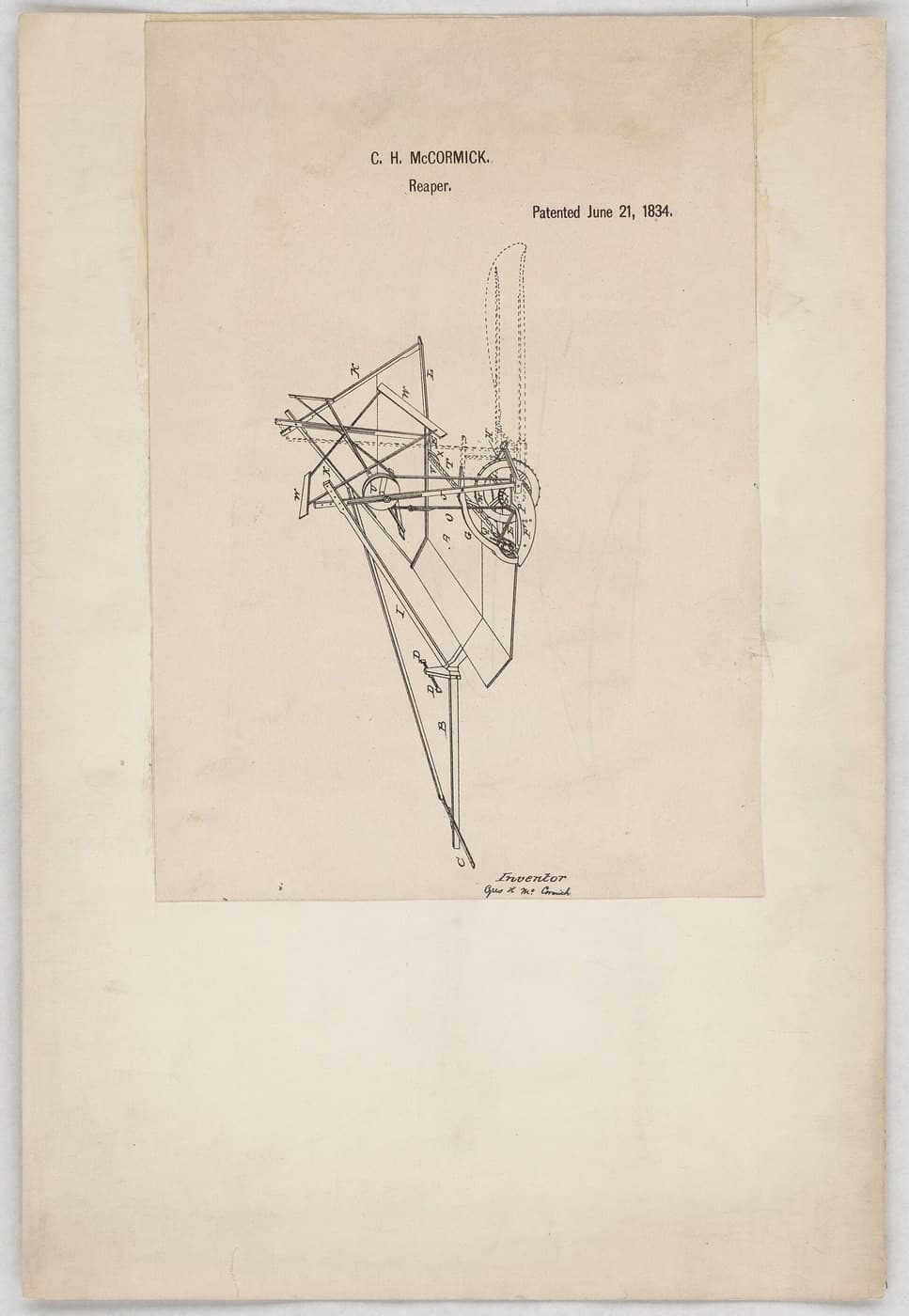
McCormick Reaper
por Martin
MEDIO AMBIENTE
50
0
0
0
0
0
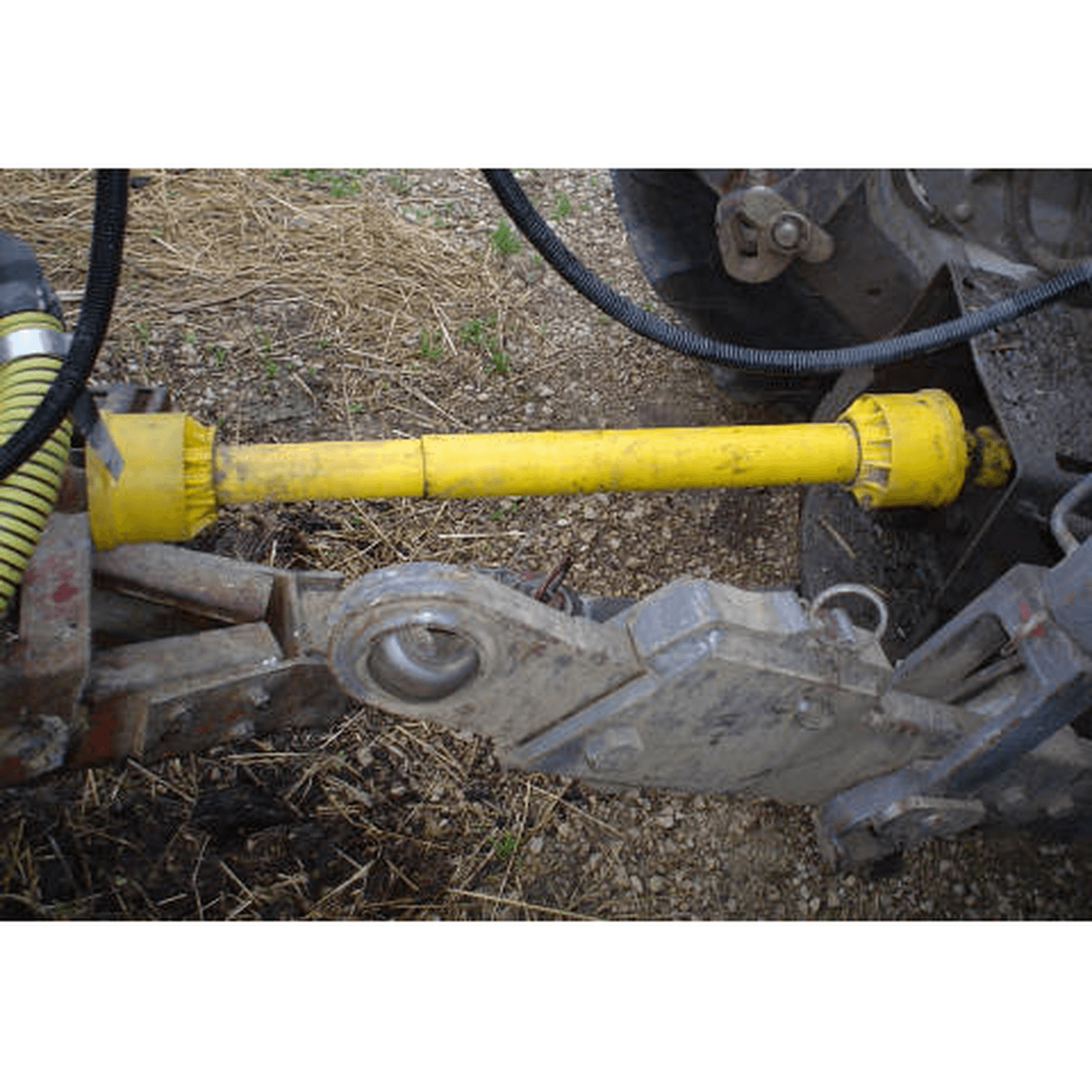
The Power Take-Off: Sending the Tractor's Engine Back Down a Shaft
por Martin
Mecánica
35
0
0
0
0
0
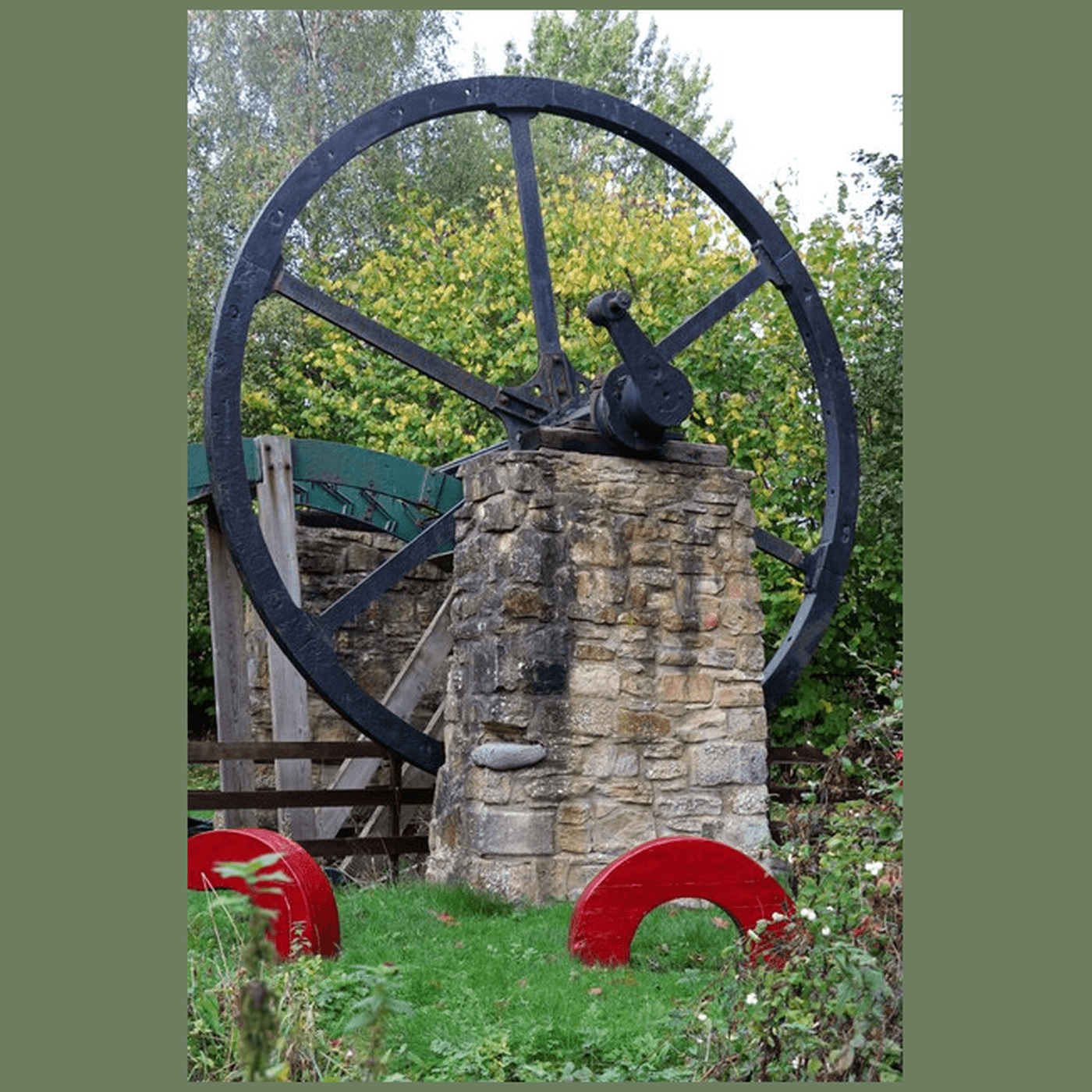
The Crank and the Flywheel: Smoothing One Bang in Two Turns
por Martin
Mecánica
37
0
0
0
0
0

The Sirocco Fan: Many Shallow Forward-Curved Blades
por Emma
Mecánica
36
0
0
0
0
0
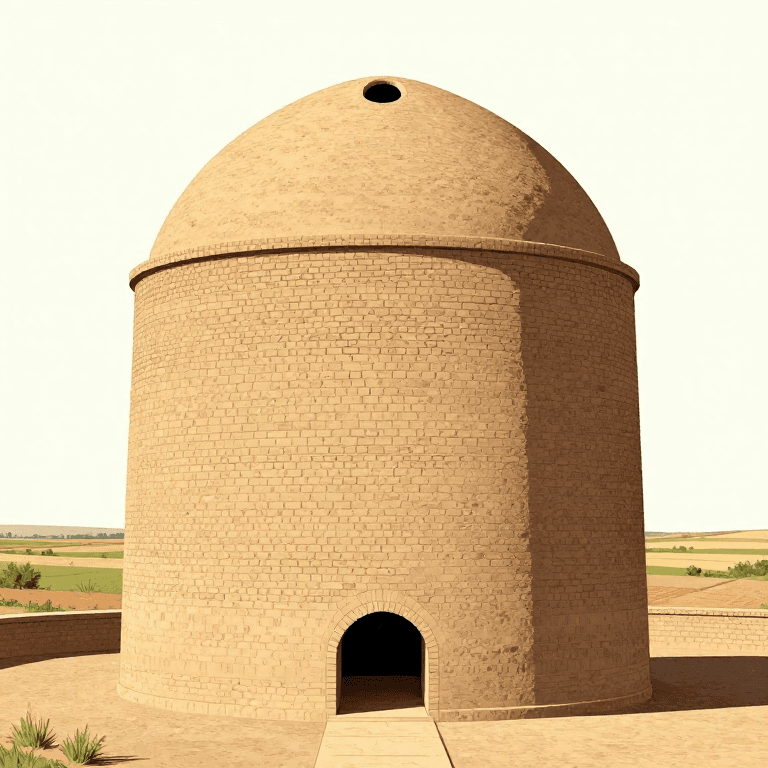
Egyptian Grain Silo — Constructing a Beehive-Shaped Grain Silo
por Emma
Albañilería
111
0
0
0
0
0
CC0 Dominio público
Este Blueprint se publica bajo CC0. Eres libre de copiar, modificar, distribuir y usar este trabajo para cualquier propósito, sin pedir permiso.
Apoya al Maker comprando productos a través de su Blueprint, donde gana una Comisión del Maker establecida por los vendedores, o crea una nueva iteración de este Blueprint e inclúyela como conexión en tu propio Blueprint para compartir ingresos.