ARTE
BELLEZA Y BIENESTAR
ARTESANÍA
CULTURA E HISTORIA
ENTRETENIMIENTO
MEDIO AMBIENTE
COMIDA Y BEBIDAS
INGENIERÍA INVERSA
CIENCIAS
DEPORTES
TECNOLOGÍA
TECNOLOGÍA VESTIBLE



The Rotary Tiller: Blades That Cut the Soil in Slices
A plough and harrow need several passes and a heavy tractor to pull them, and the wheels pack the soil they have just loosened. A rotary tiller drives its blades round from the engine: they chop down into the soil in slices, throw it back against a hood and leave it loose in one pass — and because the blades push backwards, they help drive the machine forwards instead of dragging on it.
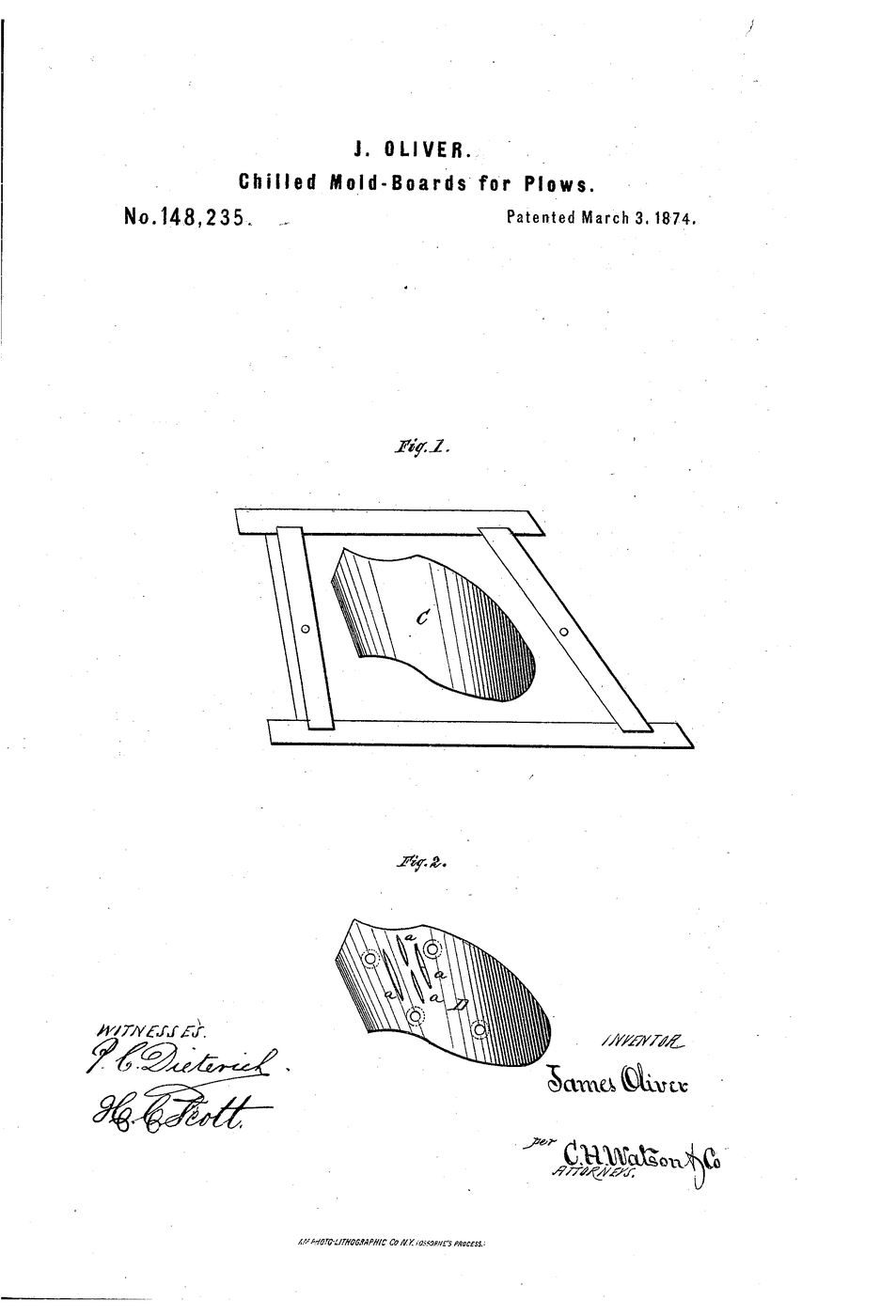
Arthur Clifford Howard began experimenting with rotary tillage on his father's farm at Gilgandra, New South Wales, in 1912, found that the ground could be tilled without packing it, and settled on L-shaped blades on widely spaced flanges on a small rotor. He patented a design with an internal combustion engine in 1920, and in 1922 formed Austral Auto Cultivators, later Howard Auto Cultivators.
This rung plots the blade paths, works out the bite length that sets the tilth, and builds a drill-driven rotor to check it in sand.
Intermedio
About 4 hours
Instrucciones
1
1
Blade paths and bite length
Blade paths and bite length
Cargando el cuaderno de Jupyter…
2
2
Build a bench rotor
Build a bench rotor
Cut six blades 120 mm long from 20 mm spring steel strip and bend each 40 mm from one end to a right angle — Howard's L-shape. Drill the long leg twice.
Bolt three blades to each of two plywood flanges 100 mm across, at 120 degrees apart, their bent tips all pointing the same way round. Fix the flanges 80 mm apart on a 10 mm threaded rod, the second flange turned 60 degrees from the first so the blades enter the soil alternately. Chuck the rod in a cordless drill.
Wear eye protection: blades spinning in sand throw it hard.
Materiales para este paso:
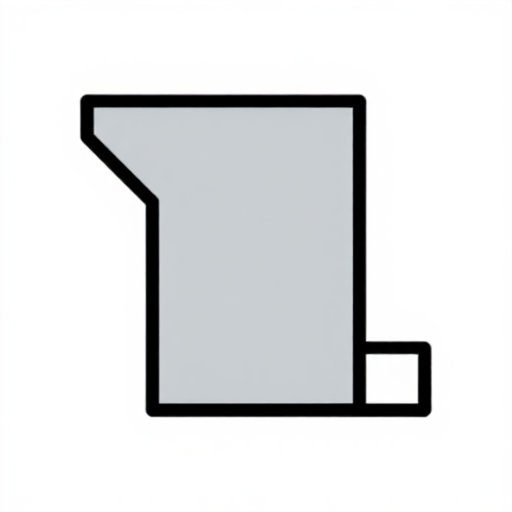 Fleje de acero para muelles1 pieza
 Tablero contrachapado1 pieza
 Varilla roscada1 pieza
 Tornillos de máquina12 piezas
 Arena fina20 kilogram
Herramientas necesarias:
 Taladro inalámbrico
 Juego de brocas
 Tornillo de banco
 Llave inglesa ajustable
 Regla
Regla Gafas de seguridad transparentes
 Guantes de trabajo de cuero
3
3
Measure the bite
Measure the bite
Level damp sand in a long tray and mark a 500 mm run with pins. Measure the drill's speed under load with the tachometer. Lower the spinning rotor into the sand at the start mark and walk it to the end mark at a steady pace, timing it.
Each blade leaves a curved cut in the sand. Count the cuts over the 500 mm and divide: that is your bite length. Compare it with $60v/(nz)$ using your measured speed $v$, rotor speed $n$ and $z = 3$ blades per flange. Repeat at half the walking speed: the bites halve and the sand is left finer.
Herramientas necesarias:
 Tacómetro digital
 Cronómetro
 Kit de banderines y estacas de topografíaRegla
4
4
A tiller leaving poor tilth
A tiller leaving poor tilth
Common rotary tiller problems.
Flow
Loading...
5
5
History and honest limits
History and honest limits
**Arthur Clifford Howard** of Gilgandra, New South Wales, began rotary tillage experiments in 1912, powered at first by his father's steam tractor; his earliest designs threw the soil sideways until he developed the L-shaped blade. He patented an engine-driven rotary hoe in 1920 and founded Austral Auto Cultivators in 1922; the Howard Rotavator became a byword for the machine.
**Honest limits.** Rotary tilling takes more energy per hectare than ploughing, pulverises soil structure if overused, and can leave a smeared pan at its working depth in wet soil. It is best for seedbeds, gardens and working residue in, not for every field every year.
Materiales
5- 1 piezaMarcador de posición
- 1 piezaMarcador de posición
- 1 piezaMarcador de posición
- 12 piezasMarcador de posición
- 20 kilogramMarcador de posición
Herramientas requeridas
10- 1 vendor sell this, none ship to you yetMarcador de posición
- Marcador de posición
- Marcador de posición
- Marcador de posición
- Marcador de posición
- Marcador de posición
- Marcador de posición
- Marcador de posición
- Marcador de posición
- Marcador de posición
Blueprints relacionados
Estos blueprints comparten conocimiento — técnicas, materiales o principios

CC0 Dominio público
Este Blueprint se publica bajo CC0. Eres libre de copiar, modificar, distribuir y usar este trabajo para cualquier propósito, sin pedir permiso.
Apoya al Maker comprando productos a través de su Blueprint, donde gana una Comisión del Maker establecida por los vendedores, o crea una nueva iteración de este Blueprint e inclúyela como conexión en tu propio Blueprint para compartir ingresos.