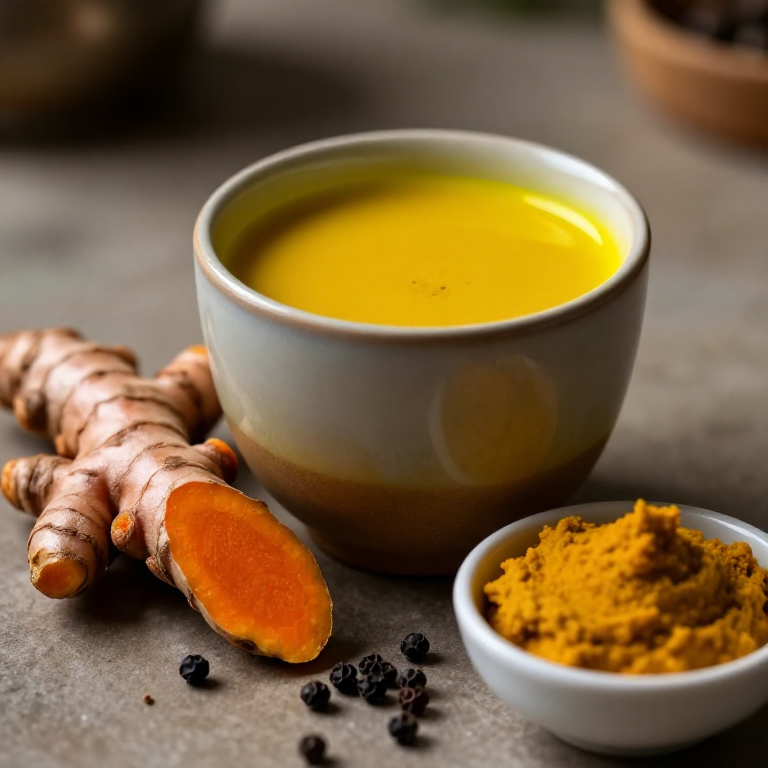

Preparing Turmeric Paste and Golden Milk — Ayurveda's 4,000-Year Anti-Inflammatory
Turmeric (Curcuma longa) has been used in Ayurvedic medicine for over 4,000 years. Known as 'haridra' in Sanskrit — meaning 'the golden one' — it was prescribed for inflammation, digestive disorders, wound healing, and respiratory infections long before modern science identified curcumin as its primary bioactive compound. Archaeological evidence from the Indus Valley civilization (c. 2500 BCE) shows turmeric cultivation alongside other medicinal plants.
The Ayurvedic tradition teaches that turmeric is one of three essential kitchen medicines (along with ginger and black pepper). The combination of turmeric with black pepper and fat is not arbitrary — modern pharmacology confirmed that piperine in black pepper increases curcumin bioavailability by 2,000%, and that curcumin is fat-soluble, meaning it absorbs best when consumed with oil, ghee, or milk fat. Ancient practitioners discovered through observation what took modern science millennia to explain.
Golden milk (haldi doodh in Hindi) is the most widely used traditional delivery method: turmeric paste simmered in warm milk with black pepper and ghee. It remains a staple home remedy across South Asia, prescribed by grandmothers for everything from sore throats to joint pain — and clinical research increasingly validates many of these traditional applications.
Instrucciones
Select and inspect the turmeric rhizomes
Select and inspect the turmeric rhizomes
Fresh turmeric rhizomes should be firm, heavy for their size, and free of soft spots or mold. The skin is thin and light brown; when scraped or cut, the interior should be a vivid deep orange. Pale or yellowish interiors indicate old or low-quality rhizomes with reduced curcumin content. You need approximately 100 grams of fresh turmeric for a batch of paste that will last 2 weeks.
If fresh turmeric is unavailable, high-quality dried turmeric powder can be substituted at a ratio of 1 tablespoon powder per 50 grams fresh rhizome. However, fresh turmeric contains volatile oils that are partially lost during commercial drying, so fresh is always preferred for medicinal preparations.
Materiales para este paso:
 Cúrcuma en polvo100 g
Herramientas necesarias:
 Cuchillo
Peel and grate the turmeric
Peel and grate the turmeric
Peel the turmeric rhizomes using a spoon edge (the skin is thin enough that a knife removes too much flesh). Grate the peeled turmeric finely — the smaller the particles, the more curcumin is released during cooking. A ceramic or metal grater works well. Be aware that turmeric stains everything it touches a deep yellow-orange — wear gloves and use a dedicated cutting board.
Grate approximately 100 grams of fresh turmeric into a small bowl. The grated turmeric should be moist and aromatic, releasing a warm, slightly bitter, earthy fragrance. If using dried powder, measure 2 tablespoons and set aside.
Make the turmeric paste
Make the turmeric paste
Combine the grated turmeric with 120 ml of water in a small pot. Add 1 teaspoon of freshly ground black pepper — this is the critical Ayurvedic insight that modern science validated. Piperine in black pepper inhibits the liver enzyme that rapidly metabolizes curcumin, increasing absorption from nearly zero to clinically significant levels.
Simmer the mixture over low heat for 7-10 minutes, stirring continuously, until it reduces to a thick paste with the consistency of mustard. Do not boil vigorously — gentle heat preserves the volatile oils. The paste will darken slightly as it cooks. Remove from heat and allow to cool. This concentrated paste is the base for golden milk and can be stored in a sealed glass jar in the refrigerator for up to 2 weeks.
Materiales para este paso:
 Granos de pimienta negra5 g
Prepare golden milk (haldi doodh)
Prepare golden milk (haldi doodh)
Heat 250 ml of whole milk (cow, goat, or coconut milk) in a pot over medium-low heat until it begins to steam but does not boil. Add 1 teaspoon of turmeric paste and stir until fully dissolved. The milk will turn a rich golden-yellow colour — this is the 'golden' in golden milk.
Add 1 teaspoon of ghee (clarified butter) or coconut oil. The fat is essential — curcumin is fat-soluble and will not absorb effectively without it. This is why the Ayurvedic tradition always combines turmeric with fat, whether in milk, cooking oil, or ghee-based medicinal preparations. Stir gently for 3-4 minutes over low heat to allow the curcumin to dissolve into the fat.
Materiales para este paso:
 Leche entera250 ml
Add complementary spices
Add complementary spices
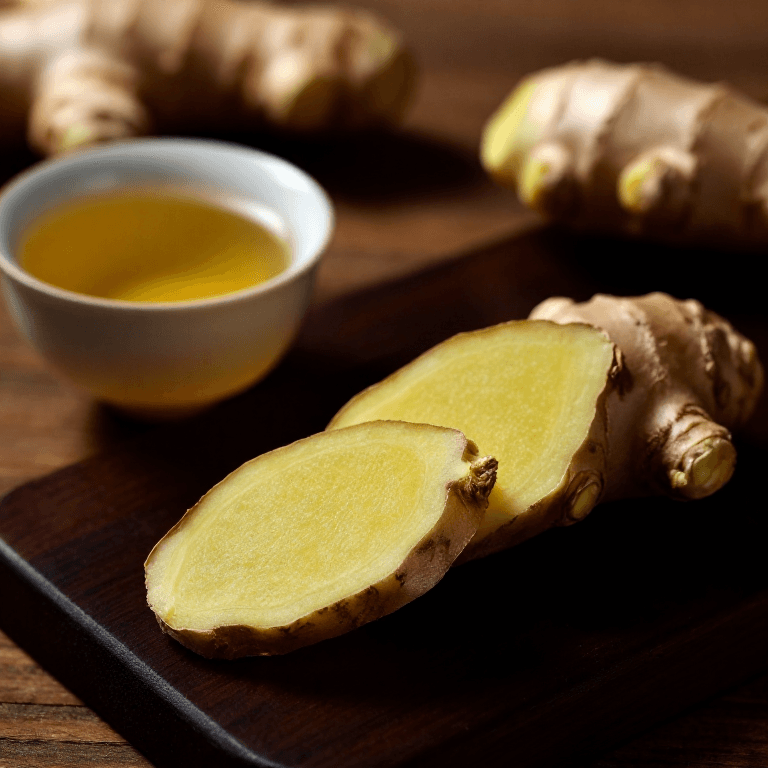
Traditional golden milk includes additional spices that are themselves medicinal: a pinch of cinnamon (anti-inflammatory, blood sugar regulation), a small slice of fresh ginger (digestive aid, anti-nausea), and optionally a pinch of cardamom (digestive, breath freshener). Each of these spices has its own Ayurvedic profile, and the combination is considered synergistic.
Sweeten with raw honey — but only after the milk has cooled below 40°C. Ayurvedic tradition holds that heating honey above body temperature destroys its beneficial enzymes, and modern research confirms that high temperatures degrade the enzyme diastase and increase levels of hydroxymethylfurfural in honey. Add honey to warm, not hot, golden milk.
Materiales para este paso:
 Jengibre fresco10 g
Make a turmeric wound paste (external use)
Make a turmeric wound paste (external use)
For external application — the original Ayurvedic use — mix turmeric paste with an equal volume of raw honey to create an antiseptic wound paste. Turmeric's curcumin has documented antibacterial properties against Staphylococcus aureus and other common wound pathogens, while honey provides its own antimicrobial activity through hydrogen peroxide production and osmotic dehydration of bacteria.
Clean the wound thoroughly with water. Apply a thin layer of the turmeric-honey paste directly to minor cuts, scrapes, or burns. Cover with a clean cloth bandage. The paste will stain the skin yellow for 1-2 days — this is normal and fades as the skin naturally exfoliates. Reapply every 12 hours. This is a traditional home remedy for minor wounds only — deep wounds, animal bites, or infected wounds require professional medical attention.
Traditional uses and modern validation
Traditional uses and modern validation
Ayurvedic texts prescribe turmeric for three primary applications: internal anti-inflammatory (joint pain, digestive inflammation), external antiseptic (wound paste, skin conditions), and respiratory support (golden milk for colds and coughs). Modern clinical research has validated anti-inflammatory effects through curcumin's inhibition of NF-kB and COX-2 inflammatory pathways — the same pathways targeted by ibuprofen and aspirin.
Regular consumption of turmeric in food (the South Asian dietary pattern) is associated with lower rates of certain inflammatory conditions in epidemiological studies, though individual clinical trials vary in quality. The key variables are always the same ones Ayurvedic practitioners identified empirically: curcumin concentration (fresh turmeric is better than stale powder), fat co-consumption (ghee or oil), and black pepper (piperine for absorption). A 4,000-year-old recipe that modern pharmacology cannot improve upon.
Materiales
4- 100 gMarcador de posición
- Marcador de posición
- 250 mlMarcador de posición
- 10 gMarcador de posición
Materiales de Blueprints conectados
Este plano hace

Blueprints relacionados
Estos blueprints comparten conocimiento — técnicas, materiales o principios
Chamomile Tea as Medicine — The Ancient Flower Infusion for Calm and Digestion
por Bob
Bebidas Calientes
Peppermint Tea for Digestive Relief — The Cooling Herb That Calms the Stomach
por Bob
Bebidas Calientes
Honey as a Wound Dressing — The Oldest Antimicrobial Medicine Known to Humanity
por Bob
Naturaleza Salvaje
Distilling Lavender Essential Oil — The Ancient Healer's Fragrant Antiseptic
por Bob
ARTESANÍA
CC0 Dominio público
Este Blueprint se publica bajo CC0. Eres libre de copiar, modificar, distribuir y usar este trabajo para cualquier propósito, sin pedir permiso.
Apoya al Maker comprando productos a través de su Blueprint, donde gana una Comisión del Maker establecida por los vendedores, o crea una nueva iteración de este Blueprint e inclúyela como conexión en tu propio Blueprint para compartir ingresos.