Kerjasama
SENI
KECANTIKAN & KESEJAHTERAAN
KRAFTANGAN
BUDAYA & SEJARAH
HIBURAN
ALAM SEKITAR
MAKANAN & MINUMAN
KEJURUTERAAN TERBALIK
SAINS
SUKAN
TEKNOLOGI
BOLEH PAKAI
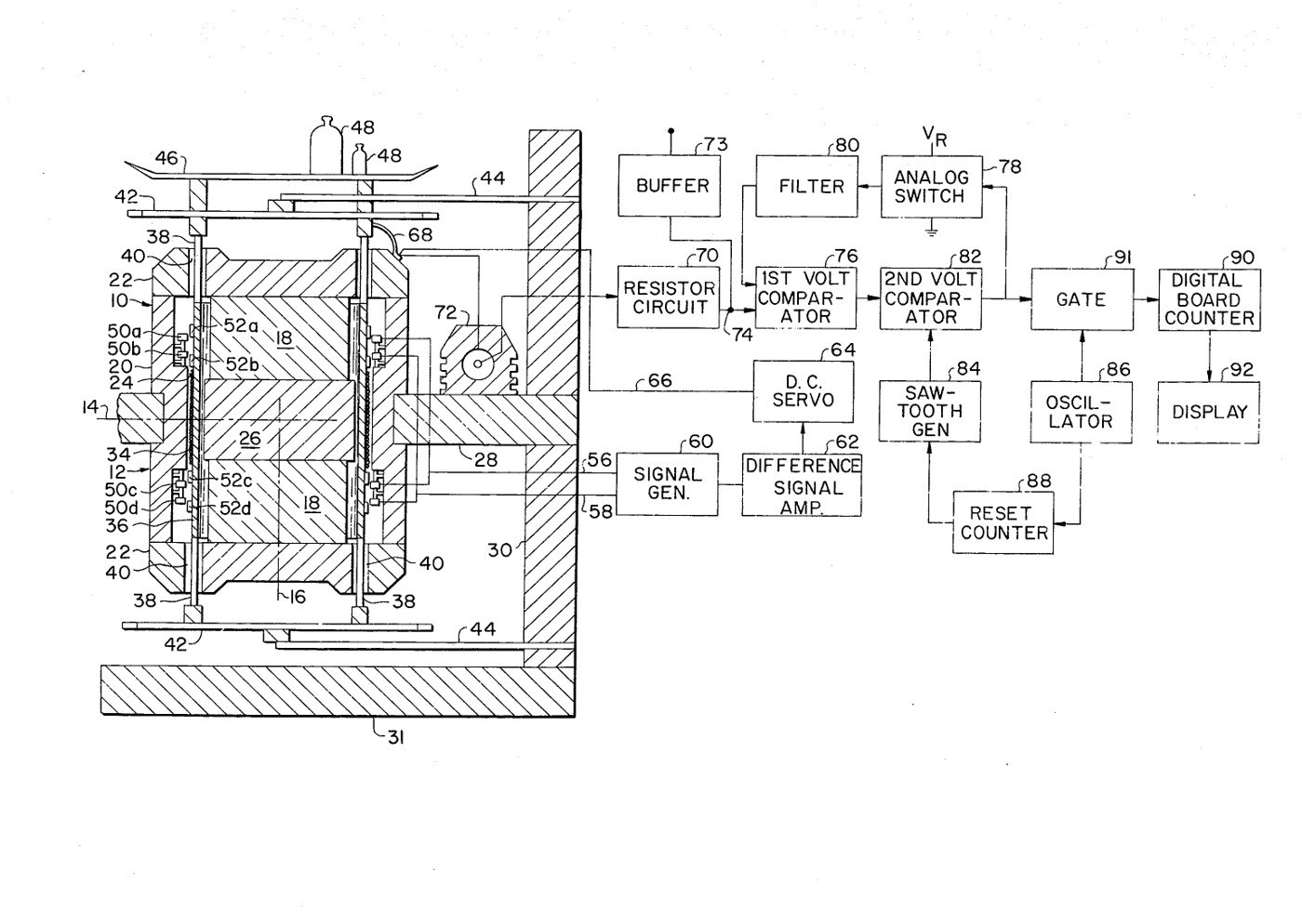


Electronic Analytical Balance: a Coil Current in Place of Weights (Akers et al., 1977)
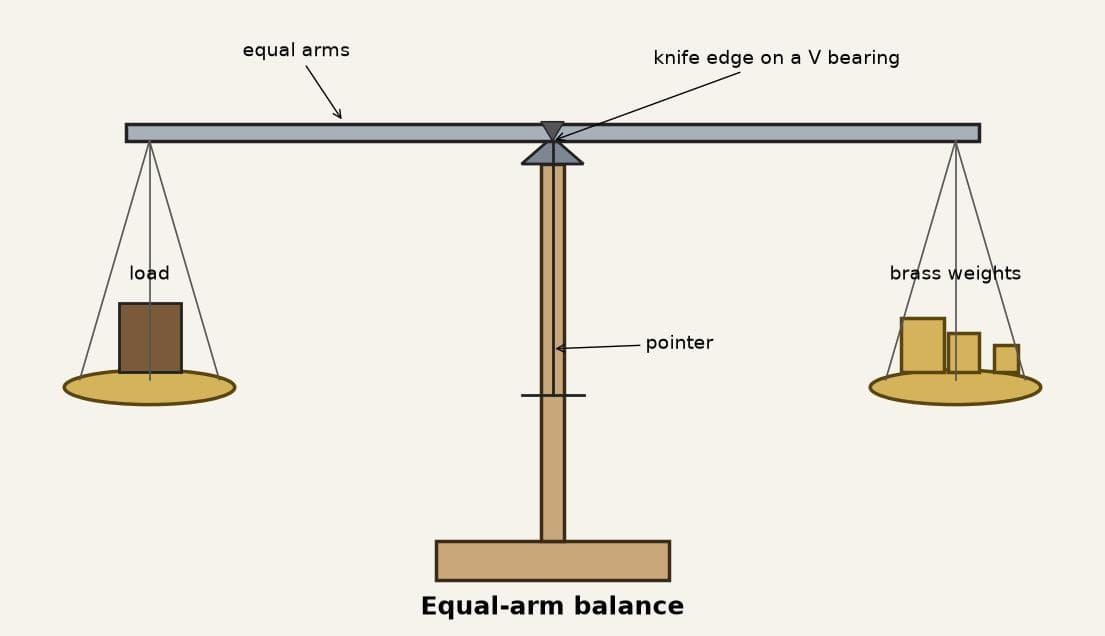
The equal-arm balance with its weights replaced by electricity. The pan sits on a coil in the gap of a permanent magnet. A load pushes it down; capacitor rings sense the smallest movement, and a servo drives just enough current through the coil to lift it back to its rest position. That current is the weight.
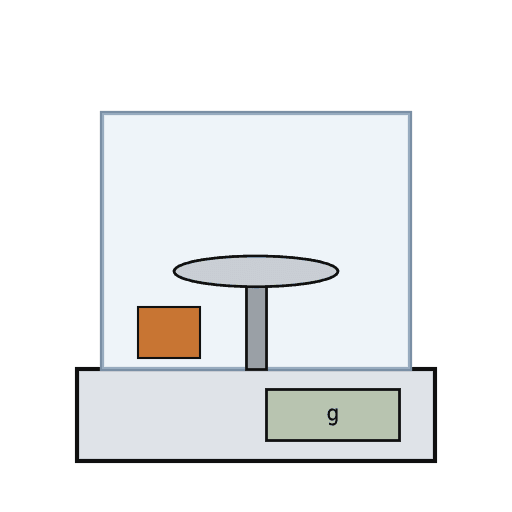
Result: a balance that reads the weight in grams or ounces on a digital display, with no weights to handle, and tare by its circuit.
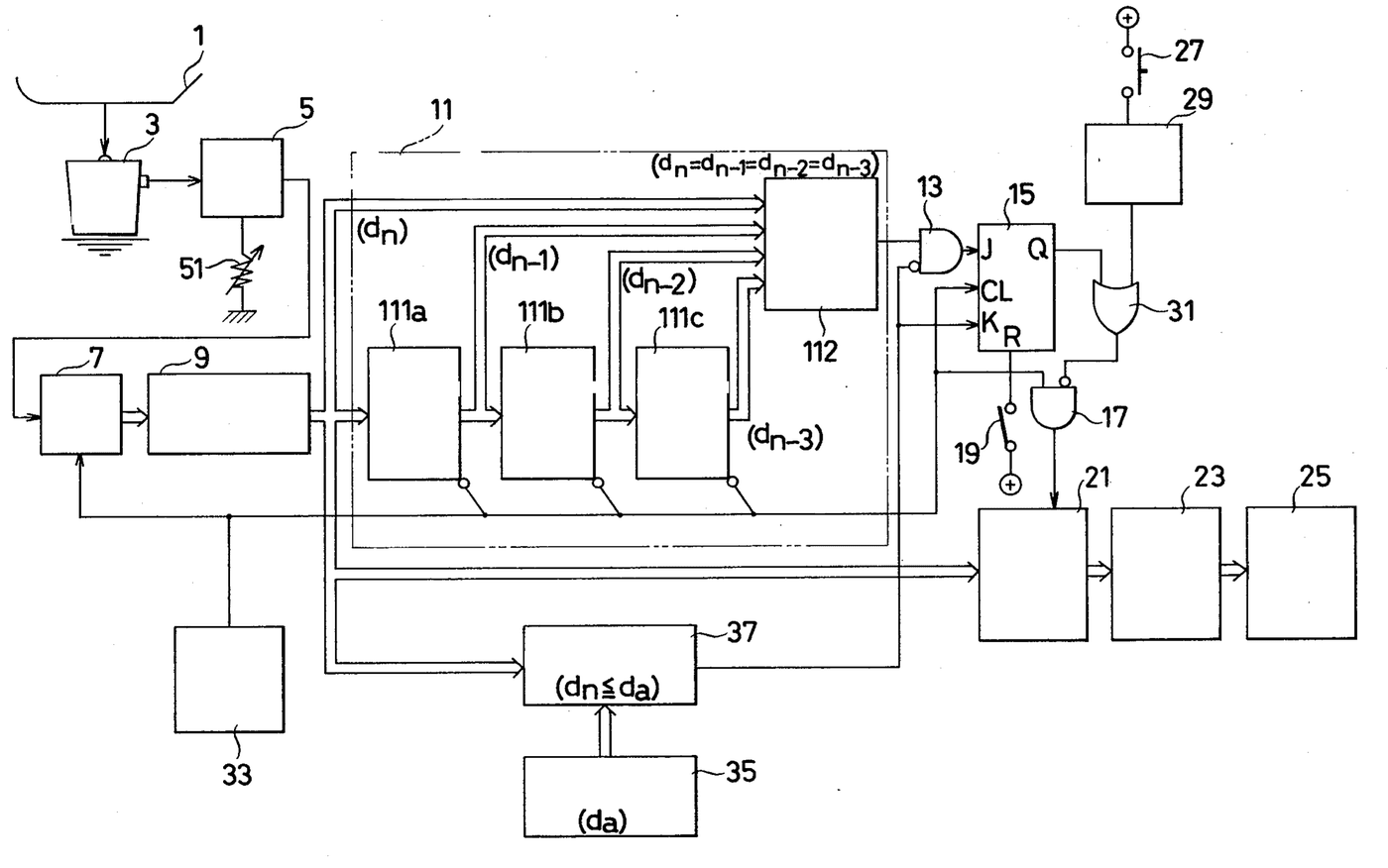
Source: C. B. Akers and others (Arbor Laboratories), US Patent 4,034,819 (1977). Unknown: the resolution, capacity, magnet type, materials and sizes; the circuits are given as blocks only. Picture: patent drawing.
Lanjutan
2 weeks
Arahan
1
1
Build the magnet circuit
Build the magnet circuit
Stack permanent magnets into a column with a soft iron core. Enclose them in an annular outer housing with end caps, shaped so the field crosses a narrow annular air gap at a constriction. Keep the whole structure symmetrical about its vertical axis. Mount it on a support plate fixed to an upright, such as a housing panel on a base. Not given: the magnet type, materials and sizes.
Bahan untuk langkah ini:
 Magnet Kecil1 column
 Rod besi1 soft iron core
 Logam tidak diketahui1 housing and end caps
 Bahan tidak diketahui1 support plate, panel, base
Alatan diperlukan:
 Set pemutar skru
 Dimensi tidak diketahui
2
2
Hang the coil in the gap
Hang the coil in the gap
Wind the coil tightly round the middle of a light bobbin that surrounds the core, the coil sitting in the air gap. Tabs at both ends of the bobbin pass out through holes in the end caps to suspension frames. Hang the frames from thin springy cantilevers fixed to the upright, so the bobbin can only move a short way straight up and down. Keep the bobbin and its suspension as light as possible. Put the weighing pan on top. Ours: enamelled wire.
Bahan untuk langkah ini:
 Dawai Kuprum Bersalut Enamel1 coilBahan tidak diketahui1 bobbin, frames, cantilevers
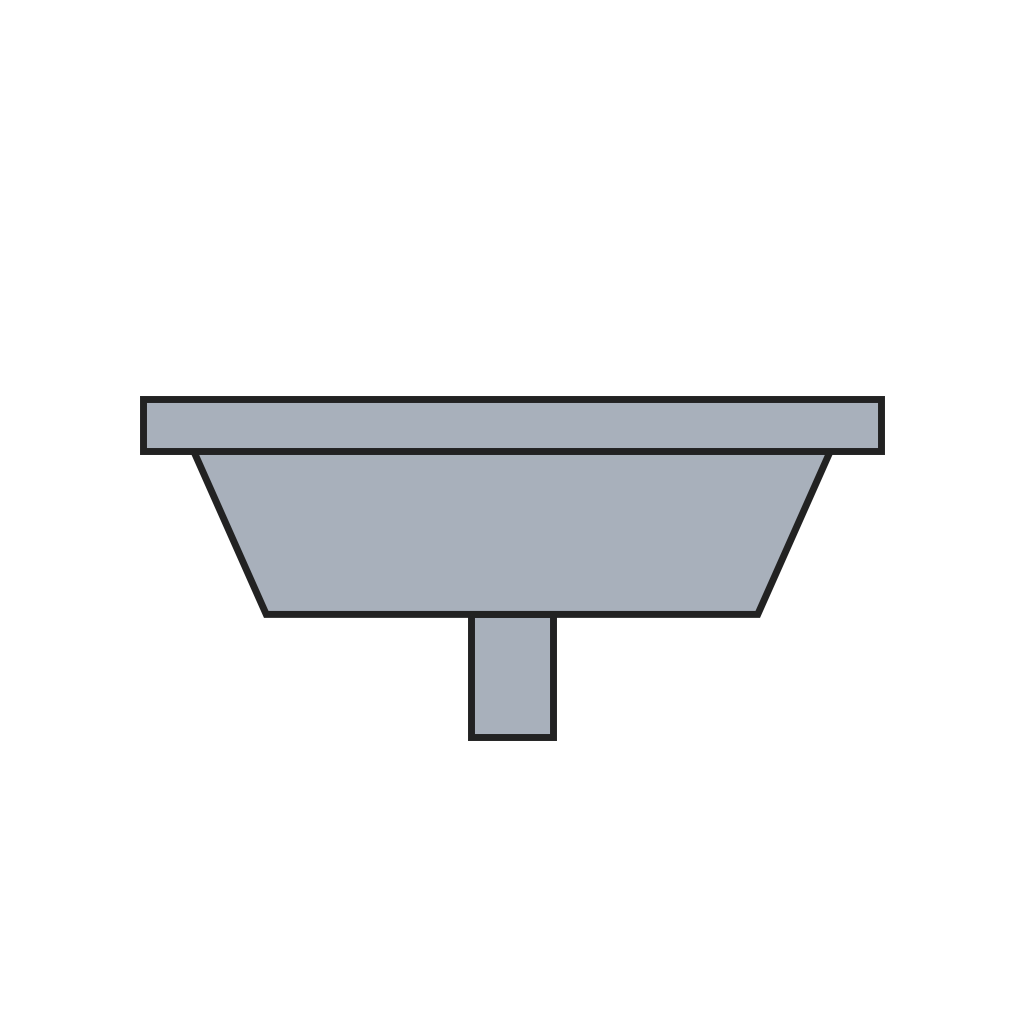 Piring Penimbang1 keping
Alatan diperlukan:
Dimensi tidak diketahui3
3
Fit the capacitor rings
Fit the capacitor rings
Mount four capacitor rings inside the outer housing, two above and two below the air gap, facing matching rings on the bobbin. Cross-connect them so a tilt of the bobbin cancels out and only up-and-down movement shows. Connect them to a signal generator: as the bobbin moves, one set's capacitance rises and the other's falls, and the difference becomes the control voltage.
Bahan untuk langkah ini:
Logam tidak diketahui1 rings Litar bersepadu1 sensing circuit
 Wayar penyambung1 keping
 Dawai Pateri1 a little
Alatan diperlukan:
 Alat pematerian
4
4
Close the servo loop and read the current
Close the servo loop and read the current
Feed the control voltage to a d.c. servo that drives current through the coil, through a flexible lead, until the bobbin is back at its rest position. Pass that current through a large stable resistor, a thermal resistor that corrects for temperature and a calibration potentiometer: the voltage across them stands for the weight. A separate circuit (comparators, saw-tooth generator, oscillator and counter) turns it into a count read out as grams or ounces. Tare is ordinary circuit logic. Ours: a segment LCD; check with calibration weights.
Bahan untuk langkah ini:
Litar bersepadu1 servo and counting circuits Rintangan2 stable resistor, thermal resistor
 Potensiometer1 calibration
 Panel LCD segmen1 displayDawai Pateri1 a little
Alatan diperlukan:
Alat pematerian Set pemberat penentukuran
Bahan
12- 1 columnPemegang Tempat
- 1 soft iron corePemegang Tempat
- 1 ringsPemegang Tempat
- 1 bobbin, frames, cantileversPemegang Tempat
- Pemegang Tempat
- 1 kepingPemegang Tempat
- 1 servo and counting circuitsPemegang Tempat
- 1 kepingPemegang Tempat
- 2 a littlePemegang Tempat
- 2 stable resistor, thermal resistorPemegang Tempat
- Pemegang Tempat
- 1 displayPemegang Tempat
Alatan Diperlukan
4- Pemegang Tempat
- Pemegang Tempat
- 2 vendors sell this, none ship to you yetPemegang Tempat
- Pemegang Tempat
Bahan Blueprint Bersambung
Blueprint ini membuat
Blueprint berkaitan
Blueprint ini berkongsi pengetahuan — teknik, bahan atau prinsip
CC0 Domain Awam
Blueprint ini dikeluarkan di bawah CC0. Anda bebas menyalin, mengubah, mengedar, dan menggunakan karya ini untuk sebarang tujuan, tanpa meminta kebenaran.
Sokong Pembuat dengan membeli produk melalui Blueprint mereka di mana mereka memperoleh Komisen Pembuat ditetapkan oleh Penjual, atau cipta iterasi baru Blueprint ini dan sertakan ia sebagai sambungan dalam Blueprint anda sendiri untuk berkongsi hasil.