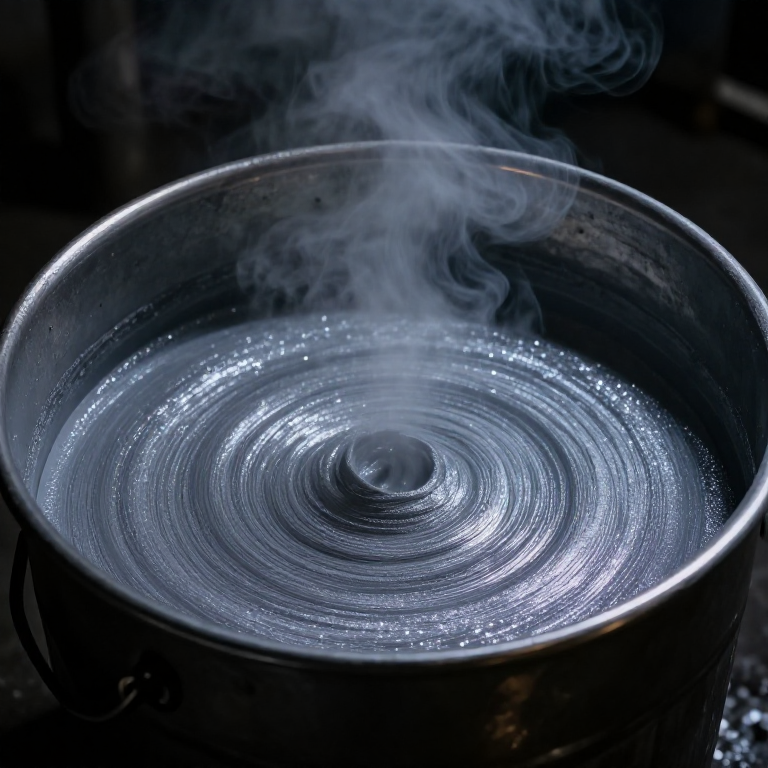


Galvanizing Iron with Zinc — A Coat That Rusts So the Iron Will Not
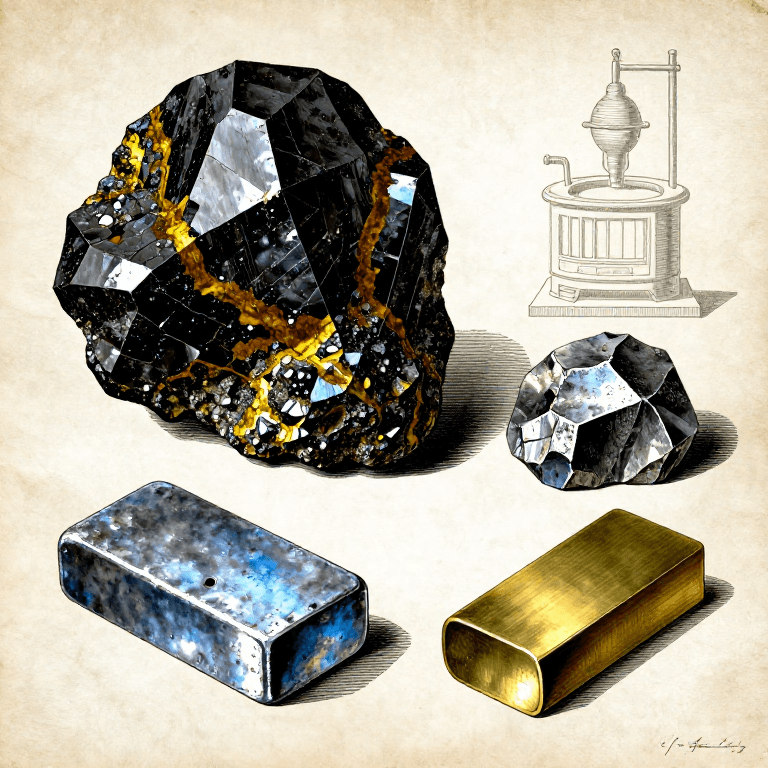
Iron's great weakness is rust. Left in the weather, an iron roof or bucket flakes away to nothing in a few years. In 1837 the French engineer Stanislas Sorel patented a cure that is still used on a vast scale today: dip the iron in a bath of molten zinc. The zinc bonds to the surface and shields the iron beneath, and galvanized iron suddenly lasted for decades outdoors.
The zinc protects in two ways at once. It is a barrier, sealing the iron from air and water — but more cleverly, it is a sacrifice. Zinc is more reactive than iron, so even where the coating is scratched and bare iron shows, the surrounding zinc corrodes first and spares the iron. The coating gives up itself to save the metal underneath.
Hot-dip galvanizing clad the Industrial Revolution's wire, nails, pipes, and the corrugated iron roofs that sheltered half the world. It is simple in principle — clean the iron, flux it, and dip it in molten zinc — but every step matters, because a missed patch of grease or rust leaves a hole in the armour.
Arahan
Understand galvanizing
Understand galvanizing
Degrease the iron
Degrease the iron
Bahan untuk langkah ini:
 Soda kaustik (natrium hidroksida)200 g
Pickle off the rust
Pickle off the rust
Bahan untuk langkah ini:
 Asid sulfurik2 liter
Alatan diperlukan:
 Tangki asid
Rinse and flux
Rinse and flux
Bahan untuk langkah ini:
 Zink ammonium klorida300 g
Dry the fluxed part
Dry the fluxed part
Melt the zinc bath
Melt the zinc bath
Bahan untuk langkah ini:
 Jongkong zink50 kg
Dip the iron
Dip the iron
Alatan diperlukan:
 Penyepit Mangkuk Pijar
Hold until soaked through
Hold until soaked through
Alatan diperlukan:
Penyepit Mangkuk PijarWithdraw and drain
Withdraw and drain
Alatan diperlukan:
 Bakul pencelup
Cool the coating
Cool the coating
Bahan untuk langkah ini:
 Air20 liter
Inspect the coat
Inspect the coat
Alatan diperlukan:
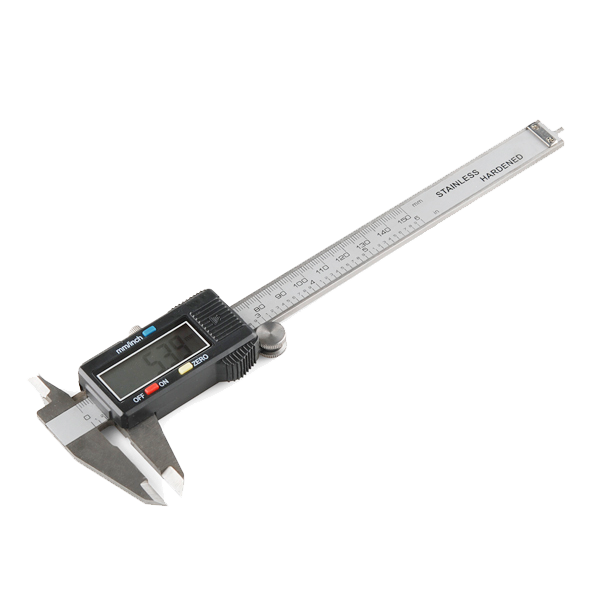 Calipers
Understand sacrificial protection
Understand sacrificial protection
Bahan
5- Pemegang Tempat
- 2 literPemegang Tempat
- Pemegang Tempat
- 50 kgPemegang Tempat
- 20 literPemegang Tempat
Alatan Diperlukan
4- Pemegang Tempat
- Pemegang Tempat
- Pemegang Tempat
- Digital Calipers - 152.4 mm10% komisen$14.06
Bahan Blueprint Bersambung


Blueprint berkaitan
Blueprint ini berkongsi pengetahuan — teknik, bahan atau prinsip

CC0 Domain Awam
Blueprint ini dikeluarkan di bawah CC0. Anda bebas menyalin, mengubah, mengedar, dan menggunakan karya ini untuk sebarang tujuan, tanpa meminta kebenaran.
Sokong Pembuat dengan membeli produk melalui Blueprint mereka di mana mereka memperoleh Komisen Pembuat ditetapkan oleh Penjual, atau cipta iterasi baru Blueprint ini dan sertakan ia sebagai sambungan dalam Blueprint anda sendiri untuk berkongsi hasil.