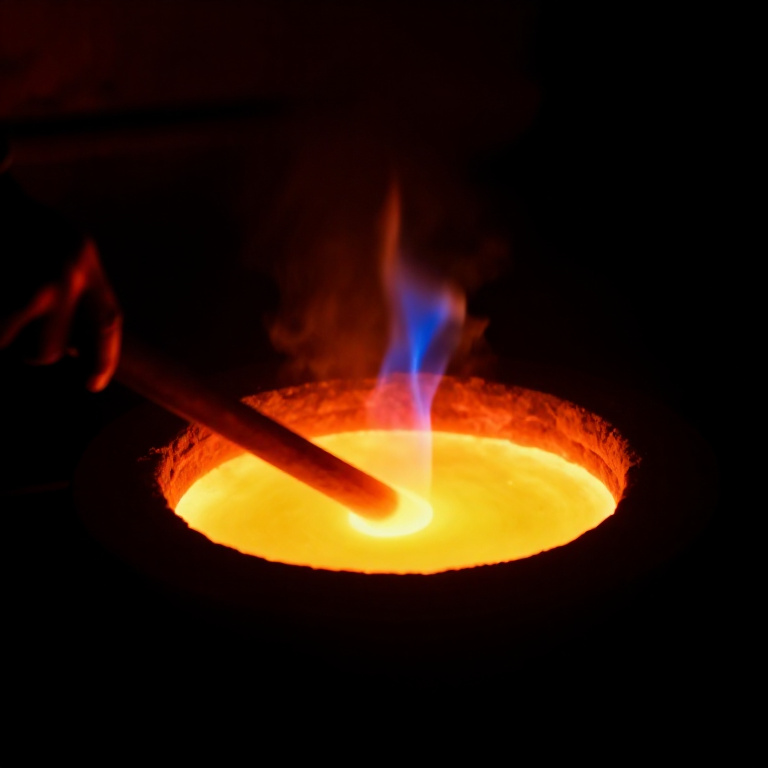


Puddling Wrought Iron from Pig Iron — Burning Out the Carbon in a Reverberatory Furnace
Pig iron straight from the blast furnace is cheap and plentiful but nearly useless for anything that must bend or take a blow: its high carbon makes it brittle as glass. To turn it into the tough, malleable wrought iron that built the railways and bridges of the 1800s, the carbon has to be burned out. Henry Cort's puddling process, patented in 1784, did exactly that — at scale, with coal.
The trick is the reverberatory furnace, which keeps the fuel separate from the metal. Coal burns in a side firebox and the flame is drawn over a low bridge and reflected down off the furnace roof onto a hearth of pig iron, so the sulphurous coal smoke never touches the iron. A workman called a puddler stirs the molten bath through a small door with a long iron rabble, exposing every part of it to the air until the carbon oxidises away.
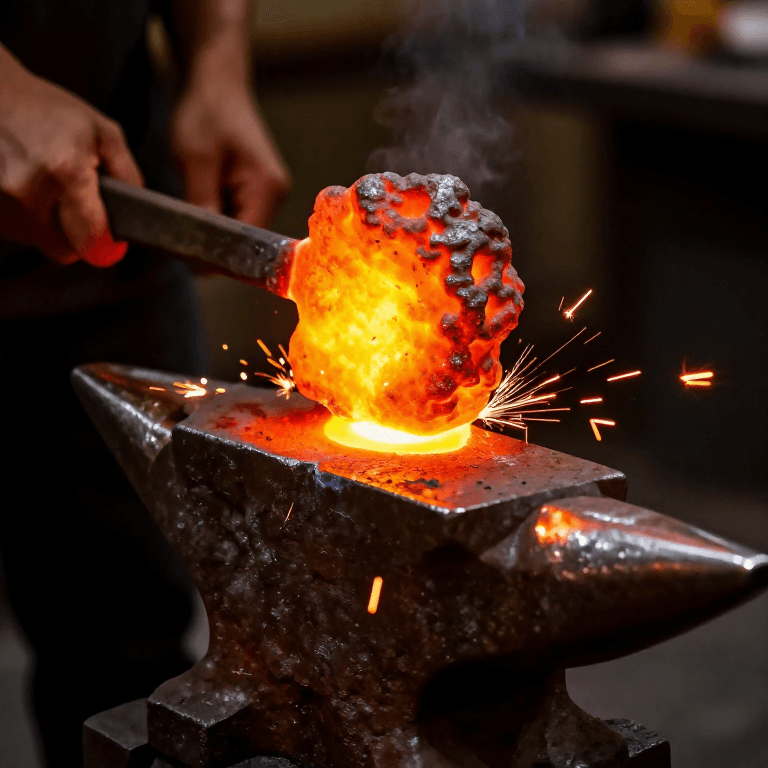
As the carbon leaves, something strange happens: the purer iron's melting point rises above the furnace temperature, so the metal grows stiff and pasty even in the heat. The puddler gathers it into spongy balls, which are then hammered and rolled to squeeze out the slag and consolidate the fibres into bars of wrought iron.
Arahan
Understand the goal
Understand the goal
Build a reverberatory furnace
Build a reverberatory furnace
Bahan untuk langkah ini:
 Bata Tahan Api100 keping
Alatan diperlukan:
 Cangkul Tangan
Fettle the hearth
Fettle the hearth
Bahan untuk langkah ini:
 Kerak besi5 kg
Fire the furnace with coal
Fire the furnace with coal
Bahan untuk langkah ini:
 Arang batu bituminus60 kg
Charge and melt the pig iron
Charge and melt the pig iron
Bahan untuk langkah ini:
 Jongkong besi mentah30 kg
Puddle the bath
Puddle the bath
Alatan diperlukan:
 Batang kacau puddling
Bring on the boil
Bring on the boil
Let it come to nature
Let it come to nature
Alatan diperlukan:
Batang kacau puddlingBall up the iron
Ball up the iron
Alatan diperlukan:
Batang kacau puddlingShingle the ball
Shingle the ball
Alatan diperlukan:
 Tukul besar
Roll into bars
Roll into bars
Alatan diperlukan:
 Mesin gelek kepingan
Identify wrought iron
Identify wrought iron
Alatan diperlukan:
 Tukul
TukulBahan
4- 100 kepingPemegang Tempat
- 5 kgPemegang Tempat
- 60 kgPemegang Tempat
- 30 kgPemegang Tempat
Alatan Diperlukan
5- Pemegang Tempat
- Pemegang Tempat
- Pemegang Tempat
- Pemegang Tempat
- Pemegang Tempat
Bahan Blueprint Bersambung

Blueprint berkaitan
Blueprint ini berkongsi pengetahuan — teknik, bahan atau prinsip
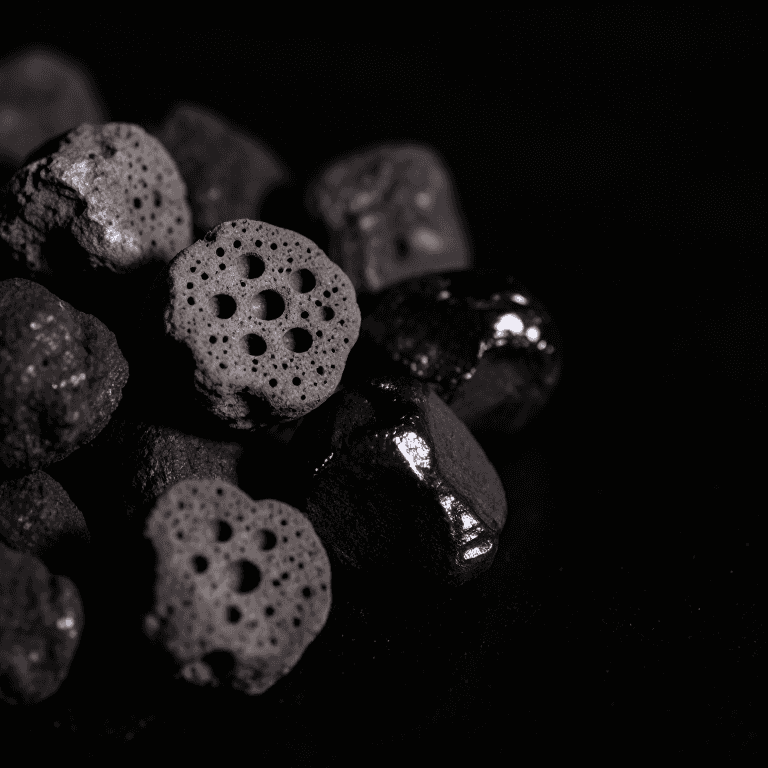

CC0 Domain Awam
Blueprint ini dikeluarkan di bawah CC0. Anda bebas menyalin, mengubah, mengedar, dan menggunakan karya ini untuk sebarang tujuan, tanpa meminta kebenaran.
Sokong Pembuat dengan membeli produk melalui Blueprint mereka di mana mereka memperoleh Komisen Pembuat ditetapkan oleh Penjual, atau cipta iterasi baru Blueprint ini dan sertakan ia sebagai sambungan dalam Blueprint anda sendiri untuk berkongsi hasil.