Kerjasama
SENI
KECANTIKAN & KESEJAHTERAAN
KRAFTANGAN
BUDAYA & SEJARAH
HIBURAN
ALAM SEKITAR
MAKANAN & MINUMAN
KEJURUTERAAN TERBALIK
SAINS
SUKAN
TEKNOLOGI
BOLEH PAKAI
Longquan Celadon Bowls: Glaze of Glaze Stone, Husk-and-Lime Ash and Zijin Clay, Reduction Fired
Clay

Dicipta oleh

Clay

1. November 2026DK
9
0
0
0
0

Longquan Celadon Bowls: Glaze of Glaze Stone, Husk-and-Lime Ash and Zijin Clay, Reduction Fired

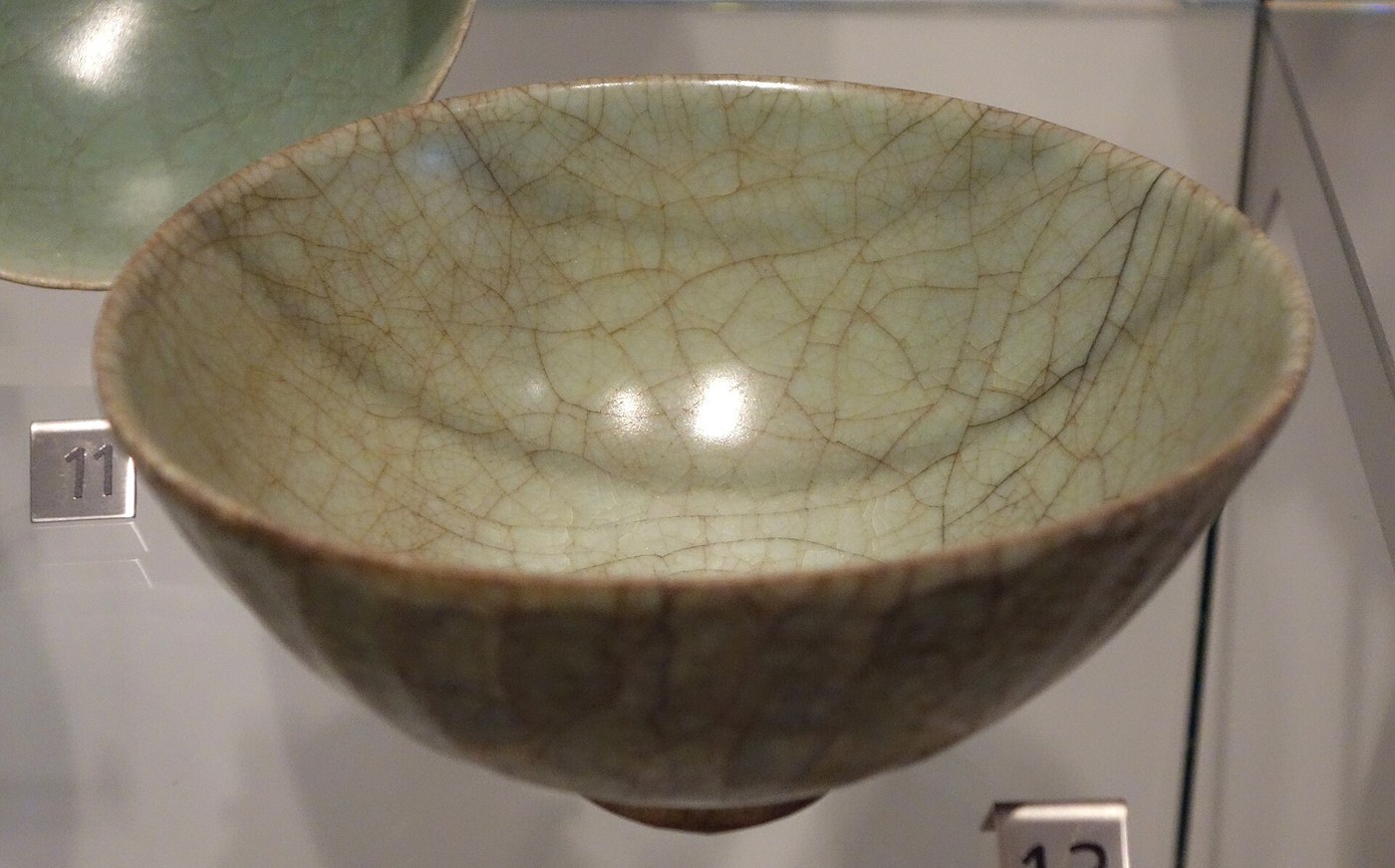
Longquan celadon, made in Longquan, China, since the 10th century, is a thick jade-green glaze over a bisque-fired body. The glaze is three powders washed out of local materials: glaze stone, the ash of rice husk burnt together with limestone, and iron-rich Zijin clay. Fired in reduction between 900 and 1230 °C, the iron in the glaze turns blue-green. Result: thick-glazed, jade-green celadon bowls. Source: the video 'Longquan celadon' by Shanbai (2025), checked frame by frame against its captions. Not given: amounts, the glaze proportion, ageing times, how iron is taken out, firing times. Unknown: the clay body of the bowls; the video does not show it. Photo: Southern Song Longquan bowl, Royal Ontario Museum, by Daderot (CC0).
Lanjutan
several weeks

Arahan

1

Watch: Longquan celadon from stone to bowl

The whole process in eight minutes, by Shanbai: preparing the three glaze materials, throwing and bisque firing the bowls, glazing, and the reduction firing.
2

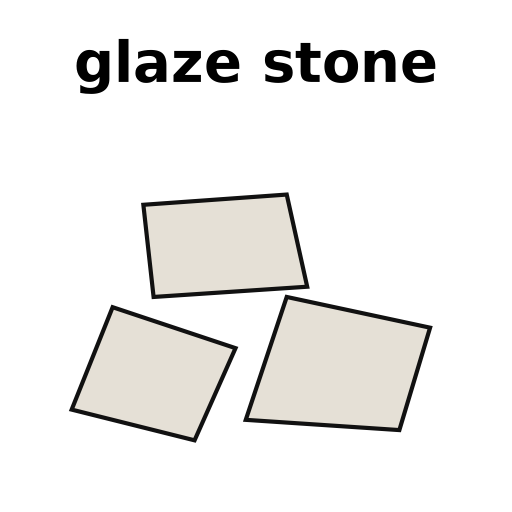
Pound the glaze stone

Crush the glaze stone in a stone mortar with a foot-trodden pestle.

Bahan untuk langkah ini:

Batu sayuBatu sayu1 as required

Alatan diperlukan:
Lesung pijakLesung pijak
3

Sieve and settle the stone

Sieve the crushed stone and pound the coarse bits again. Stir the fine stone into water in a vat, sieve off the fine particles suspended in the water into another vat, and let them settle.

Alatan diperlukan:

Set penapis (mata bergred)Set penapis (mata bergred)
AirAir
Balang Seramik BertutupBalang Seramik Bertutup
SendukSenduk
4

Burn rice husk with limestone

In a brick-edged bed outdoors, lay rice husk and limestone in alternate layers and burn them. Turn the materials several times during the firing so the husk burns completely.

Bahan untuk langkah ini:

Sekam padiSekam padi1 as required
Blok batu kapurBlok batu kapur1 as required

Alatan diperlukan:
BataBata
PenyodokPenyodok
5

Sieve and wash the ash

Sieve the ash into a vat. Add water and ladle it through a fine sieve into a fresh vat. While this 'black glaze' settles, change the water and wash it several times.

Alatan diperlukan:

Set penapis (mata bergred)Set penapis (mata bergred)
Balang Seramik BertutupBalang Seramik Bertutup
AirAir
SendukSenduk
6

Mill and settle the Zijin clay

Grind the dry Zijin clay to powder in a stone hand mill. Mix it well with water, sieve it into a fresh vat and let the fine particles settle.

Bahan untuk langkah ini:

Tanah liat ZijinTanah liat Zijin1 as required

Alatan diperlukan:
Pengisar tangan batuPengisar tangan batu
AirAir
Set penapis (mata bergred)Set penapis (mata bergred)
Balang Seramik BertutupBalang Seramik Bertutup
7

Dewater in bags, then age

Drain the water off each of the three vats without stirring up the settled powder. Scoop each paste into a cloth bag, lay the bags on a board and press them under a millstone. When they are dewatered to a certain degree, let them age for a while. Not given: how long. Ours: linen bags (as in the transcript).

Alatan diperlukan:

SendukSenduk
Beg linenBeg linen
Batu kisar tanganBatu kisar tangan
8

Throw the bowls

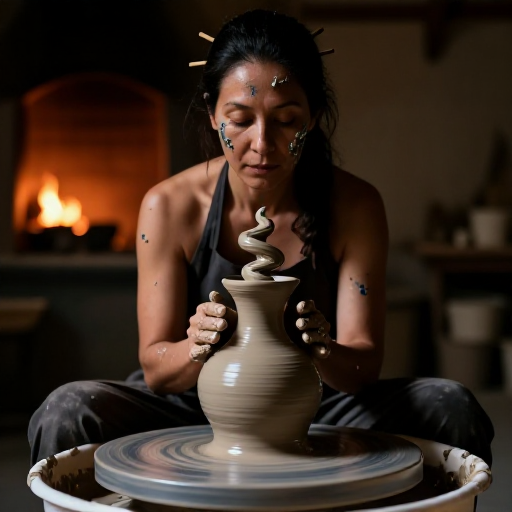
Throw the bowls on the wheel and let them air-dry in the shade. Unknown: the clay body; the video does not show what it is or how it is made.

Bahan untuk langkah ini:

Badan tanah liat tidak diketahuiBadan tanah liat tidak diketahui1 as required

Alatan diperlukan:
Roda tukang tembikarRoda tukang tembikar

9

Trim and stamp

Set each dry bowl upside down on a chuck on the wheel, trim the outside and the foot smooth, and stamp your mark in the foot.

Alatan diperlukan:

Roda tukang tembikarRoda tukang tembikar
Alat pelarik kayu basahAlat pelarik kayu basah
Cop tembikarCop tembikar
10

Bisque fire at about 800 °C

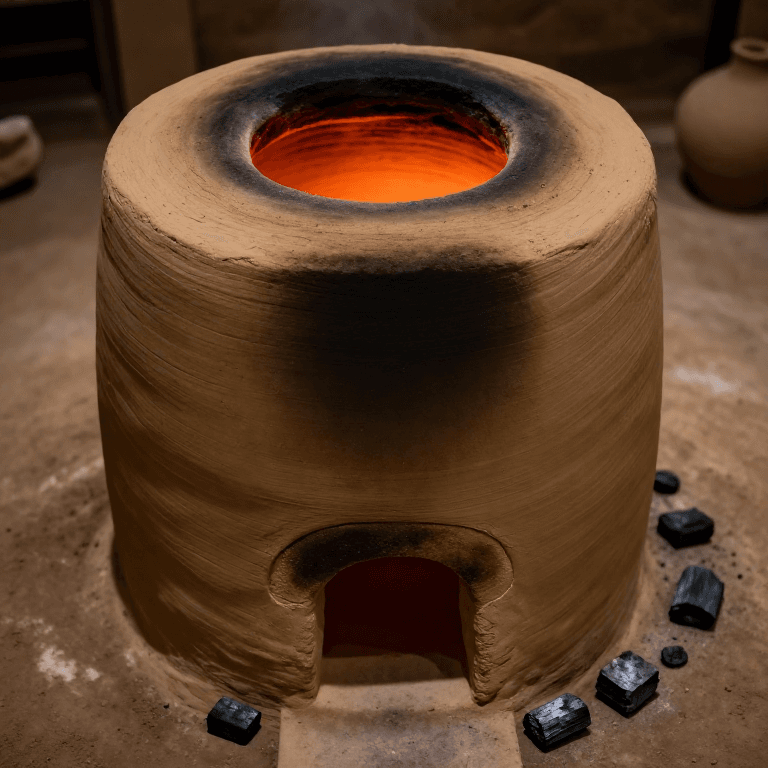
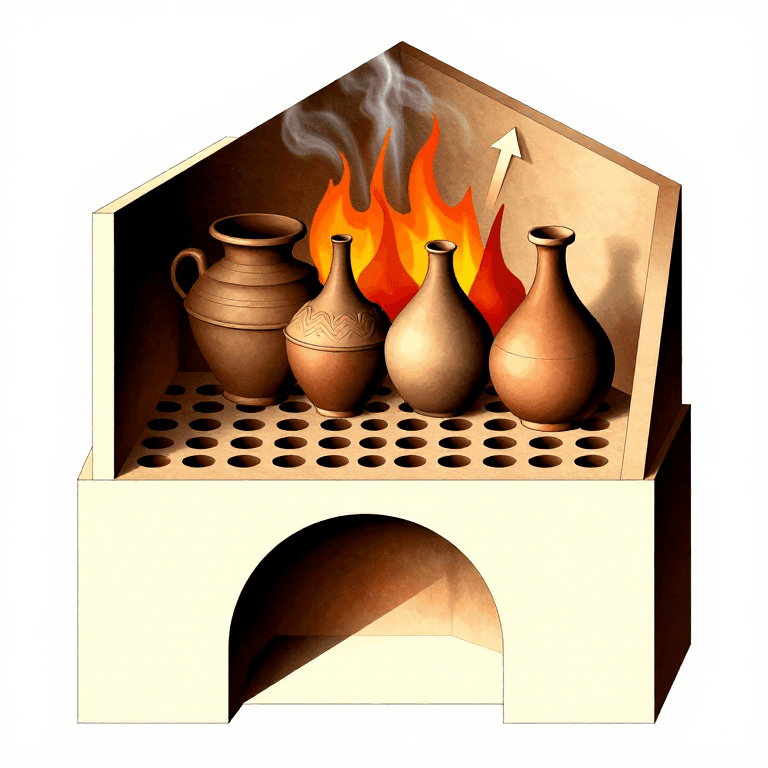
Stack the bowls in the kiln, brick up the door and seal it with mud, and fire with wood to about 800 °C. The bisque firing makes the body stronger and more absorbent, so the glaze takes better.

Alatan diperlukan:

TanurTanur
BataBata
Kayu ApiKayu Api
PirometerPirometer
11

Make the glaze

Mix the burnt husk-and-lime ash, the glaze stone and the Zijin clay in proportion, add about an equal amount of water, stir and grind fine. Sieve it, take out the iron, and let the glaze age in the glaze vat. Not given: the proportion, how the iron is removed, how long it ages. Rice husk ash, glaze stone and Zijin clay give the silica, feldspar and kaolin; Zijin clay's iron is the colourant; lime and the potash and soda of feldspar lower the melting point.

Alatan diperlukan:

Lesung dan Alu BatuLesung dan Alu Batu
AirAir
Set penapis (mata bergred)Set penapis (mata bergred)
Balang Seramik BertutupBalang Seramik Bertutup
12

Dip the bowls

Hold each bisque bowl with wire tongs and dip it into the glaze. Let it air-dry.

Alatan diperlukan:

Penyepit celup sayuPenyepit celup sayu
Balang Seramik BertutupBalang Seramik Bertutup
13

Spray on more glaze

Set the bowl upside down on a chuck on the wheel and spray glaze evenly over the outside with a mouth-blown sprayer. Repeated bisque firings, dipping and thin spray coats build a thick glaze; Longquan celadon is a lime-alkali glaze that stays put at high temperature. Scrape the glaze off the foot with a knife.

Alatan diperlukan:

Roda tukang tembikarRoda tukang tembikar
Penyembur sayu tiup mulutPenyembur sayu tiup mulut
PisauPisau
14

Reduction fire in saggars

Set the bowls in saggars, stack them in the kiln and seal the door. Between 900 °C and 1230 °C, feed fuel often, and when combustion is insufficient fire in reduction: the iron in the glaze gives up oxygen, and the mix of divalent and trivalent iron turns the glaze blue-green. Not given: how long the firing takes.

Alatan diperlukan:

Kotak bakar tahan apiKotak bakar tahan api
TanurTanur
BataBata
Kayu ApiKayu Api
PirometerPirometer

Bahan

5

Alatan Diperlukan

21

CC0 Domain Awam

Blueprint ini dikeluarkan di bawah CC0. Anda bebas menyalin, mengubah, mengedar, dan menggunakan karya ini untuk sebarang tujuan, tanpa meminta kebenaran.

Sokong Pembuat dengan membeli produk melalui Blueprint mereka di mana mereka memperoleh Komisen Pembuat ditetapkan oleh Penjual, atau cipta iterasi baru Blueprint ini dan sertakan ia sebagai sambungan dalam Blueprint anda sendiri untuk berkongsi hasil.

Perbincangan

(0)

Log masuk untuk menyertai perbincangan

Memuatkan komen...