Smelting Copper from Malachite — From Green Ore to Red Metal
Arahan
Fahami kimia prosesnya
Fahami kimia prosesnya
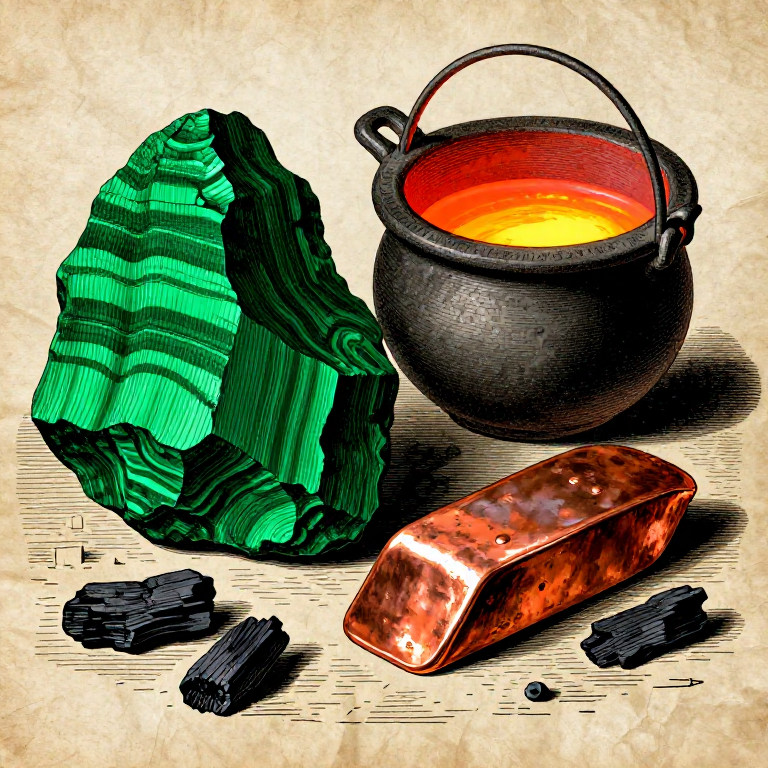
Malakit terurai apabila dipanaskan: Cu₂CO₃(OH)₂ → 2CuO + CO₂ + H₂O (pada ~300°C). Kuprum oksida yang terhasil (CuO) kemudian diturunkan oleh karbon monoksida daripada arang yang terbakar: CuO + CO → Cu + CO₂. Kuprum melebur pada 1085°C. Jumlah hasil kuprum daripada malakit tulen adalah kira-kira 57.5%.
Hancurkan malakit
Hancurkan malakit
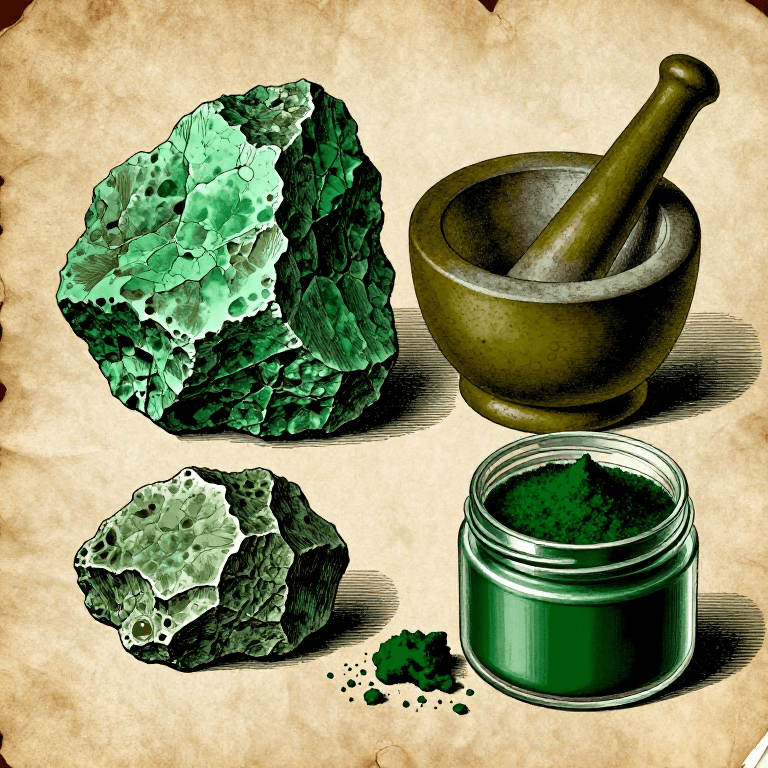
Pecahkan malakit menjadi kepingan lebih kecil daripada 1 cm menggunakan tukul dan andas. Semakin halus penghancuran, semakin cepat dan lengkap penurunan. Gunakan lesung dan alu untuk penghancuran akhir jika ada. Sasarkan kepingan seukuran kacang atau lebih kecil.
Bahan untuk langkah ini:
 Bijih malakit2 kilogram
Alatan diperlukan:
 Tukul Geologi
 Lesung dan Alu
Sediakan pijar
Sediakan pijar
Gunakan pijar tanah liat yang boleh menahan 1200°C atau lebih. Pijar grafit-tanah liat adalah yang paling sesuai. Pijar perlu muat sekurang-kurangnya 500 ml. Jika membuat sendiri, campurkan tanah liat tahan api dengan pasir (nisbah 2:1) dan bakar perlahan dalam relau hingga 1000°C sebelum digunakan. Pijar yang dibakar terlebih dahulu kurang retak.
Bahan untuk langkah ini:
 Mangkuk Pijar Tanah Liat Tahan Api1 keping
Layer ore and charcoal in the crucible
Layer ore and charcoal in the crucible
Place a 2 cm layer of charcoal pieces at the bottom of the crucible. Add a layer of crushed malachite (2-3 cm). Top with another layer of charcoal. The charcoal both provides carbon for reduction and protects the copper from re-oxidation. Fill to about 2/3 full.
Bahan untuk langkah ini:
 Arang Ketulan5 kilogram
Build or prepare the forge
Build or prepare the forge
You need a forge or furnace capable of reaching 1100-1200°C. A simple charcoal forge with forced air (bellows or blower) works well. The crucible sits in a bed of burning charcoal with additional charcoal piled around and above it. The air supply must be controllable.
Bahan untuk langkah ini:
 Cakera arang20 kilogram
Alatan diperlukan:
 Hembusan Angin
Put on safety equipment
Put on safety equipment
Copper smelting involves extreme heat, toxic fumes, and molten metal. Wear: leather apron, leather gauntlet gloves, face shield, safety boots (no synthetic materials). Work outdoors or in a well-ventilated space. Copper oxide fumes cause metal fume fever if inhaled. Keep a bucket of dry sand nearby for spill containment.
Alatan diperlukan:
 Apron Kulit
 Sarung Tangan Kulit Berlengan
 Perisai Muka
 Baldi pasir kering
Light the forge and preheat
Light the forge and preheat
Light the forge charcoal and bring it to full heat over 30-45 minutes with gentle bellows action. Place the loaded crucible into the forge once the coals are glowing white-hot. Pack charcoal tightly around the crucible. Increase bellows speed gradually.
Maintain temperature for 2-3 hours
Maintain temperature for 2-3 hours
Keep the forge at 1100-1200°C for 2-3 hours. The malachite first decomposes (green changes to black CuO at ~300°C), then the CuO reduces to copper as temperature climbs. Add charcoal to the forge as needed to maintain heat. The crucible contents will shrink as CO₂ gas escapes.
Check for completion
Check for completion
After 2-3 hours, carefully lift the crucible lid with tongs and peek inside. You should see a bright orange-red pool of molten copper beneath a layer of slag (glassy dark material). If you see unmelted green or black chunks, continue heating for another 30 minutes.
Alatan diperlukan:
 Penyepit Bertangkai Panjang
Prepare the ingot mold
Prepare the ingot mold
While the copper melts, prepare a sand mold or a flat stone depression for pouring. Preheat the mold with a torch to prevent thermal shock cracking. A simple bar-shaped mold carved into a sandstone block works well. Ensure the mold is completely dry — any moisture causes explosive splattering of molten metal.
Alatan diperlukan:
 Acuan jongkong batu pasir
Pour the copper
Pour the copper
Using crucible tongs, lift the crucible from the forge. Tilt slowly to pour molten copper into the mold. The dark glassy slag floats on top and can be held back with a stick while the copper flows under it. Pour steadily — interrupted pours create cold shuts (weak seams).
Alatan diperlukan:
 Penyepit Mangkuk Pijar
Let the ingot cool
Let the ingot cool
Allow the copper ingot to cool in the mold for at least 30 minutes. Do not quench in water — rapid cooling makes copper brittle with internal stresses. Air cooling produces a softer, more workable metal. The copper surface oxidizes to a dark red-brown as it cools.
Remove and clean the ingot
Remove and clean the ingot
Once cool enough to handle (below 100°C), remove the ingot from the mold. Brush off adhering sand and slag with a wire brush. The ingot should have the characteristic salmon-pink color of fresh copper on freshly exposed surfaces. Any dark patches are trapped slag or oxide inclusions.
Alatan diperlukan:
 Set berus dawai
Weigh and assess yield
Weigh and assess yield
Weigh the clean copper ingot. From 2 kg of good malachite ore, expect 800-1000 g of copper (40-50% yield, accounting for slag losses and impurities). Pure malachite would yield 1150 g, but field-collected ore is rarely pure. Record the yield for future optimization.
Alatan diperlukan:
 Penimbang Dapur Digital
Test the copper quality
Test the copper quality
Hammer the edge of the ingot on an anvil. Good copper deforms plastically without cracking — it is one of the most malleable metals. If it cracks, it contains too much slag or oxide. File a small area to expose fresh metal — pure copper is salmon-pink. A green tinge indicates incomplete reduction.
Alatan diperlukan:
 Kikir Logam
Store the copper ingot
Store the copper ingot
Copper oxidizes slowly in air (forming green patina over months). For short-term storage, keep dry. For long-term, coat with a thin layer of oil. Label with date, source ore, and weight. This copper is ready for casting, hammering into sheet, or alloying with tin to make bronze.
Bahan
4- 2 kilogramPemegang Tempat
- Pemegang Tempat
- 5 kilogramPemegang Tempat
- 20 kilogramPemegang Tempat
Alatan Diperlukan
15- Pemegang Tempat
- Pemegang Tempat
- Pemegang Tempat
- Pemegang Tempat
- Pemegang Tempat
- Pemegang Tempat
- Pemegang Tempat
- Pemegang Tempat
- Pemegang Tempat
- Pemegang Tempat
- Pemegang Tempat
- Pemegang Tempat
- Pemegang Tempat
- Pemegang Tempat
Bahan Blueprint Bersambung
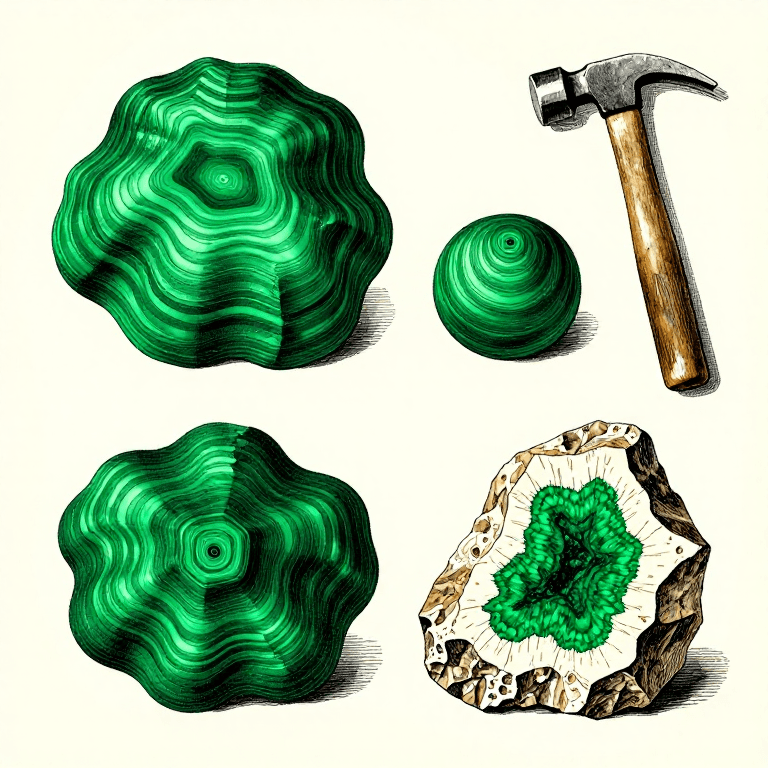
Identifying and Collecting Malachite — Copper Carbonate Ore from the Earth
oleh Peter
Kerja Logam
Recovering Selenium from Copper Refinery Anode Slime — The Photoconductor That Sees Light
oleh Peter
Perlombongan
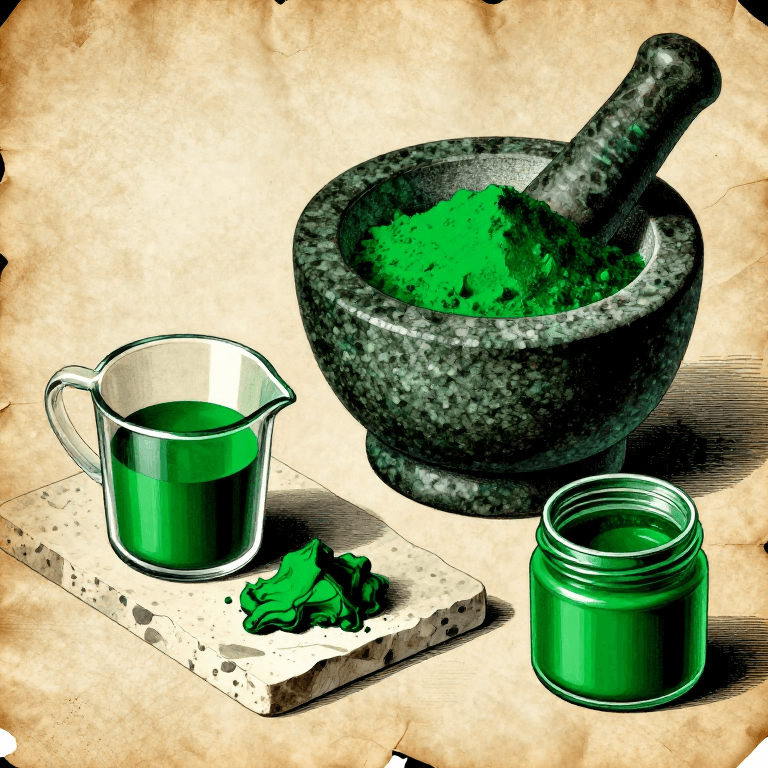
Making Malachite Green Pigment — Grinding the Copper Mineral into Painter's Green
oleh Charlie
SENI
Blueprint berkaitan
Blueprint ini berkongsi pengetahuan — teknik, bahan atau prinsip
CC0 Domain Awam
Blueprint ini dikeluarkan di bawah CC0. Anda bebas menyalin, mengubah, mengedar, dan menggunakan karya ini untuk sebarang tujuan, tanpa meminta kebenaran.
Sokong Pembuat dengan membeli produk melalui Blueprint mereka di mana mereka memperoleh Komisen Pembuat ditetapkan oleh Penjual, atau cipta iterasi baru Blueprint ini dan sertakan ia sebagai sambungan dalam Blueprint anda sendiri untuk berkongsi hasil.