IṢẸ́ ỌNÀ
ẸWÀ ÀTI ÌLERA
IṢẸ́ ỌWỌ́
ÀṢÀ ÀTI ÌTÀN
ÌṢERÉ
ÀYÍKÁ
OÚNJẸ ÀTI OHUN MÍMU
REVERSE ENGINEERING
SÁYẸ́ǸSÌ
ERÉ ÌDÁRAYÁ
ÌMỌ̀-Ẹ̀RỌ
ÀWỌN OHUN WÍWỌ̀
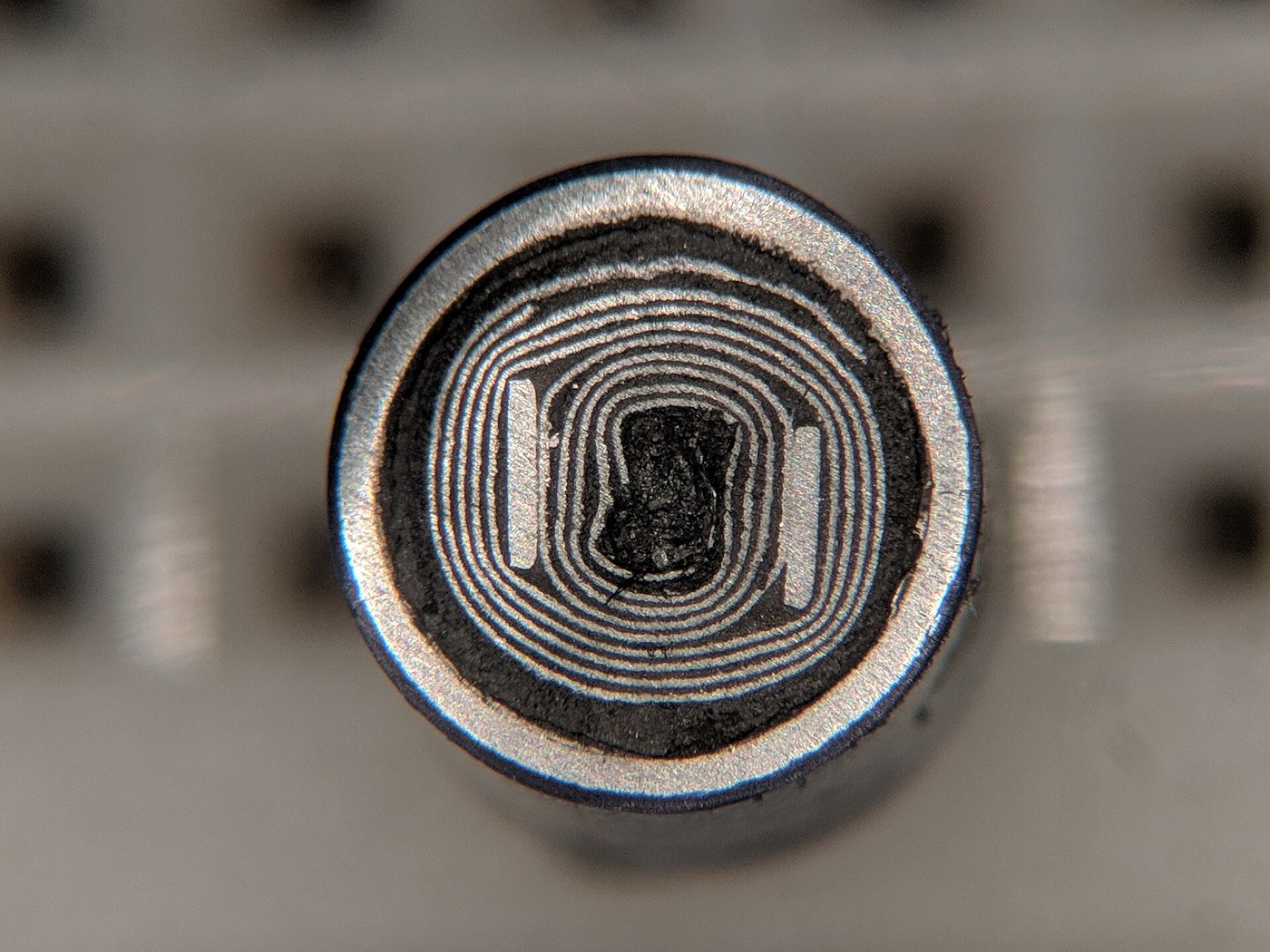

Aluminium Electrolytic Capacitors: Wound, Soaked and Sealed
An aluminium electrolytic capacitor is two aluminium foils wound up with a paper spacer between them. The anode foil is etched rough to multiply its surface and then "formed": a voltage in an electrolytic bath grows an insulating oxide layer whose thickness follows the forming voltage, and that oxide is the dielectric. The liquid electrolyte soaked into the paper, commonly ethylene glycol with boric acid, is the real cathode; the second foil only connects to it. The foils and paper are cut to width, wound with their terminals welded on, soaked with electrolyte under vacuum, put in an aluminium can, sealed with a rubber disc by curling the can's edge, sleeved, and finally run at rated voltage in heat to heal any oxide damaged by cutting and winding.
Ilọsíwájú
Factory process
Ìlànà
1
1
Cut the foils and paper
Cut the foils and paper
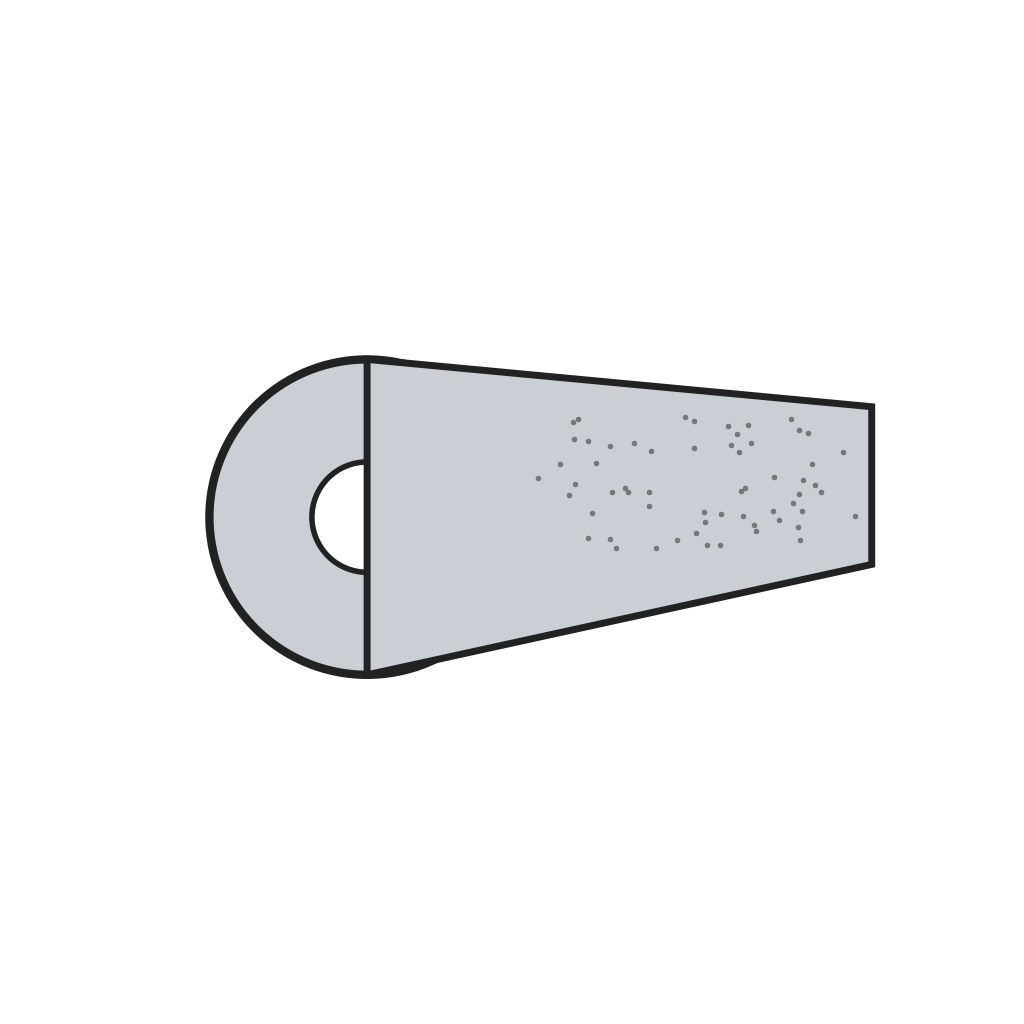
Cut the etched and formed anode foil, the spacer paper and the cathode foil from their mother rolls to width.
Àwọn ohun èlò fún ìgbésẹ̀ yìí:
 Fọ́ìlì anode tí a gbẹ́ tí a sì ṣẹ̀dá1 as required
 Bébà Alumíníọ̀mù1 as required
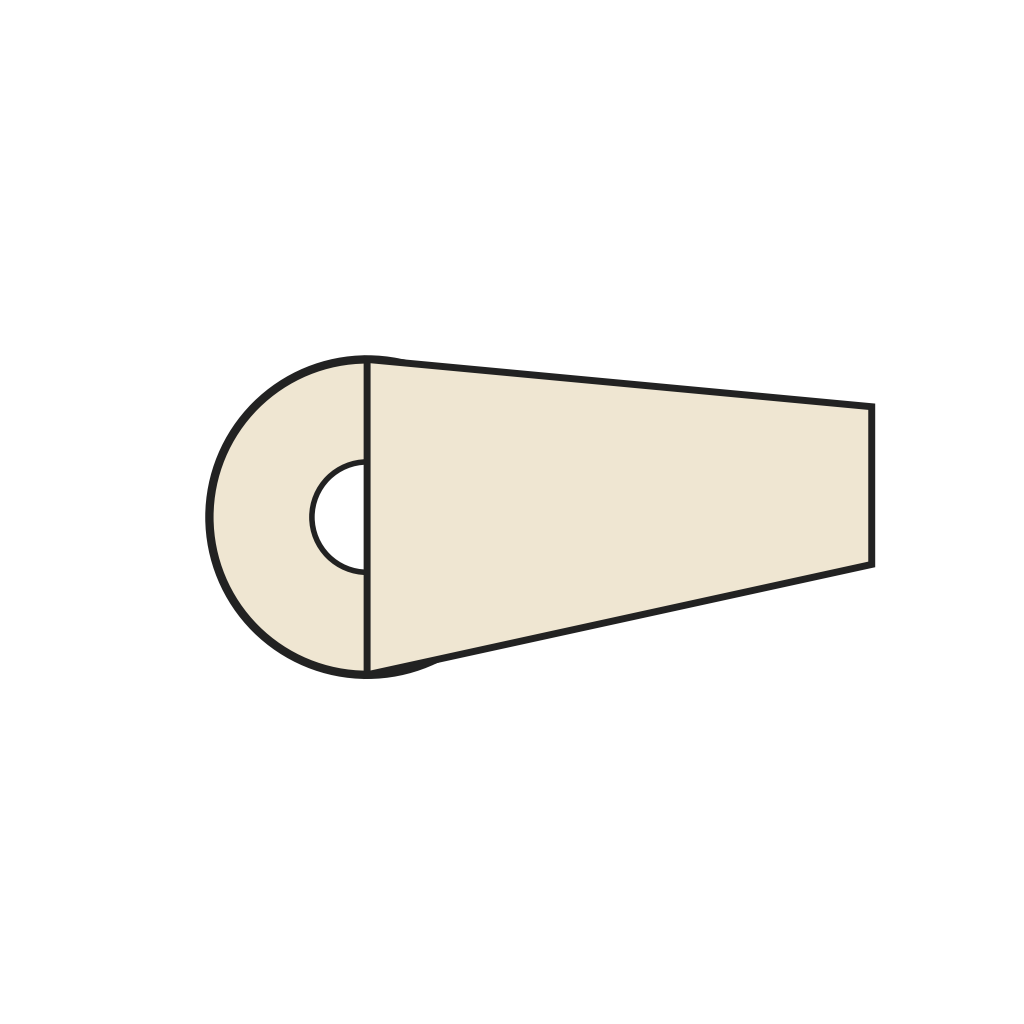 Bébà ìyàsọ́tọ̀ capacitor1 as required
2
2
Wind
Wind
Weld on the terminals, wind the foils with the paper between them, and cut the winding to length.
Àwọn irinṣẹ́ tí a nílò:
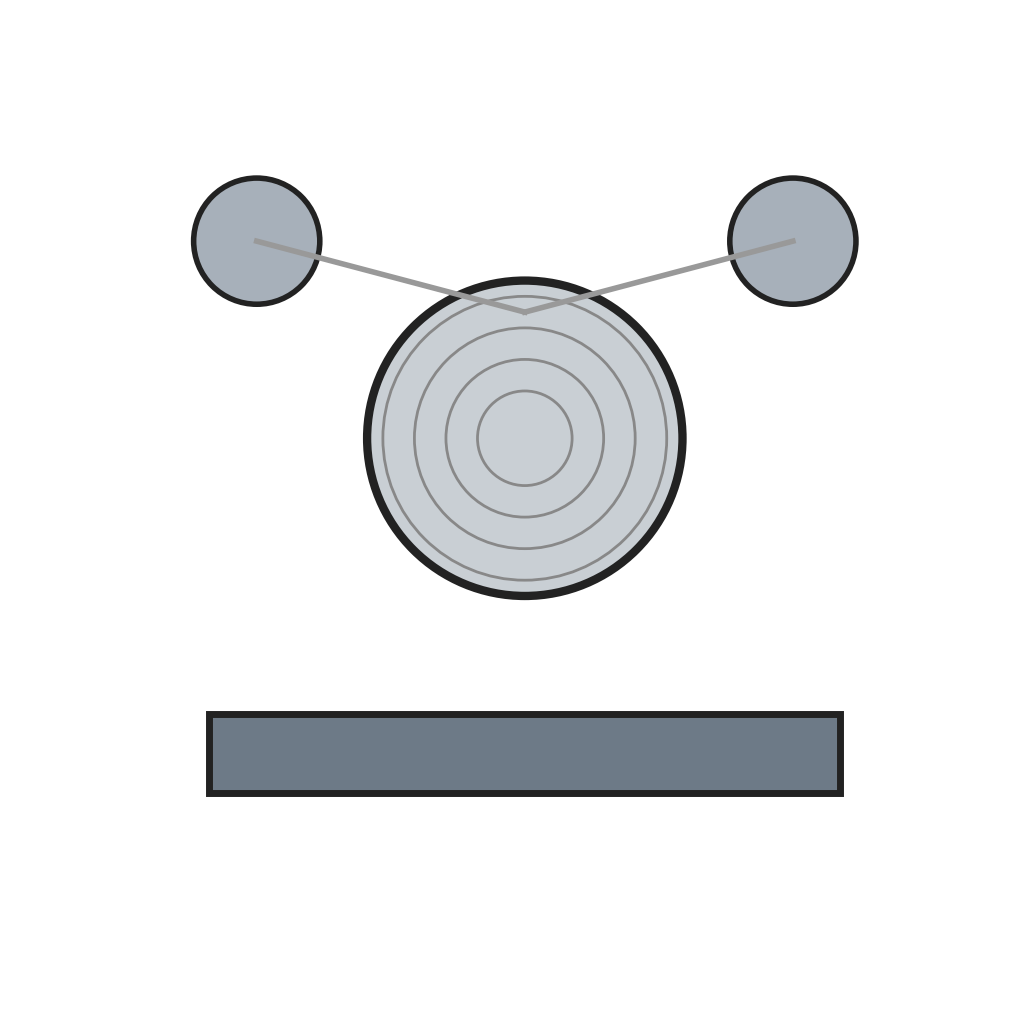 Ẹ̀rọ ìká capacitor
3
3
Impregnate
Impregnate
Soak the winding with electrolyte under vacuum.
Àwọn ohun èlò fún ìgbésẹ̀ yìí:
 Ethylene glycol1 as required
 Acid boric1 as required
Àwọn irinṣẹ́ tí a nílò:
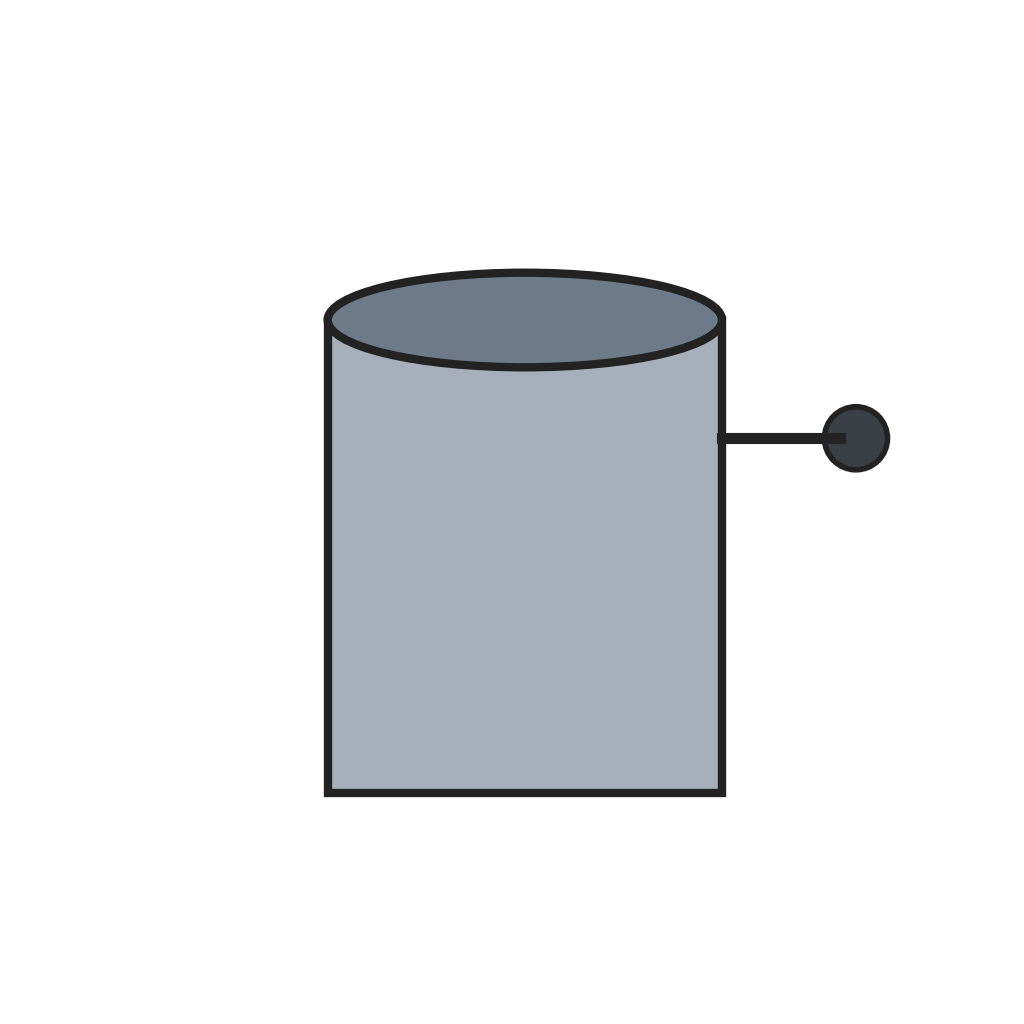 Yàrá ìrinmọ́ òfo-afẹ́fẹ́
4
4
Case and seal
Case and seal
Put the winding in the aluminium can, fit the rubber sealing disc and curl the can's edge to seal it; add the insulating sleeve.
Àwọn ohun èlò fún ìgbésẹ̀ yìí:
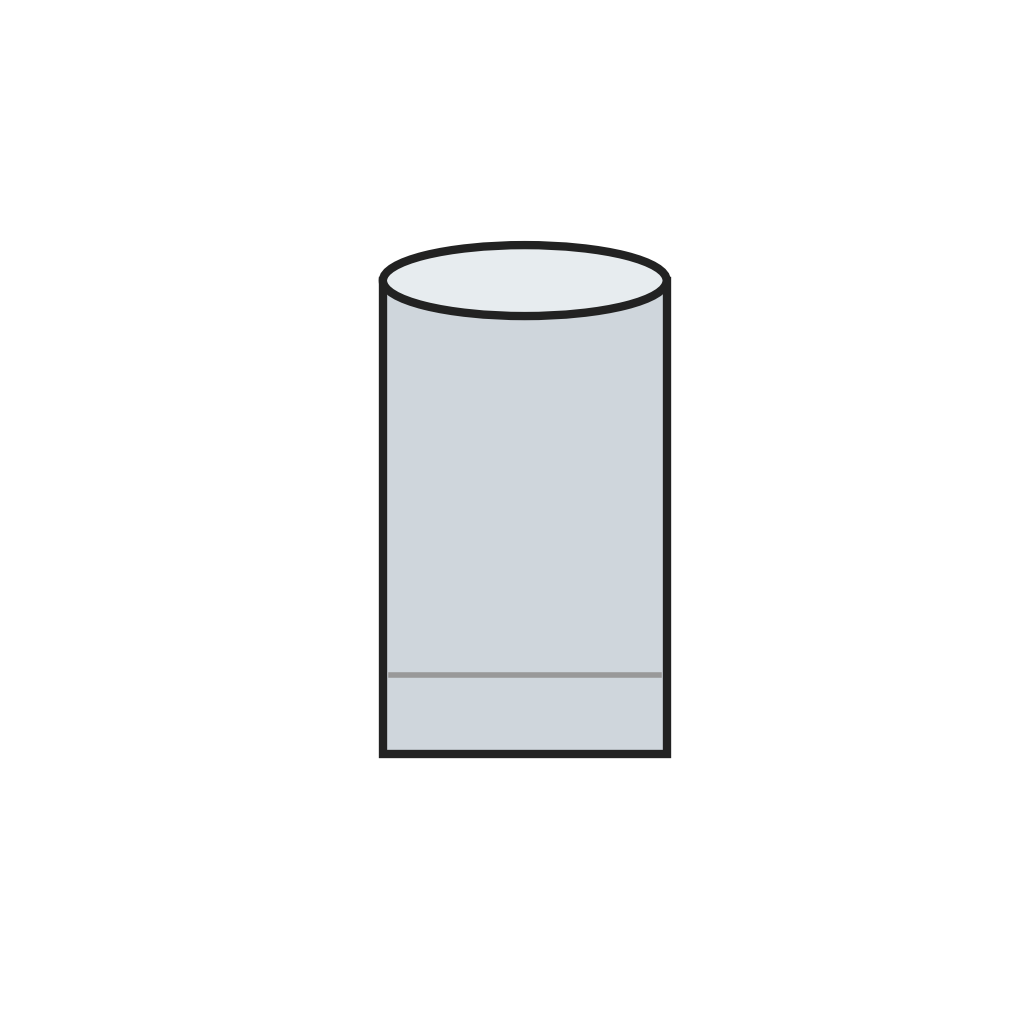 Agolo aluminiọ̀mù capacitor1 ẹyọ
 Àwo rọ́bà ìdí1 ẹyọ
 Tube tí ń hó pẹ̀lú ooru1 ẹyọ
5
5
Post-form and test
Post-form and test
Apply rated voltage at high temperature to heal the oxide, then measure capacitance, leakage current and impedance.
Àwọn irinṣẹ́ tí a nílò:
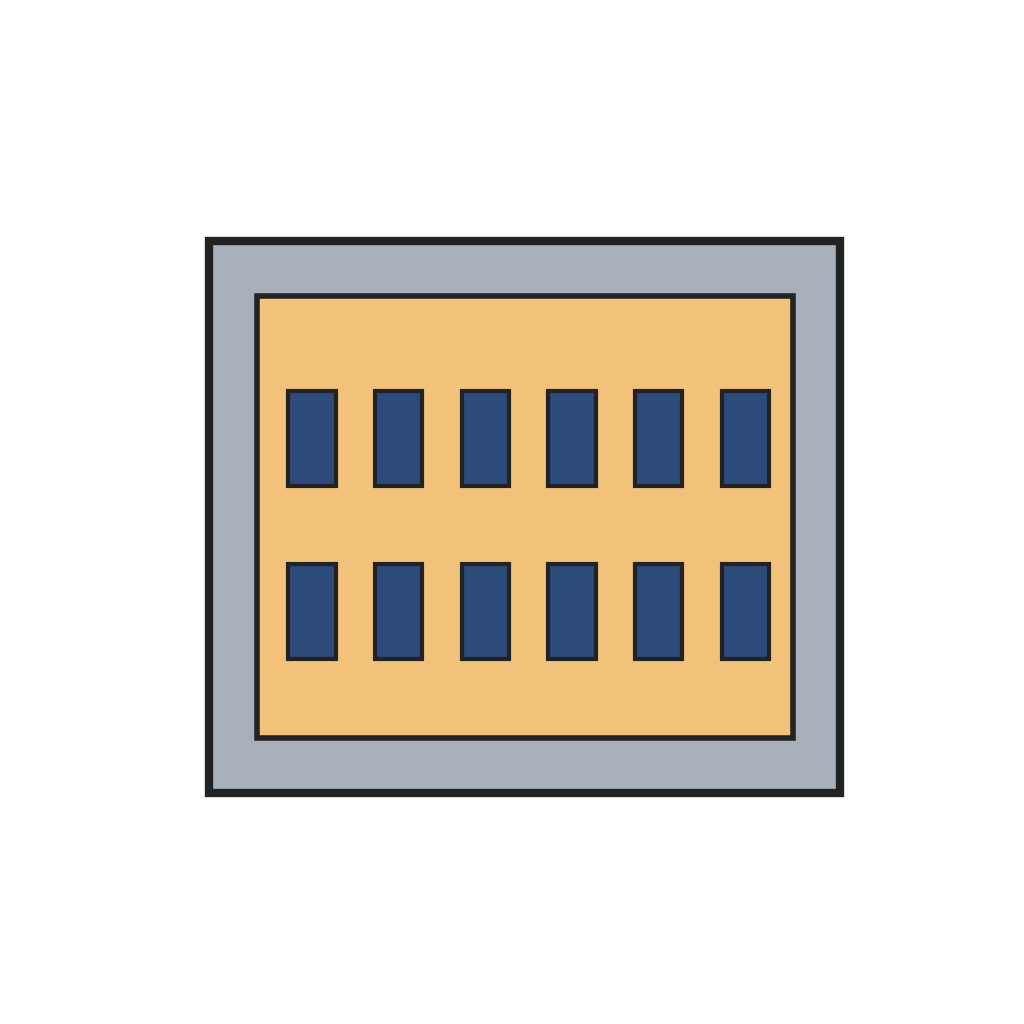 Àpótí ìtúnṣẹ̀dá ní ooru gíga
Àwọn ohun-èlò
8- 1 as requiredÀyè
- 1 as requiredÀyè
- 1 as requiredÀyè
- 1 as requiredÀyè
- 1 as requiredÀyè
- Àyè
- 1 ẹyọÀyè
- Àyè
Àwọn irinṣẹ́ tó nílò
3Ìtọ́nisọ́nà yìí ń ṣe
Blueprint tó jọra
Àwọn blueprint wọ̀nyí pín ìmọ̀ — ọ̀nà, ohun-èlò tàbí ìlànà
CC0 Àgbègbè Gbogbogbò
Blueprint yìí ti jáde lábẹ́ CC0. O lè ṣe àdàkọ, yí padà, pín, àti lò láìsí ìyọ̀ǹda.
Ṣàtìlẹ́yìn Olùṣẹ́dá nípa rírà àwọn ọjà nipasẹ̀ Blueprint wọn Ẹ̀san Olùṣẹ́dá tí àwọn Olùtajà gbé kalẹ̀, tàbí ṣẹ̀dá àtúnṣe tuntun ti Blueprint yìí kí o sì fi sínú Blueprint rẹ gẹ́gẹ́ bí ìsopọ̀ láti pín owó-wíwọlé.