IṢẸ́ ỌNÀ
ẸWÀ ÀTI ÌLERA
IṢẸ́ ỌWỌ́
ÀṢÀ ÀTI ÌTÀN
ÌṢERÉ
ÀYÍKÁ
OÚNJẸ ÀTI OHUN MÍMU
REVERSE ENGINEERING
SÁYẸ́ǸSÌ
ERÉ ÌDÁRAYÁ
ÌMỌ̀-Ẹ̀RỌ
ÀWỌN OHUN WÍWỌ̀
Wikimedia Commons contributor · Public Domain


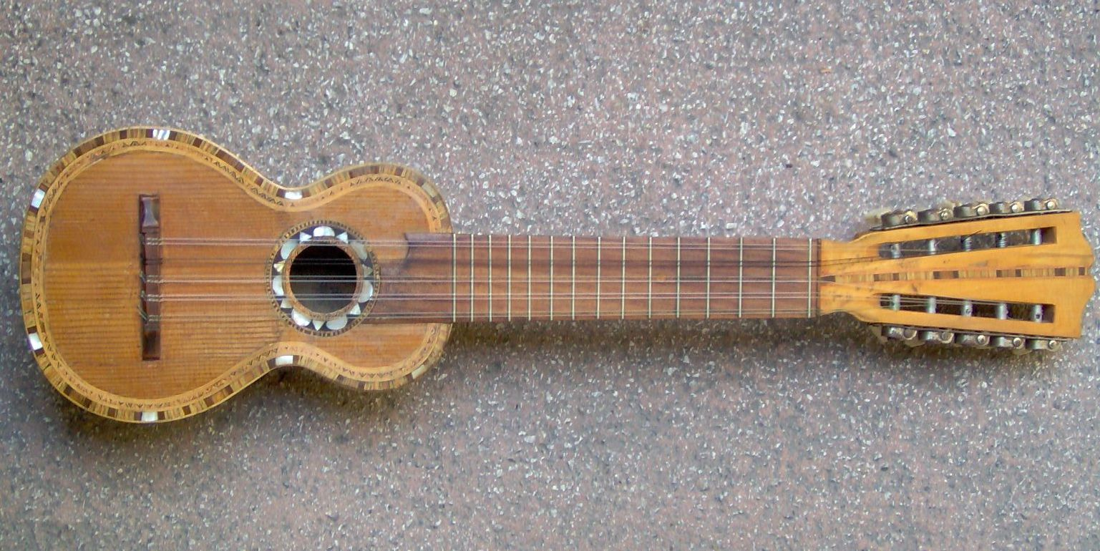
Building a Charango — The Little High Lute of the Andes
Build a charango: a tiny, high-voiced Andean lute with ten strings in five doubled courses, once famously backed with an armadillo shell and now carved from wood. Build the deep little body, fit the fretted neck, tie the frets and string the five courses. A serious maker build in the fretted lute and why a small box sings high.
Àárín
Several hours over several sessions
Ìlànà
1
1
A tiny lute that sings high
A tiny lute that sings high
The charango is a small fretted lute with ten strings in five doubled courses. When the Spanish brought the lute-and-guitar family to the Andes, local makers shrank it and famously backed it with an armadillo shell — small body, short strings, a bright high voice.
2
2
Make the little body
Make the little body
Hollow or build a small, deep rounded soundbox — traditionally an armadillo shell, today carved from a block of wood. Keep it small: a little box is what gives the charango its bright, high sound.
Àwọn ohun èlò fún ìgbésẹ̀ yìí:
 Pákó bloodwood1 ẹyọ
 Ìdìpọ̀ Igi PVA1 ẹyọ
Àwọn irinṣẹ́ tí a nílò:
 Ọ̀bẹ Sìlóìdì
3
3
Fit the soundboard
Fit the soundboard
Glue a thin flat softwood soundboard over the open face and cut a round soundhole in it. This top is the speaker that radiates the strings' vibration.
Àwọn ohun èlò fún ìgbésẹ̀ yìí:
 Pátákó Igi Rírọ̀ Gbígbẹ1 ẹyọ
4
4
Fit the fretted neck
Fit the fretted neck
Fix a straight neck to the body and lay in the frets — little ridges across the neck. Pressing a string against a fret shortens its speaking length and so raises its note; the fret positions are what set the scale.
Àwọn ohun èlò fún ìgbésẹ̀ yìí:
 Òpó Igi Dòwẹ̀lì1 ẹyọ
 Okùn nylon fún fret1 ẹyọ
5
5
String the five courses
String the five courses
Run ten strings in FIVE doubled courses (two strings side by side per course) from a bridge on the soundboard up over the frets to ten tuning pegs. The doubled strings ring together for the charango's shimmering chorus.
Àwọn ohun èlò fún ìgbésẹ̀ yìí:
 Ìṣù okùn gita (acoustic, phosphor bronze)1 ẹyọ
 Ẹ̀kù Ìtúnṣe Okùn10 ẹyọ
6
6
Tune and strum
Tune and strum
Tune the five courses (the classic charango tuning is re-entrant, so it is not simply low-to-high), then strum and pluck. Press behind a fret to change a note, and let the doubled strings shimmer.
7
7
Compendium — the fretted lute, small and high
Compendium — the fretted lute, small and high
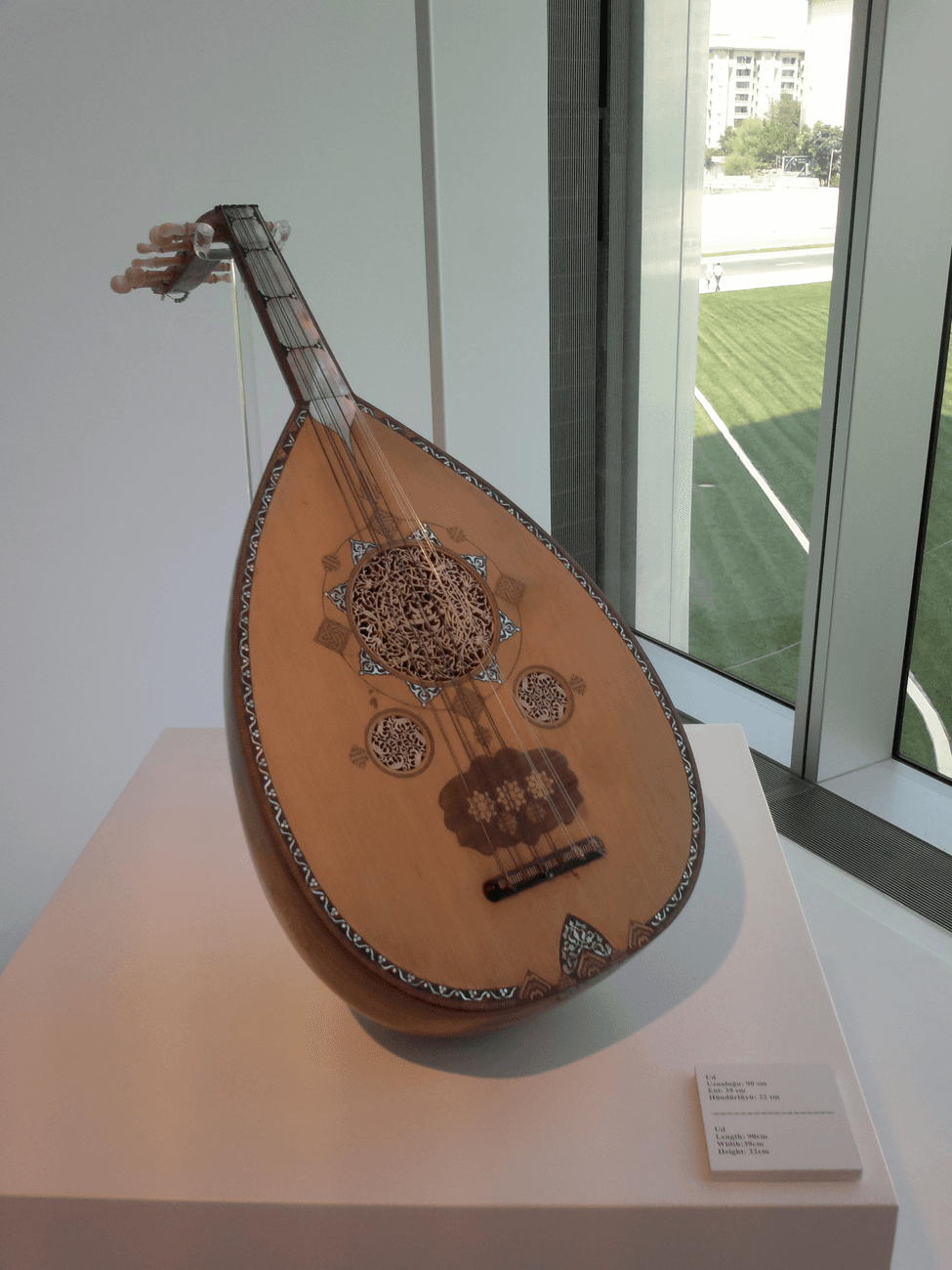
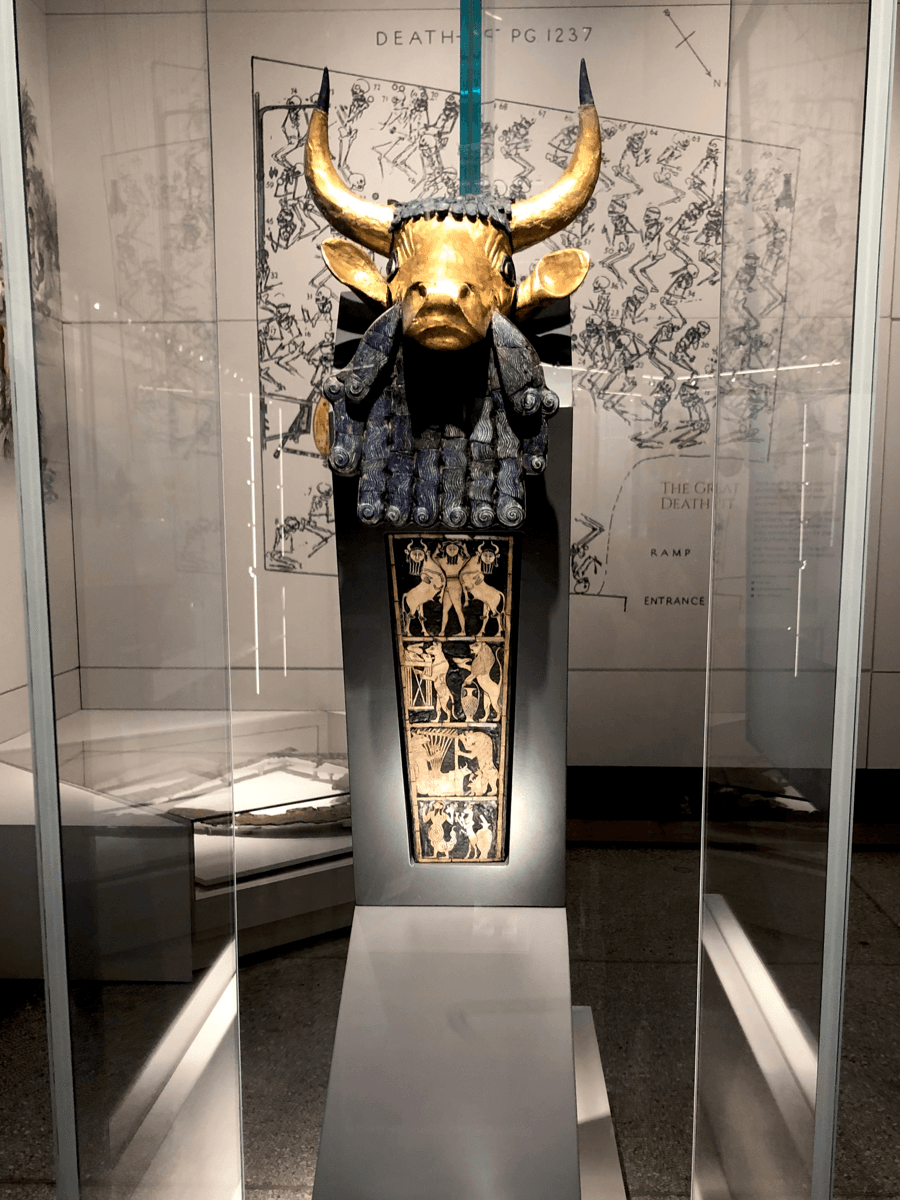
The charango is a lute: strings stretched over a soundbox and along a fretted neck, plucked or strummed. Three ideas make it work. First, pitch: a string sounds higher when it is shorter, tighter or lighter, so the player raises a note by pressing the string down onto a FRET, which shortens the part that can vibrate — the same trick as the oud and the guitar, and the reason the frets are spaced the way they are. Second, doubled COURSES: the charango pairs its strings two-by-two, and because no two strings are ever perfectly identical they beat gently against each other, giving that rich shimmering chorus (the same reason a twelve-string guitar or a mandolin sounds so full). Third, and most charango of all, SIZE: the soundbox and the strings are tiny, and small light strings on a short scale vibrate fast, so the whole instrument sits an octave or so above a guitar — bright, chirping, cutting through the thin high-altitude air of the Andes. It descends from the Spanish vihuela and baroque guitar carried across the Atlantic, themselves descendants of the Arabic oud, and it belongs with every soundbox-and-strings instrument from the lyre of Ur onward — the charango is simply that ancient idea shrunk to fit a poncho pocket.
Àwọn ohun-èlò
7- 1 ẹyọÀyè
- 1 ẹyọÀyè
- Àyè
- 1 ẹyọÀyè
- 1 ẹyọÀyè
- 10 ẹyọÀyè
Àwọn irinṣẹ́ tó nílò
1- Àyè
Ìtọ́nisọ́nà yìí ń ṣe
Blueprint tó jọra
Àwọn blueprint wọ̀nyí pín ìmọ̀ — ọ̀nà, ohun-èlò tàbí ìlànà
CC0 Àgbègbè Gbogbogbò
Blueprint yìí ti jáde lábẹ́ CC0. O lè ṣe àdàkọ, yí padà, pín, àti lò láìsí ìyọ̀ǹda.
Ṣàtìlẹ́yìn Olùṣẹ́dá nípa rírà àwọn ọjà nipasẹ̀ Blueprint wọn Ẹ̀san Olùṣẹ́dá tí àwọn Olùtajà gbé kalẹ̀, tàbí ṣẹ̀dá àtúnṣe tuntun ti Blueprint yìí kí o sì fi sínú Blueprint rẹ gẹ́gẹ́ bí ìsopọ̀ láti pín owó-wíwọlé.