IṢẸ́ ỌNÀ
ẸWÀ ÀTI ÌLERA
IṢẸ́ ỌWỌ́
ÀṢÀ ÀTI ÌTÀN
ÌṢERÉ
ÀYÍKÁ
OÚNJẸ ÀTI OHUN MÍMU
REVERSE ENGINEERING
SÁYẸ́ǸSÌ
ERÉ ÌDÁRAYÁ
ÌMỌ̀-Ẹ̀RỌ
ÀWỌN OHUN WÍWỌ̀
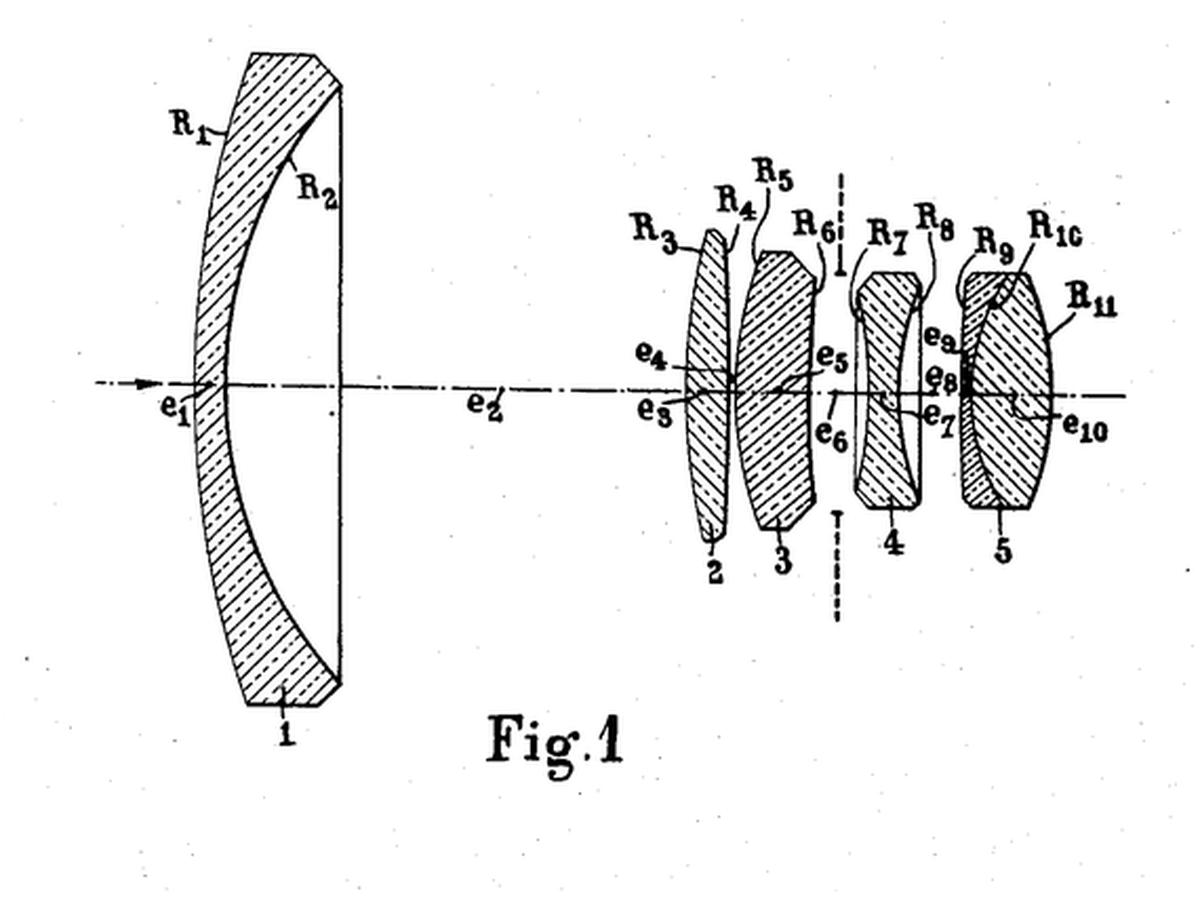


Retrofocus Wide-Angle Lens
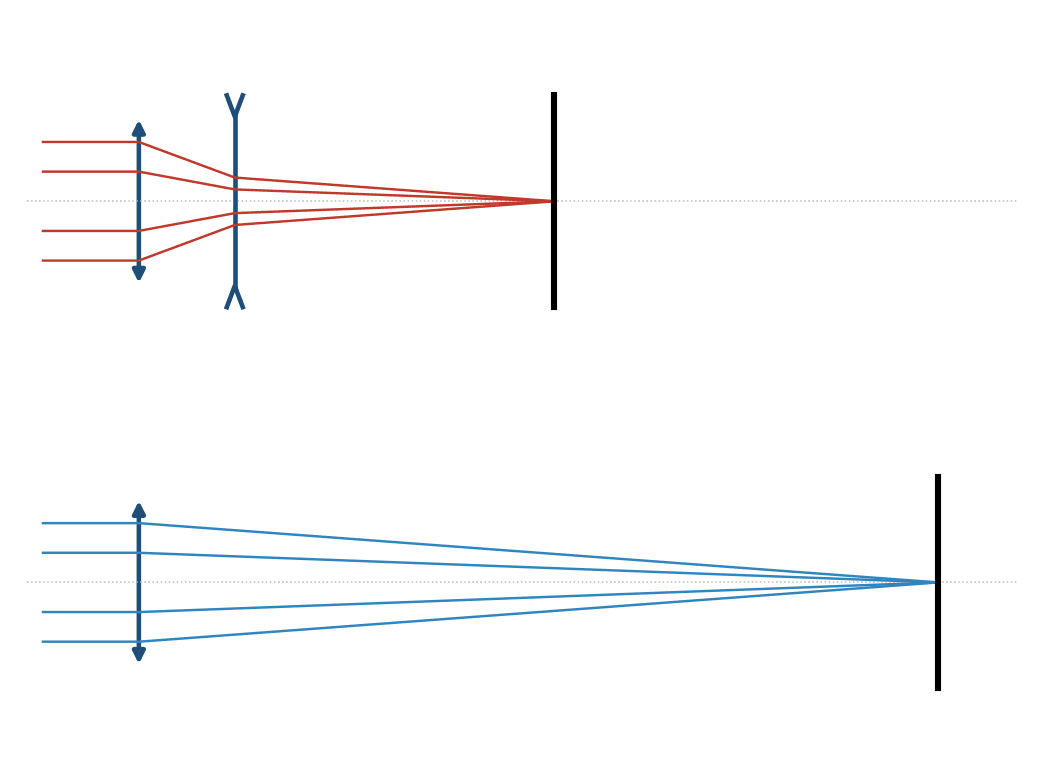
Reflex cameras put a mirror between the lens and the film, and a conventional wide-angle lens needs to sit closer to the film than the mirror allows. Pierre Angénieux in Paris reversed the telephoto idea: a diverging group in front, a converging group well behind it, so the lens's focus lies further back than its focal length.
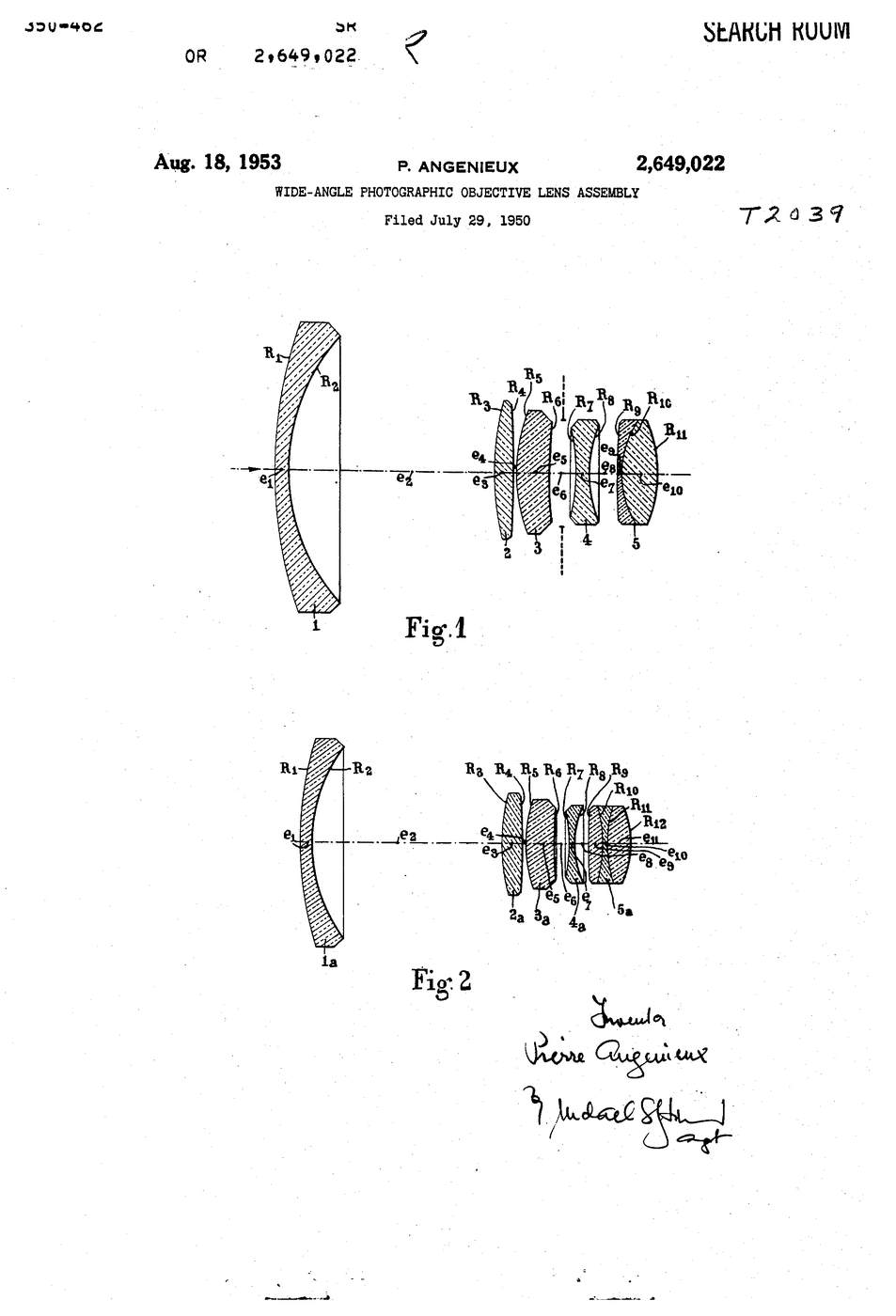
**US 2,649,022**, "Wide-angle photographic objective lens assembly", Angénieux, filed 29. July 1950, granted 18. August 1953, describes an objective whose "distance along the axis between the back surface of the last lens and the focal plane … is relatively very large with respect to the focal length". (His US 2,649,021 of the same day is a different lens - a large-aperture projection objective.)
**You build one on the bench**, measure its back focus against its focal length, and fit a mirror in the room it leaves.
Olùbẹ̀rẹ̀
90 minutes
Ìlànà
1
1
Two lenses, reversed
Two lenses, reversed
Front: concave about -50 mm, facing the scene. Rear: convex about 50 mm, 60 mm behind it. Aim out of a window.
Àwọn ohun èlò fún ìgbésẹ̀ yìí:
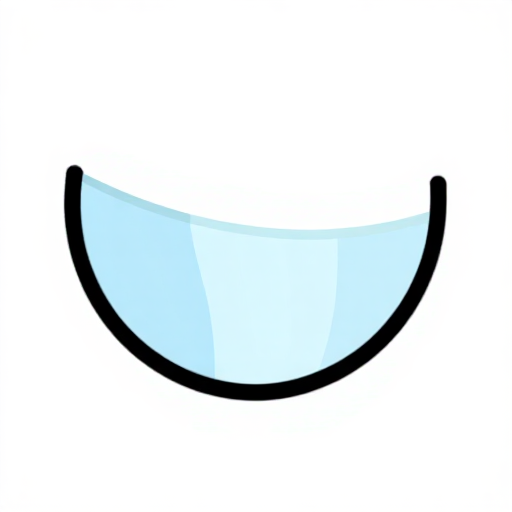 Lẹ́ǹsì tí ó gbẹ̀gbẹ́1 ẹyọ
 Àkójọ ẹ̀rọ ìgbéhìn tí ó gbò1 ìtò
Àwọn irinṣẹ́ tí a nílò:
 Tábìlì ìmọ̀ ìmọ́lẹ̀ àti ojú irin
 Ìṣètò ìdìmú lẹ́ńsì
2
2
Find the focus
Find the focus
Move a tracing-paper screen until the distant scene is sharp. Measure rear lens to screen: the back focus. Measure the height of one far feature on the screen.
Àwọn ohun èlò fún ìgbésẹ̀ yìí:
 Yíyíká bébà ìtọpa àwòṣe1 ewé
 Tépù ìbòmọ́lẹ̀1 ìyípo
Àwọn irinṣẹ́ tí a nílò:
 Ìdíwọ̀n
3
3
Compare one lens
Compare one lens
Remove the concave lens. The +50 mm lens alone focuses about 50 mm behind itself; measure the same feature's height.
Àwọn irinṣẹ́ tí a nílò:
Ìdíwọ̀n4
4
Fit the mirror
Fit the mirror
Put the concave lens back. Stand a small mirror at 45 degrees between the rear lens and the screen position and turn the screen to catch the image from the side - a reflex viewfinder. With the single lens there is no room.
Àwọn ohun èlò fún ìgbésẹ̀ yìí:
 Dígí pẹrẹsẹ1 ẹyọ
5
5
Back focus vs focal length
Back focus vs focal length
Ń ṣí ìwé Jupyter…
6
6
History & Context
History & Context
**What the patent specifies:** a diverging meniscus front element and a converging group far behind it, giving a back focal distance large compared with the focal length. **Modern build (derived):** two stock lenses and a mirror.
Angénieux sold it as the Retrofocus; nearly every SLR wide-angle since uses the layout. Its limits: the asymmetry brings barrel distortion, and the big front element makes the lens larger and heavier than a symmetric design.
Àwọn ohun-èlò
5- 1 ẹyọÀyè
- Àyè
- Àyè
- 1 ìyípoÀyè
- 1 ẹyọÀyè
Blueprint tó jọra
Àwọn blueprint wọ̀nyí pín ìmọ̀ — ọ̀nà, ohun-èlò tàbí ìlànà

CC0 Àgbègbè Gbogbogbò
Blueprint yìí ti jáde lábẹ́ CC0. O lè ṣe àdàkọ, yí padà, pín, àti lò láìsí ìyọ̀ǹda.
Ṣàtìlẹ́yìn Olùṣẹ́dá nípa rírà àwọn ọjà nipasẹ̀ Blueprint wọn Ẹ̀san Olùṣẹ́dá tí àwọn Olùtajà gbé kalẹ̀, tàbí ṣẹ̀dá àtúnṣe tuntun ti Blueprint yìí kí o sì fi sínú Blueprint rẹ gẹ́gẹ́ bí ìsopọ̀ láti pín owó-wíwọlé.