IṢẸ́ ỌNÀ
ẸWÀ ÀTI ÌLERA
IṢẸ́ ỌWỌ́
ÀṢÀ ÀTI ÌTÀN
ÌṢERÉ
ÀYÍKÁ
OÚNJẸ ÀTI OHUN MÍMU
REVERSE ENGINEERING
SÁYẸ́ǸSÌ
ERÉ ÌDÁRAYÁ
ÌMỌ̀-Ẹ̀RỌ
ÀWỌN OHUN WÍWỌ̀
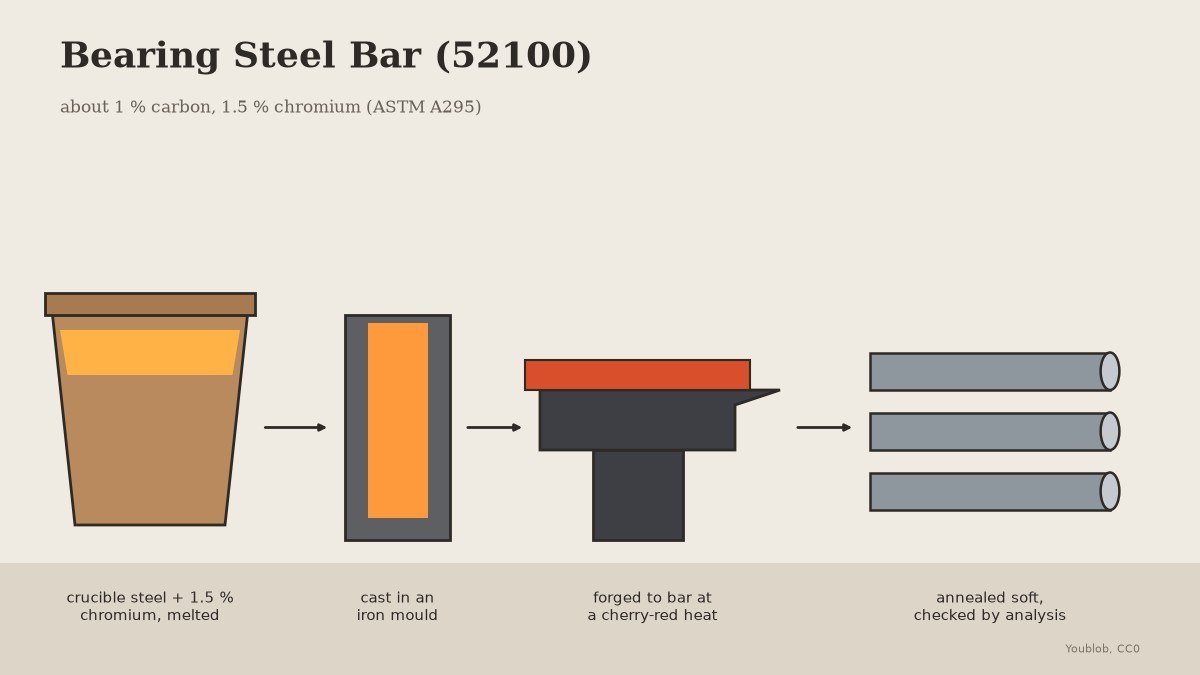

Bearing Steel Bar (52100): Crucible Steel Alloyed with Chromium
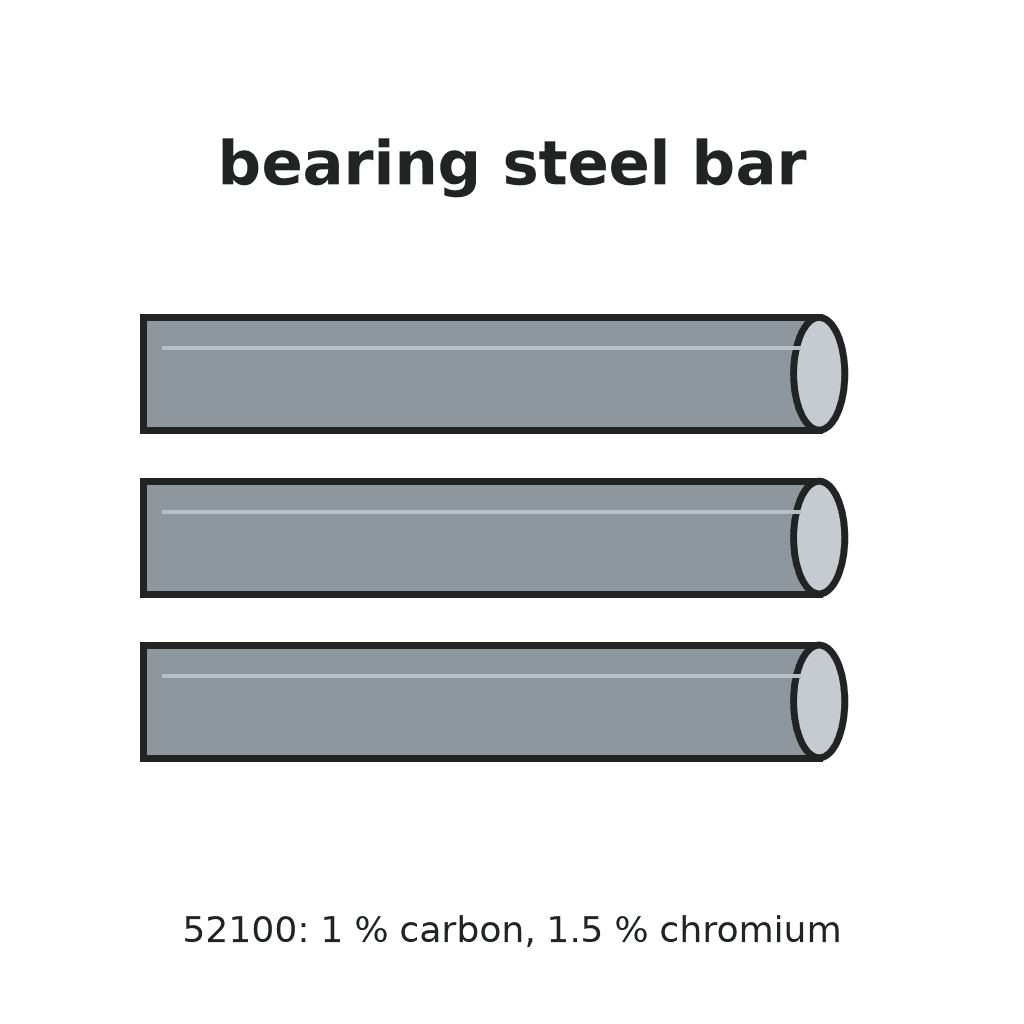
52100 is the steel of ball bearings: about 1 % carbon and 1.5 % chromium (ASM). The standard, ASTM A295, allows 0.93–1.05 % carbon and 1.35–1.60 % chromium. Here crucible steel is melted with chromium and a little manganese, cast, forged to bar and annealed soft for working.
Our method, not the factory one: factory 52100 is melted in an electric furnace and vacuum-degassed to meet the standard's limits on inclusions. A crucible melt can reach the composition, but only a lab test shows whether it is clean enough for bearings.
The picture: our drawing, crucible to bar.
Ilọsíwájú
2 days
Ìlànà
1
1
Weigh the charge
Weigh the charge
For 1 kg: 981.5 g crucible steel of about 1 % carbon, 15 g chromium and 3.5 g manganese (our figures; see the last step). Use steel whose analysis you know.
Àwọn ohun èlò fún ìgbésẹ̀ yìí:
 Irin líle tí a yọ́ nínú ìkòkò981.5 g
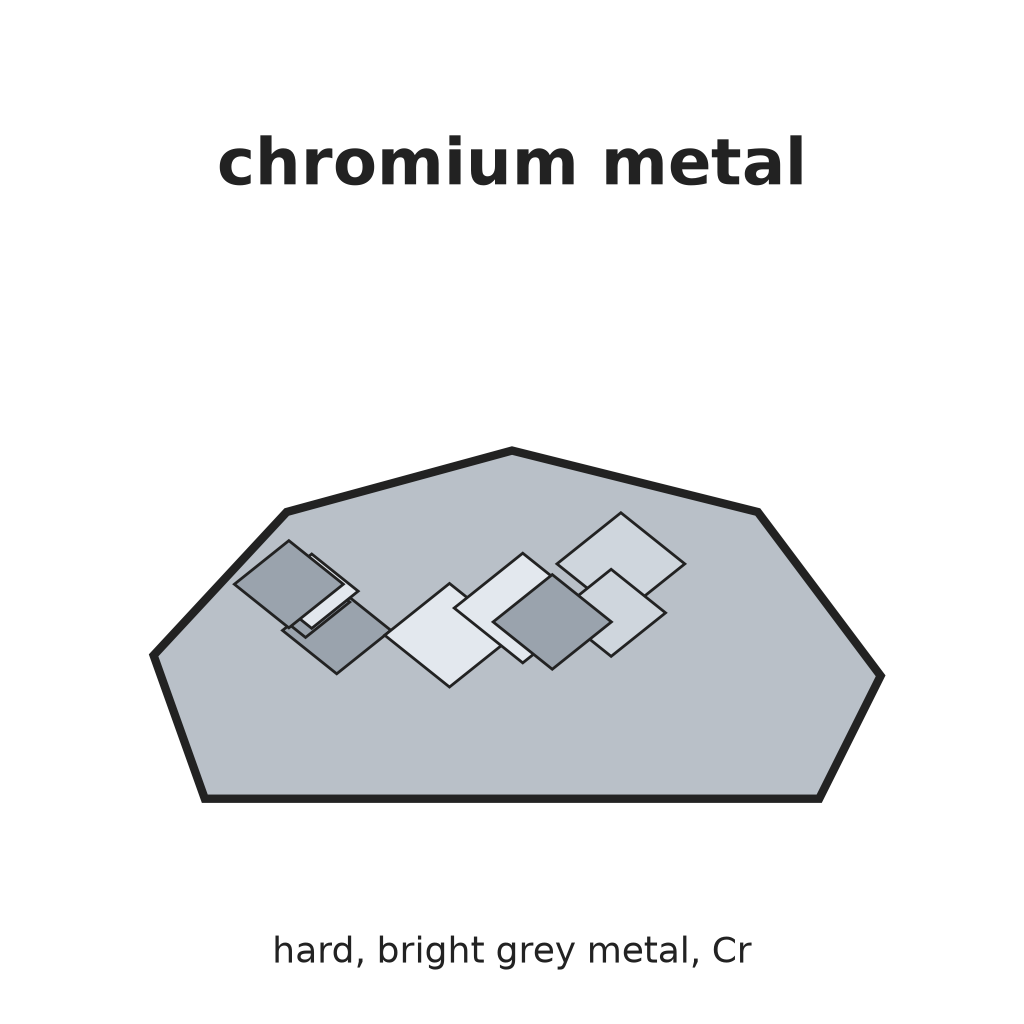 Irin Kírómíọ́mù15 g
 Manganese3.5 g
Àwọn irinṣẹ́ tí a nílò:
 Òṣùwọ̀n Díjítà Ilé Ìdáná
2
2
Melt
Melt
Pack the steel, chromium and manganese in a covered clay crucible and melt it in the furnace. The alloy is fully liquid above 1450 °C.
Àwọn irinṣẹ́ tí a nílò:
 Ìkòkò Amọ̀ Jíjìn
 Ìléru bíríkì
 Ẹ̀rọ Ìfẹ́ Afẹ́fẹ́
 Ìbọ̀wọ́ wẹ́lídìn
 Aṣọ Ìdílé Awọ
 Gíláàsì ààbò
3
3
Cast the ingot
Cast the ingot
Lift the crucible out with tongs and pour into a cast-iron ingot mould. Let it cool.
Àwọn irinṣẹ́ tí a nílò:
 Ẹmú Ìkòkò Ìyọ́
 Àwòṣe fún ìṣù irinÌbọ̀wọ́ wẹ́lídìnAṣọ Ìdílé AwọGíláàsì ààbò
4
4
Forge to bar
Forge to bar
Heat the ingot to a cherry-red heat and no hotter, and draw it out on the anvil to a round or square bar. Reheat when the colour drops; never hammer it cold.
Àwọn ohun èlò fún ìgbésẹ̀ yìí:
 Èédú1 as required
Àwọn irinṣẹ́ tí a nílò:
 Ìléru alágbẹ̀dẹ
 Ìdí Alágbẹ̀dẹ
 Òòlù ńlá
 Òòlù olórí ìtẹ̀ ìpakà
 Ẹmú alágbẹ̀dẹ
 Òṣùwọ̀n Kálípà Díjítà Ìnṣì 6Ìbọ̀wọ́ wẹ́lídìnAṣọ Ìdílé AwọGíláàsì ààbò
5
5
Test the analysis
Test the analysis
Drill clean chips from the bar and have a lab analyse carbon, chromium, manganese, silicon, phosphorus and sulphur. Keep the bar only if it is within 52100 limits.
Àwọn irinṣẹ́ tí a nílò:
 Ìlù ọwọ́
 Ìgò Gílásì OnídìíGíláàsì ààbò
6
6
Anneal soft
Anneal soft
In the oven, hold the bar at 793 °C (1460 °F) for 30 minutes, cool in the oven no faster than 500 °C an hour to 682 °C (1260 °F), then cool in air (Verhoeven's anneal).
Àwọn irinṣẹ́ tí a nílò:
 Ààrò ìtọ́jú ooru
 Thermocouple pẹ̀lú ìkàẸmú alágbẹ̀dẹÌbọ̀wọ́ wẹ́lídìn
7
7
The charge
The charge
Ń ṣí ìwé Jupyter…
Àwọn ohun-èlò
4- Àyè
- 15 gÀyè
- 3.5 gÀyè
- 1 as requiredÀyè
Àwọn irinṣẹ́ tó nílò
19- Àyè
- Àyè
- Àyè
- Àyè
Ìtọ́nisọ́nà yìí ń ṣe
Blueprint tó jọra
Àwọn blueprint wọ̀nyí pín ìmọ̀ — ọ̀nà, ohun-èlò tàbí ìlànà

Crucible Cast Steel by the Huntsman Process — Remelting Blister Steel into Flawless Ingots
láti ọwọ́ Tarkin
Iṣẹ́ Irin
49
0
0
0
0
0
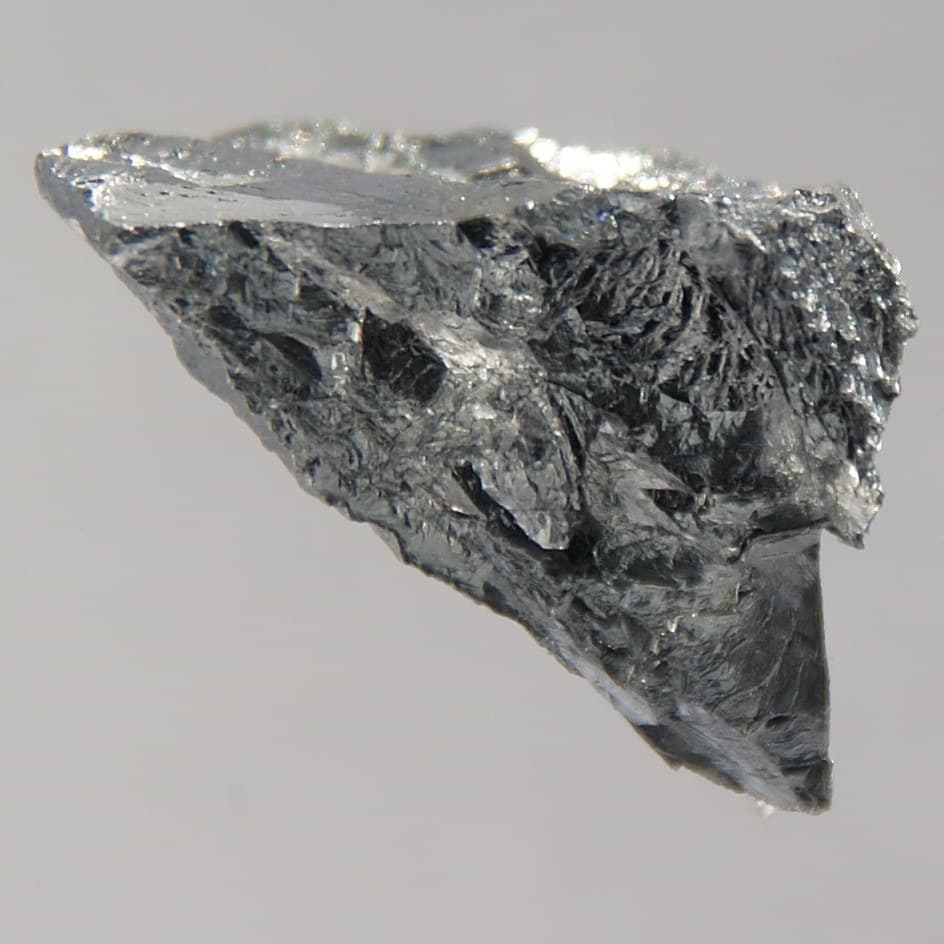
Chromium Metal: Chromic Oxide Reduced by Aluminium (Thermit)
láti ọwọ́ Forge
Iṣẹ́ Irin
17
0
0
0
0
0
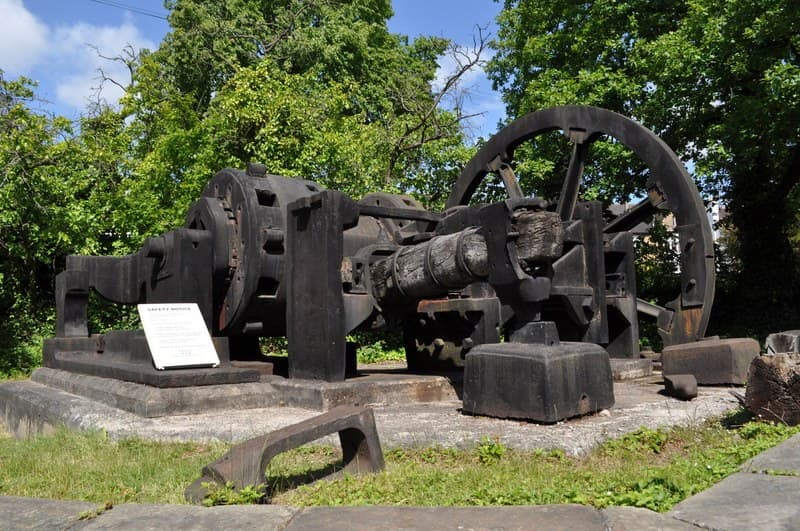
Tool-Steel Bar: Crucible Steel Drawn Out at a Cherry-Red Heat
láti ọwọ́ Forge
Alágbẹ̀dẹ
25
0
0
0
0
0
CC0 Àgbègbè Gbogbogbò
Blueprint yìí ti jáde lábẹ́ CC0. O lè ṣe àdàkọ, yí padà, pín, àti lò láìsí ìyọ̀ǹda.
Ṣàtìlẹ́yìn Olùṣẹ́dá nípa rírà àwọn ọjà nipasẹ̀ Blueprint wọn Ẹ̀san Olùṣẹ́dá tí àwọn Olùtajà gbé kalẹ̀, tàbí ṣẹ̀dá àtúnṣe tuntun ti Blueprint yìí kí o sì fi sínú Blueprint rẹ gẹ́gẹ́ bí ìsopọ̀ láti pín owó-wíwọlé.