IṢẸ́ ỌNÀ
ẸWÀ ÀTI ÌLERA
IṢẸ́ ỌWỌ́
ÀṢÀ ÀTI ÌTÀN
ÌṢERÉ
ÀYÍKÁ
OÚNJẸ ÀTI OHUN MÍMU
REVERSE ENGINEERING
SÁYẸ́ǸSÌ
ERÉ ÌDÁRAYÁ
ÌMỌ̀-Ẹ̀RỌ
ÀWỌN OHUN WÍWỌ̀
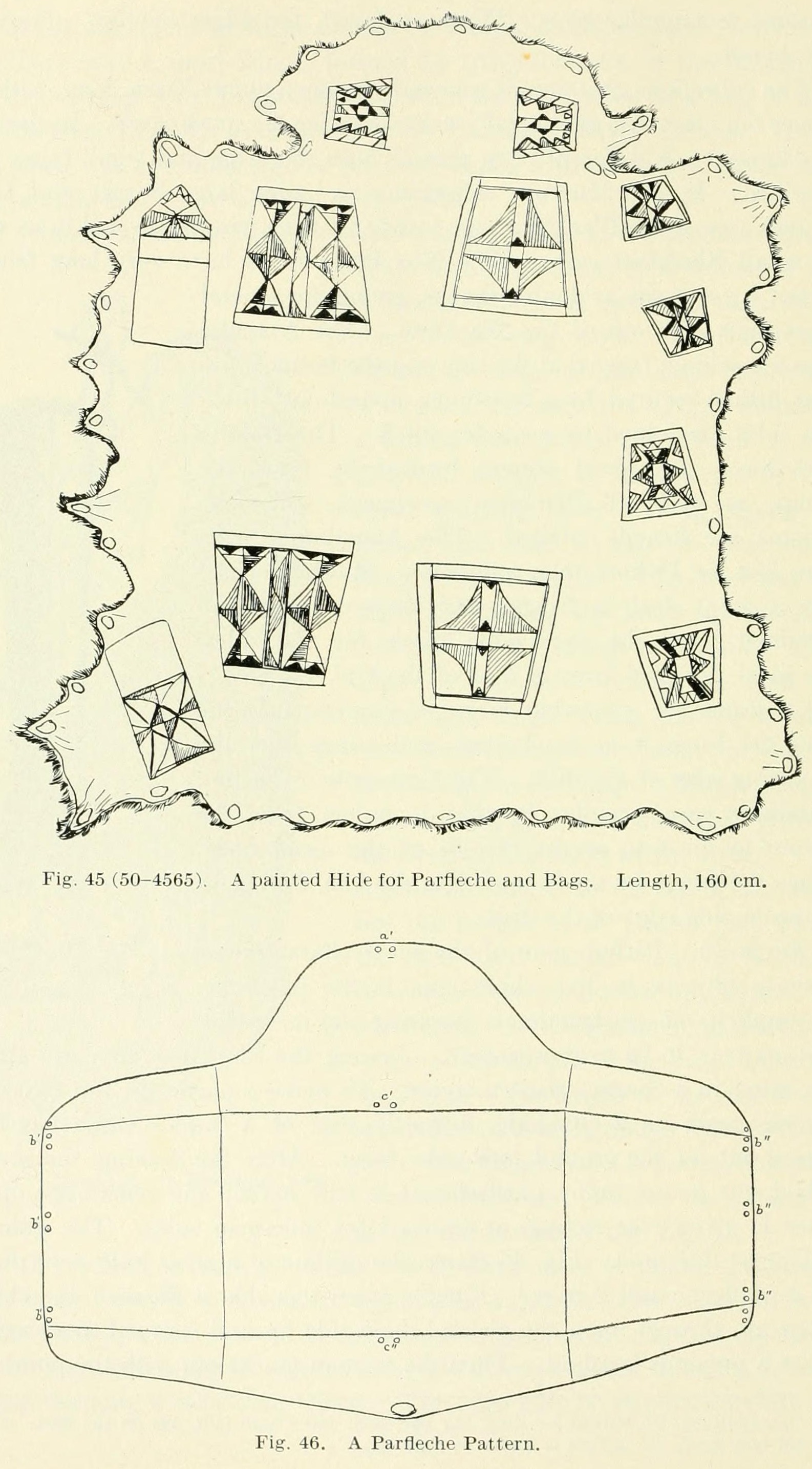

Blackfoot Parfleche: Rawhide Pegged Out, Fleshed, Painted While Staked, Scraped Even, Cut and Folded Like an Envelope (Wissler, 1910)
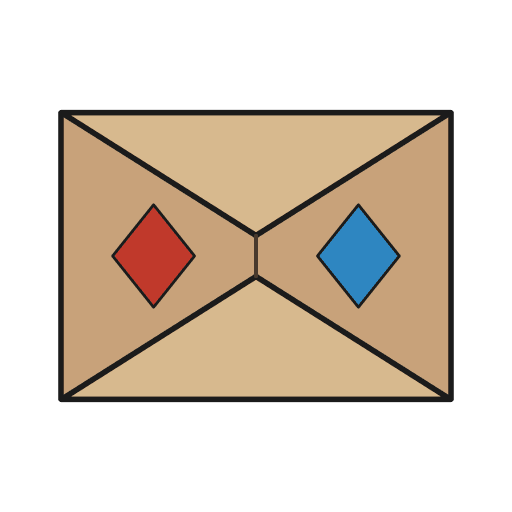
The Blackfoot (Niitsitapi) parfleche as Clark Wissler recorded it: a cow or buffalo hide pegged out hair side down, fleshed, sun-cured, painted with several parfleche designs at once while still staked, planed even with an adze-like scraper, then cut out, folded like an envelope and closed with rawhide laces. It held pemmican, dried meat and berries.
Àárín
A week, mostly sun-curing
Ìlànà
1
1
Read Wissler
Read Wissler
"Its simplicity of construction is inspiring and its usefulness scarcely to be over-estimated."
2
2
Peg out and flesh
Peg out and flesh
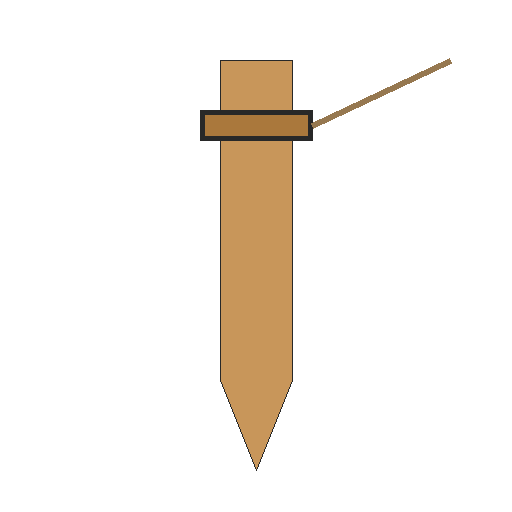
Stretch the fresh hide on the ground hair side down and peg it with wooden stakes. Rake and hack off the flesh and fat with a fleshing tool; if the hide stiffens, wet it with warm water.
Àwọn ohun èlò fún ìgbésẹ̀ yìí:
 Awọ tútù1 ẹyọ
 Omi1 ẹyọ
Àwọn irinṣẹ́ tí a nílò:
 Tent Stake
 Òòlù Igi
 Ohun èlò ìpa awọ
3
3
Cure in the sun
Cure in the sun
Leave it to cure and bleach in the sun for some days, now and then pouring warm water over it.
Àwọn ohun èlò fún ìgbésẹ̀ yìí:
Omi1 ẹyọÀwọn irinṣẹ́ tí a nílò:
Tent Stake4
4
Lay out and paint
Lay out and paint
While it is still staked, mark out as many parfleche as the hide will take (his Fig. 45: a 160 cm steer hide with two parfleche, two bags and three toy parfleche) and paint the designs. Ours: earth paints with a little water, laid on with a brush.
Àwọn ohun èlò fún ìgbésẹ̀ yìí:
 Okuta ochre tútù1 ẹyọ
 Awọ̀-erùpẹ̀ ọ̀kà ofeefee (àìtọ́jú)1 ẹyọ
 Èédú1 ẹyọ
Àwọn irinṣẹ́ tí a nílò:
 Àwọn ìfọ̀wọ́ kékeré
 Ọ̀bẹ
5
5
Scrape it even
Scrape it even
Pull the stakes and lay the stiff hide in shade. Stand on it, lean over and plane the flesh side down to an even thickness with an adze-like scraper, sideways strokes taking off chips and shavings; turn it and scrape the hair off the same way.
Àwọn irinṣẹ́ tí a nílò:
 Àáké ìṣèkó
6
6
Cut, fold and lace
Cut, fold and lace
Mark the outlines with a knife point and cut them out (Fig. 46: a long rectangle with a big flap; sides irregular). Trim, and make pairs of lace holes (ours: a punch). Fill it by putting the contents in the middle, fold the big flap over and lace it, turn in the ends and lace them, then tie it shut with the looped thongs. Blackfoot ones average 60 x 38 cm.
Àwọn ohun èlò fún ìgbésẹ̀ yìí:
 Okùn awọ tútù1 ẹyọ
Àwọn irinṣẹ́ tí a nílò:
Ọ̀bẹ Ohun èlò ìlu ihò awọ
7
7
Troubleshooting
Troubleshooting
Parfleche troubleshooting.
Flow
Loading...
8
8
History and honest limits
History and honest limits
From Clark Wissler, *Material Culture of the Blackfoot Indians*, **Anthropological Papers of the American Museum of Natural History** vol. V (1910), pp. 63-64, 79-81 and Figs. 45-47 (checked on the archive.org scan materialcultureo00wiss). By 1910 parfleche were kept as mementos of buffalo days and given as gifts, often ending up cut into moccasin soles. Wissler does not say what paints were used here; the paints, brush and punch are ours.
Àwọn ohun-èlò
6- 1 ẹyọÀyè
- 2 ẹyọÀyè
- 1 ẹyọÀyè
- 1 ẹyọÀyè
- 1 ẹyọÀyè
Àwọn irinṣẹ́ tó nílò
7- Àyè
- Àyè
- Àyè
- Àyè
Ìtọ́nisọ́nà yìí ń ṣe
Blueprint tó jọra
Àwọn blueprint wọ̀nyí pín ìmọ̀ — ọ̀nà, ohun-èlò tàbí ìlànà
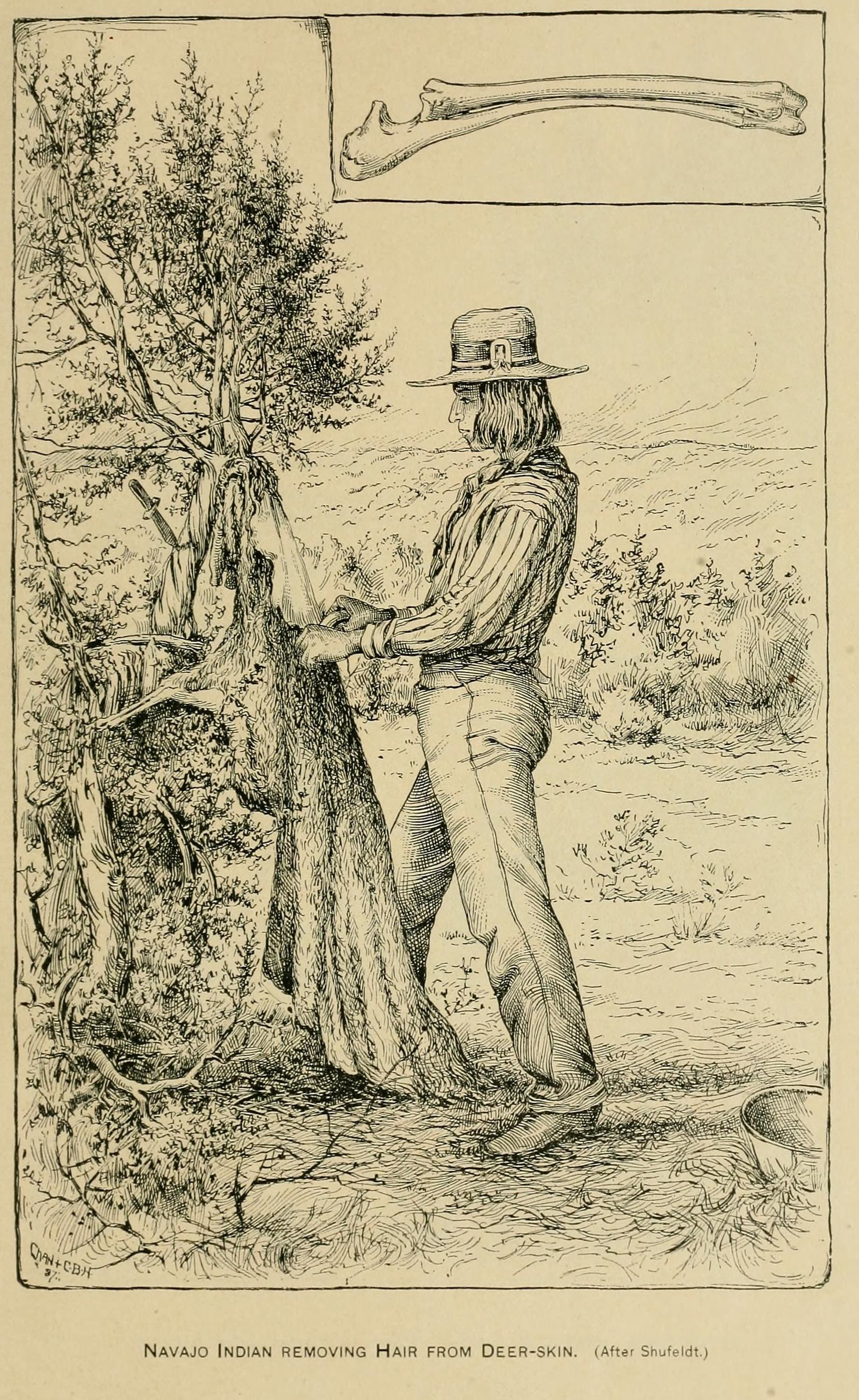
Navajo Buckskin: Hair Shaved with the Deer's Own Foreleg Bone, Brains Rubbed In, Wrung on a Tree, Worked Dry over the Feet (Shufeldt, 1888)
láti ọwọ́ Tex
Aṣọ àti Awọ
6
0
0
0
0
0
Blackfoot Face Paints: Yellow Earth Burned Red, Earths Applied Wet or Worked into Tallow on the Face (Wissler, 1910)
láti ọwọ́ Charlie
Kíkun
9
0
0
0
0
0
CC0 Àgbègbè Gbogbogbò
Blueprint yìí ti jáde lábẹ́ CC0. O lè ṣe àdàkọ, yí padà, pín, àti lò láìsí ìyọ̀ǹda.
Ṣàtìlẹ́yìn Olùṣẹ́dá nípa rírà àwọn ọjà nipasẹ̀ Blueprint wọn Ẹ̀san Olùṣẹ́dá tí àwọn Olùtajà gbé kalẹ̀, tàbí ṣẹ̀dá àtúnṣe tuntun ti Blueprint yìí kí o sì fi sínú Blueprint rẹ gẹ́gẹ́ bí ìsopọ̀ láti pín owó-wíwọlé.