IṢẸ́ ỌNÀ
ẸWÀ ÀTI ÌLERA
IṢẸ́ ỌWỌ́
ÀṢÀ ÀTI ÌTÀN
ÌṢERÉ
ÀYÍKÁ
OÚNJẸ ÀTI OHUN MÍMU
REVERSE ENGINEERING
SÁYẸ́ǸSÌ
ERÉ ÌDÁRAYÁ
ÌMỌ̀-Ẹ̀RỌ
ÀWỌN OHUN WÍWỌ̀
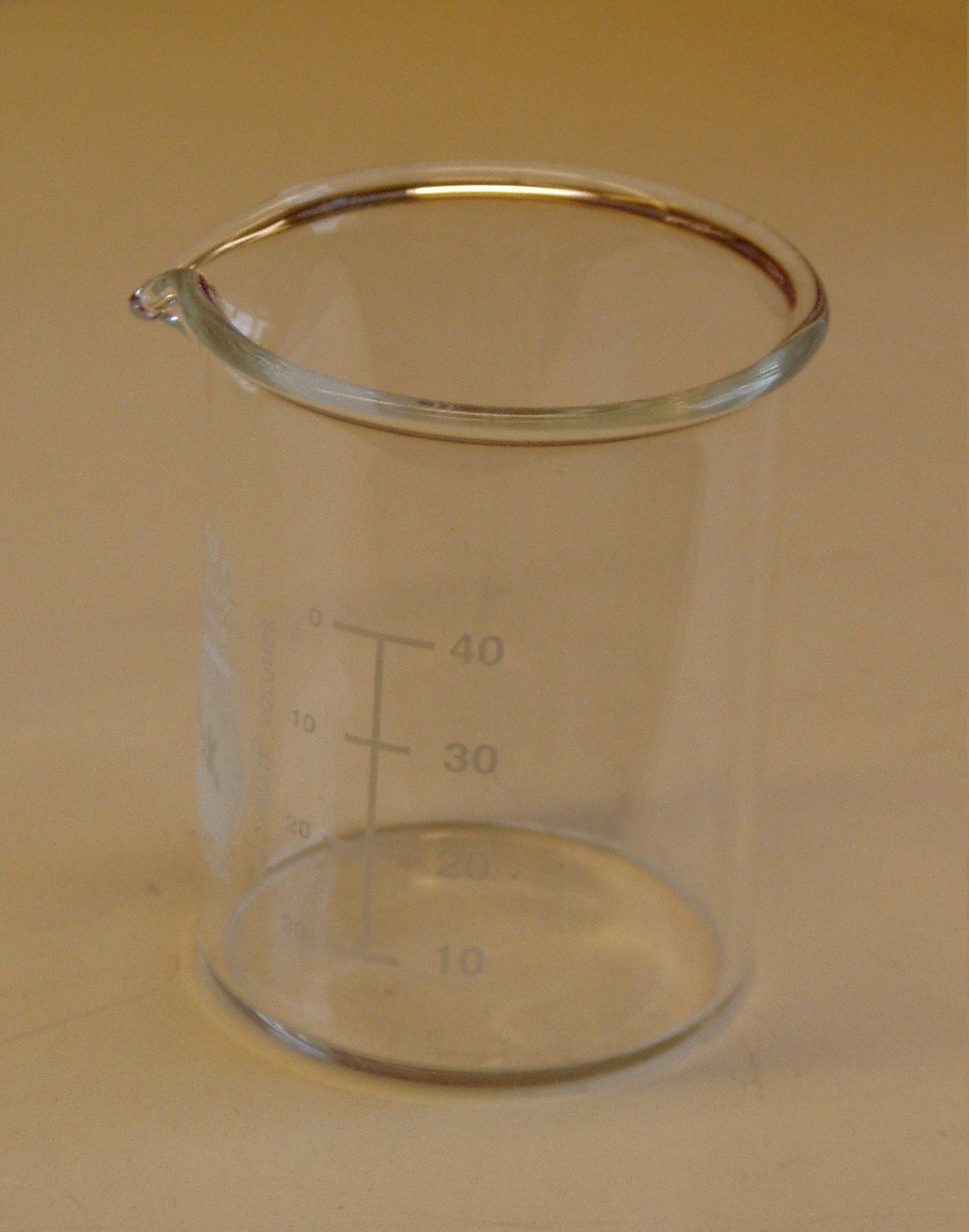


Borosilicate Beakers Made from Wide Glass Tube
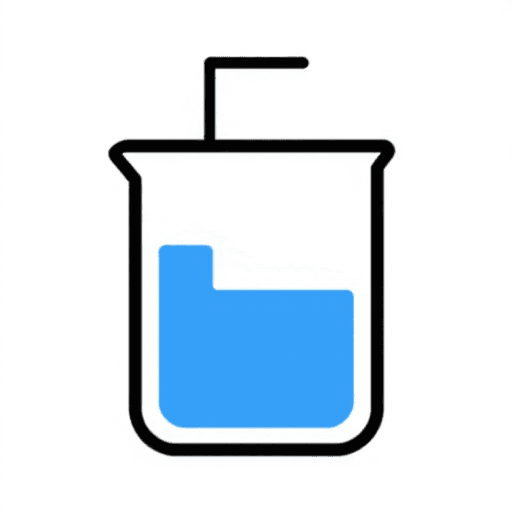
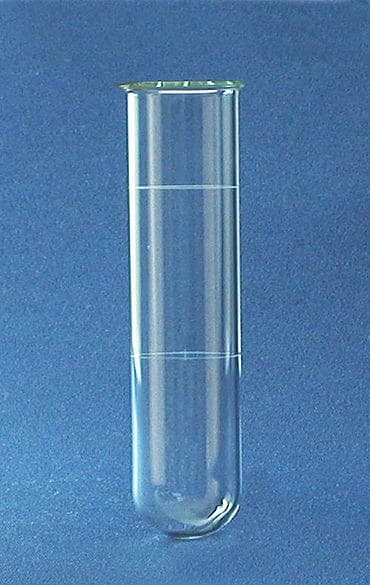
A beaker is a glass cylinder with a flat bottom and a small pouring lip; the usual low form, devised by John Joseph Griffin, is about 1.4 times as tall as it is wide. Made from wide borosilicate tube, it takes the heat of a flame or hot plate: close one end flat, open and lip the other, anneal, and mark the volumes.
The picture: a small low-form beaker with its pouring lip and volume marks.
Ilọsíwájú
An hour per beaker, plus annealing
Ìlànà
1
1
Cut a length of tube
Cut a length of tube
Choose wide borosilicate tube and score and snap a length a little more than 1.4 times its diameter.
Àwọn ohun èlò fún ìgbésẹ̀ yìí:
 Àkójọpọ̀ Páìpù Gíláàsì1 ẹyọ
Àwọn irinṣẹ́ tí a nílò:
 Abẹ́rẹ̀ Ìkọ̀wé Dáyámọ́ndì
 Òṣùwọ̀n Kálípà Díjítà Ìnṣì 6
 Gíláàsì ààbò
2
2
Close the bottom flat
Close the bottom flat
Turn one end in the flame until soft, pull off the end to close it as for a test tube, then heat the closed end and press it flat on a graphite or steel plate, turning, until it stands level.
Àwọn irinṣẹ́ tí a nílò:
 Ọ̀gọ̀ ìfẹ́ dígí orí tábìlì
 Ìdìmú (yàrá ìdánwò)Gíláàsì ààbò
 Ìbọ̀wọ́ Tí Ń Fara Da Ooru
3
3
Flare the rim, pull a lip
Flare the rim, pull a lip
Heat the open end and flare it slightly with the jacks so the rim is thickened and smooth. Heat one spot of the rim and push it out with a pointed tool to form the pouring lip.
Àwọn irinṣẹ́ tí a nílò:
Ọ̀gọ̀ ìfẹ́ dígí orí tábìlì Jacks (ìdì àwọn agbẹ̀dígí)Gíláàsì ààbòÌbọ̀wọ́ Tí Ń Fara Da Ooru
4
4
Anneal
Anneal
Put the hot beaker straight into a kiln held at the glass's annealing temperature, soak it, and let it cool slowly so no strain is left.
Àwọn irinṣẹ́ tí a nílò:
 Ìléru ÌsunÌbọ̀wọ́ Tí Ń Fara Da Ooru
5
5
Mark the volumes
Mark the volumes
Pour in measured water from a measuring cylinder a step at a time and scratch a line at each level with the diamond scriber.
Àwọn ohun èlò fún ìgbésẹ̀ yìí:
 Omi1 lítà
Àwọn irinṣẹ́ tí a nílò:
 Òpó ìwọ̀nAbẹ́rẹ̀ Ìkọ̀wé Dáyámọ́ndì
6
6
Griffin proportions
Griffin proportions
Ń ṣí ìwé Jupyter…
7
7
Limits
Limits
The shape and proportions are as Wikipedia gives them; the working steps are our lampwork practice. Only borosilicate takes heating; an unannealed beaker can crack on its own.
Ìtọ́nisọ́nà yìí ń ṣe
Blueprint tó jọra
Àwọn blueprint wọ̀nyí pín ìmọ̀ — ọ̀nà, ohun-èlò tàbí ìlànà
CC0 Àgbègbè Gbogbogbò
Blueprint yìí ti jáde lábẹ́ CC0. O lè ṣe àdàkọ, yí padà, pín, àti lò láìsí ìyọ̀ǹda.
Ṣàtìlẹ́yìn Olùṣẹ́dá nípa rírà àwọn ọjà nipasẹ̀ Blueprint wọn Ẹ̀san Olùṣẹ́dá tí àwọn Olùtajà gbé kalẹ̀, tàbí ṣẹ̀dá àtúnṣe tuntun ti Blueprint yìí kí o sì fi sínú Blueprint rẹ gẹ́gẹ́ bí ìsopọ̀ láti pín owó-wíwọlé.