IṢẸ́ ỌNÀ
ẸWÀ ÀTI ÌLERA
IṢẸ́ ỌWỌ́
ÀṢÀ ÀTI ÌTÀN
ÌṢERÉ
ÀYÍKÁ
OÚNJẸ ÀTI OHUN MÍMU
REVERSE ENGINEERING
SÁYẸ́ǸSÌ
ERÉ ÌDÁRAYÁ
ÌMỌ̀-Ẹ̀RỌ
ÀWỌN OHUN WÍWỌ̀
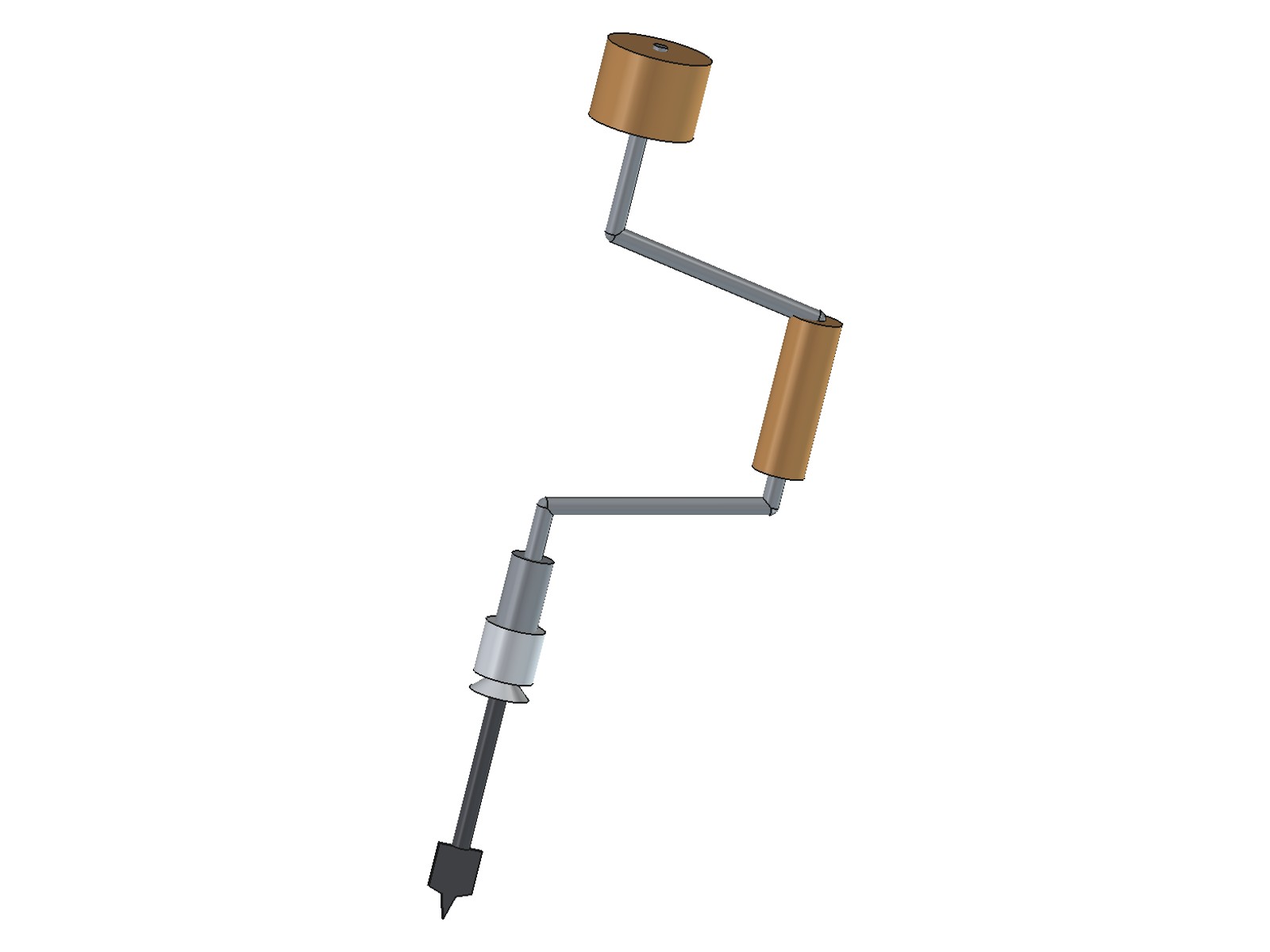


Brace and Bit: a Crank Brace with a Two-Jaw Screw-Thimble Chuck (after Amidon, 1868)
A carpenter's brace: a cranked steel rod with a turning wooden head, a wooden handle sleeve and a chuck that holds the bit. The chuck is Charles Amidon's of 1868: two jaws in a slotted, threaded foot, closed at both ends by a screwed thimble, so they grip a tapered or straight shank firmly. Made on a metal lathe, with a forge for the bends.
Ilọsíwájú
About 2 days
Ìlànà
1
1
Watch a brace at work
Watch a brace at work
Boring a square, true hole with a brace and bit (Wood By Wright Extra).
2
2
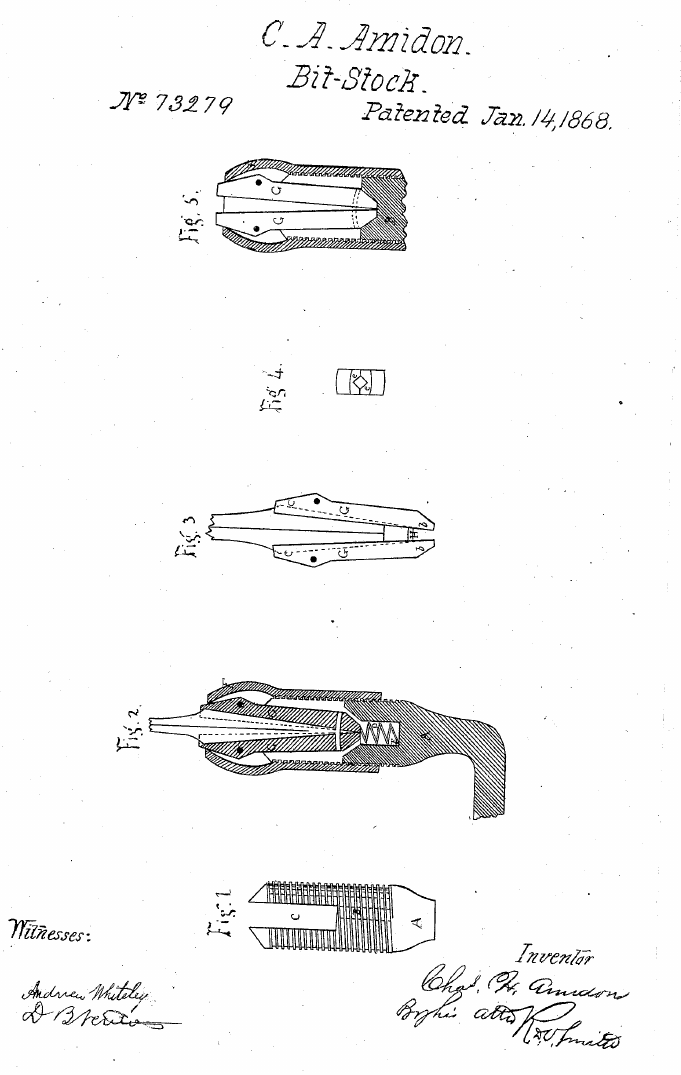
Amidon's chuck, 1868
Amidon's chuck, 1868
US 73,279: the foot of the stock is threaded outside and slotted through; two jaws, loosely pinned at their inner ends, sit in the slot on a spring; grooves in their faces make a tapering square recess for the bit shank. The thimble screws on and its narrowed mouth presses the jaws together at both ends, so they follow the taper of any shank.
3
3
Torque, grip and the rod length
Torque, grip and the rod length
Ń ṣí ìwé Jupyter…
4
4
Print the drawings
Print the drawings
Page 1: the chuck parts at 1:1; page 2: the crank layout. Print at 100 % and check the 50 x 10 mm box.
5
5
Turn the foot
Turn the foot
From 24 mm round bar, 60 mm long: cut M24 x 1.5 over the front 30 mm; drill a 10 mm socket 22 mm deep at the back for the crank, and the 8 mm cavity with a 90 degree mouth at the front; saw and file the 8 mm slot, 32 mm deep, right through.
Àwọn ohun èlò fún ìgbésẹ̀ yìí:
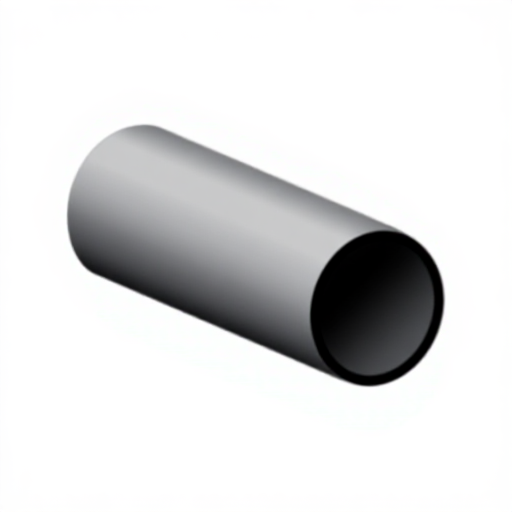 Ọ̀pá rírọ irin rírọ̀1 piece (24 mm x 60 mm)
Àwọn irinṣẹ́ tí a nílò:
 Ẹ̀rọ Ìyí Irin
 Àpò ohun èlò lathe (HSS)
 Àkójọ Orí Ìlùkòkò
 Ayùn Irin
 Ìfá Irin
 Òṣùwọ̀n Kálípà Díjítà Ìnṣì 6
6
6
Make the jaws
Make the jaws
Cut two jaws 46 mm long from 7.5 mm flat bar, 8 mm wide at the pin end widening to 12 mm. File a 90 degree V-groove 3 mm deep along each inner face, bevel both ends 30 degrees, drill the 2 mm pin hole 4 mm from the inner end. Press a 2 mm pin tight into one jaw; it must slide in the other. Check they move freely in the slot.
Àwọn ohun èlò fún ìgbésẹ̀ yìí:
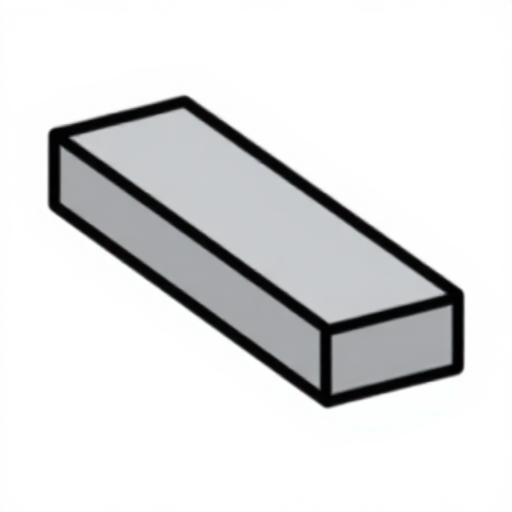 Ọ̀pá Pẹrẹsẹ Irin Pẹ́lẹ́1 piece (7.5 mm x 12 mm x 100 mm)
 Ọ̀pá Róbótó Irin Rírọ̀1 piece (2 mm x 12 mm, pin)
Àwọn irinṣẹ́ tí a nílò:
Ayùn IrinÌfá IrinÀkójọ Orí Ìlùkòkò Igi Àmì Àárín
 Ìdìmú Tábìlì
7
7
Turn the thimble
Turn the thimble
From 34 mm bar, 40 mm long: bore and cut M24 x 1.5 inside, 22 mm deep, then a 60 degree cone narrowing to a 12 mm mouth. Knurl the outside. It must screw fully onto the foot.
Àwọn ohun èlò fún ìgbésẹ̀ yìí:
Ọ̀pá rírọ irin rírọ̀1 piece (34 mm x 45 mm)Àwọn irinṣẹ́ tí a nílò:
Ẹ̀rọ Ìyí IrinÀpò ohun èlò lathe (HSS) Ohun èlò knurlingÒṣùwọ̀n Kálípà Díjítà Ìnṣì 6
8
8
Bend the crank
Bend the crank
Cut 540 mm of 10 mm rod. Turn 50 mm at one end down to 8 mm (the head journal). Following page 2: make the foot bend, slide the hardwood sleeve (30 mm, bored 10.5 mm, 90 long) onto the rod, make the two handle bends, then the head bend. Heat to a dull red for each bend; keep all bends in one plane and the head and foot legs on one line.
Àwọn ohun èlò fún ìgbésẹ̀ yìí:
Ọ̀pá Róbótó Irin Rírọ̀1 piece (10 mm x 540 mm)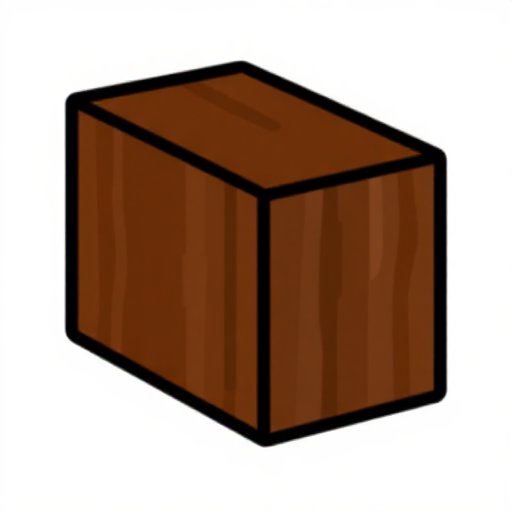 Ìṣù Igi Líle1 piece (sleeve, 35 x 35 x 95 mm)
Àwọn irinṣẹ́ tí a nílò:
 Ìléru alágbẹ̀dẹÌdìmú Tábìlì
 Òòlù olórí bọ́ọ̀lù
 Ẹ̀rọ ìyí igiẸ̀rọ Ìyí Irin
9
9
Turn the head and fit it
Turn the head and fit it
Turn a hardwood head 60 mm across and 45 mm thick, bore 8.5 mm through and counterbore the top 16 x 5 mm. Slide a washer on the journal, then the head, then a washer in the counterbore; peen the journal end over so the head turns freely but cannot come off. Oil the wood.
Àwọn ohun èlò fún ìgbésẹ̀ yìí:
Ìṣù Igi Líle1 piece (head, 65 x 65 x 50 mm) Wáṣà Pẹrẹsẹ2 piece (8 mm)
 Òróró Ọ̀gbọ̀20 ml
Àwọn irinṣẹ́ tí a nílò:
Ẹ̀rọ ìyí igiÒòlù olórí bọ́ọ̀lùÌdìmú Tábìlì10
10
Assemble the chuck
Assemble the chuck
Push the crank's foot end into the foot's socket, drill 4 mm through both and drive in a 4 mm pin, peened both ends. Drop the spring into the cavity, put the jaws in the slot (pinned ends in), and screw the thimble on.
Àwọn ohun èlò fún ìgbésẹ̀ yìí:
Ọ̀pá Róbótó Irin Rírọ̀1 piece (4 mm x 26 mm, cross pin) Àkójọ Ìsúnkì Ìtẹ̀1 piece (about 6 mm diameter, 15 mm long)
Àwọn irinṣẹ́ tí a nílò:
Àkójọ Orí ÌlùkòkòÒòlù olórí bọ́ọ̀lùÌdìmú Tábìlì11
11
Fit a bit and bore
Fit a bit and bore
Back the thimble off, put the bit shank between the jaws and tighten the thimble by hand. Press on the head and turn the handle; keep the brace square to the work.
Àwọn ohun èlò fún ìgbésẹ̀ yìí:
 Àkójọ orí kànnàkànnà1 piece (one bit, 10 mm octagonal shank)
12
12
Troubleshooting
Troubleshooting
Brace problems and fixes.
Flow
Loading...
13
13
History and honest limits
History and honest limits
Charles H. Amidon, Greenfield, Mass.: US 73,279, "Improvement in Bit-Stocks", 14 January 1868. He compared it with Barber's stock, whose solid socket had to fit the bit head exactly. His patent covers the chuck; the crank and swivel head are the ordinary ones of the time. Ours: every size and the bend order. Not built or tested by us yet.
Àwọn ohun-èlò
8- 1 piece (34 mm x 45 mm)Àyè
- 1 piece (7.5 mm x 12 mm x 100 mm)Àyè
- 1 piece (4 mm x 26 mm, cross pin)Àyè
- 1 piece (head, 65 x 65 x 50 mm)Àyè
- 2 piece (8 mm)Àyè
- 20 mlÀyè
- 1 piece (about 6 mm diameter, 15 mm long)Àyè
- 1 piece (one bit, 10 mm octagonal shank)Àyè
Àwọn irinṣẹ́ tó nílò
12- Àyè
- Àyè
- Àyè
- Àyè
Àwọn fáìlì àpẹrẹ
1Ìtọ́nisọ́nà yìí ń ṣe
Blueprint tó jọra
Àwọn blueprint wọ̀nyí pín ìmọ̀ — ọ̀nà, ohun-èlò tàbí ìlànà
CC0 Àgbègbè Gbogbogbò
Blueprint yìí ti jáde lábẹ́ CC0. O lè ṣe àdàkọ, yí padà, pín, àti lò láìsí ìyọ̀ǹda.
Ṣàtìlẹ́yìn Olùṣẹ́dá nípa rírà àwọn ọjà nipasẹ̀ Blueprint wọn Ẹ̀san Olùṣẹ́dá tí àwọn Olùtajà gbé kalẹ̀, tàbí ṣẹ̀dá àtúnṣe tuntun ti Blueprint yìí kí o sì fi sínú Blueprint rẹ gẹ́gẹ́ bí ìsopọ̀ láti pín owó-wíwọlé.