IṢẸ́ ỌNÀ
ẸWÀ ÀTI ÌLERA
IṢẸ́ ỌWỌ́
ÀṢÀ ÀTI ÌTÀN
ÌṢERÉ
ÀYÍKÁ
OÚNJẸ ÀTI OHUN MÍMU
REVERSE ENGINEERING
SÁYẸ́ǸSÌ
ERÉ ÌDÁRAYÁ
ÌMỌ̀-Ẹ̀RỌ
ÀWỌN OHUN WÍWỌ̀
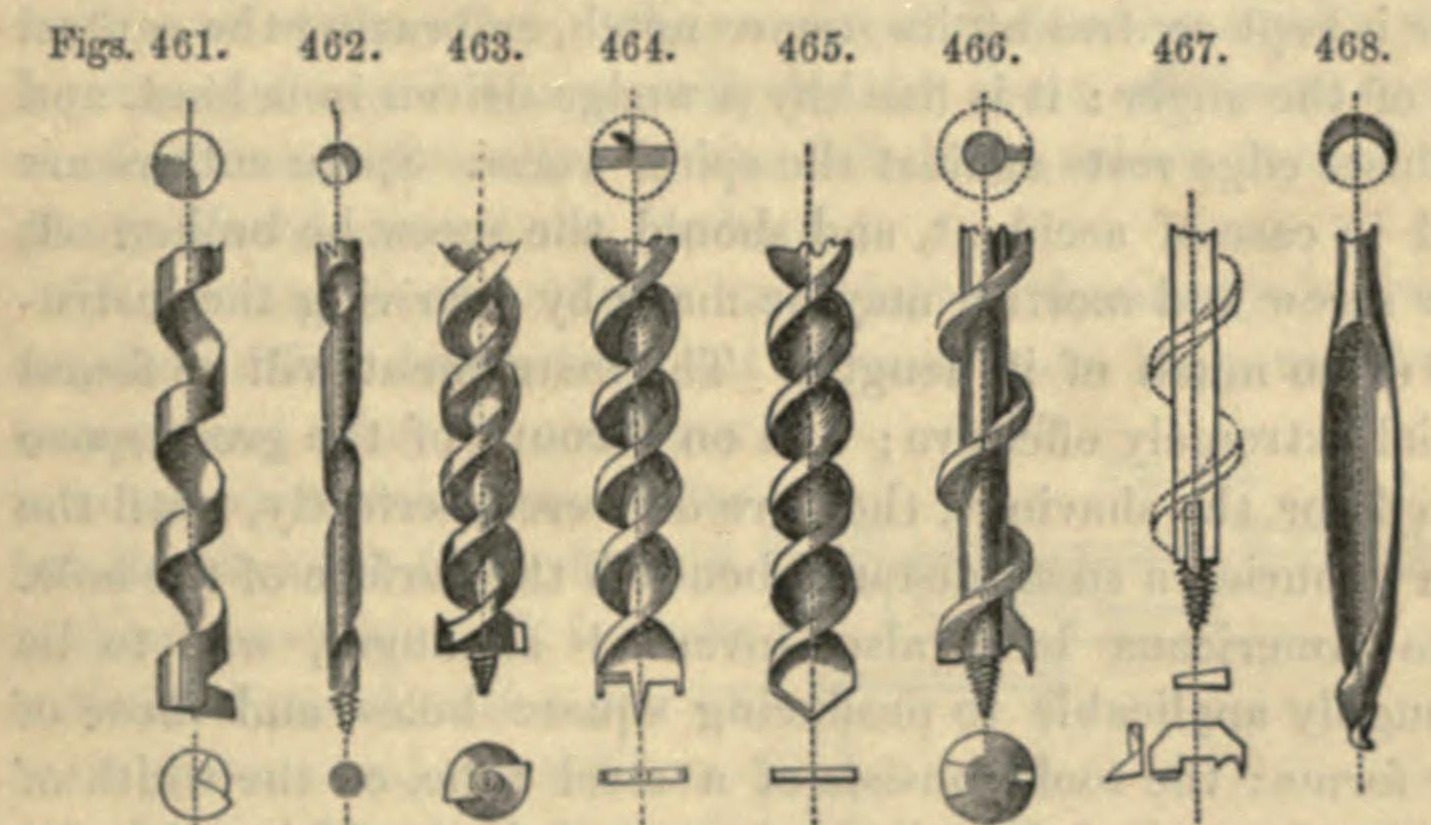


Screw Auger: a Steel Blade Twisted Red-Hot, with a Worm, Two Lips and an Eye for the Cross Handle (Holtzapffel, 1846)
How the common English screw auger was made, from Holtzapffel's Turning and Mechanical Manipulation: a parallel steel blade twisted red-hot, a worm at the point to pull it into the wood, two lips sharpened to cut, and the shaft end forged into an eye for a tightly driven cross handle.
Ilọsíwájú
A day at the forge
Ìlànà
1
1
Twist count
Twist count
Ń ṣí ìwé Jupyter…
2
2
Read Holtzapffel
Read Holtzapffel
"The ordinary screw auger ... is forged as a parallel blade of steel ... it is twisted red-hot."
3
3
Forge the blade
Forge the blade
Draw a steel bar out into a flat, parallel blade, leaving a round end for the shaft. Width, thickness and length are ours: make the blade as wide as the hole you want.
Àwọn ohun èlò fún ìgbésẹ̀ yìí:
 Ọ̀pá irin ohun èlò1 ẹyọ
Àwọn irinṣẹ́ tí a nílò:
 Ìléru alágbẹ̀dẹ
 Ìdí Alágbẹ̀dẹ
 Òòlù
 Ẹmú alágbẹ̀dẹ
 Fuller (irin ìgbẹ́ ìlà)
4
4
Twist it red-hot
Twist it red-hot
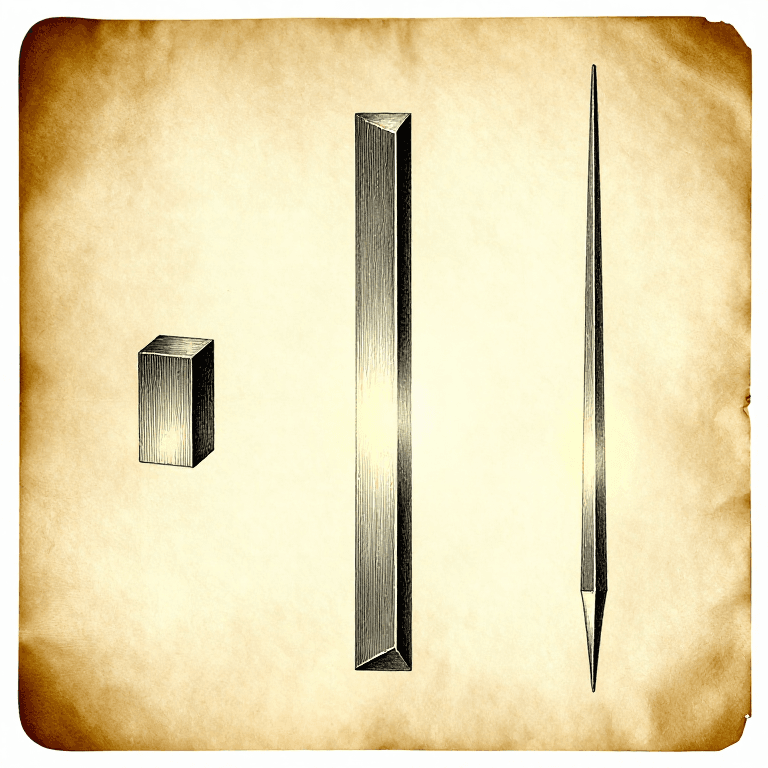
Heat the blade to red, grip one end in the vice and twist the other with a wrench into an even double spiral. Twist in short heats and keep the pitch even.
Àwọn irinṣẹ́ tí a nílò:
Ìléru alágbẹ̀dẹ Ìdìmú Tábìlì
 Ìdìmú ìyí ihá inúẸmú alágbẹ̀dẹ
5
5
Form the worm and lips
Form the worm and lips
File the point into a worm (a small tapered screw, as on a gimlet) that pulls the auger into the work. Shape and sharpen the two corners, or lips, to cut at the very ends and a little up the sides.
Àwọn irinṣẹ́ tí a nílò:
Ìdìmú Tábìlì Àwọn Ìfá (Ìfá Ọwọ́)
6
6
Forge the eye
Forge the eye
Forge the top of the shaft into a ring or eye.
Àwọn irinṣẹ́ tí a nílò:
Ìléru alágbẹ̀dẹÌdí Alágbẹ̀dẹÒòlùẸmú alágbẹ̀dẹ7
7
Harden and temper (ours)
Harden and temper (ours)
He gives no hardening. Ours: harden the cutting end and temper it as for other wood-cutting edge tools, then hone the lips.
Àwọn irinṣẹ́ tí a nílò:
Ìléru alágbẹ̀dẹ Àpótí ìtutù
 Òkúta ìpọ́n
8
8
Fit the cross handle
Fit the cross handle
Shape a hardwood bar and drive it tightly through the eye as a transverse handle.
Àwọn ohun èlò fún ìgbésẹ̀ yìí:
 Pátákó Igi Líle1 ẹyọ
Àwọn irinṣẹ́ tí a nílò:
 Ọ̀bẹ Ìfàsẹ́yìnÒòlù
9
9
Troubleshooting
Troubleshooting
Screw auger troubleshooting.
Flow
Loading...
10
10
History and honest limits
History and honest limits
From Charles Holtzapffel, **Turning and Mechanical Manipulation**, vol. II (1846), pp. 540, 543 and 545-546 (checked on the archive.org scan turningmechanica02holtuoft). He also describes the single-lip auger: a half-round bar coiled into an open spiral with the flat side outwards, the end shaped like a shell auger. He gives no sizes or heat treatment: those, the tools and the handle wood are ours.
Àwọn ohun-èlò
2- 1 ẹyọÀyè
- 1 ẹyọÀyè
Ìtọ́nisọ́nà yìí ń ṣe
Blueprint tó jọra
Àwọn blueprint wọ̀nyí pín ìmọ̀ — ọ̀nà, ohun-èlò tàbí ìlànà
CC0 Àgbègbè Gbogbogbò
Blueprint yìí ti jáde lábẹ́ CC0. O lè ṣe àdàkọ, yí padà, pín, àti lò láìsí ìyọ̀ǹda.
Ṣàtìlẹ́yìn Olùṣẹ́dá nípa rírà àwọn ọjà nipasẹ̀ Blueprint wọn Ẹ̀san Olùṣẹ́dá tí àwọn Olùtajà gbé kalẹ̀, tàbí ṣẹ̀dá àtúnṣe tuntun ti Blueprint yìí kí o sì fi sínú Blueprint rẹ gẹ́gẹ́ bí ìsopọ̀ láti pín owó-wíwọlé.