IṢẸ́ ỌNÀ
ẸWÀ ÀTI ÌLERA
IṢẸ́ ỌWỌ́
ÀṢÀ ÀTI ÌTÀN
ÌṢERÉ
ÀYÍKÁ
OÚNJẸ ÀTI OHUN MÍMU
REVERSE ENGINEERING
SÁYẸ́ǸSÌ
ERÉ ÌDÁRAYÁ
ÌMỌ̀-Ẹ̀RỌ
ÀWỌN OHUN WÍWỌ̀
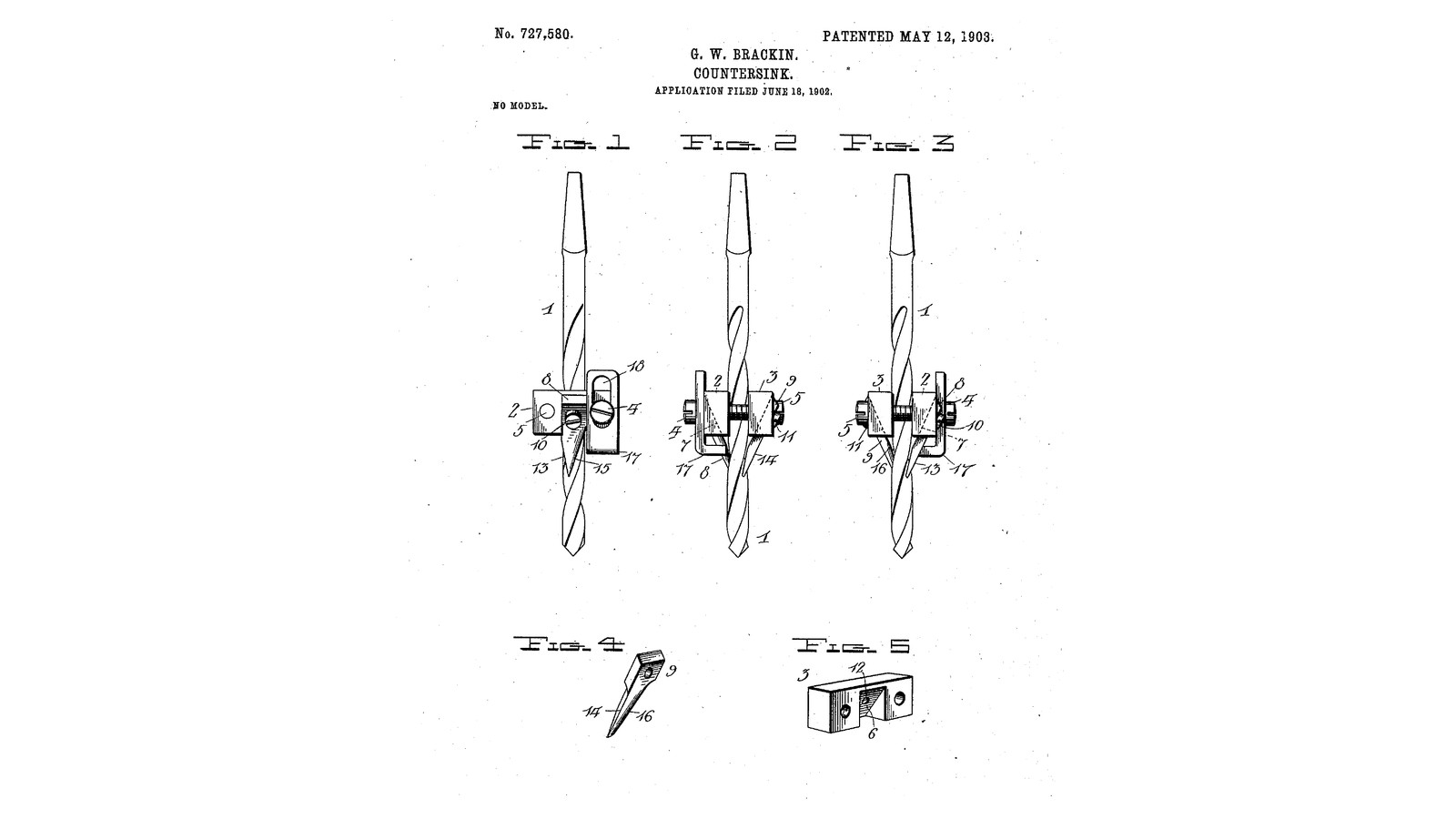


Clamp-On Countersink: Two Blocks Screwed Round Any Drill, Twin Cutters Countersink the Hole as It Is Bored (Brackin, 1903)
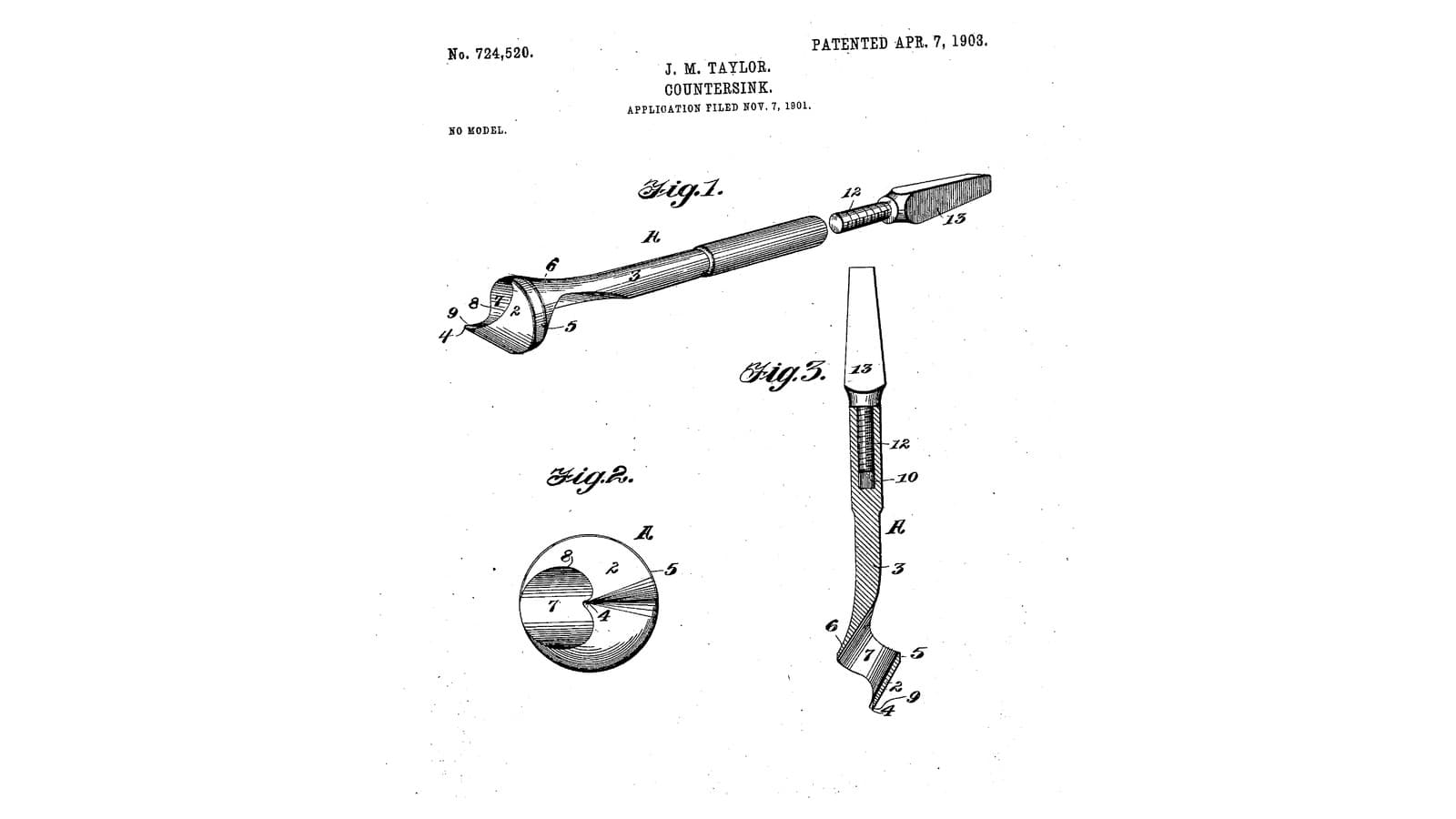
George W. Brackin of Philadelphia received US 727,580, dated 12 May 1903, for a countersink that clamps onto a drill or auger bit. Two blocks are screwed together across the bit at any point along it. A twin cutter is screwed into an inclined seat in each block, its point reaching into the bit's flutes. As the bit bores, the cutters arrive and cut the cone for the screw head without taking the bit out. A slotted stop sets how deep it goes, so it gauges the hole too.
We make three for 4, 5 and 6 mm drills. The patent gives no sizes; every size here is ours.
Àárín
About 1 day
Ìlànà
1
1
Setting it on the bit
Setting it on the bit
Ń ṣí ìwé Jupyter…
2
2
Read US 727,580
Read US 727,580
"From Figs. 2 and 3 it will be observed that the lower ends of the inclined cutters project slightly into the twists or helical channels of the drill, and this fact permits the cutters to enter the hole bored and then commence cutting away the edge of the hole as the tool is rotated."
3
3
Clamping blocks 2 and 3
Clamping blocks 2 and 3
For each attachment cut two blocks 40 x 12 x 10 mm from square bar. In each, 6 mm from one end drill a 4.5 mm plain hole and 6 mm from the other end drill 3.3 mm and tap M4, through the 12 mm face, so the two blocks screw together with the plain hole of one over the tapped hole of the other. Across the middle of each block's outer face file a seat 6 mm wide, sloping down and in at 45 degrees, and drill and tap M4 in it for the cutter's screw.
Àwọn ohun èlò fún ìgbésẹ̀ yìí:
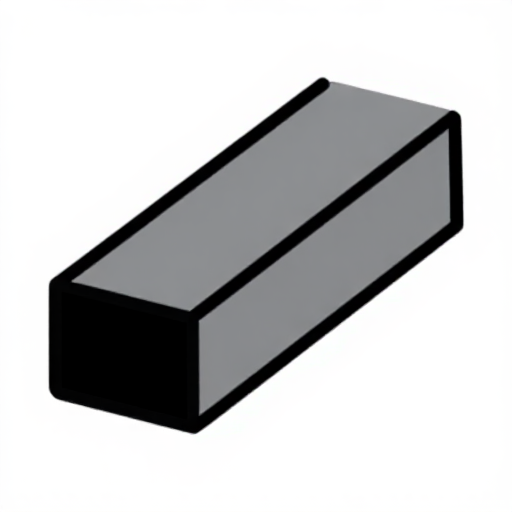 Ọ̀pá onígun mẹ́rin irin rírọ̀1 ẹyọ
Àwọn irinṣẹ́ tí a nílò:
 Ayùn Irin
 Ìdìmú Tábìlì
 Abẹ́rẹ́ Ìkọ Ìlà
 Igi Àmì Àárín
 Ẹ̀rọ Ìlùkòkò Onídúró
 Àkójọ Orí Ìlùkòkò
 Ìtò irinṣẹ́ ìgé ihá
 Ìdìmú ìyí ihá inú
 Àkójọ Ìfá
 Ẹ̀rọ Ìwọ̀n Igun
 Òṣùwọ̀n Kálípà Díjítà Ìnṣì 6
4
4
Twin cutters 8 and 9
Twin cutters 8 and 9
Cut four cutters 22 mm long from 3 x 6 mm carbon steel strip. Drill each 4.5 mm for its screw at the top, and grind the lower end to a point with a straight cutting edge 13 on its leading side and a rounded back 15, as his Fig. 4. Harden: heat to a cherry red, until a magnet no longer sticks, quench in water, rub bright, and draw to a light straw colour.
Àwọn ohun èlò fún ìgbésẹ̀ yìí:
 Ọ̀já irin líle oníkábọ́ọ̀nù1 ẹyọ
Àwọn irinṣẹ́ tí a nílò:
Ayùn IrinẸ̀rọ Ìlùkòkò OnídúróÀkójọ Orí Ìlùkòkò Ẹ̀rọ ìfá orí tábìlì
 Ilé Iná Alágbẹ̀dẹ
 Ẹmú Alágbẹ̀dẹ
 Magnẹ́ẹ̀tì Kékeré
 Àpótí ìtutù
 Omi
 Òkúta Ìpọ́n
 Ìbọ̀wọ́ wẹ́lídìn
 Gíláàsì ààbò
5
5
Stop 17 and assembly
Stop 17 and assembly
Bend a strip of 3 mm flat bar into an L, its upright 30 mm long with a 4.5 mm slot 18 15 mm long, its foot 20 mm. Screw a cutter into each block's seat. Put the blocks either side of the drill, the stop's slot under one clamping screw, and screw them together until they grip the drill, the cutters' points just in the flutes and their edges leading as the drill turns.
Àwọn ohun èlò fún ìgbésẹ̀ yìí:
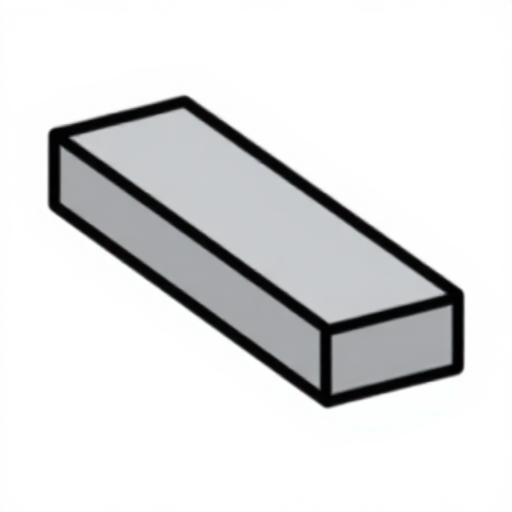 Ọ̀pá Pẹrẹsẹ Irin Pẹ́lẹ́1 ẹyọ
 Skurú ẹ̀rọ4 ẹyọ
Àwọn irinṣẹ́ tí a nílò:
Ayùn IrinÌdìmú TábìlìẸ̀rọ Ìlùkòkò OnídúróÀkójọ Orí ÌlùkòkòÀkójọ Ìfá Ìṣù àwọn ohun ìyí skurú
6
6
Bore and countersink
Bore and countersink
Set the drill's point the hole's depth below the stop's foot and the cutters for the screw head's size (the notebook gives both). Drill into hardwood until the stop touches: the hole is at depth and its mouth countersunk. Check a screw sits flush.
Àwọn irinṣẹ́ tí a nílò:
 Ẹ̀rọ Ìlùkòkò AláìlókùnÀkójọ Orí Ìlùkòkò
 Pátákó Igi LíleÒṣùwọ̀n Kálípà Díjítà Ìnṣì 6Gíláàsì ààbò
7
7
Troubleshooting
Troubleshooting
Clamp-on countersink troubleshooting.
Flow
Loading...
8
8
History and honest limits
History and honest limits
**George W. Brackin** of Philadelphia, US 727,580, dated 12 May 1903, filed 18 June 1902. He claimed "the rectangular clamping-blocks arranged parallel to each other, clamping-screws passing through the said blocks near their ends", each block "provided exteriorly at its middle point with a cutter-seat inclined downwardly and inwardly", and "duplicate and interchangeable cutters" screwed into them. His was for wood, with the note that the cutters could be hardened for metal; ours are hardened. He gives no sizes or angle; every size here is ours.
Àwọn ohun-èlò
4- Àyè
- Àyè
- Àyè
- 4 ẹyọÀyè
Àwọn irinṣẹ́ tó nílò
23- Àyè
- Àyè
- Àyè
- Àyè
- Àyè
- Àyè
- Àyè
- 1 vendor sell this, none ship to you yetÀyè
Ìtọ́nisọ́nà yìí ń ṣe

Blueprint tó jọra
Àwọn blueprint wọ̀nyí pín ìmọ̀ — ọ̀nà, ohun-èlò tàbí ìlànà
CC0 Àgbègbè Gbogbogbò
Blueprint yìí ti jáde lábẹ́ CC0. O lè ṣe àdàkọ, yí padà, pín, àti lò láìsí ìyọ̀ǹda.
Ṣàtìlẹ́yìn Olùṣẹ́dá nípa rírà àwọn ọjà nipasẹ̀ Blueprint wọn Ẹ̀san Olùṣẹ́dá tí àwọn Olùtajà gbé kalẹ̀, tàbí ṣẹ̀dá àtúnṣe tuntun ti Blueprint yìí kí o sì fi sínú Blueprint rẹ gẹ́gẹ́ bí ìsopọ̀ láti pín owó-wíwọlé.