


Casting a Bronze Socketed Spearhead — Bivalve Mould Method
The socketed spearhead was a major advance over the flat tanged point — the hollow socket allowed the shaft to be inserted directly into the head, creating a stronger and more aerodynamic weapon. This design appeared across the Bronze Age world from approximately 2000 BCE and remained in use for over a thousand years.
Creating the socket requires a bivalve mould with a clay core inserted between the two stone halves. The core occupies the space where the socket will be, so when the bronze solidifies around it and the core is broken out, a hollow tube remains. This is one of the earliest examples of core-casting — a technique that later evolved into the lost-wax process for complex hollow sculptures.
The leaf-shaped blade is cast with a raised midrib for rigidity, then the edges are cold-hammered and ground sharp. Two small holes at the socket base allow a pin or binding to lock the shaft in place.
Ìlànà
Prepare the bivalve mould
Prepare the bivalve mould
Àwọn ohun èlò fún ìgbésẹ̀ yìí:
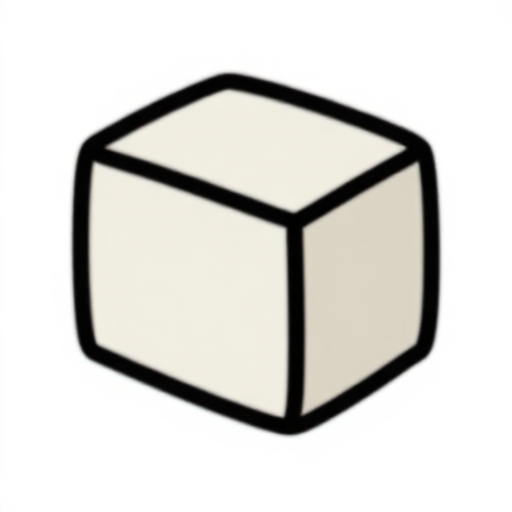 Bulọ́ọ̀kù òkúta ọṣẹ2 ẹyọ
Form the clay core for the socket
Form the clay core for the socket
Àwọn ohun èlò fún ìgbésẹ̀ yìí:
 Amọ̀ Tí Ń Fara Da Iná200 g
 Iyanrìn Kékeré100 g
Assemble the mould with core
Assemble the mould with core
Àwọn ohun èlò fún ìgbésẹ̀ yìí:
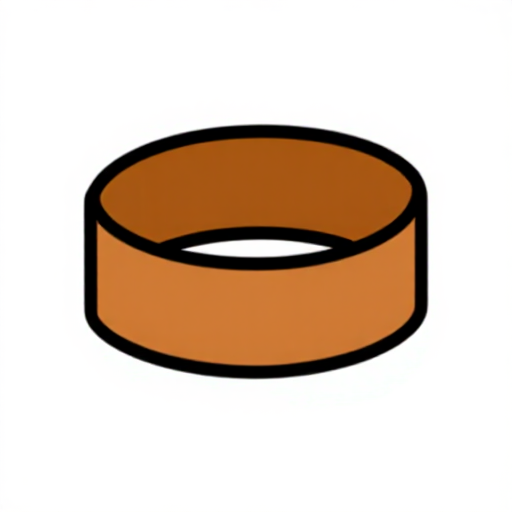 Ege awọ àìṣe1 m
Pre-heat the assembled mould
Pre-heat the assembled mould
Melt and pour the bronze
Melt and pour the bronze
Àwọn ohun èlò fún ìgbésẹ̀ yìí:
 Èédú Ìṣùu4 kg
Àwọn irinṣẹ́ tí a nílò:
 Ẹmú Ìkòkò Ìyọ́
Cool and separate the mould halves
Cool and separate the mould halves
Remove the clay core
Remove the clay core
Àwọn irinṣẹ́ tí a nílò:
 Ẹ̀ka ìwo
Remove sprue and grind the parting line
Remove sprue and grind the parting line
Àwọn ohun èlò fún ìgbésẹ̀ yìí:
 Òkúta Iyanrìn (Ohun Ìfá)1 ẹyọ
Cold-hammer and sharpen the blade edges
Cold-hammer and sharpen the blade edges
Àwọn ohun èlò fún ìgbésẹ̀ yìí:
 Òkúta ìpọ́n1 ẹyọ
Àwọn irinṣẹ́ tí a nílò:
 Òkúta Ìlù
 Pẹpẹ Òkúta Pẹrẹsẹ
Drill the rivet holes and haft
Drill the rivet holes and haft
Àwọn ohun-èlò
9- 2 ẹyọÀyè
- Àyè
- 100 gÀyè
- 1 mÀyè
- 4 kgÀyè
- Àyè
- 1 ẹyọÀyè
- 1 ẹyọÀyè
- 1 ẹyọÀyè
Àwọn irinṣẹ́ tó nílò
5- Àyè
- Àyè
- Àyè
Àwọn Ohun Èlò Ìtọ́nisọ́nà Tí A So Pọ̀
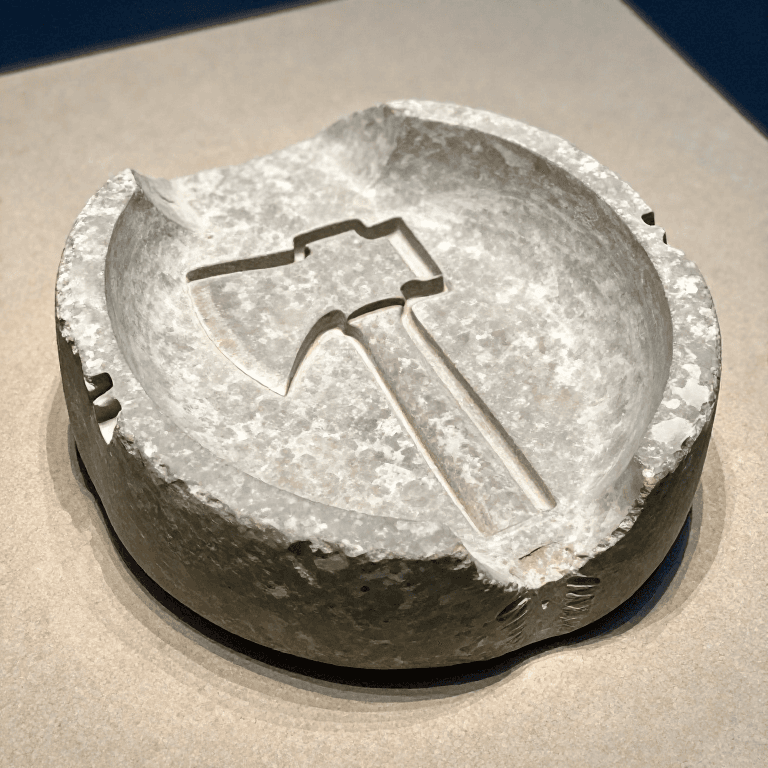
Blueprint tó jọra
Àwọn blueprint wọ̀nyí pín ìmọ̀ — ọ̀nà, ohun-èlò tàbí ìlànà
CC0 Àgbègbè Gbogbogbò
Blueprint yìí ti jáde lábẹ́ CC0. O lè ṣe àdàkọ, yí padà, pín, àti lò láìsí ìyọ̀ǹda.
Ṣàtìlẹ́yìn Olùṣẹ́dá nípa rírà àwọn ọjà nipasẹ̀ Blueprint wọn Ẹ̀san Olùṣẹ́dá tí àwọn Olùtajà gbé kalẹ̀, tàbí ṣẹ̀dá àtúnṣe tuntun ti Blueprint yìí kí o sì fi sínú Blueprint rẹ gẹ́gẹ́ bí ìsopọ̀ láti pín owó-wíwọlé.