IṢẸ́ ỌNÀ
ẸWÀ ÀTI ÌLERA
IṢẸ́ ỌWỌ́
ÀṢÀ ÀTI ÌTÀN
ÌṢERÉ
ÀYÍKÁ
OÚNJẸ ÀTI OHUN MÍMU
REVERSE ENGINEERING
SÁYẸ́ǸSÌ
ERÉ ÌDÁRAYÁ
ÌMỌ̀-Ẹ̀RỌ
ÀWỌN OHUN WÍWỌ̀
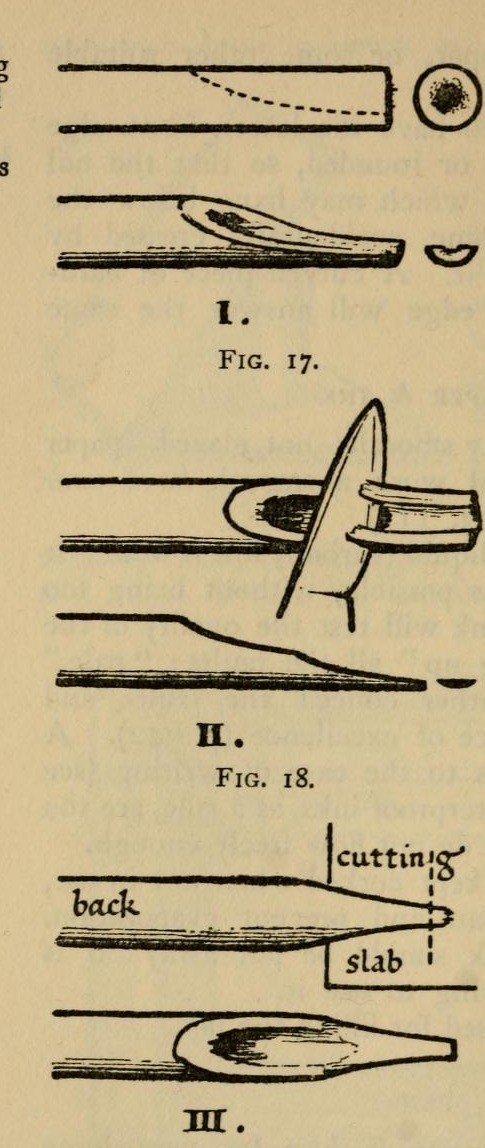


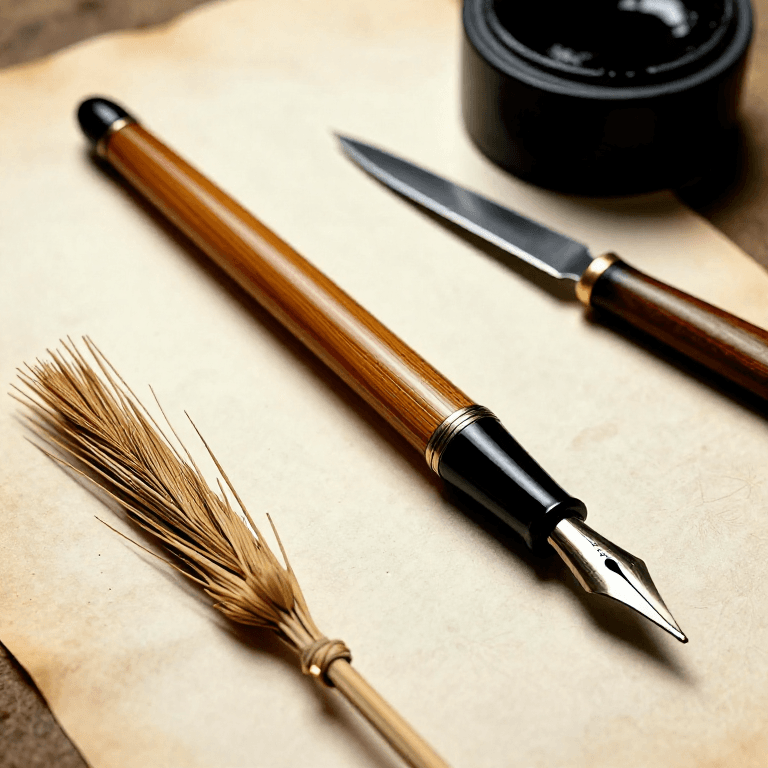
Calligraphy Pen Set: Cut Reed and Quill Pens with Ink Springs (Johnston, 1906)
Edward Johnston's broad-edged pens for formal writing: a reed or cane pen for letters over half an inch high, and a turkey quill for smaller work. Each nib is slit, cut square-chisel at about 70°, and given a folded tin spring underneath that holds a reservoir of ink. The width of the cut nib is exactly the width of the thickest stroke it will make.
Result: a set of reed and quill pens, cut to the widths you want.
Source: E. Johnston, Writing & Illuminating, & Lettering (1906), pp. 51-58. Picture: Figs. 17-19 of the book.
Olùbẹ̀rẹ̀
Unknown
Ìlànà
1
1
Cut the reed pen
Cut the reed pen
Take a reed or fine hollow cane about 8 inches long. Cut one end off obliquely and shave away the soft inside with the knife laid flat, leaving the hard shell. Lay the nib back up on the slab and, knife vertical, cut the tip off square. Slit the middle of the tip with the knife point, then lengthen the slit to about 3/4 inch by twitching a pencil upward under the nib, pressing the left thumbnail on the back about 1 inch from the tip so it does not split too far. A very stiff pen may get an extra slit each side. Finally cut the tip off at about 70° to the shaft, removing the first rough slit. Ours: reed straws.
Àwọn ohun èlò fún ìgbésẹ̀ yìí:
 Ọ̀pá ìmu ìtafẹ̀1 reed pens
Àwọn irinṣẹ́ tí a nílò:
 Ọ̀bẹ Iṣẹ́ Ọwọ́
 Àwo dígí
2
2
Cut the quill pen
Cut the quill pen
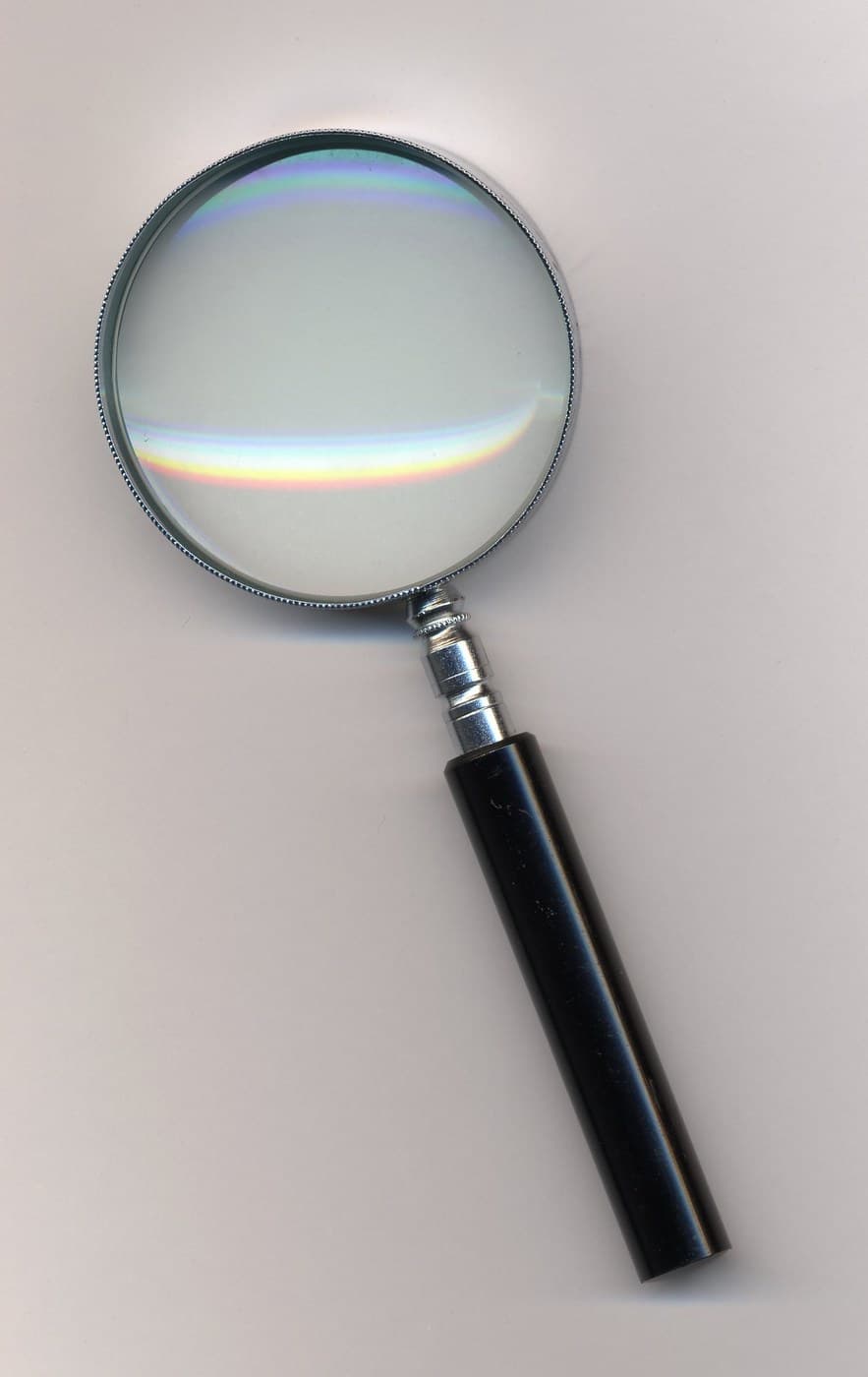
Cut a turkey wing quill down to 7 or 8 inches and strip the barbs off the shaft. The nib usually has a slit about 1/4 inch long; lengthen it to 3/8 inch in a very stiff pen. Pare the sides until the tip is a little narrower than the width wanted. Lay it back up on the glass slab and cut the extreme tip off with the knife slightly sloped, its edge at about 70° to the shaft. Cut very little at a time. Check under a magnifying glass that both half-nibs end on one straight line, with a sharp, oblique chisel edge.
Àwọn ohun èlò fún ìgbésẹ̀ yìí:
 Ìyẹ́1 turkey quills
Àwọn irinṣẹ́ tí a nílò:
Ọ̀bẹ Iṣẹ́ Ọwọ́Àwo dígí Dígí Ìgbéga
3
3
Fit the ink springs
Fit the ink springs
Cut a strip of very thin tin (or clock spring softened by heating and slow cooling) as wide as the nib and about 2 inches long, and fold it into a spring. Spring its short loop into the pen so it holds itself in place. The long loop, kept rather flat, holds the ink under the nib, with its point about 1/8 inch from the end of the nib. Too curved and it holds only a drop; quite flat and it draws the ink away from the nib.
Àwọn ohun èlò fún ìgbésẹ̀ yìí:
 Pátákó irin funfun1 ink springs
Àwọn irinṣẹ́ tí a nílò:
 Ìlàǹkàn irin
Àwọn ohun-èlò
3- 1 reed pensÀyè
- 1 turkey quillsÀyè
- 1 ink springsÀyè
Àwọn Ohun Èlò Ìtọ́nisọ́nà Tí A So Pọ̀



Ìtọ́nisọ́nà yìí ń ṣe

Blueprint tó jọra
Àwọn blueprint wọ̀nyí pín ìmọ̀ — ọ̀nà, ohun-èlò tàbí ìlànà
CC0 Àgbègbè Gbogbogbò
Blueprint yìí ti jáde lábẹ́ CC0. O lè ṣe àdàkọ, yí padà, pín, àti lò láìsí ìyọ̀ǹda.
Ṣàtìlẹ́yìn Olùṣẹ́dá nípa rírà àwọn ọjà nipasẹ̀ Blueprint wọn Ẹ̀san Olùṣẹ́dá tí àwọn Olùtajà gbé kalẹ̀, tàbí ṣẹ̀dá àtúnṣe tuntun ti Blueprint yìí kí o sì fi sínú Blueprint rẹ gẹ́gẹ́ bí ìsopọ̀ láti pín owó-wíwọlé.