IṢẸ́ ỌNÀ
ẸWÀ ÀTI ÌLERA
IṢẸ́ ỌWỌ́
ÀṢÀ ÀTI ÌTÀN
ÌṢERÉ
ÀYÍKÁ
OÚNJẸ ÀTI OHUN MÍMU
REVERSE ENGINEERING
SÁYẸ́ǸSÌ
ERÉ ÌDÁRAYÁ
ÌMỌ̀-Ẹ̀RỌ
ÀWỌN OHUN WÍWỌ̀

Hinged-Float Double-Dasher Churn: Floats That Close Going Down and Fall Open Coming Up
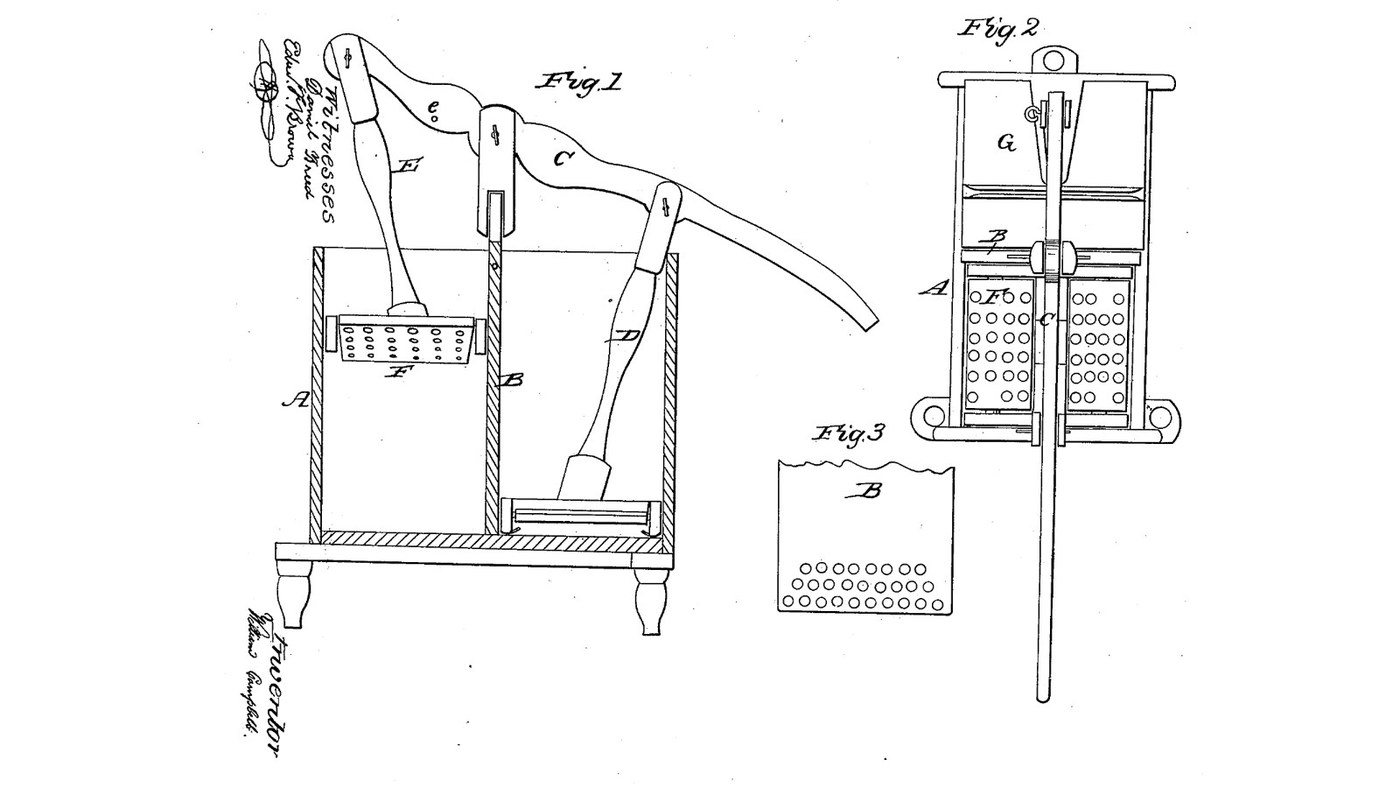
William Campbell of Waterloo, Pennsylvania, received US 25,383, dated 13 September 1859, for a dasher head made of perforated floats hinged in a frame. A lever on top of a removable partition works two dashers, one in each half of a box; as one goes down the other comes up. Going down, the cream presses the floats shut and the head fills the box's end; coming up, they fall open so the cream does not spatter over the top. Moving one shaft nearer the pivot shortens its stroke, and the butter gathers round it.
Campbell gives no sizes; every size here is ours.
Àárín
About 2 days
Ìlànà
1
1
Long stroke, short stroke
Long stroke, short stroke
Ń ṣí ìwé Jupyter…
2
2
A lever working two dashers, before it
A lever working two dashers, before it
Campbell knew a lever with two dashers was not new. What he added were the hinged, perforated floats.
3
3
Read US 25,383
Read US 25,383
"The descending dasher has its floats F, closed by the resistance of the cream. As the dasher head fills the end of the box, the cream is partly driven downward into the opposite end of the churn. Some of the milk rises through the perforations in the descending dasher; then upon the return stroke of lever C the milk takes the opposite course."
4
4
Box A with legs
Box A with legs
From 20 mm hardwood cut a bottom 540 x 290 mm, two sides 540 x 400 mm and two ends 250 x 400 mm. In each side's inner face, in the middle, cut a groove 19 mm wide and 6 mm deep from top to bottom for the partition. Glue and screw the ends between the sides and the box onto the bottom. Drill an 18 mm hole low in each end for the buttermilk and shape two tapered hardwood plugs to fit. Screw four legs of 70 mm timber, 300 mm long, under the corners. Fill the box with water overnight so it swells tight, then empty it.
Àwọn ohun èlò fún ìgbésẹ̀ yìí:
 Pátákó Igi Líle3 ẹyọ
 Igi rírọ̀ 70x70 mm1 ẹyọ
 Àwọn dowel igi líle1 ẹyọ
 Ìdìpọ̀ Igi1 ẹyọ
 Ìṣó igi30 ẹyọ
Àwọn irinṣẹ́ tí a nílò:
 Ayùn tábìlì
 Ayùn Ọwọ́
 Àwọn ìgbẹ́ igi
 Ẹ̀rọ Ìlùkòkò Aláìlókùn
 Àkójọ orí kànnàkànnà
 Ìdìmú oní-ọ̀pá
 Igun-òsùwọ̀n tí ó dúró
 Okùn Ìdíwọ̀n
 Omi
5
5
Partition B
Partition B
Cut an 18 mm hardwood partition 261 x 400 mm to slide down the grooves, with a post 60 mm wide rising 170 mm above it. Drill four rows of six 16 mm holes across its lower end, as Fig. 3 draws, the lowest row 25 mm up. Saw a 24 mm slot 50 mm deep in the top of the post and bore a 12.6 mm hole across it 150 mm above the box for the lever's pin.
Àwọn ohun èlò fún ìgbésẹ̀ yìí:
Pátákó Igi Líle1 ẹyọÀwọn irinṣẹ́ tí a nílò:
Ayùn Ọwọ́ Ayùn JígísòẸ̀rọ Ìlùkòkò AláìlókùnÀkójọ orí kànnàkànnà
 Àkójọ Orí ÌlùkòkòÀwọn ìgbẹ́ igi
6
6
Dasher heads with hinged floats F
Dasher heads with hinged floats F
For each head make a hardwood frame 230 x 230 mm of 12 mm strips with a 12 mm bar across the middle and a block on top of the bar for the shaft's pin. Cut two floats 95 x 204 mm from 10 mm hardwood and drill each with three rows of five 14 mm holes. Hinge each float on the middle bar with stainless wire through drilled knuckles so its outer edge can fall open and rises against the frame's top lip when the head goes down.
Àwọn ohun èlò fún ìgbésẹ̀ yìí:
Pátákó Igi Líle1 ẹyọ Okùn irin aláìjẹrùn1 ẹyọÌdìpọ̀ Igi1 ẹyọÌṣó igi8 ẹyọ
Àwọn irinṣẹ́ tí a nílò:
Ayùn tábìlìAyùn Ọwọ́Ẹ̀rọ Ìlùkòkò AláìlókùnÀkójọ Orí Ìlùkòkò Àwọn Ìfá (Ìfá Ọwọ́)
 Bébà Ìfá
7
7
Lever C, shafts D and E, cover G
Lever C, shafts D and E, cover G
Make the lever from hardwood 40 x 22 mm, 1,000 mm long, with its pivot hole 300 mm from the short end, a hole for shaft D 230 mm from the pivot on the long arm, and on the short arm a hole for E 230 mm out and a second hole c 150 mm out. Pin it into the post's slot with a 12 mm stainless rod. Cut shafts D and E from 22 mm dowel, 450 mm between pin centres, slot their ends and pin them to the lever and to the heads' blocks with 6 mm stainless bolts. Make cover G for the D end from 15 mm hardwood with a 30 mm slot for shaft D.
Àwọn ohun èlò fún ìgbésẹ̀ yìí:
Pátákó Igi Líle1 ẹyọÀwọn dowel igi líle1 ẹyọ Ọ̀pá irin tí kò ń yá1 ẹyọ
 Àkójọ bọ́ọ̀lù onígun mẹ́fà4 ẹyọ
 Ẹ̀kù Ìdìmú Onínáílọ́ọ̀nù4 ẹyọ
 Wáṣà Pẹrẹsẹ4 ẹyọ
Àwọn irinṣẹ́ tí a nílò:
Ayùn Ọwọ́Ayùn JígísòẸ̀rọ Ìlùkòkò AláìlókùnÀkójọ Orí Ìlùkòkò Ayùn Irin
 Kọ́kọ́rọ́ tí a lè ṣàtúnṣeOkùn Ìdíwọ̀n
8
8
The build in 3D
The build in 3D
FreeCAD model of this build, one side cut away: the box on its legs, the partition perforated low with its post, the lever on its pin, shafts D and E down to their heads, each head a frame with two perforated floats, the cover over the D end, and the plugs. Checked over 12 degrees each way with E in either hole.
9
9
Churn, then gather
Churn, then gather
Plug both ends and pour about 15 litres of heavy cream at about 15 °C into the box, checked with the thermometer. Rock the lever steadily, timing it. When butter begins to form, unpin shaft E and pin it in hole c, and go on rocking: the butter gathers round E and rises above its head in the open end. Lift it out, draw the buttermilk off at the plugs, wash the butter in cold water until it runs clear, work in a pinch of salt and weigh it. To clean, pour in hot water, give a few strokes and lift the dashers and partition out to dry.
Àwọn ohun èlò fún ìgbésẹ̀ yìí:
 Ọ̀rá wàrà tó nípọn15 l
 Iyọ̀ Òkun Rúkèrúdò1 ẹyọOmi1 ẹyọ
Àwọn irinṣẹ́ tí a nílò:
 Ẹ̀rọ ìwọ̀n ooru oníhun tí ó dúró sí inú
 Aago Ìdúró
 Òṣùwọ̀n Díjítà Ilé Ìdáná
 Àwo ìdàpọ̀ ńlá ti irin tí kò ń yá
10
10
Troubleshooting
Troubleshooting
Hinged-float churn troubleshooting.
Flow
Loading...
11
11
History and honest limits
History and honest limits
**William Campbell** of Waterloo, Juniata County, Pennsylvania, US 25,383, 13 September 1859, "Churn". He claimed the perforated and hinged floats F as an improvement in dasher heads. He knew divided boxes and a lever working two dashers were not new, and that perforated dashers hinged to a central partition had been used in swinging churns. He gives no sizes, so every size here is ours. He set the shafts obliquely into the heads; ours are pinned at both ends so the heads stay level between the walls.
Àwọn ohun-èlò
13- 3 ẹyọÀyè
- 1 ẹyọÀyè
- 1 ẹyọÀyè
- 2 ẹyọÀyè
- 38 ẹyọÀyè
- 1 ẹyọÀyè
- 1 ẹyọÀyè
- Àyè
- Àyè
- 4 ẹyọÀyè
- Àyè
- 1 ẹyọÀyè
- 1 ẹyọÀyè
Àwọn irinṣẹ́ tó nílò
19- 1 vendor sell this, none ship to you yetÀyè
- Àyè
- 1 vendor sell this, none ship to you yetÀyè
- 1 vendor sell this, none ship to you yetÀyè
- Àyè
- 1 vendor sell this, none ship to you yetÀyè
- Àyè
- Àyè
- Àyè
Àwọn fáìlì àpẹrẹ
1Ìtọ́nisọ́nà yìí ń ṣe

Blueprint tó jọra
Àwọn blueprint wọ̀nyí pín ìmọ̀ — ọ̀nà, ohun-èlò tàbí ìlànà
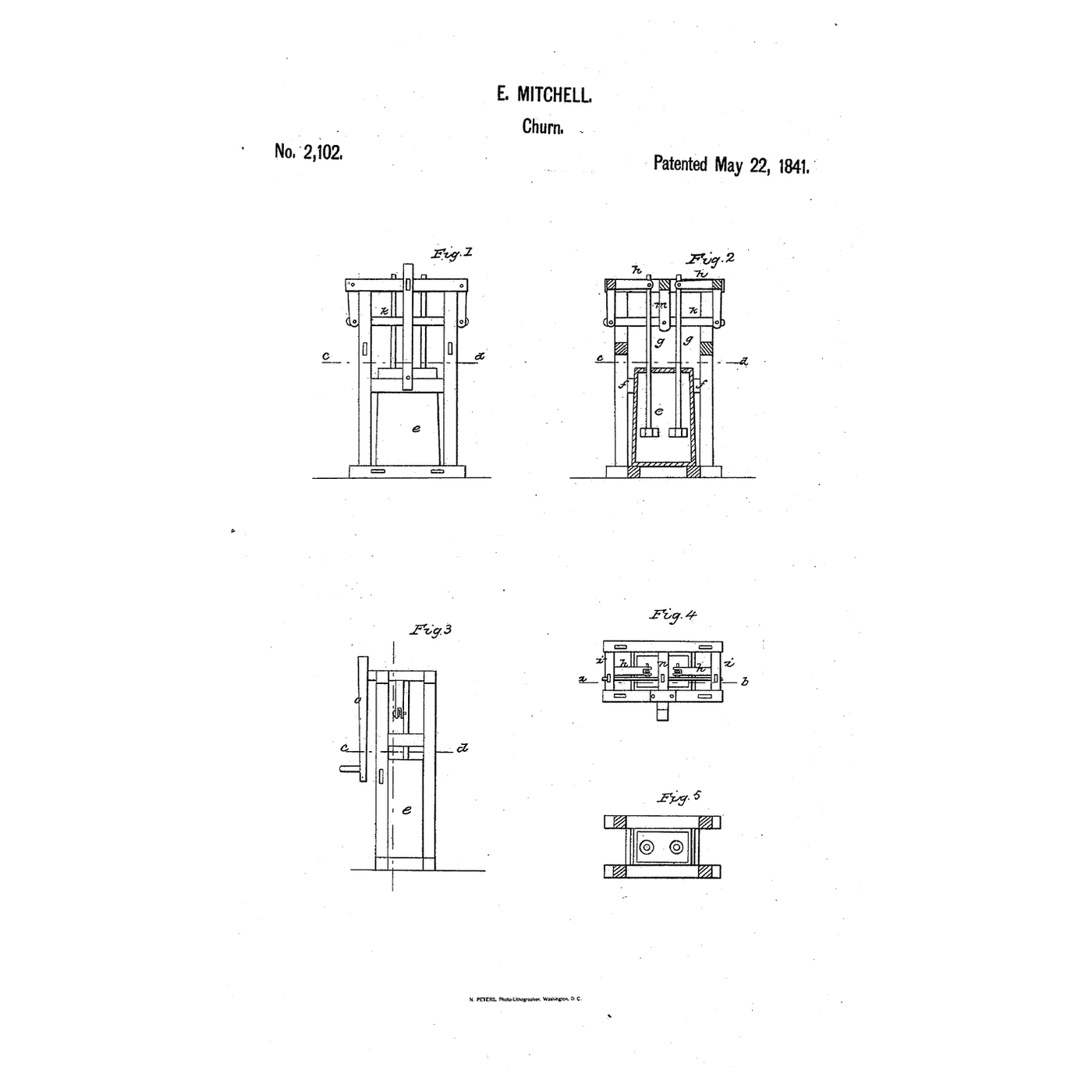
Double-Dasher Lever Churn: Swing One Lever, One Dasher Rises as the Other Falls
láti ọwọ́ Woody
Iṣẹ́ Igi
43
0
0
0
0
0
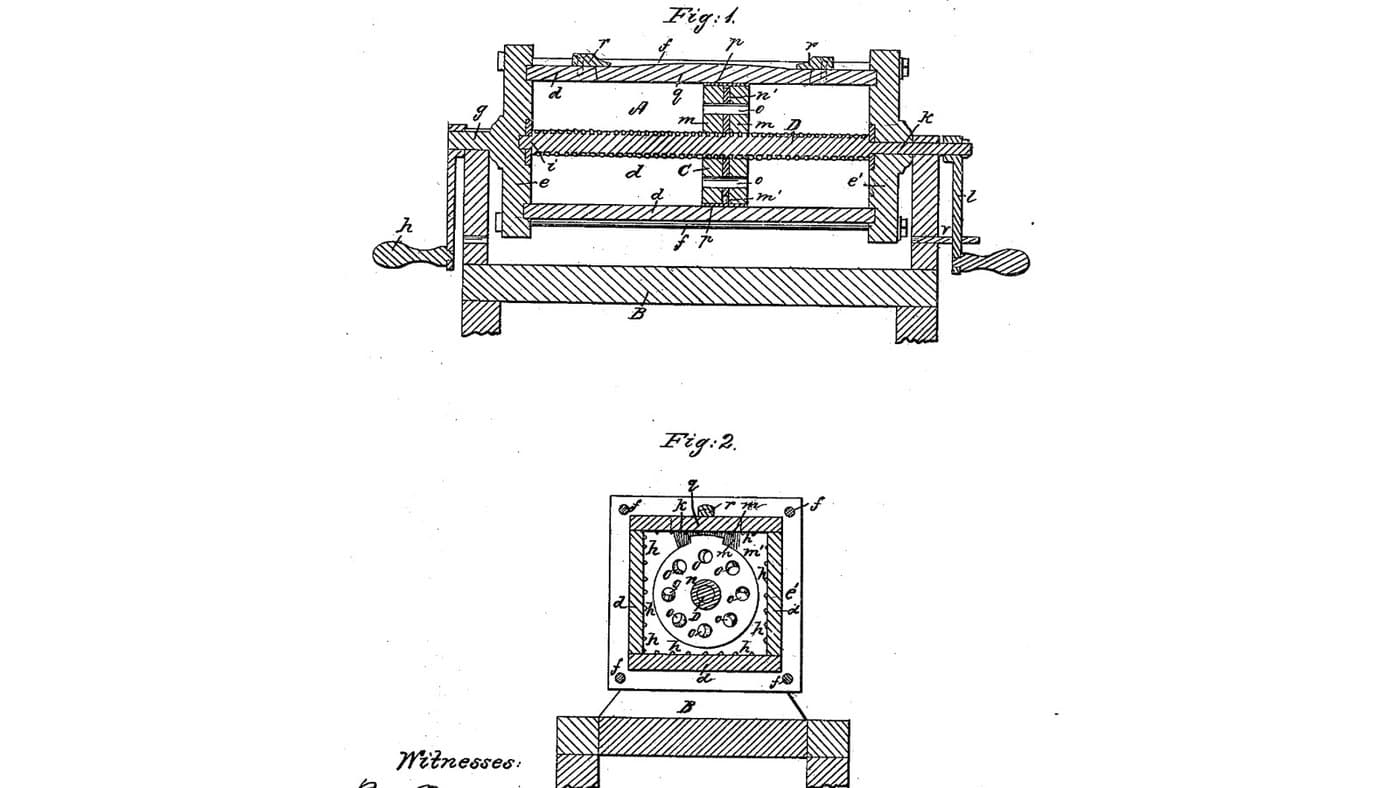
Screw-Piston Box Churn: The Case Turns and a Piston Runs End to End Along a Five-Start Screw
láti ọwọ́ Buttercup
Iṣẹ́ Igi
8
0
0
0
0
0
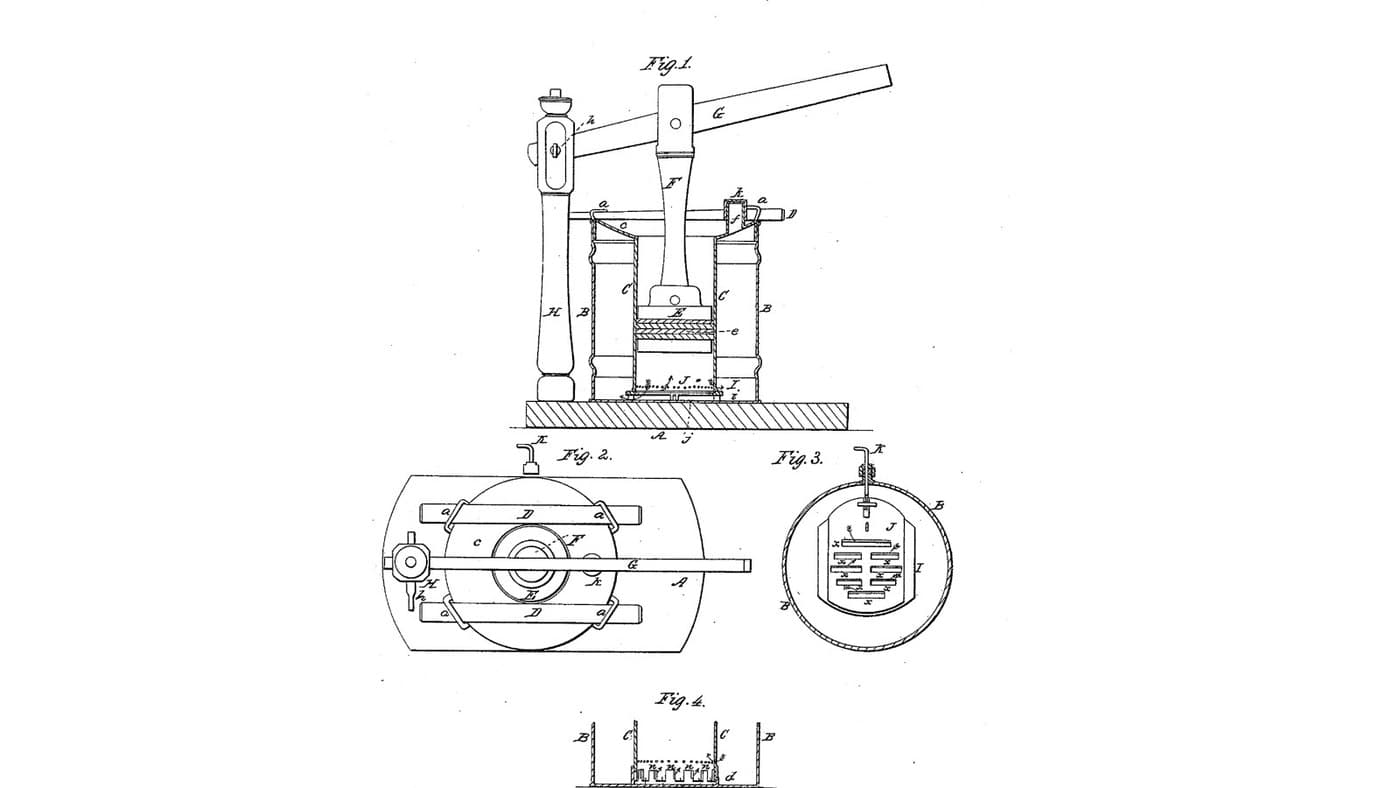
Friction Plunger Churn: Cream Pumped Through Openings You Close a Little More as It Thickens
láti ọwọ́ Buttercup
OÚNJẸ ÀTI OHUN MÍMU
7
0
0
0
0
0
Churning Butter from Cream — The 5,000-Year-Old Fat Separation
láti ọwọ́ TheChef
IṢẸ́ ỌWỌ́
63
0
0
0
0
0
CC0 Àgbègbè Gbogbogbò
Blueprint yìí ti jáde lábẹ́ CC0. O lè ṣe àdàkọ, yí padà, pín, àti lò láìsí ìyọ̀ǹda.
Ṣàtìlẹ́yìn Olùṣẹ́dá nípa rírà àwọn ọjà nipasẹ̀ Blueprint wọn Ẹ̀san Olùṣẹ́dá tí àwọn Olùtajà gbé kalẹ̀, tàbí ṣẹ̀dá àtúnṣe tuntun ti Blueprint yìí kí o sì fi sínú Blueprint rẹ gẹ́gẹ́ bí ìsopọ̀ láti pín owó-wíwọlé.