IṢẸ́ ỌNÀ
ẸWÀ ÀTI ÌLERA
IṢẸ́ ỌWỌ́
ÀṢÀ ÀTI ÌTÀN
ÌṢERÉ
ÀYÍKÁ
OÚNJẸ ÀTI OHUN MÍMU
REVERSE ENGINEERING
SÁYẸ́ǸSÌ
ERÉ ÌDÁRAYÁ
ÌMỌ̀-Ẹ̀RỌ
ÀWỌN OHUN WÍWỌ̀
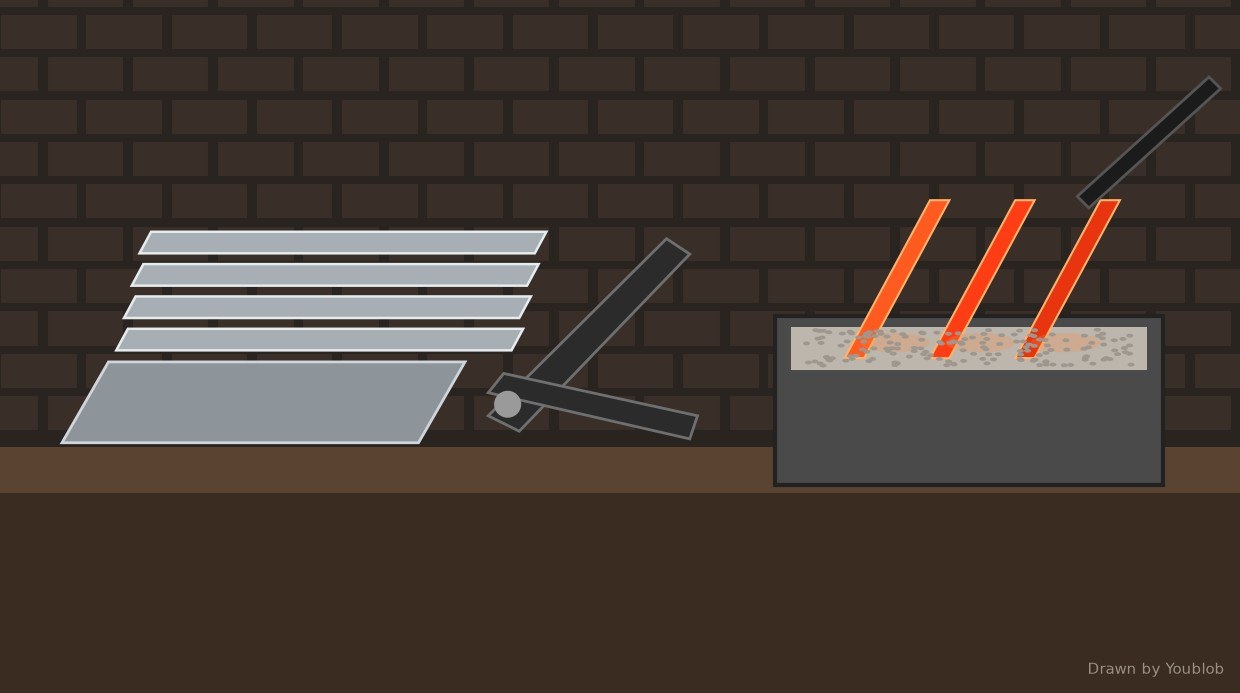


Carbon Steel Strip: Saw Plate Sheared and Annealed Soft
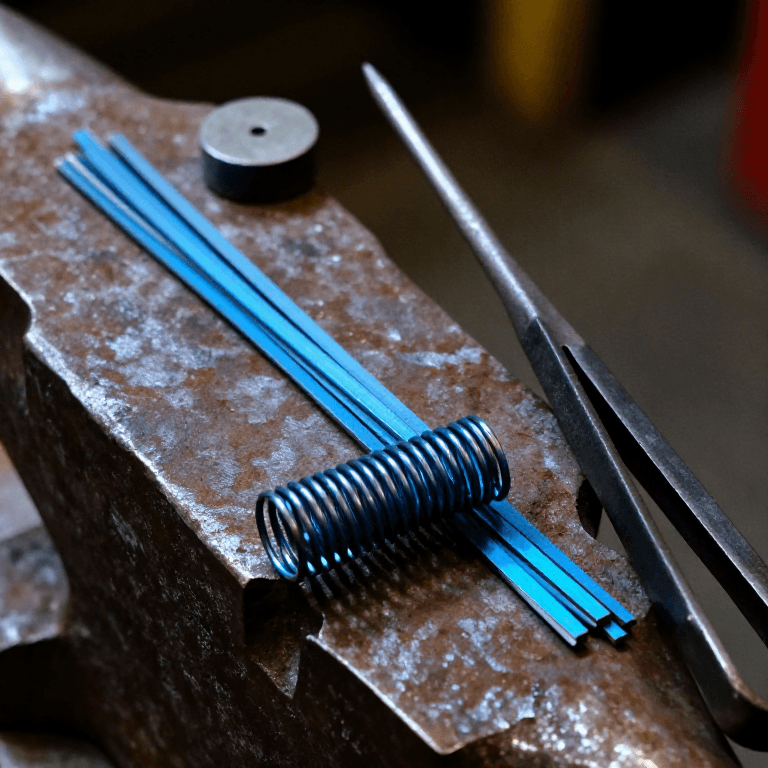
Thin carbon steel strip, soft enough to punch, file and score: the stock for utility-knife blades, hacksaw blades and hole saws, which are hardened only after they are shaped. Start from crucible steel rolled to gauge, cut it into strips with plate shears, then anneal it the way Harcourt's Elementary Forge Practice (1920) gives for tool steel: cherry red, about 1400 °F, and buried in perfectly dry ashes until cold.
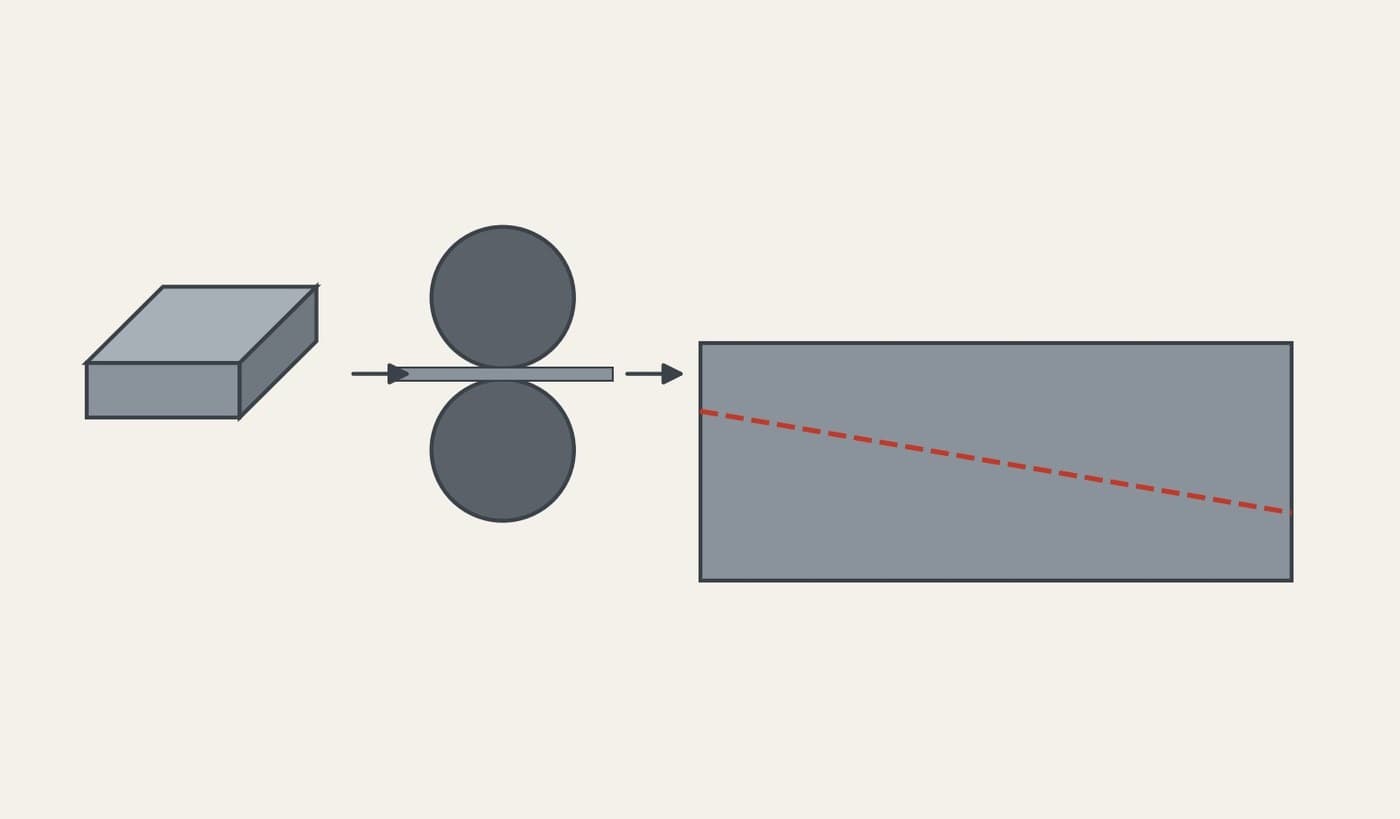
Cutting strips instead of saw outlines and the file test are ours. The picture is our drawing.
Olùbẹ̀rẹ̀
1 day (cooling overnight)
Ìlànà
1
1
Roll the plate
Roll the plate
Roll crucible steel to the gauge the blades need, as in this blueprint. Stop before the saw outlines are sheared.
2
2
Mark the strips
Mark the strips
Scribe lines along the plate, one strip width apart. The width is whatever the blades need (ours).
Àwọn ohun èlò fún ìgbésẹ̀ yìí:
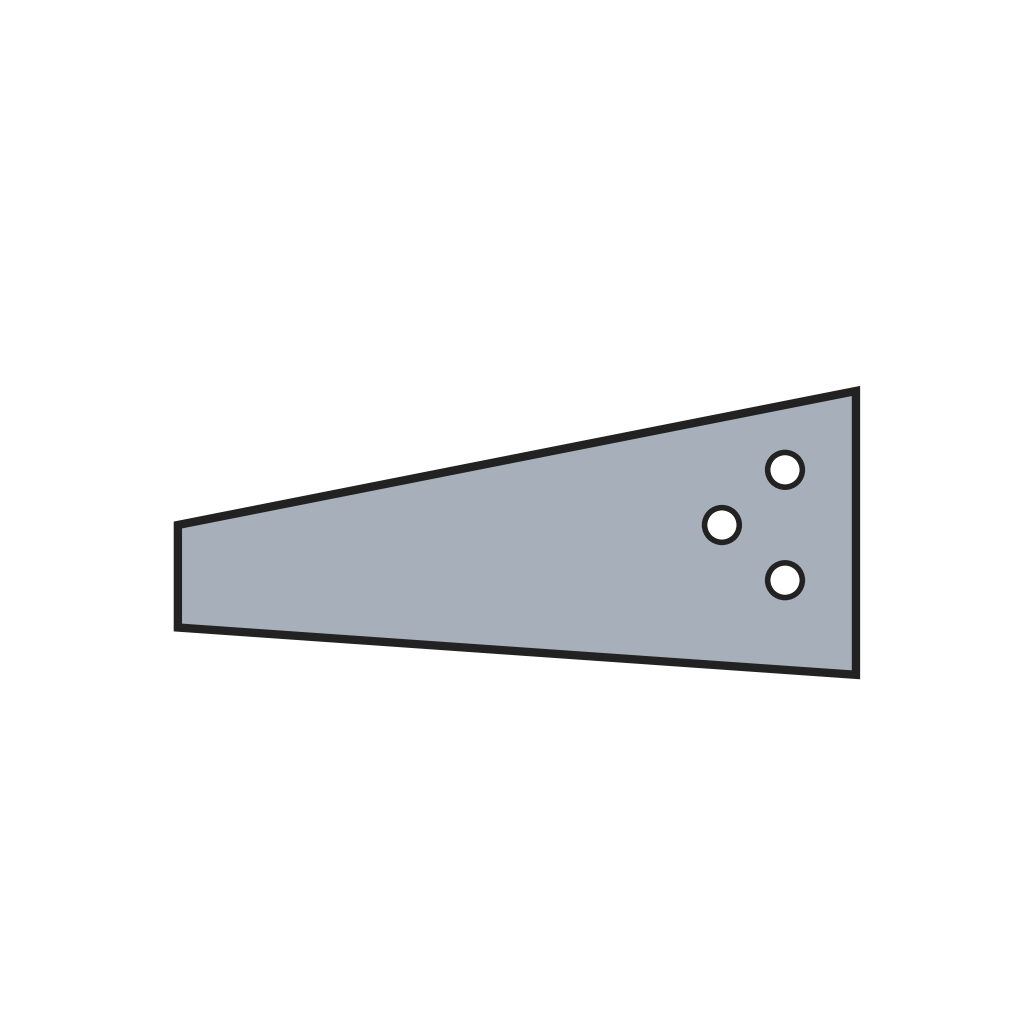 Àwo irin líle fún abẹ ayùn1 ẹyọ
Àwọn irinṣẹ́ tí a nílò:
 Abẹ́rẹ́ Ìkọ Ìlà
 Etí tààrà
3
3
Shear into strips
Shear into strips
Cut along the lines with plate shears, as Grimshaw's saw plates are cut to outline after rolling.
Àwọn irinṣẹ́ tí a nílò:
 Àlùmọ́gàjí àwo irin
4
4
Fill a bucket with dry ash
Fill a bucket with dry ash
Fill an iron bucket with ashes. They must be perfectly dry, so they conduct heat poorly and the steel cools slowly. Dry slaked lime also works.
Àwọn irinṣẹ́ tí a nílò:
 Eérú Igi Líle
 Bàkẹ́tì irin
5
5
Heat to cherry red
Heat to cherry red
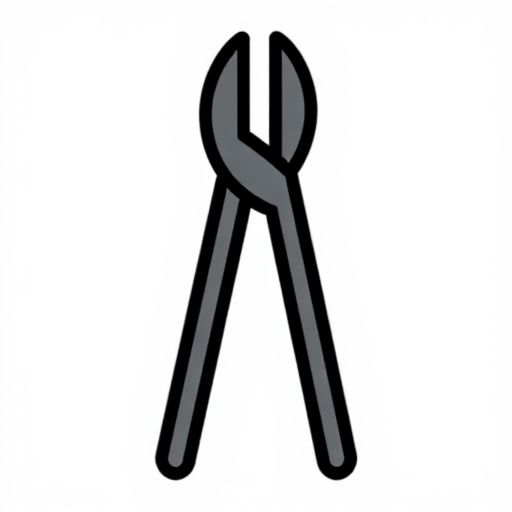
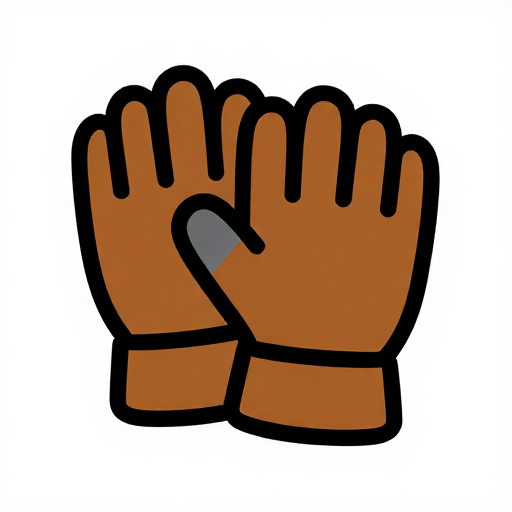
Heat the strips evenly in the forge to a cherry red, about 1400 °F (760 °C). No hotter: overheated steel goes coarse in the grain and weak.
Àwọn irinṣẹ́ tí a nílò:
 Ìléru alágbẹ̀dẹ
 Ẹmú alágbẹ̀dẹ
 Ìbọ̀wọ́ wẹ́lídìn
6
6
Bury and leave until cold
Bury and leave until cold
Bury the strips in the ash at once and leave them until they are entirely cold, overnight. The slower they cool, the softer they are.
Àwọn irinṣẹ́ tí a nílò:
Ẹmú alágbẹ̀dẹBàkẹ́tì irinÌbọ̀wọ́ wẹ́lídìn7
7
Check it is soft
Check it is soft
Brush off the ash and stroke a corner with a file: it should bite easily. If it skates, anneal again (our test).
Àwọn irinṣẹ́ tí a nílò:
 Ìfá Irin
Àwọn ohun-èlò
1- Àyè
Àwọn irinṣẹ́ tó nílò
9- Àyè
- Àyè
- Àyè
Ìtọ́nisọ́nà yìí ń ṣe
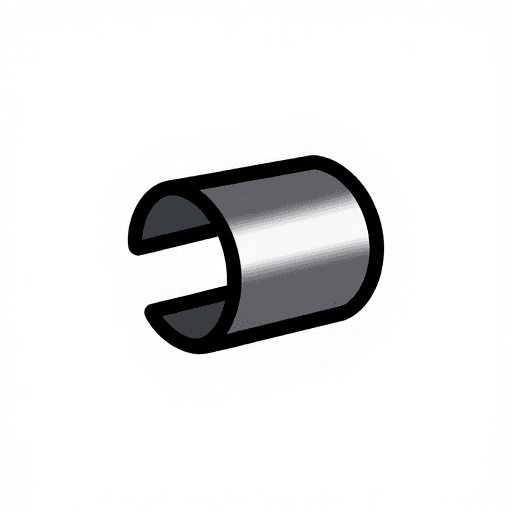
Blueprint tó jọra
Àwọn blueprint wọ̀nyí pín ìmọ̀ — ọ̀nà, ohun-èlò tàbí ìlànà
CC0 Àgbègbè Gbogbogbò
Blueprint yìí ti jáde lábẹ́ CC0. O lè ṣe àdàkọ, yí padà, pín, àti lò láìsí ìyọ̀ǹda.
Ṣàtìlẹ́yìn Olùṣẹ́dá nípa rírà àwọn ọjà nipasẹ̀ Blueprint wọn Ẹ̀san Olùṣẹ́dá tí àwọn Olùtajà gbé kalẹ̀, tàbí ṣẹ̀dá àtúnṣe tuntun ti Blueprint yìí kí o sì fi sínú Blueprint rẹ gẹ́gẹ́ bí ìsopọ̀ láti pín owó-wíwọlé.