IṢẸ́ ỌNÀ
ẸWÀ ÀTI ÌLERA
IṢẸ́ ỌWỌ́
ÀṢÀ ÀTI ÌTÀN
ÌṢERÉ
ÀYÍKÁ
OÚNJẸ ÀTI OHUN MÍMU
REVERSE ENGINEERING
SÁYẸ́ǸSÌ
ERÉ ÌDÁRAYÁ
ÌMỌ̀-Ẹ̀RỌ
ÀWỌN OHUN WÍWỌ̀


Chippewa Black Dyes: Butternut, Green Hazel Burs and Oak Bark with Black Spring Earth or Grindstone Dust (Densmore, 1928)
The seven Chippewa (Ojibwe) black dyes Frances Densmore recorded: tannin-rich butternut, oak, alder and dogwood bark and green hazel burs, boiled and darkened with iron, from black earth out of springs or the dust of a grindstone. The chemist she consulted put it simply: iron on tannin makes an ink.
Olùbẹ̀rẹ̀
A day, or two weeks for rushes
Ìlànà
1
1
Read Densmore
Read Densmore
Black earth from springs "is full of compounds of iron with organic acids": the iron acts on the tannin and makes an ink. Grindstone dust, silt with iron in it, does the same work.
2
2
Formula 1: butternut and green hazel
Formula 1: butternut and green hazel
Boil butternut bark and green hazel burs together (amounts not given). This made the clear, heavy black rushes of a mat she illustrates.
Àwọn ohun èlò fún ìgbésẹ̀ yìí:
 Butternut Bark1 ẹyọ
 Green Hazel Burs1 ẹyọ
 Omi1 ẹyọ
Àwọn irinṣẹ́ tí a nílò:
 Òkúta Ìlù
 Ihò iná
 Ìkòkò aró ńlá
3
3
Formula 2: boiled down with black earth
Formula 2: boiled down with black earth
Boil bur oak bark with butternut inner bark and a little butternut root. After a while put in the black earth, later the ochre. The more it is boiled down, the blacker. Keep it in the kettle and heat it to use.
Àwọn ohun èlò fún ìgbésẹ̀ yìí:
 Epo igi oaku gbígbẹ1 ẹyọButternut Bark1 ẹyọ
 Ẹrẹ̀ aró1 ẹyọ
 Okuta ochre tútù1 ẹyọOmi1 ẹyọ
Àwọn irinṣẹ́ tí a nílò:
Ihò ináÌkòkò aró ńlá4
4
Formulae 3 to 6
Formulae 3 to 6
(3) Alder, red-osier dogwood and oak bark with either grindstone dust or black earth. (4) Boil bur oak inner bark and green hazel burs, add butternut and black earth later, and let it stand a long time before use. (5) Butternut with grindstone dust. (6) Black earth with grindstone dust.
Àwọn ohun èlò fún ìgbésẹ̀ yìí:
 Èèpo igi alder (gbígbẹ)1 ẹyọ
 Red-osier Dogwood Bark1 ẹyọEpo igi oaku gbígbẹ1 ẹyọGreen Hazel Burs1 ẹyọButternut Bark1 ẹyọẸrẹ̀ aró1 ẹyọ
 Grindstone Dust1 ẹyọOmi1 ẹyọ
Àwọn irinṣẹ́ tí a nílò:
Òkúta ÌlùIhò ináÌkòkò aró ńlá5
5
Formula 7 on wool
Formula 7 on wool
Inner bark of oak, green hazel burs, grindstone dust and a little ochre dust in hot water: this one was used on white blanket for her. Boil the wool in it. Hers came out not a heavy black, said to be from too little dye, so make plenty (ours: dye again as for the rushes). Rinse and dry (ours).
Àwọn ohun èlò fún ìgbésẹ̀ yìí:
Epo igi oaku gbígbẹ1 ẹyọGreen Hazel Burs1 ẹyọGrindstone Dust1 ẹyọOkuta ochre tútù1 ẹyọOmi1 ẹyọ Okùn irun àgùntàn tí a kò dá aró sí1 ẹyọ
Àwọn irinṣẹ́ tí a nílò:
Òkúta ÌlùIhò ináÌkòkò aró ńlá6
6
Rushes, her way
Rushes, her way
For mat rushes she gives this: dip them every day for about two weeks, boil them a short time and hang them up to dry each time. When dry, rub them well with a little lard "to make them shiny and limber". At a spring in Ontario women simply buried their rushes in the black earth for a few days.
Àwọn ohun èlò fún ìgbésẹ̀ yìí:
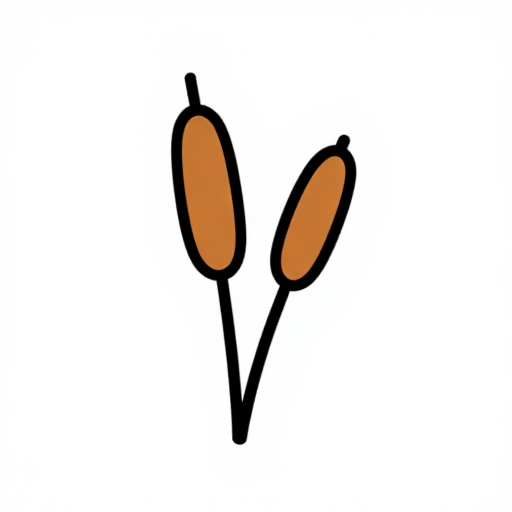 Ọ̀pá esùsú gbígbẹ1 ẹyọ
 Lard1 ẹyọ
Àwọn irinṣẹ́ tí a nílò:
Ìkòkò aró ńláIhò iná7
7
Troubleshooting
Troubleshooting
Black dye troubleshooting.
Flow
Loading...
8
8
History and honest limits
History and honest limits
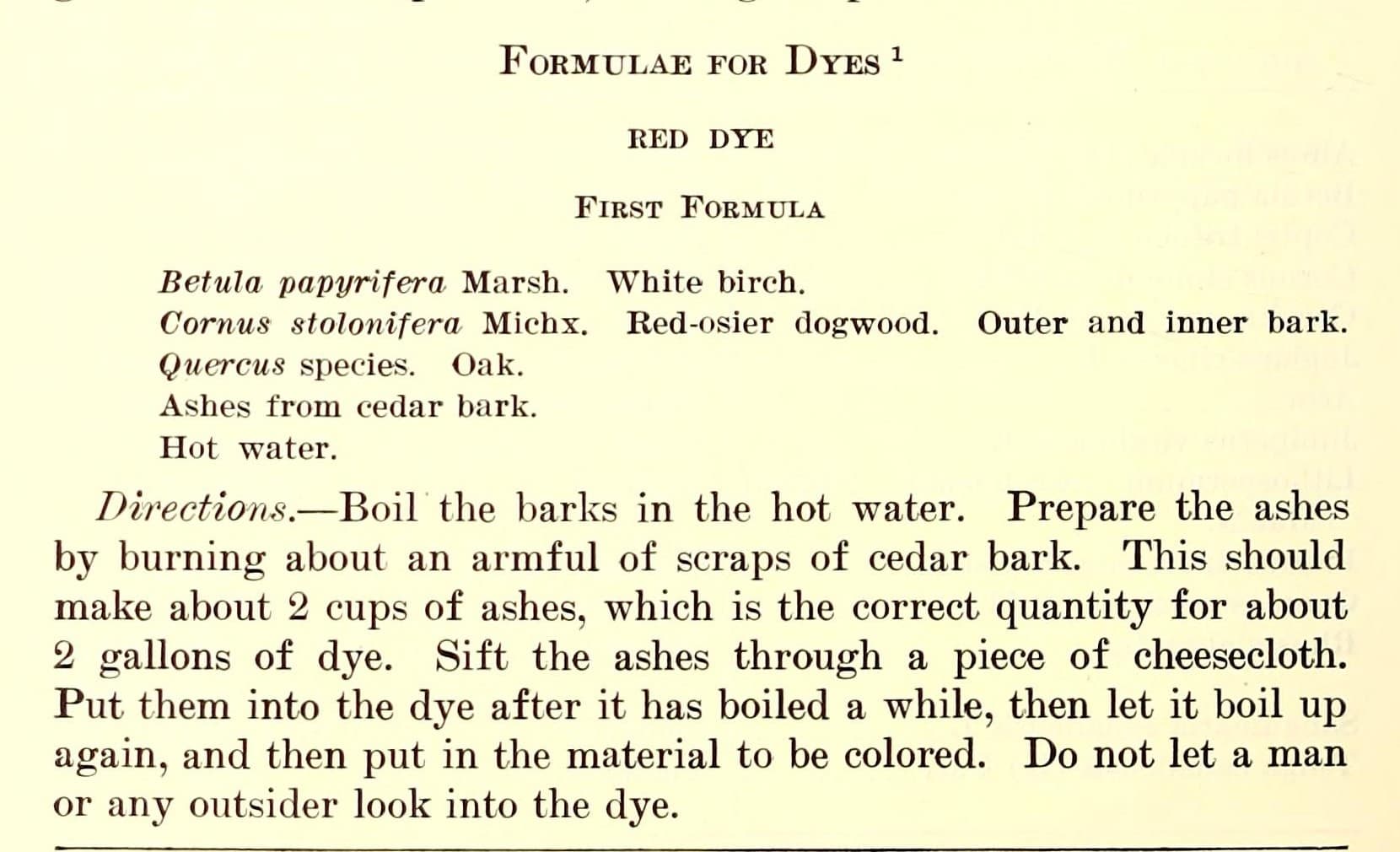
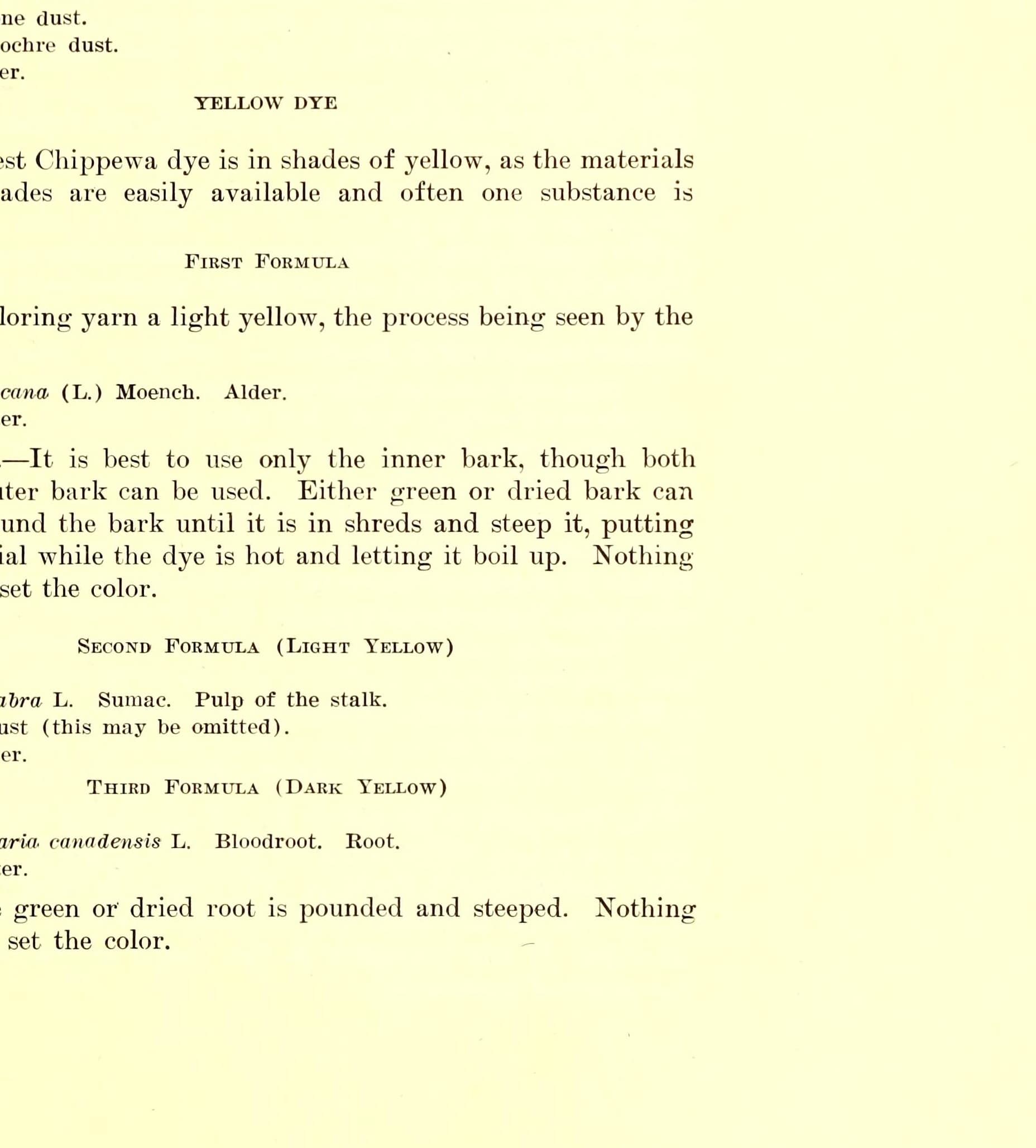
From Frances Densmore, *Uses of Plants by the Chippewa Indians*, **44th Annual Report of the Bureau of American Ethnology** (1928), pp. 370, 372-373 (checked on the archive.org scan usesofplantsbych00dens). She gives no amounts for any black formula; using yarn throughout, metric figures and rinsing are ours.
Àwọn ohun-èlò
12- 3 ẹyọÀyè
- 1 ẹyọÀyè
- 4 ẹyọÀyè
- 1 ẹyọÀyè
- 2 ẹyọÀyè
- 1 ẹyọÀyè
- Àyè
- Àyè
- 1 ẹyọÀyè
- 1 ẹyọÀyè
- 1 ẹyọÀyè
Ìtọ́nisọ́nà yìí ń ṣe

Blueprint tó jọra
Àwọn blueprint wọ̀nyí pín ìmọ̀ — ọ̀nà, ohun-èlò tàbí ìlànà
CC0 Àgbègbè Gbogbogbò
Blueprint yìí ti jáde lábẹ́ CC0. O lè ṣe àdàkọ, yí padà, pín, àti lò láìsí ìyọ̀ǹda.
Ṣàtìlẹ́yìn Olùṣẹ́dá nípa rírà àwọn ọjà nipasẹ̀ Blueprint wọn Ẹ̀san Olùṣẹ́dá tí àwọn Olùtajà gbé kalẹ̀, tàbí ṣẹ̀dá àtúnṣe tuntun ti Blueprint yìí kí o sì fi sínú Blueprint rẹ gẹ́gẹ́ bí ìsopọ̀ láti pín owó-wíwọlé.