IṢẸ́ ỌNÀ
ẸWÀ ÀTI ÌLERA
IṢẸ́ ỌWỌ́
ÀṢÀ ÀTI ÌTÀN
ÌṢERÉ
ÀYÍKÁ
OÚNJẸ ÀTI OHUN MÍMU
REVERSE ENGINEERING
SÁYẸ́ǸSÌ
ERÉ ÌDÁRAYÁ
ÌMỌ̀-Ẹ̀RỌ
ÀWỌN OHUN WÍWỌ̀
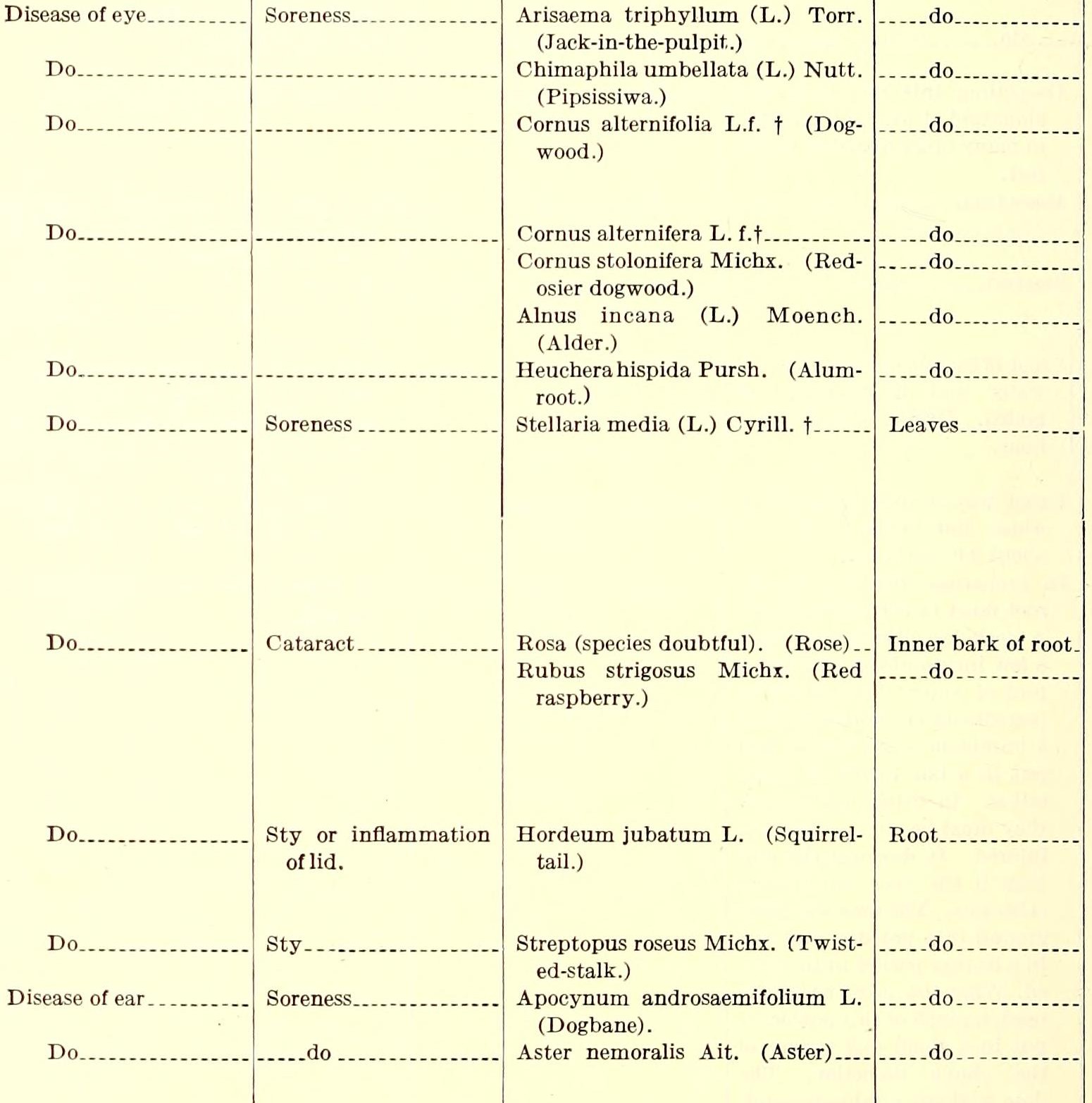

Chippewa Remedies for Sore Eyes, Sties, Cataract and Sore Ears: Dogwood and Alder Washes, Chickweed, Rose and Raspberry Root, Squirrel-Tail, Aster (Densmore, 1928)
Chippewa (Ojibwe) eye and ear remedies recorded by Frances Densmore: pipsissewa drops, a strained dogwood root wash, dogwood and alder root compresses, alum root, a chickweed leaf wash, rose and then raspberry root bark squeezed over the eye for cataract, a strong squirrel-tail root compress or twisted-stalk poultice for a sty, and lukewarm aster, harebell or trillium root drops for a sore ear. Recorded use, not medical advice.
Olùbẹ̀rẹ̀
An hour
Ìlànà
1
1
Her measures
Her measures
Ń ṣí ìwé Jupyter…
2
2
Read Densmore
Read Densmore
Rows under "Disease of eye" and "Disease of ear". Recorded use, not medical advice: anything put in an eye should be sterile (ours).
3
3
Washes for sore eyes
Washes for sore eyes
Pipsissewa root decoction was dropped in the eye. "Scrape and steep the [dogwood] root, using a handful to about a pint and a half of water. Let it cool and strain well"; bathe the eye or use it on a compress. Equal parts of dogwood, red-osier dogwood and alder roots were boiled for a wash or compress, and whole alum root was boiled for use outside.
Àwọn ohun èlò fún ìgbésẹ̀ yìí:
 Pipsissewa Root1 ẹyọ
 Alternate-Leaf Dogwood Root1 ẹyọ
 Red-Osier Dogwood Root1 ẹyọ
 Alder Root1 ẹyọ
 Alum Root1 ẹyọ
 Omi1 ẹyọ
 Gáàsì òwú1 ẹyọ
Àwọn irinṣẹ́ tí a nílò:
 Ọ̀pá ìwalẹ̀
 Ọ̀bẹ
 Ìkòkò amọ̀
 Ihò iná
 Aṣọ wàrà-dídì
4
4
Chickweed wash
Chickweed wash
"Put a handful of the leaves in hot water, do not let it boil long, let it stand and strain it." Used as a wash.
Àwọn ohun èlò fún ìgbésẹ̀ yìí:
 Chickweed Leaves1 ẹyọOmi1 ẹyọ
Àwọn irinṣẹ́ tí a nílò:
Ìkòkò amọ̀Ihò ináAṣọ wàrà-dídì5
5
Rose and raspberry for cataract
Rose and raspberry for cataract
Two remedies used one after the other: rose root first "for removing inflammation," raspberry root second "for healing the eye." Scrape the second layer of the root into a bit of cloth, soak it in warm water and squeeze it over the eye, "letting some of the liquid run into the eye. This is done 3 times a day." It was said these would cure cataract unless too far advanced; ours: cataract is cured by surgery.
Àwọn ohun èlò fún ìgbésẹ̀ yìí:
 Rose Root Inner Bark1 ẹyọ
 Red Raspberry Root1 ẹyọOmi1 ẹyọGáàsì òwú1 ẹyọ
Àwọn irinṣẹ́ tí a nílò:
Ọ̀pá ìwalẹ̀Ọ̀bẹÌkòkò amọ̀Ihò iná6
6
Sties
Sties
Squirrel-tail root: "Dried, pounded, put in a cloth which was moistened with warm water and sopped on the eye." It was so strong that one root would have an effect. Or steep twisted-stalk root and use it as a poultice.
Àwọn ohun èlò fún ìgbésẹ̀ yìí:
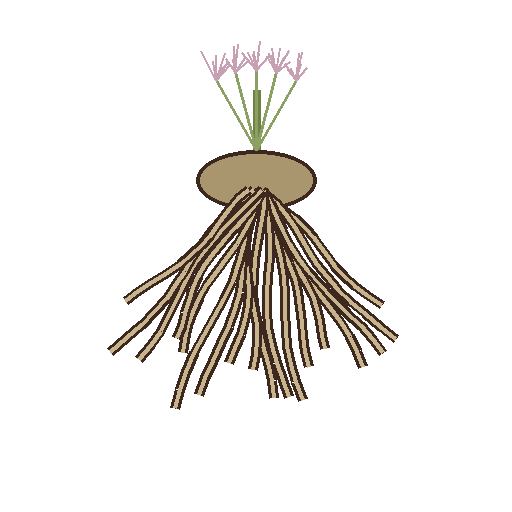 Squirrel-Tail Grass Root1 ẹyọ
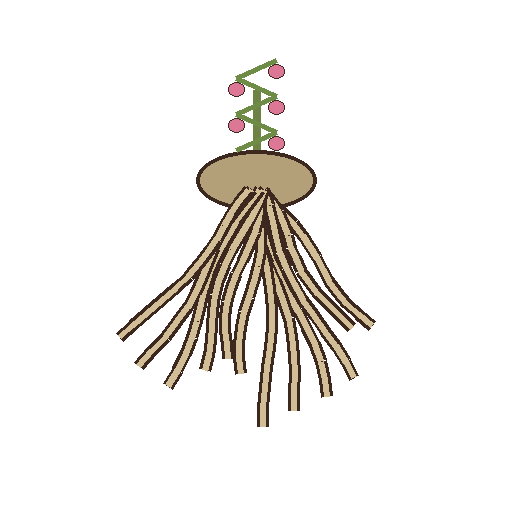 Twisted-Stalk Root1 ẹyọOmi1 ẹyọGáàsì òwú1 ẹyọ
Àwọn irinṣẹ́ tí a nílò:
Ọ̀pá ìwalẹ̀ Àká Ìgbẹ
 Òkúta ÌlùÌkòkò amọ̀Ihò iná
7
7
Sore ear
Sore ear
Boil aster root: "Drop in ear or apply on cloth; use lukewarm water." Or "take 1 root [of harebell] to one half cup of water; steep and strain" and drop a very little in the ear, lukewarm. Or scrape the second layer of trillium root bark, boil it and drop it in the ear.
Àwọn ohun èlò fún ìgbésẹ̀ yìí:
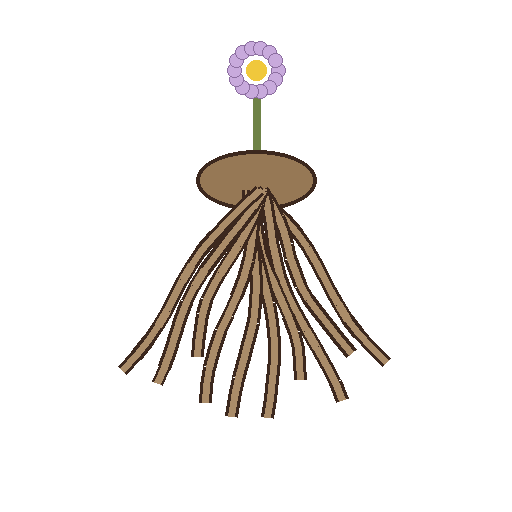 Aster Root1 ẹyọ
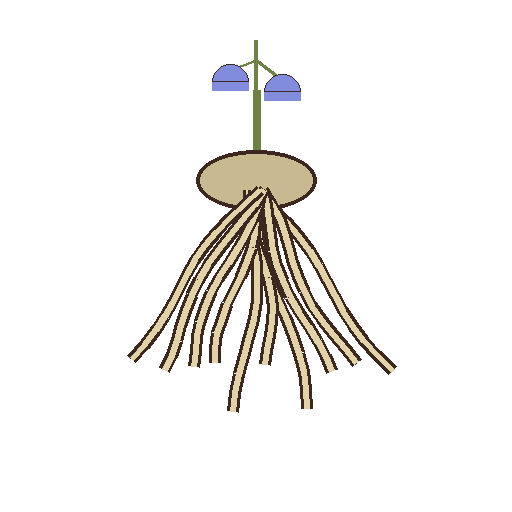 Harebell Root1 ẹyọ
 Trillium Root Inner Bark1 ẹyọOmi1 ẹyọGáàsì òwú1 ẹyọ
Àwọn irinṣẹ́ tí a nílò:
Ọ̀pá ìwalẹ̀Ìkòkò amọ̀Ihò ináAṣọ wàrà-dídì8
8
Troubleshooting
Troubleshooting
Eye and ear safety.
Flow
Loading...
9
9
History and honest limits
History and honest limits
From Frances Densmore, *Uses of Plants by the Chippewa Indians*, **44th Annual Report of the Bureau of American Ethnology** (1928), pp. 360-363 (checked on the archive.org scan usesofplantsbych00dens). Chippewa remedies were mostly Midewiwin knowledge, shared so a record would survive. Left out: a Jack-in-the-pulpit eye wash (strong irritant) and dogbane and tansy ear drops (poisonous plants). Metric and safety lines are ours. Recorded use, not medical advice.
Àwọn ohun-èlò
15- 1 ẹyọÀyè
- Àyè
- Àyè
- 1 ẹyọÀyè
- 1 ẹyọÀyè
- 5 ẹyọÀyè
- 4 ẹyọÀyè
- 1 ẹyọÀyè
- 1 ẹyọÀyè
- 1 ẹyọÀyè
- Àyè
- 1 ẹyọÀyè
- 1 ẹyọÀyè
- 1 ẹyọÀyè
- Àyè
Ìtọ́nisọ́nà yìí ń ṣe
Blueprint tó jọra
Àwọn blueprint wọ̀nyí pín ìmọ̀ — ọ̀nà, ohun-èlò tàbí ìlànà
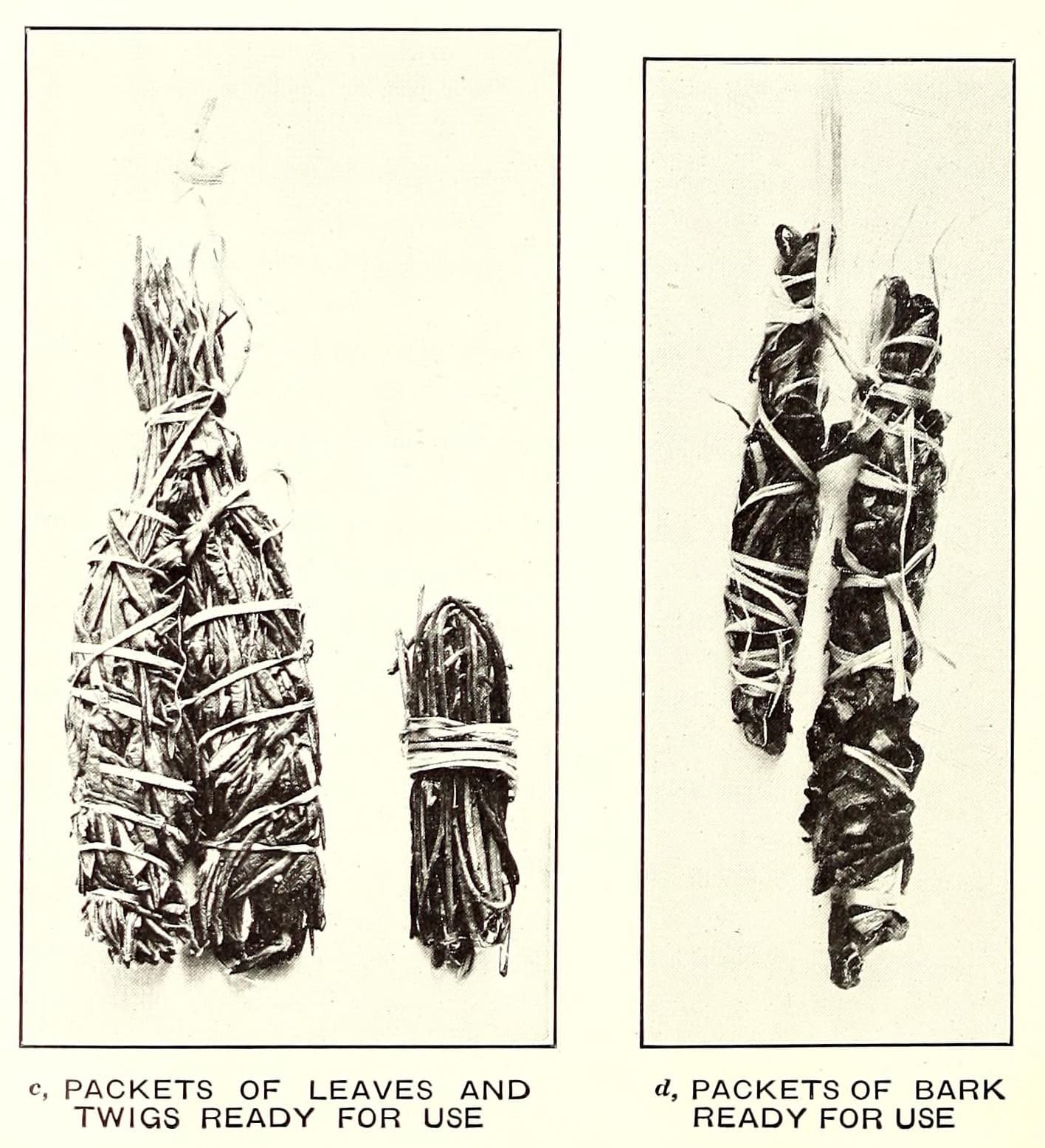
Chippewa Medicinal Roots and Barks: Gathered by the Sap, Dried, Tied in Packets and Kept in Bags (Densmore, 1928)
láti ọwọ́ Bob
Ẹ̀kọ́ Ewéko
7
0
0
0
0
0
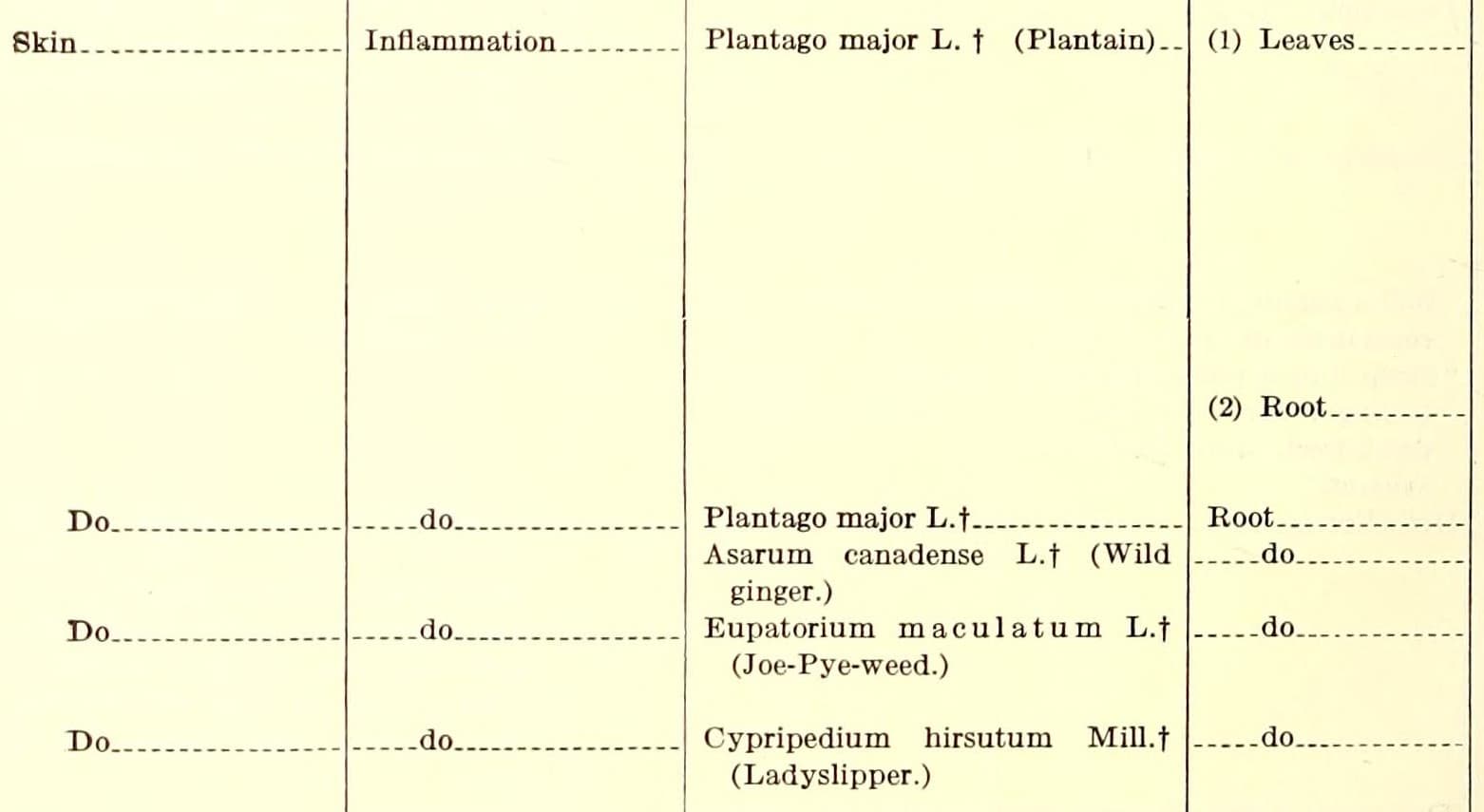
Chippewa Remedies for Inflammation: Greased Plantain Leaves, Plantain and Wild Ginger Root Poultice, Joe-Pye Weed Wash, Lady's Slipper (Densmore, 1928)
láti ọwọ́ Bob
Ìṣègùn
7
0
0
0
0
0
CC0 Àgbègbè Gbogbogbò
Blueprint yìí ti jáde lábẹ́ CC0. O lè ṣe àdàkọ, yí padà, pín, àti lò láìsí ìyọ̀ǹda.
Ṣàtìlẹ́yìn Olùṣẹ́dá nípa rírà àwọn ọjà nipasẹ̀ Blueprint wọn Ẹ̀san Olùṣẹ́dá tí àwọn Olùtajà gbé kalẹ̀, tàbí ṣẹ̀dá àtúnṣe tuntun ti Blueprint yìí kí o sì fi sínú Blueprint rẹ gẹ́gẹ́ bí ìsopọ̀ láti pín owó-wíwọlé.