IṢẸ́ ỌNÀ
ẸWÀ ÀTI ÌLERA
IṢẸ́ ỌWỌ́
ÀṢÀ ÀTI ÌTÀN
ÌṢERÉ
ÀYÍKÁ
OÚNJẸ ÀTI OHUN MÍMU
REVERSE ENGINEERING
SÁYẸ́ǸSÌ
ERÉ ÌDÁRAYÁ
ÌMỌ̀-Ẹ̀RỌ
ÀWỌN OHUN WÍWỌ̀
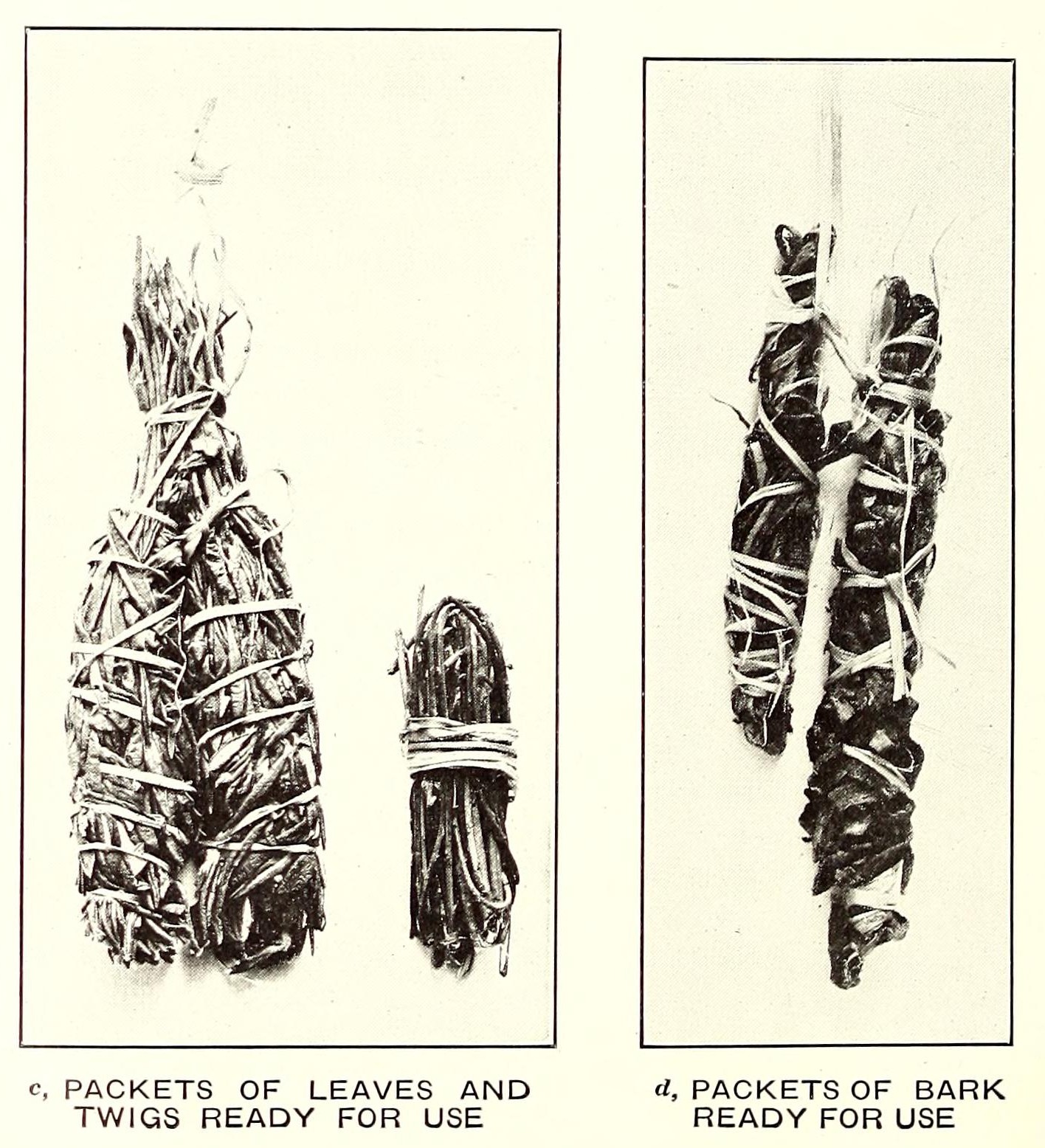


Chippewa Medicinal Roots and Barks: Gathered by the Sap, Dried, Tied in Packets and Kept in Bags (Densmore, 1928)
How the Chippewa (Ojibwe) gathered and kept plant medicines, as Frances Densmore recorded it: bark taken while the sap is in the tree, roots before the sap rises or after it falls, dried, tied in packets and stored in bags; a root wanted ready was rubbed to powder in the palm. Shown with alder bark and bloodroot.
Olùbẹ̀rẹ̀
A day, plus drying
Ìlànà
1
1
Read Densmore
Read Densmore
"Bark was gathered when the sap was in the tree but roots intended for future medicinal use were gathered before the sap started in the spring or after it had gone down in the fall." This covers gathering and keeping only, not remedies or doses.
2
2
Peel the alder bark
Peel the alder bark
While the sap is in the tree, take off the outer skin and scrape the inner bark, or strip it off in long thin strips. (For alder root one informant gave a single rule: scrape it toward the plant.) Ours: take bark from a cut branch, never ring the trunk.
Àwọn irinṣẹ́ tí a nílò:
 Ọ̀bẹ
3
3
Dig the bloodroot
Dig the bloodroot
Dig the root before the sap starts in spring or after it has gone down in the fall. The Mide custom was to dig a little hole beside the plant, put tobacco in it and speak to the plant. Cass Lake: shake the dirt off, do not wash. White Earth: wash the roots. Ours: wear gloves, the orange sap stains and irritates skin.
Àwọn ohun èlò fún ìgbésẹ̀ yìí:
 Omi1 ẹyọ
Àwọn irinṣẹ́ tí a nílò:
 Ọ̀pá ìwalẹ̀Ọ̀bẹ
4
4
Dry and tie in packets
Dry and tie in packets
Dry the strips and roots (ours: in shade on a rack until they snap). Tie each kind separately in packets; Plate 43 shows bark packets tied with strips. Leaves and stalks were hung top downward to dry, kept as clean as possible.
Àwọn ohun èlò fún ìgbésẹ̀ yìí:
 Okùn1 ẹyọ
Àwọn irinṣẹ́ tí a nílò:
 Àká ÌgbẹỌ̀bẹ
5
5
Store in bags
Store in bags
Keep the packets in bags: square bags woven of yarn or of cedar inner bark; one old medicine man used a leather bag narrower at the top than the bottom to keep out damp. A root wanted ready was pulverised and stored as powder, in birch bark or, better, leather.
Àwọn irinṣẹ́ tí a nílò:
 Àpò Awọ Kékeré
 Ohun-èlò Èèpo Betula
6
6
Pulverise
Pulverise
Pound to shreds, or rub small roots to powder in the left palm with the heel of the right hand or the fingers. Some used a small round stone with a shallow hollow, rubbing with the thumb. Roots to be used together were pounded together before storing.
Àwọn irinṣẹ́ tí a nílò:
 Òkúta Ìlù
 Odó àti Ọmọ Odó Òkúta
7
7
Troubleshooting
Troubleshooting
Gathering troubleshooting.
Flow
Loading...
8
8
History and honest limits
History and honest limits
From Frances Densmore, *Uses of Plants by the Chippewa Indians*, **44th Annual Report of the Bureau of American Ethnology** (1928), pp. 324-328 and Plate 43 (checked on the archive.org scan usesofplantsbych00dens). Her informants included Mrs. Brunett, Mrs. Gagewin and Mrs. Louisa Martin; remedies belonged to the Midewiwin and were shared so a record might be kept. Drying method, gloves and labels are ours. Not medical advice.
Ìtọ́nisọ́nà yìí ń ṣe
Blueprint tó jọra
Àwọn blueprint wọ̀nyí pín ìmọ̀ — ọ̀nà, ohun-èlò tàbí ìlànà
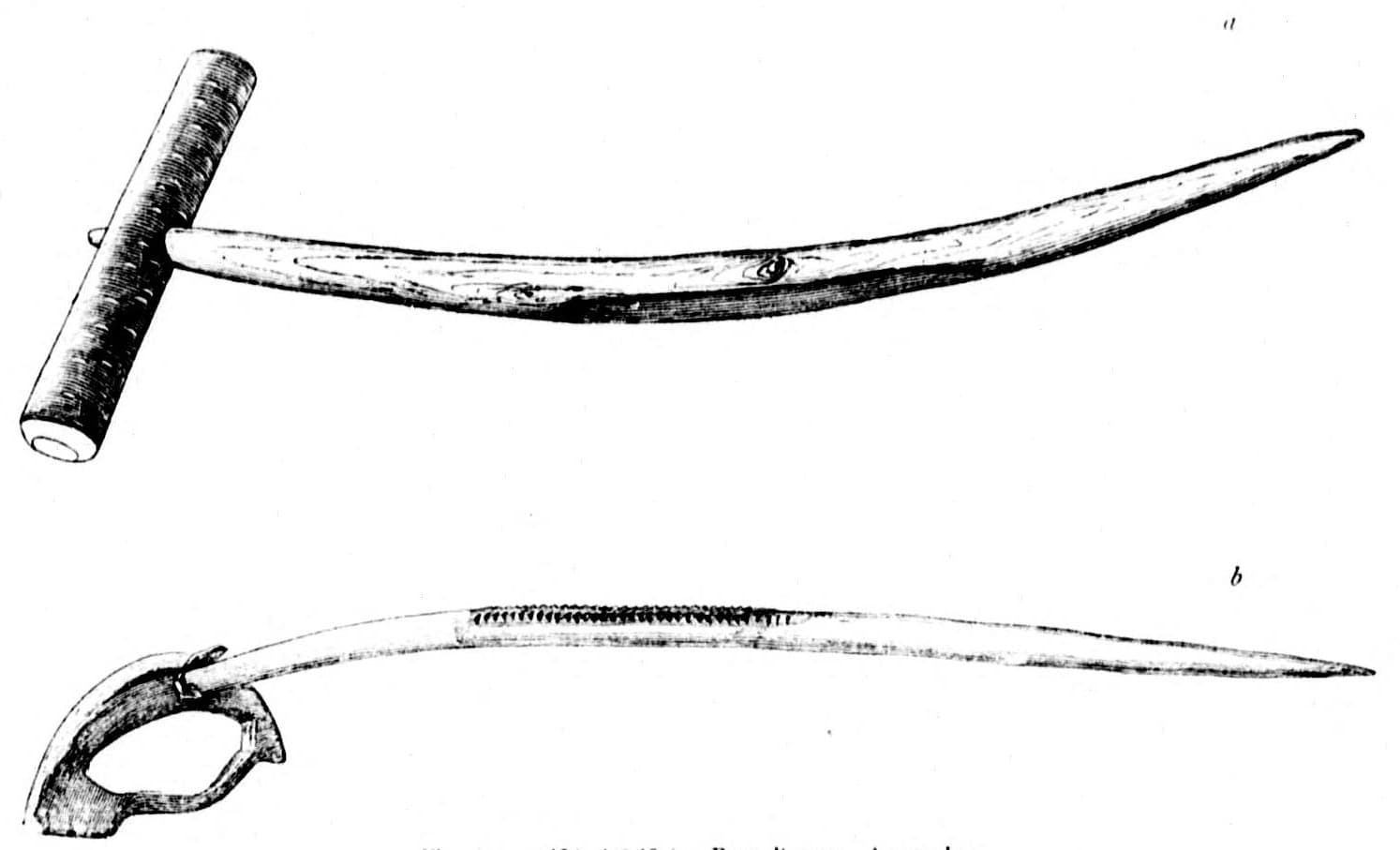
Thompson (Nlaka'pamux) Root-Digger: Serviceberry Stick, Point Bent and Fire-Hardened, Loose in a Cross Handle so It Reverses (Teit, 1900)
láti ọwọ́ Woody
Iṣẹ́ Igi
9
0
0
0
0
0
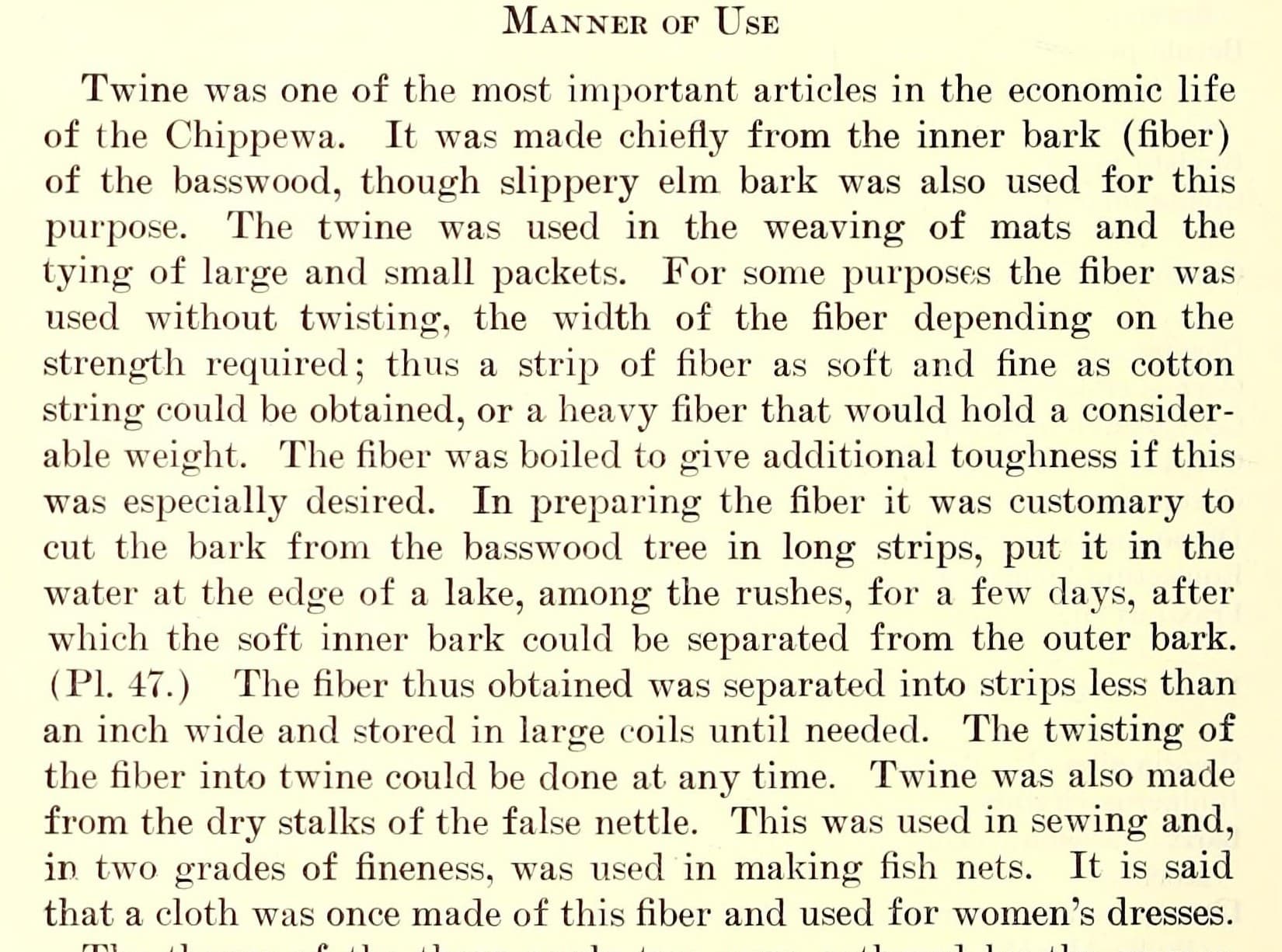
Chippewa Basswood Fiber and Twine: Bark Strips Soaked at the Lake Edge, Inner Bark Peeled and Coiled (Densmore, 1928)
láti ọwọ́ Tex
Iṣẹ́ Okùn
4
0
0
0
0
0
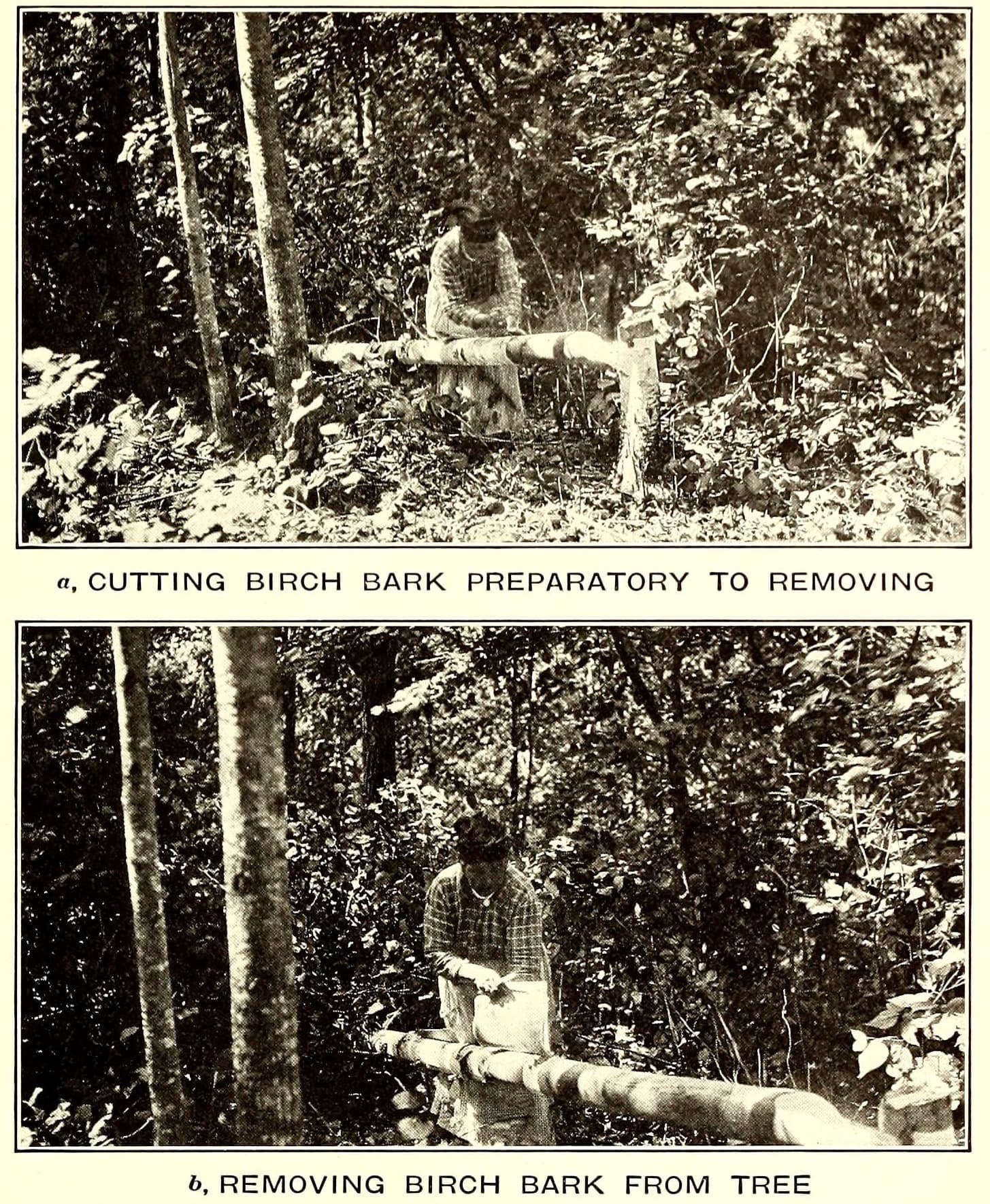
Chippewa Birch Bark Gathering: June Felling onto the Stump, One Long Cut, Sheets Tied in Packs of 100 (Densmore, 1928)
láti ọwọ́ Woody
Iṣẹ́ Igi
4
0
0
0
0
0
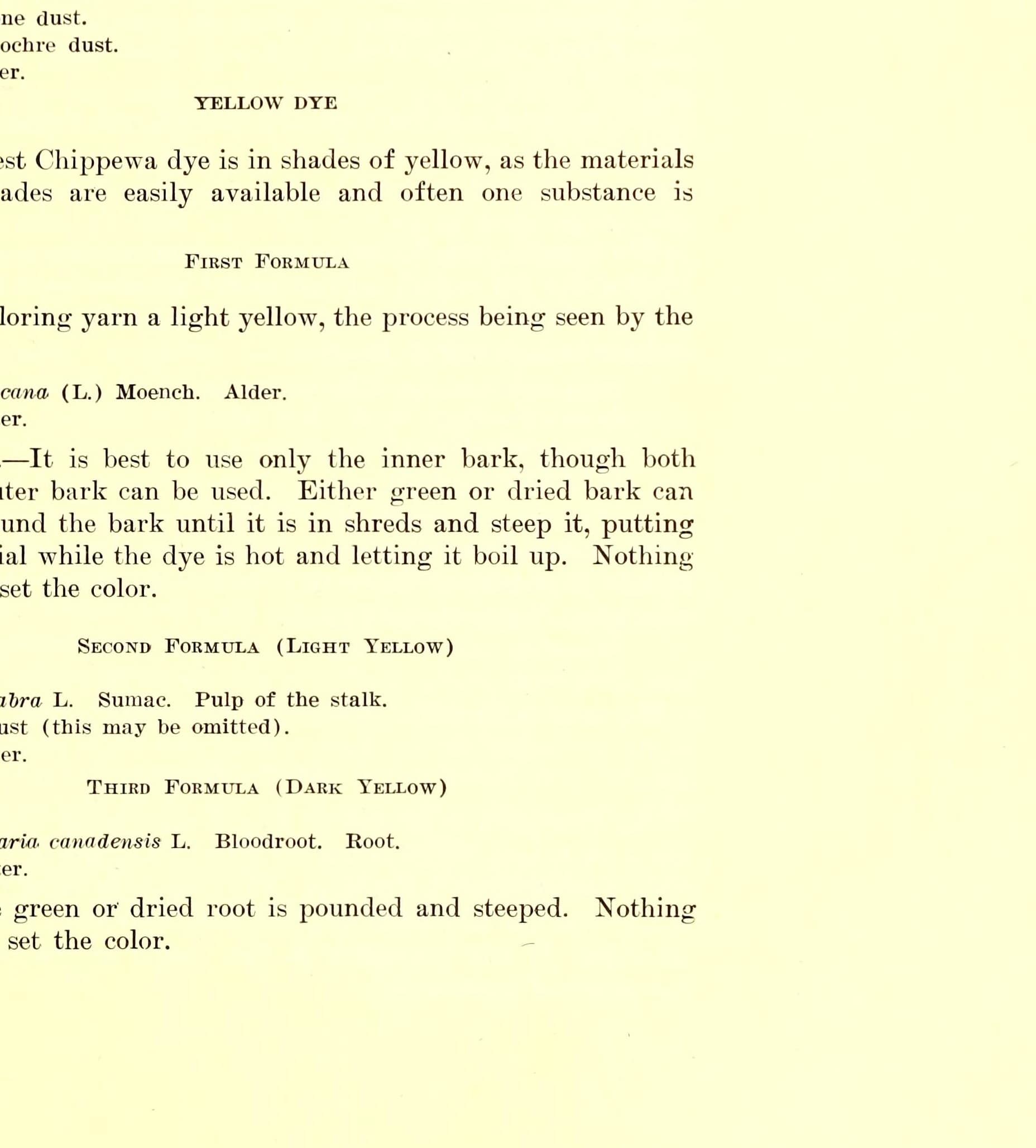
Chippewa Yellow Dye: Pounded Alder Bark for Light Yellow, Bloodroot for Dark, No Mordant Needed (Densmore, 1928)
láti ọwọ́ Charlie
Kíkun
8
0
0
0
0
0
CC0 Àgbègbè Gbogbogbò
Blueprint yìí ti jáde lábẹ́ CC0. O lè ṣe àdàkọ, yí padà, pín, àti lò láìsí ìyọ̀ǹda.
Ṣàtìlẹ́yìn Olùṣẹ́dá nípa rírà àwọn ọjà nipasẹ̀ Blueprint wọn Ẹ̀san Olùṣẹ́dá tí àwọn Olùtajà gbé kalẹ̀, tàbí ṣẹ̀dá àtúnṣe tuntun ti Blueprint yìí kí o sì fi sínú Blueprint rẹ gẹ́gẹ́ bí ìsopọ̀ láti pín owó-wíwọlé.