IṢẸ́ ỌNÀ
ẸWÀ ÀTI ÌLERA
IṢẸ́ ỌWỌ́
ÀṢÀ ÀTI ÌTÀN
ÌṢERÉ
ÀYÍKÁ
OÚNJẸ ÀTI OHUN MÍMU
REVERSE ENGINEERING
SÁYẸ́ǸSÌ
ERÉ ÌDÁRAYÁ
ÌMỌ̀-Ẹ̀RỌ
ÀWỌN OHUN WÍWỌ̀
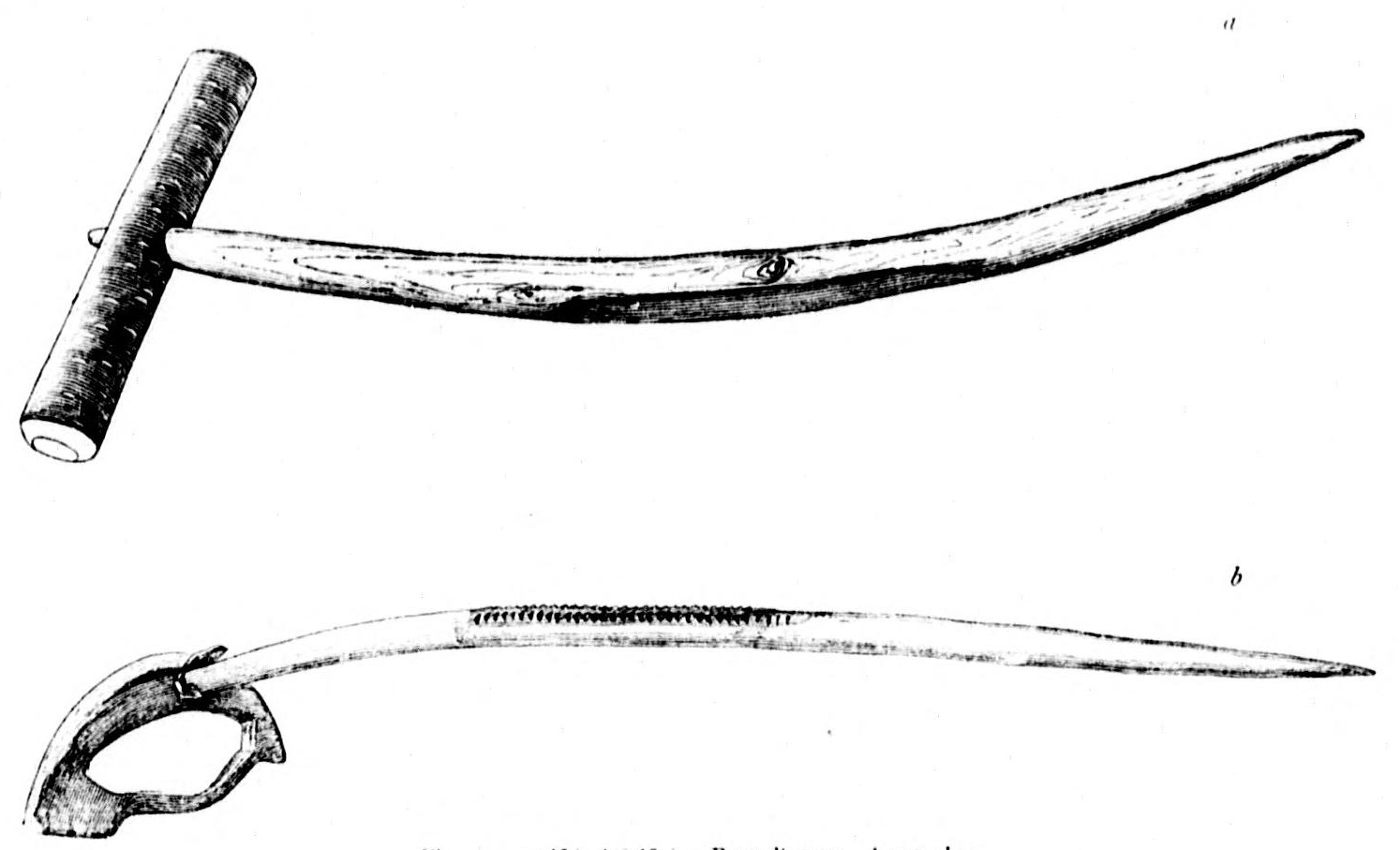

Thompson (Nlaka'pamux) Root-Digger: Serviceberry Stick, Point Bent and Fire-Hardened, Loose in a Cross Handle so It Reverses (Teit, 1900)
The Thompson (Nlaka'pamux) women's root-digger, from James Teit: a 2 to 2½ ft stick of serviceberry or other hard wood, pointed and slightly bent at the tip and sometimes charred there to toughen it, pushed loosely through a wooden or horn cross-handle so it can be turned end for end when one point dulls.
Olùbẹ̀rẹ̀
An hour or two
Ìlànà
1
1
Read Teit
Read Teit
"The stick is inserted loosely in the handle, so that it can be reversed when one point gets dull."
2
2
Shape the stick
Shape the stick
Cut a stick of serviceberry or other hard wood 2 to 2½ ft (60-75 cm) long (thickness ours: about 2.5 cm). Point it with a slight bend near the tip (ours: point both ends so it reverses).
Àwọn ohun èlò fún ìgbésẹ̀ yìí:
 Ọ̀pá igi líle1 ẹyọ
Àwọn irinṣẹ́ tí a nílò:
 Ọ̀bẹ
 Ọ̀bẹ Ìfàsẹ́yìn
3
3
Toughen the point
Toughen the point
Char the point a little in the fire to make it tougher, then scrape off the loose char (scraping ours).
Àwọn irinṣẹ́ tí a nílò:
 Ihò ináỌ̀bẹ
4
4
Fit the handle
Fit the handle
Make a short cross-handle of wood (or horn) with a hole through the middle, and push the stick through loosely. When the point dulls, pull it out and turn it end for end.
Àwọn ohun èlò fún ìgbésẹ̀ yìí:
 Èèkàn igi1 ẹyọ
Àwọn irinṣẹ́ tí a nílò:
 Ọ̀kọ̀ EgungunỌ̀bẹ
5
5
Troubleshooting
Troubleshooting
Root-digger troubleshooting.
Flow
Loading...
6
6
History and honest limits
History and honest limits
From James Teit, *The Thompson Indians of British Columbia*, **Memoirs of the American Museum of Natural History, Jesup North Pacific Expedition** vol. I part IV (1900), p. 231 and Fig. 212 (checked on the archive.org scan cihm_16242). By 1900 iron rods with a wooden handle had mostly replaced it. Women carried a small basket on the back while digging and emptied it into a larger one. Thickness and the double point are ours.
Ìtọ́nisọ́nà yìí ń ṣe

Blueprint tó jọra
Àwọn blueprint wọ̀nyí pín ìmọ̀ — ọ̀nà, ohun-èlò tàbí ìlànà
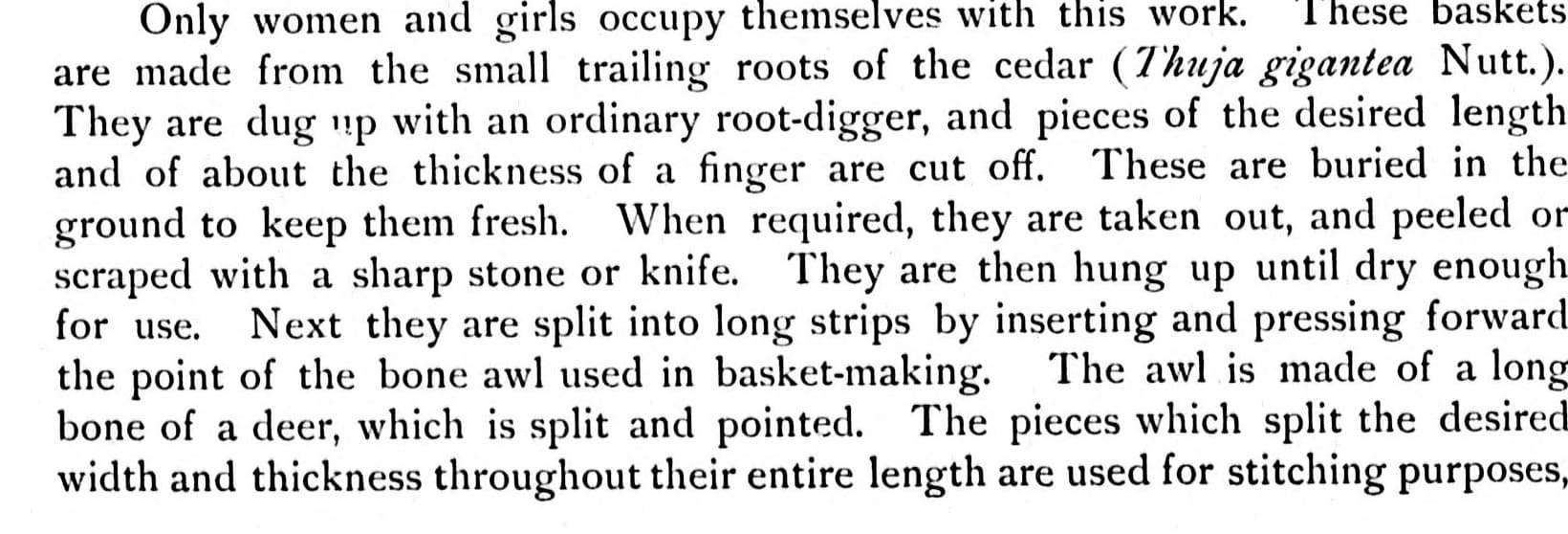
Thompson (Nlaka'pamux) Split Cedar Roots: Finger-Thick Roots Dug, Buried Fresh, Peeled, Dried and Split with a Bone Awl (Teit, 1900)
láti ọwọ́ Tex
Aṣọ àti Awọ
11
0
0
0
0
0
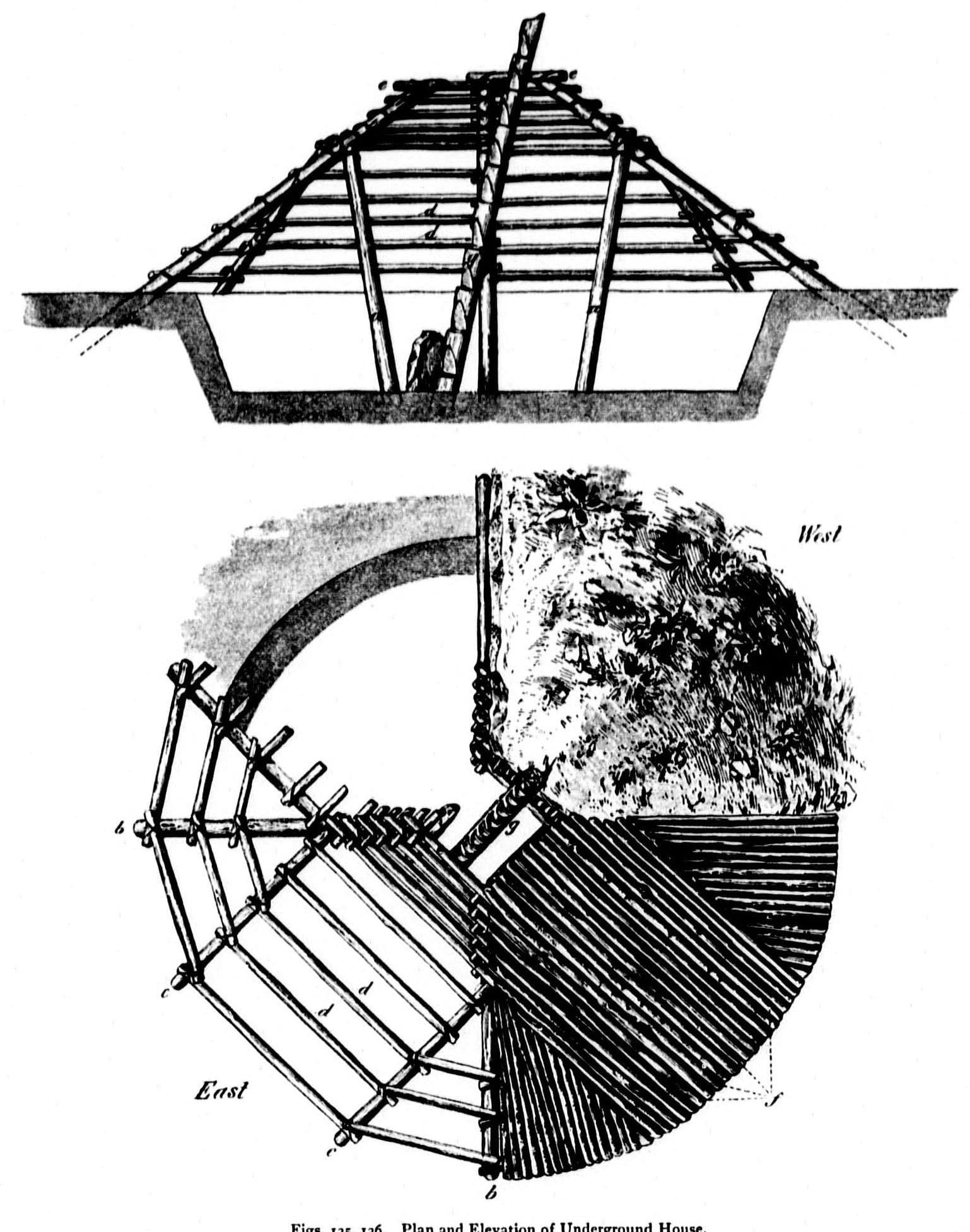
Thompson (Nlaka'pamux) Winter Pit House: Circle Laid Out with Two Crossed Ropes, Four Rafters on Braces, Earth-Covered, Notched-Log Ladder (Teit, 1900)
láti ọwọ́ Woody
Iṣẹ́ Igi
7
0
0
0
0
0
CC0 Àgbègbè Gbogbogbò
Blueprint yìí ti jáde lábẹ́ CC0. O lè ṣe àdàkọ, yí padà, pín, àti lò láìsí ìyọ̀ǹda.
Ṣàtìlẹ́yìn Olùṣẹ́dá nípa rírà àwọn ọjà nipasẹ̀ Blueprint wọn Ẹ̀san Olùṣẹ́dá tí àwọn Olùtajà gbé kalẹ̀, tàbí ṣẹ̀dá àtúnṣe tuntun ti Blueprint yìí kí o sì fi sínú Blueprint rẹ gẹ́gẹ́ bí ìsopọ̀ láti pín owó-wíwọlé.