IṢẸ́ ỌNÀ
ẸWÀ ÀTI ÌLERA
IṢẸ́ ỌWỌ́
ÀṢÀ ÀTI ÌTÀN
ÌṢERÉ
ÀYÍKÁ
OÚNJẸ ÀTI OHUN MÍMU
REVERSE ENGINEERING
SÁYẸ́ǸSÌ
ERÉ ÌDÁRAYÁ
ÌMỌ̀-Ẹ̀RỌ
ÀWỌN OHUN WÍWỌ̀
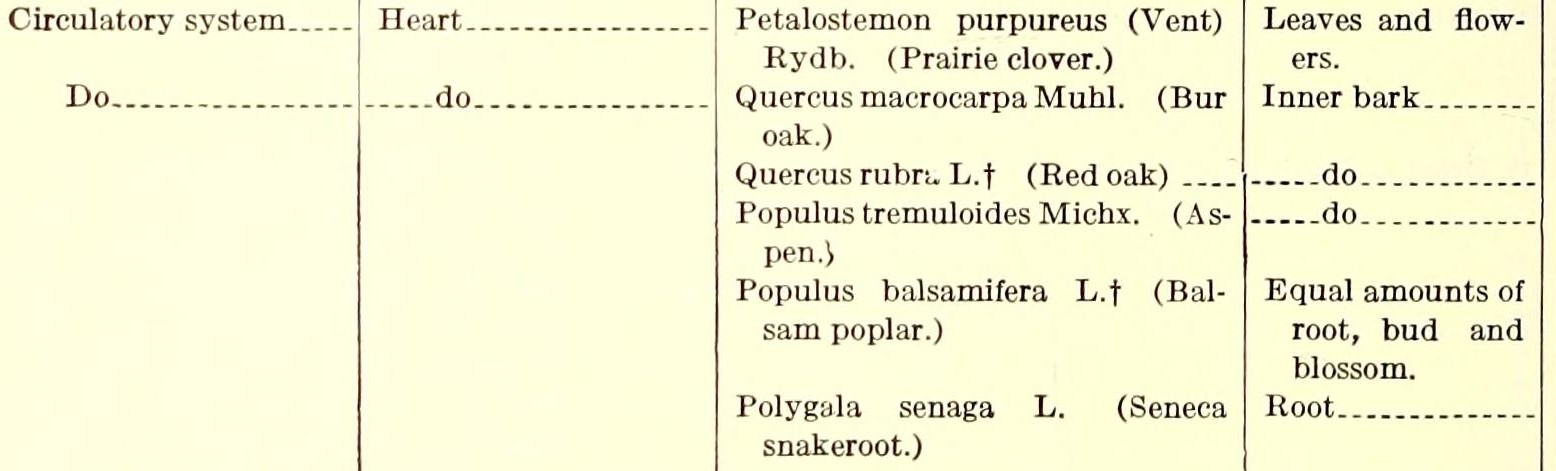

Chippewa Heart Remedies: Prairie Clover, a Ceremonial Oak, Aspen and Seneca Root Medicine Taken by the Swallow, and Mugwort for Palpitation (Densmore, 1928)
Chippewa (Ojibwe) heart remedies recorded by Frances Densmore: a handful of prairie clover in 1 1/2 pints of water, half a cup a dose; a powerful medicine of bur oak, red oak and aspen bark with Seneca root, laid on the water at the four directions and taken by the swallow from a marked birch-bark cup; and mugwort for palpitation. Recorded use, not medical advice.
Olùbẹ̀rẹ̀
An hour
Ìlànà
1
1
Her measures
Her measures
Ń ṣí ìwé Jupyter…
2
2
Read Densmore
Read Densmore
Rows under Circulatory system, "Heart" and "Heart palpitation". Recorded use, not medical advice: chest pain is an emergency (ours).
3
3
Prairie clover
Prairie clover
Boil a handful of leaves and flowers in 1 1/2 pints (0.71 L) of water. "Dose, 1/2 cup; repeat in half hour if necessary."
Àwọn ohun èlò fún ìgbésẹ̀ yìí:
 Prairie Clover Leaves and Flowers1 ẹyọ
 Omi1 ẹyọ
Àwọn irinṣẹ́ tí a nílò:
 Ìkòkò amọ̀
 Ihò iná
 Aṣọ wàrà-dídì
4
4
The ceremonial heart medicine
The ceremonial heart medicine
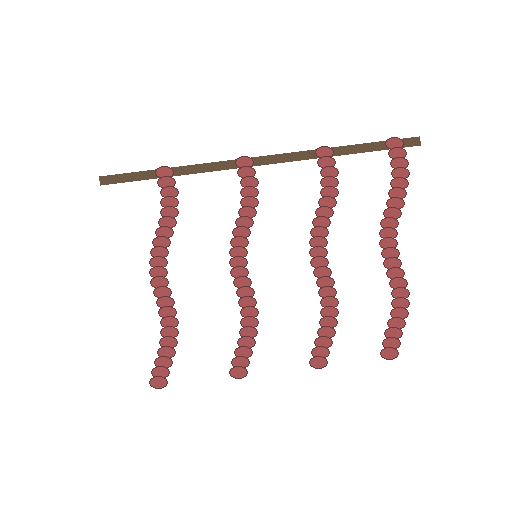
Scrape and dry bur oak, red oak and aspen inner bark and powder equal parts in the hands. In a pail with about a pint of water the medicine man laid a little bark at the east, saying "Wa' bûnong" (eastward), then at the south, west and north, and on each pile a smaller portion of powdered Seneca root; then it steeped. "It was said to be very powerful so that care must be used not to take too much of it": one swallow, or a dose from a marked birch-bark cup, repeated in an hour. Balsam poplar (root, bud and blossom in equal amounts) is listed in the same row; its part in the recipe is not clear.
Àwọn ohun èlò fún ìgbésẹ̀ yìí:
 Bur Oak Inner Bark1 ẹyọ
 Red Oak Inner Bark1 ẹyọ
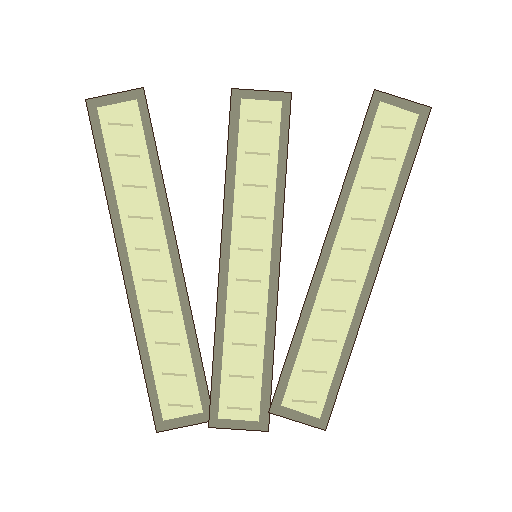 Aspen Inner Bark1 ẹyọ
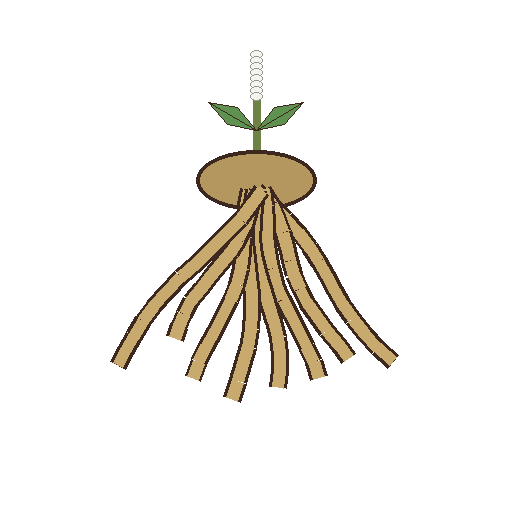 Seneca Snakeroot1 ẹyọ
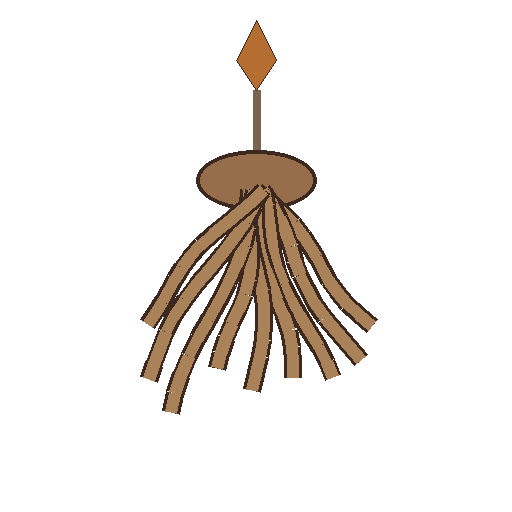 Balsam Poplar Root1 ẹyọ
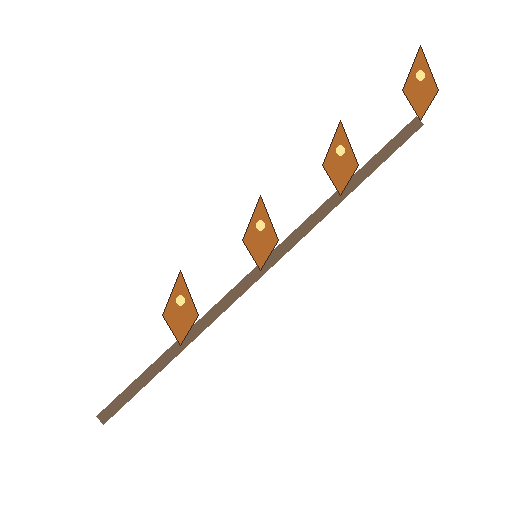 Balsam Poplar Buds1 ẹyọ
 Balsam Poplar Catkins1 ẹyọOmi1 ẹyọ
Àwọn irinṣẹ́ tí a nílò:
 Àáké kékeré
 Ọ̀bẹ
 Àká Ìgbẹ
 Ohun-èlò Èèpo Betula
5
5
Mugwort for palpitation
Mugwort for palpitation
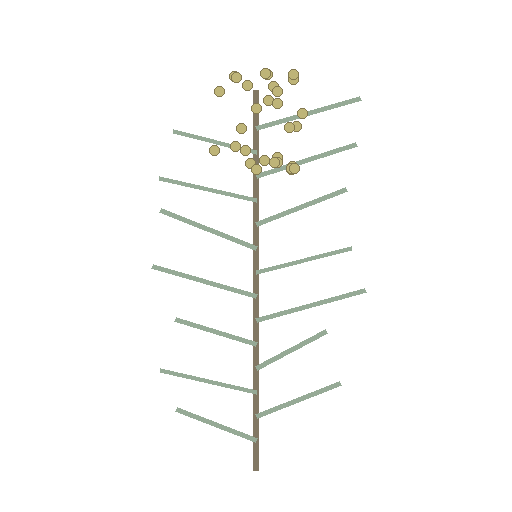
Dry the leaves and flowers; steep a handful in 1 1/2 pints of water. Give it partly cooled, 1/2 cup, "after which the patient reclined; dose repeated every half hour until patient was relieved." Fresh leaves were also chewed.
Àwọn ohun èlò fún ìgbésẹ̀ yìí:
 Mugwort Leaves and Tops1 ẹyọOmi1 ẹyọ
Àwọn irinṣẹ́ tí a nílò:
Àká ÌgbẹÌkòkò amọ̀Ihò iná6
6
Troubleshooting
Troubleshooting
Heart safety.
Flow
Loading...
7
7
History and honest limits
History and honest limits
From Frances Densmore, *Uses of Plants by the Chippewa Indians*, **44th Annual Report of the Bureau of American Ethnology** (1928), pp. 338-339 (checked on the archive.org scan usesofplantsbych00dens). Chippewa remedies were mostly Midewiwin knowledge, shared so a record would survive. Left out: a dogbane root decoction for palpitation (dogbane is a poisonous heart-acting plant). Metric and safety lines are ours. Recorded use, not medical advice.
Àwọn ohun-èlò
10- 3 ẹyọÀyè
- 1 ẹyọÀyè
- 1 ẹyọÀyè
- 1 ẹyọÀyè
- 1 ẹyọÀyè
- 1 ẹyọÀyè
- 1 ẹyọÀyè
- Àyè
- Àyè
Ìtọ́nisọ́nà yìí ń ṣe
Blueprint tó jọra
Àwọn blueprint wọ̀nyí pín ìmọ̀ — ọ̀nà, ohun-èlò tàbí ìlànà
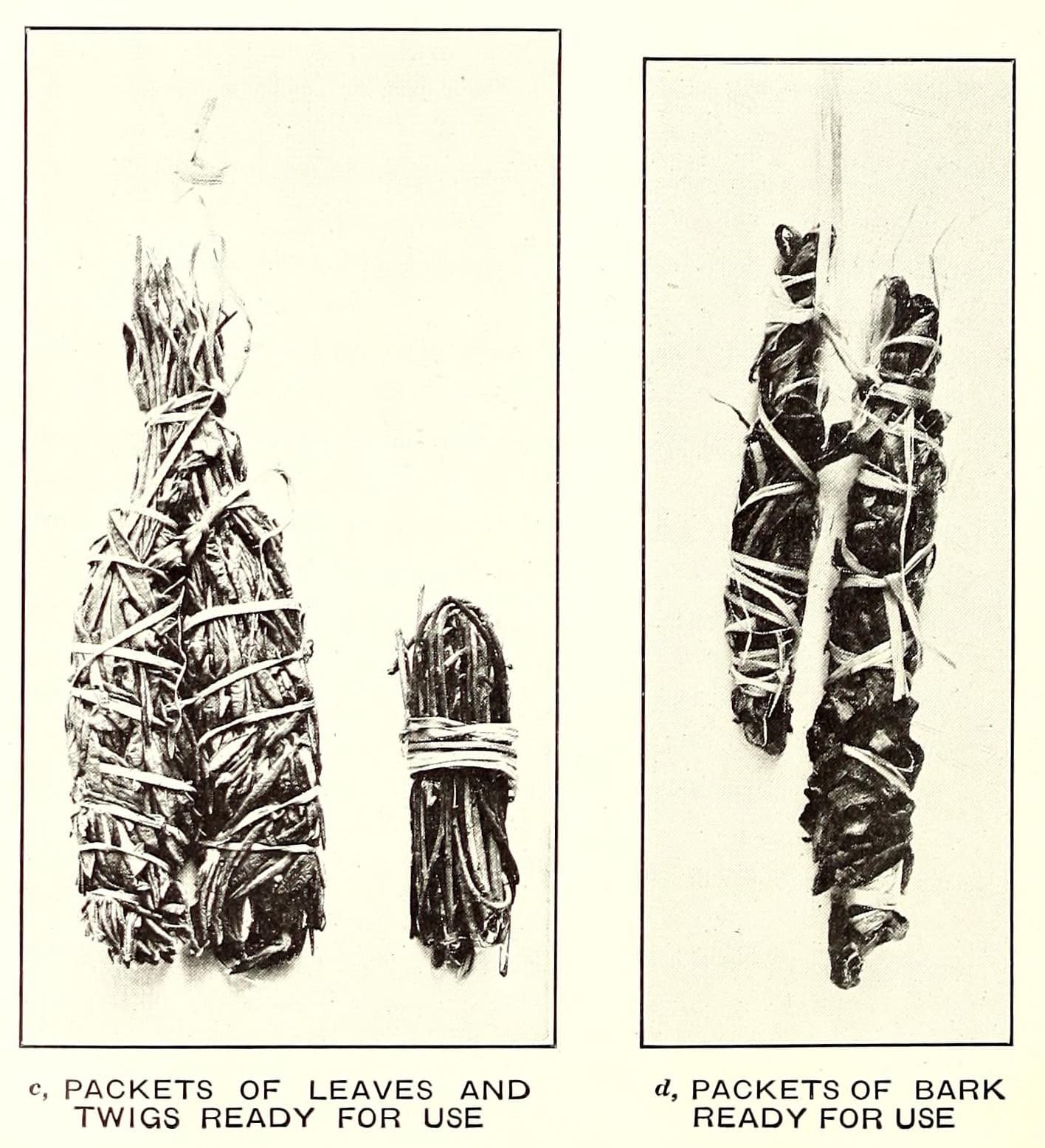
Chippewa Medicinal Roots and Barks: Gathered by the Sap, Dried, Tied in Packets and Kept in Bags (Densmore, 1928)
láti ọwọ́ Bob
Ẹ̀kọ́ Ewéko
7
0
0
0
0
0
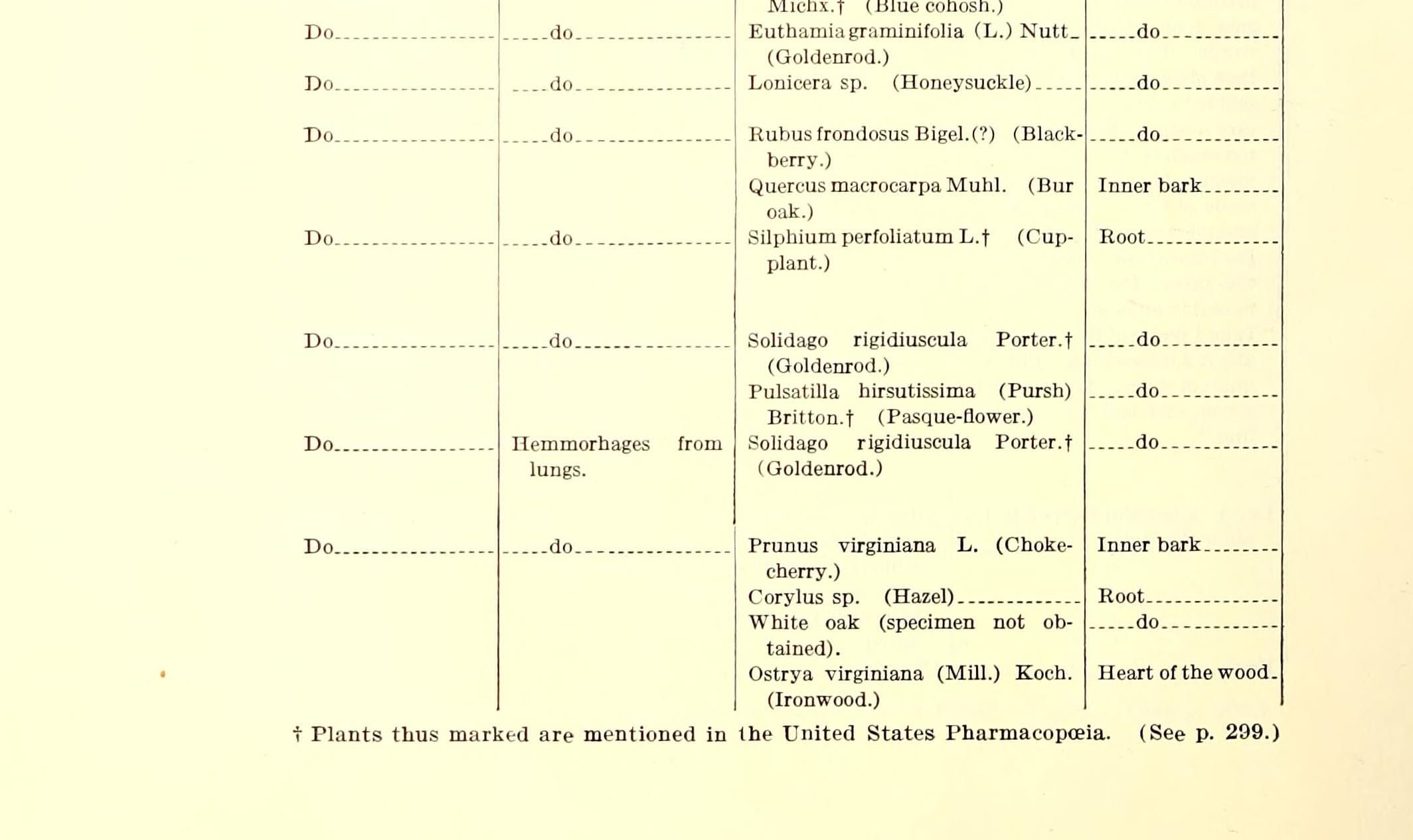
Chippewa Remedies for Chest Pain and Lung Trouble: Goldenrod Root, Blackberry with Bur Oak, Cup Plant, and Four Woods Steeped Together (Densmore, 1928)
láti ọwọ́ Bob
Ìṣègùn
9
0
0
0
0
0
CC0 Àgbègbè Gbogbogbò
Blueprint yìí ti jáde lábẹ́ CC0. O lè ṣe àdàkọ, yí padà, pín, àti lò láìsí ìyọ̀ǹda.
Ṣàtìlẹ́yìn Olùṣẹ́dá nípa rírà àwọn ọjà nipasẹ̀ Blueprint wọn Ẹ̀san Olùṣẹ́dá tí àwọn Olùtajà gbé kalẹ̀, tàbí ṣẹ̀dá àtúnṣe tuntun ti Blueprint yìí kí o sì fi sínú Blueprint rẹ gẹ́gẹ́ bí ìsopọ̀ láti pín owó-wíwọlé.