IṢẸ́ ỌNÀ
ẸWÀ ÀTI ÌLERA
IṢẸ́ ỌWỌ́
ÀṢÀ ÀTI ÌTÀN
ÌṢERÉ
ÀYÍKÁ
OÚNJẸ ÀTI OHUN MÍMU
REVERSE ENGINEERING
SÁYẸ́ǸSÌ
ERÉ ÌDÁRAYÁ
ÌMỌ̀-Ẹ̀RỌ
ÀWỌN OHUN WÍWỌ̀
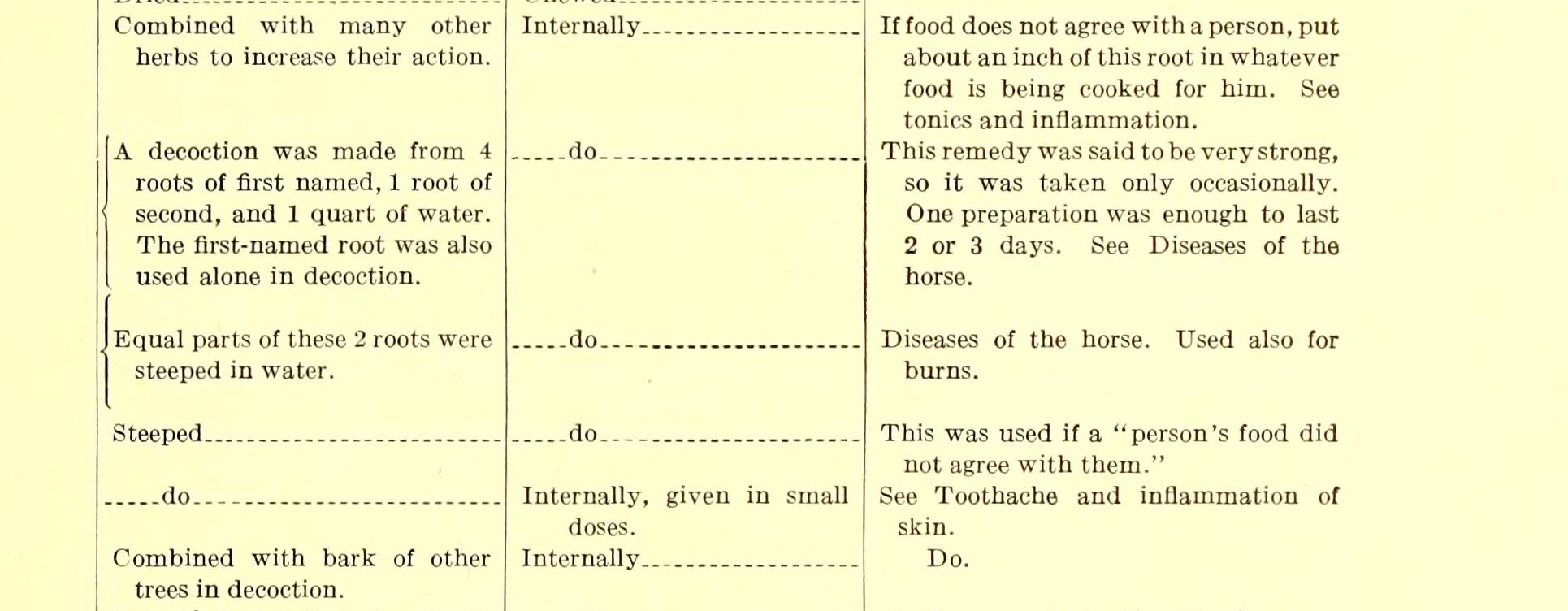

Chippewa Remedies for Indigestion and Stomach Pain: Wild Ginger in the Cooking, Prairie Smoke with Alum Root, Arrowhead, Bluestem, Birch, Horseweed (Densmore, 1928)
Chippewa (Ojibwe) remedies for indigestion and stomach pain from Frances Densmore's medicine table: an inch of wild ginger root cooked into the food of someone whose food disagrees with them; a strong decoction of four prairie smoke roots and one alum root in a quart of water; steeped arrowhead root; and decoctions of bluestem root, birch bark and horseweed. Recorded use, not medical advice.
Olùbẹ̀rẹ̀
An hour
Ìlànà
1
1
Her measures
Her measures
Ń ṣí ìwé Jupyter…
2
2
Read Densmore
Read Densmore
Rows under "Indigestion" and "Pain in stomach". Recorded use, not medical advice.
3
3
Wild ginger in the food
Wild ginger in the food
"If food does not agree with a person, put about an inch of this root in whatever food is being cooked for him." It was also added to other herbs to increase their action.
Àwọn ohun èlò fún ìgbésẹ̀ yìí:
 Wild Ginger Root1 ẹyọ
Àwọn irinṣẹ́ tí a nílò:
 Ọ̀bẹ
 Ìkòkò amọ̀
 Ihò iná
4
4
Prairie smoke with alum root
Prairie smoke with alum root
Boil 4 prairie smoke roots and 1 alum root in 1 quart (0.95 L) of water. It was said to be very strong, so it was taken only occasionally; one preparation lasted 2 or 3 days. Prairie smoke root was also boiled alone.
Àwọn ohun èlò fún ìgbésẹ̀ yìí:
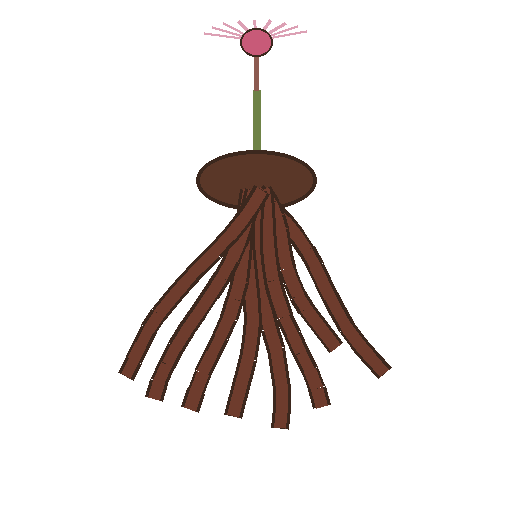 Prairie Smoke Root1 ẹyọ
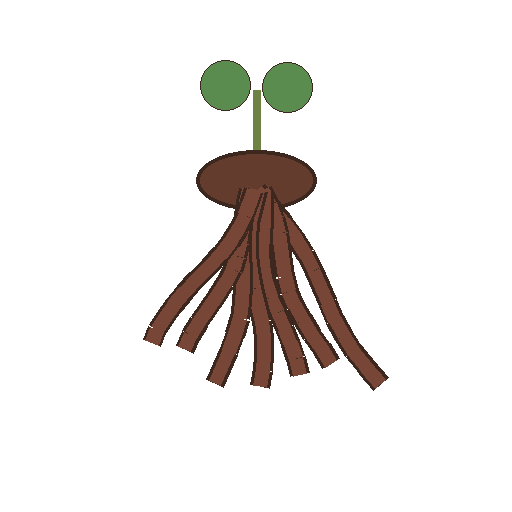 Alum Root1 ẹyọ
 Omi1 ẹyọ
Àwọn irinṣẹ́ tí a nílò:
 Ọ̀pá ìwalẹ̀Ìkòkò amọ̀Ihò iná
 Aṣọ wàrà-dídì
5
5
Arrowhead root
Arrowhead root
Steep the root and drink it, used if a "person's food did not agree with them."
Àwọn ohun èlò fún ìgbésẹ̀ yìí:
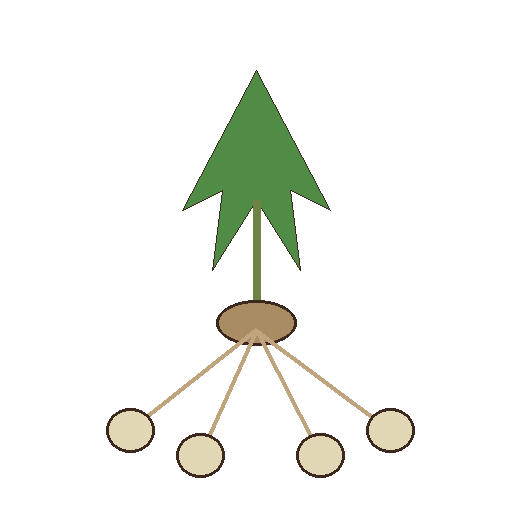 Arrowhead Root1 ẹyọOmi1 ẹyọ
Àwọn irinṣẹ́ tí a nílò:
Ìkòkò amọ̀Ihò iná6
6
For pain in the stomach
For pain in the stomach
Boil 1 bluestem root in 1 quart of water; or make a decoction of birch bark (Betula nigra); or boil 2 horseweed roots and some leaves in 1 quart of water.
Àwọn ohun èlò fún ìgbésẹ̀ yìí:
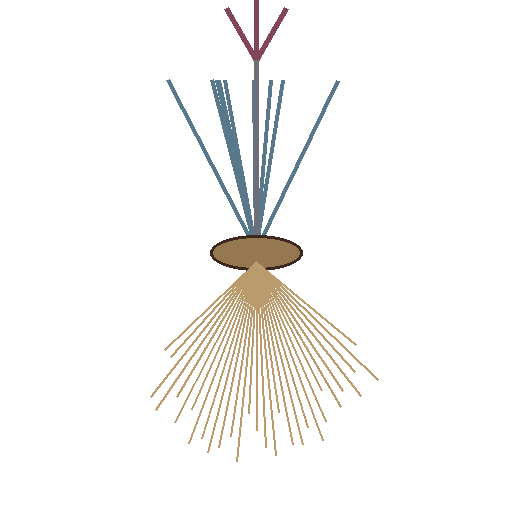 Bluestem Grass Root1 ẹyọ
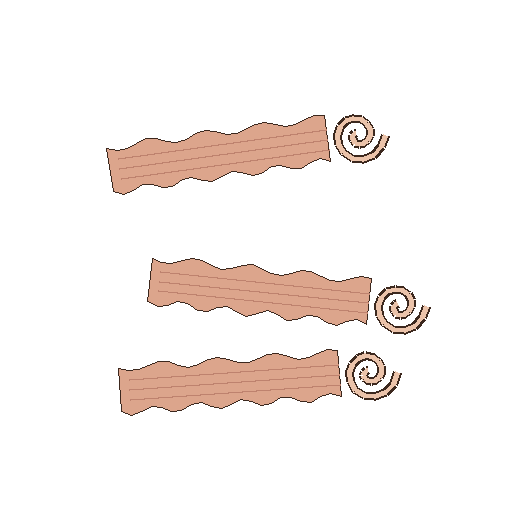 River Birch Bark1 ẹyọ
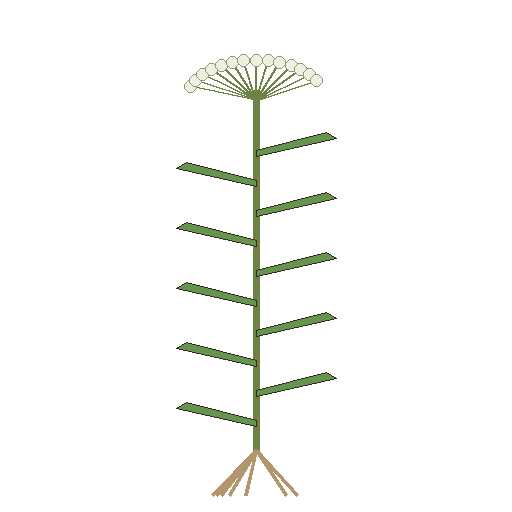 Horseweed1 ẹyọOmi1 ẹyọ
Àwọn irinṣẹ́ tí a nílò:
Ọ̀bẹÌkòkò amọ̀Ihò ináAṣọ wàrà-dídì7
7
Troubleshooting
Troubleshooting
Digestive remedy troubleshooting.
Flow
Loading...
8
8
History and honest limits
History and honest limits
From Frances Densmore, *Uses of Plants by the Chippewa Indians*, **44th Annual Report of the Bureau of American Ethnology** (1928), pp. 342-343 (checked on the archive.org scan usesofplantsbych00dens). Chippewa remedies were mostly Midewiwin knowledge, shared so a record would survive. Left out: blue cohosh, lady's slipper and two remedies used only with unnamed other plants. Metric and safety lines are ours. Recorded use, not medical advice.
Àwọn ohun-èlò
8- 1 ẹyọÀyè
- 1 ẹyọÀyè
- 1 ẹyọÀyè
- 3 ẹyọÀyè
- 1 ẹyọÀyè
- 1 ẹyọÀyè
- 1 ẹyọÀyè
- 1 ẹyọÀyè
Ìtọ́nisọ́nà yìí ń ṣe
Blueprint tó jọra
Àwọn blueprint wọ̀nyí pín ìmọ̀ — ọ̀nà, ohun-èlò tàbí ìlànà
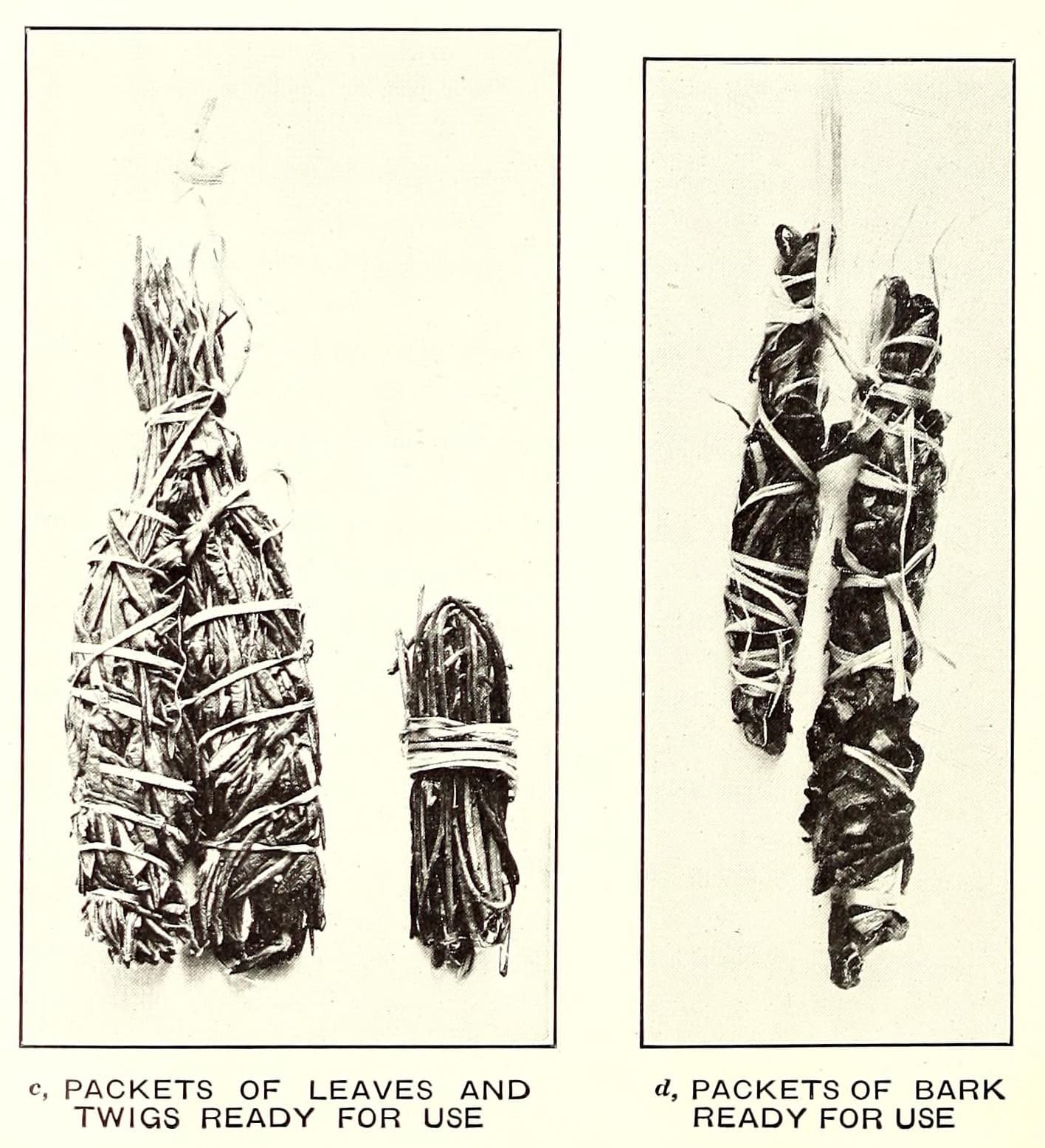
Chippewa Medicinal Roots and Barks: Gathered by the Sap, Dried, Tied in Packets and Kept in Bags (Densmore, 1928)
láti ọwọ́ Bob
Ẹ̀kọ́ Ewéko
7
0
0
0
0
0
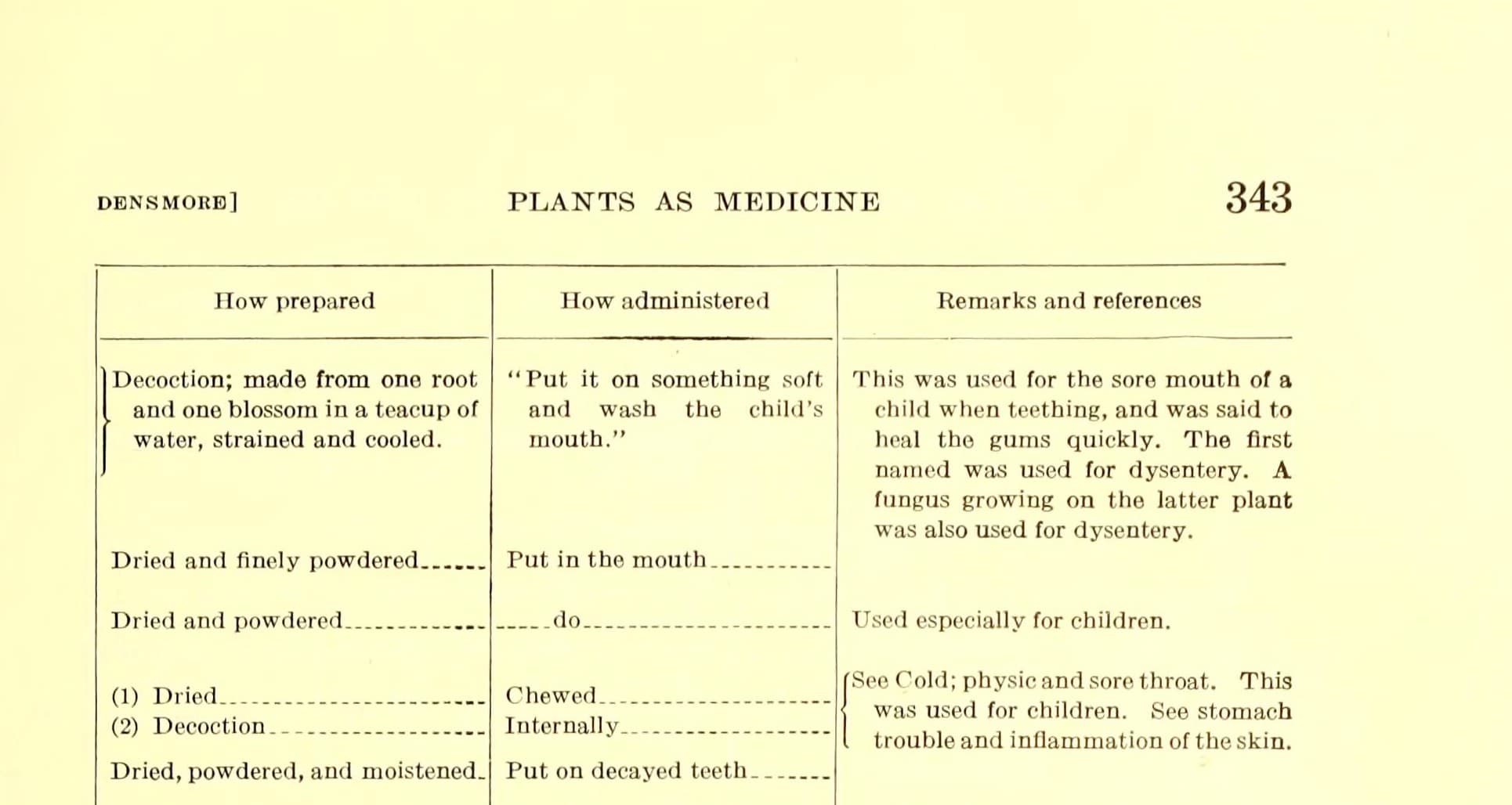
Chippewa Remedies for a Sore Mouth, Teething Gums and Toothache: Alum Root and Sumac Wash, Waterlily, Geranium, Calamus, Lady's Slipper (Densmore, 1928)
láti ọwọ́ Bob
Ìṣègùn
4
0
0
0
0
0
CC0 Àgbègbè Gbogbogbò
Blueprint yìí ti jáde lábẹ́ CC0. O lè ṣe àdàkọ, yí padà, pín, àti lò láìsí ìyọ̀ǹda.
Ṣàtìlẹ́yìn Olùṣẹ́dá nípa rírà àwọn ọjà nipasẹ̀ Blueprint wọn Ẹ̀san Olùṣẹ́dá tí àwọn Olùtajà gbé kalẹ̀, tàbí ṣẹ̀dá àtúnṣe tuntun ti Blueprint yìí kí o sì fi sínú Blueprint rẹ gẹ́gẹ́ bí ìsopọ̀ láti pín owó-wíwọlé.