IṢẸ́ ỌNÀ
ẸWÀ ÀTI ÌLERA
IṢẸ́ ỌWỌ́
ÀṢÀ ÀTI ÌTÀN
ÌṢERÉ
ÀYÍKÁ
OÚNJẸ ÀTI OHUN MÍMU
REVERSE ENGINEERING
SÁYẸ́ǸSÌ
ERÉ ÌDÁRAYÁ
ÌMỌ̀-Ẹ̀RỌ
ÀWỌN OHUN WÍWỌ̀
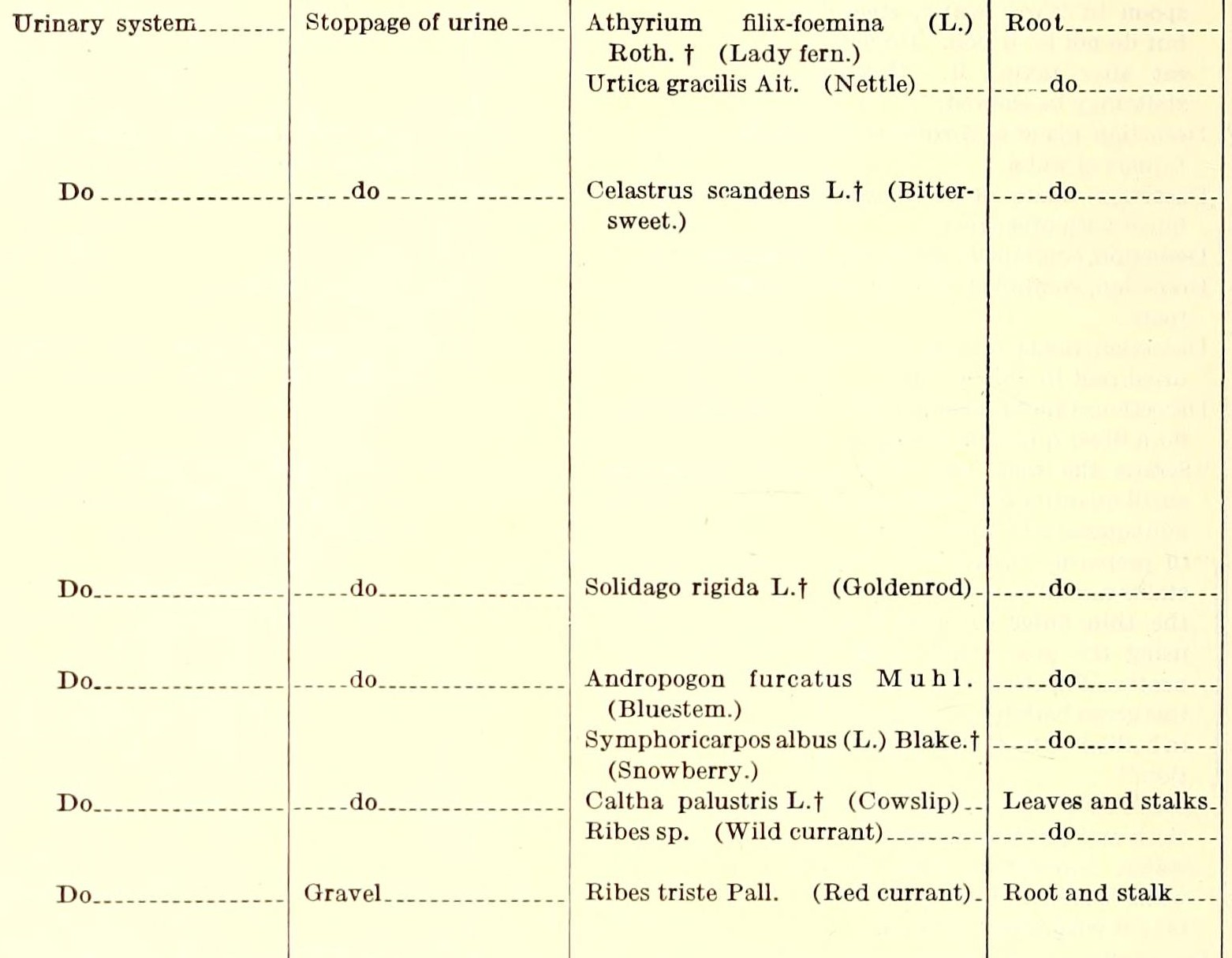

Chippewa Remedies for Kidney Trouble, Stoppage of Urine and Gravel: Bear Root, Hop Hornbeam, the Winabojo Lady Fern and Nettle, Goldenrod, Red Currant (Densmore, 1928)
Chippewa (Ojibwe) urinary remedies recorded by Frances Densmore: carrion-flower or "Bear root," an old Mide remedy carried in a bear-paw bag; the heart of hop hornbeam branches; lady fern root boiled quickly with four nettle-root lobes, a "Winabojo remedy"; goldenrod root by the swallow; bluestem root; and red currant boiled a long while for gravel. Recorded use, not medical advice.
Olùbẹ̀rẹ̀
An hour
Ìlànà
1
1
Her measures
Her measures
Ń ṣí ìwé Jupyter…
2
2
Read Densmore
Read Densmore
Rows under "Kidney trouble", "Stoppage of urine" and "Gravel". Recorded use, not medical advice.
3
3
Bear root and hop hornbeam
Bear root and hop hornbeam
Boil carrion-flower root and drink it; it was also used for pain in the back. "It is an old Mide remedy and the root was always carried in a bag made of bear paws," used only by men of a high Midewiwin degree. Or cut the wood at the "heart of the branches" of hop hornbeam in small bits and boil it.
Àwọn ohun èlò fún ìgbésẹ̀ yìí:
 Carrion-Flower Root1 ẹyọ
 Ironwood Heartwood1 ẹyọ
 Omi1 ẹyọ
Àwọn irinṣẹ́ tí a nílò:
 Ọ̀pá ìwalẹ̀
 Àáké kékeré
 Ọ̀bẹ
 Ìkòkò amọ̀
 Ihò iná
 Aṣọ wàrà-dídì
4
4
Lady fern with nettle: a Winabojo remedy
Lady fern with nettle: a Winabojo remedy
"Cut the first-named root into bits and take a small handful. The root of the second named has lobes on it. Take 4 of these lobes with the first-named root and boil them up quickly. Use as soon as cool enough to drink." Nettle root was also boiled alone.
Àwọn ohun èlò fún ìgbésẹ̀ yìí:
 Lady Fern Root1 ẹyọ
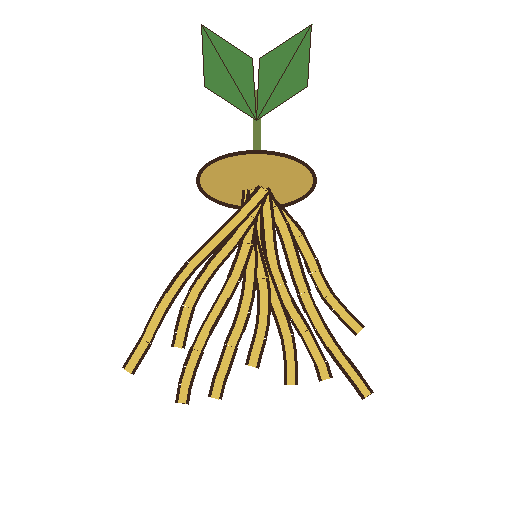 Nettle Root1 ẹyọOmi1 ẹyọ
Àwọn irinṣẹ́ tí a nílò:
Ọ̀pá ìwalẹ̀Ọ̀bẹÌkòkò amọ̀Ihò iná5
5
Goldenrod and bluestem
Goldenrod and bluestem
Steep 1 goldenrod root (Solidago rigida) in 1/2 pint (0.24 L) of water; the dose was "a swallow occasionally." Bluestem root was also boiled and drunk.
Àwọn ohun èlò fún ìgbésẹ̀ yìí:
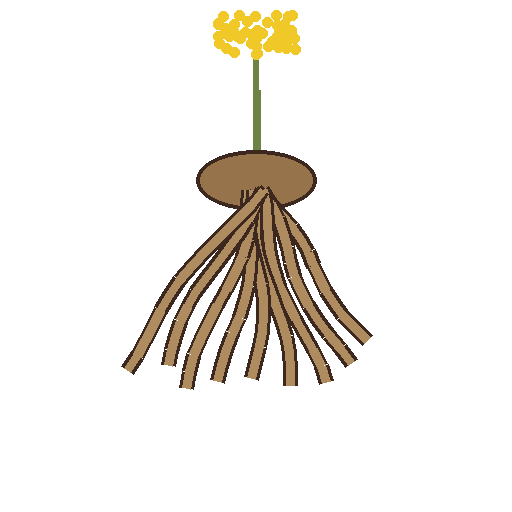 Goldenrod Root1 ẹyọ
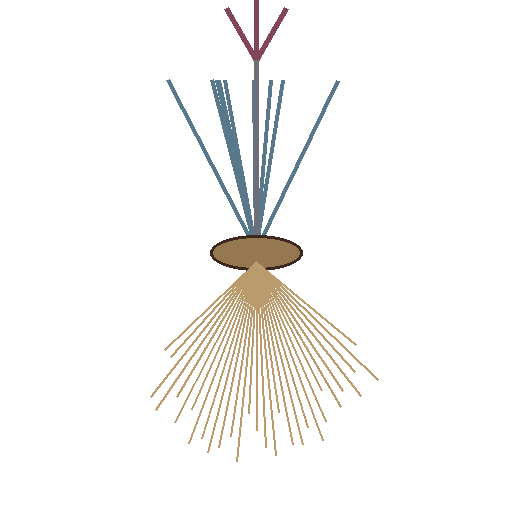 Bluestem Grass Root1 ẹyọOmi1 ẹyọ
Àwọn irinṣẹ́ tí a nílò:
Ọ̀pá ìwalẹ̀Ìkòkò amọ̀Ihò ináAṣọ wàrà-dídì6
6
Red currant for gravel
Red currant for gravel
Boil 4 red currant plants, root and stalk, in 1 quart (0.95 L) of water. "Boiled quite a while."
Àwọn ohun èlò fún ìgbésẹ̀ yìí:
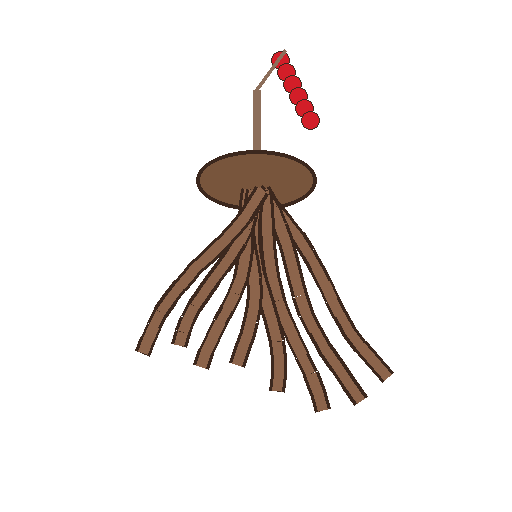 Red Currant Root and Stalk1 ẹyọOmi1 ẹyọ
Àwọn irinṣẹ́ tí a nílò:
Ọ̀pá ìwalẹ̀Ọ̀bẹÌkòkò amọ̀Ihò ináAṣọ wàrà-dídì7
7
Troubleshooting
Troubleshooting
Urinary safety.
Flow
Loading...
8
8
History and honest limits
History and honest limits
From Frances Densmore, *Uses of Plants by the Chippewa Indians*, **44th Annual Report of the Bureau of American Ethnology** (1928), pp. 346-349 (checked on the archive.org scan usesofplantsbych00dens). Chippewa remedies were mostly Midewiwin knowledge, shared so a record would survive. Left out: a bittersweet remedy, "Winabojo's intestines," named for the legend that Winabojo threw his frozen intestines over a tree "for the good of my future relatives" (poisonous plant); and remedies with snowberry and cowslip (poisonous plants). Metric and safety lines are ours. Recorded use, not medical advice.
Àwọn ohun-èlò
8- 1 ẹyọÀyè
- 1 ẹyọÀyè
- 4 ẹyọÀyè
- 1 ẹyọÀyè
- 1 ẹyọÀyè
- 1 ẹyọÀyè
- 1 ẹyọÀyè
- Àyè
Ìtọ́nisọ́nà yìí ń ṣe
Blueprint tó jọra
Àwọn blueprint wọ̀nyí pín ìmọ̀ — ọ̀nà, ohun-èlò tàbí ìlànà
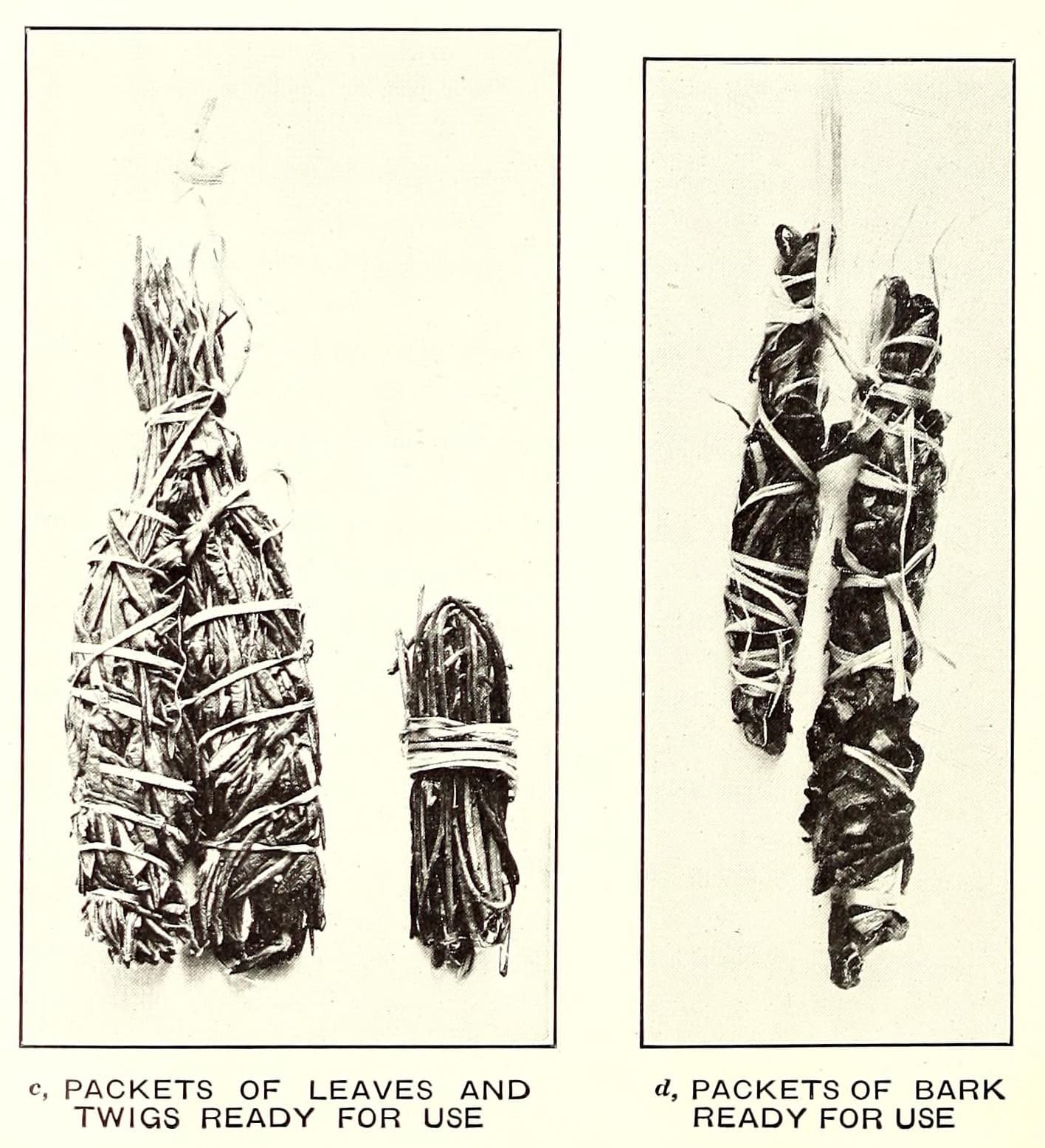
Chippewa Medicinal Roots and Barks: Gathered by the Sap, Dried, Tied in Packets and Kept in Bags (Densmore, 1928)
láti ọwọ́ Bob
Ẹ̀kọ́ Ewéko
7
0
0
0
0
0
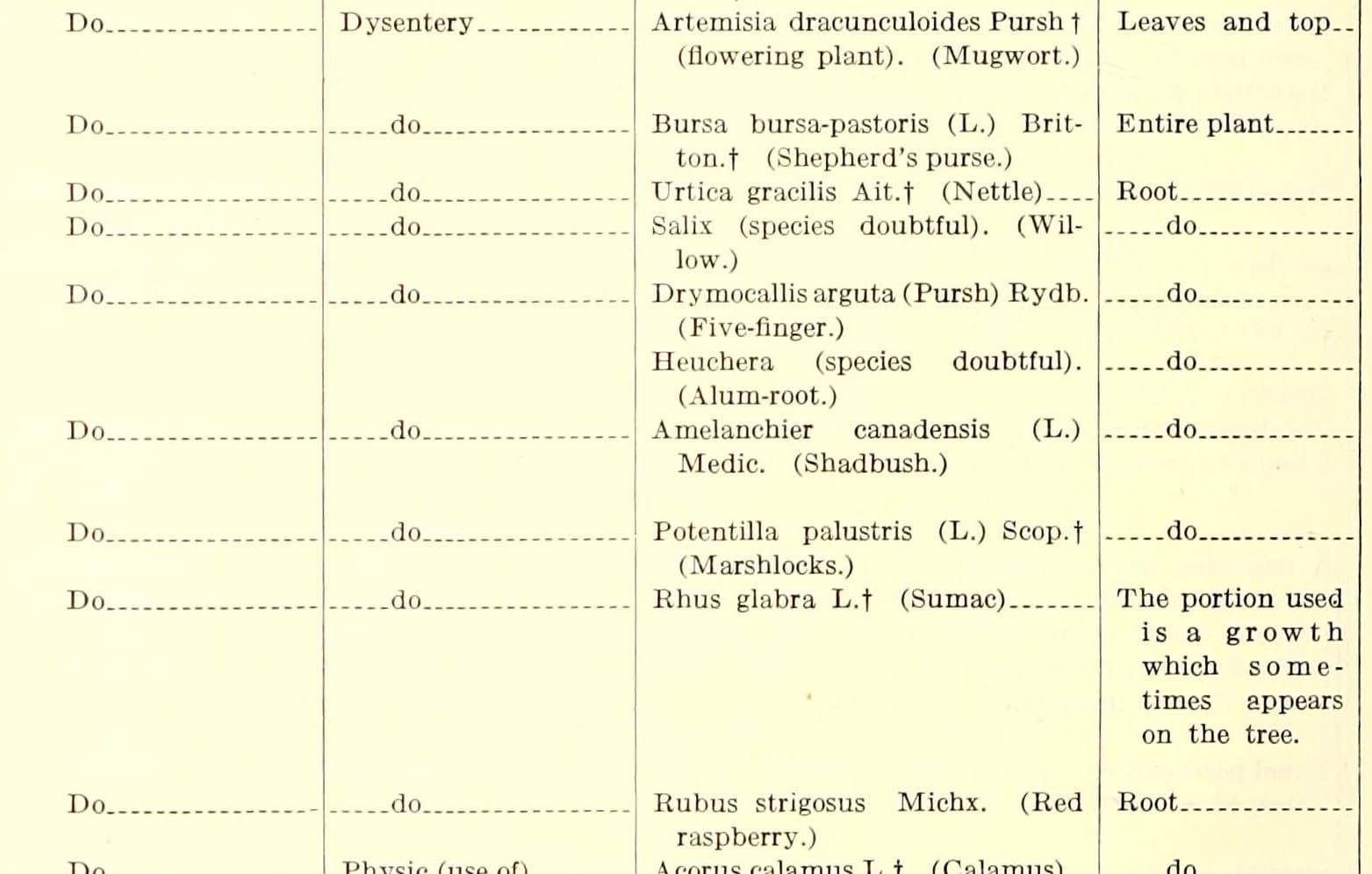
Chippewa Remedies for Dysentery: Mugwort, Shepherd's Purse, Nettle, Five-Finger, Marshlocks, Sumac Gall, and Cherry and Strawberry Root for Infants (Densmore, 1928)
láti ọwọ́ Bob
Ìṣègùn
11
0
0
0
0
0
CC0 Àgbègbè Gbogbogbò
Blueprint yìí ti jáde lábẹ́ CC0. O lè ṣe àdàkọ, yí padà, pín, àti lò láìsí ìyọ̀ǹda.
Ṣàtìlẹ́yìn Olùṣẹ́dá nípa rírà àwọn ọjà nipasẹ̀ Blueprint wọn Ẹ̀san Olùṣẹ́dá tí àwọn Olùtajà gbé kalẹ̀, tàbí ṣẹ̀dá àtúnṣe tuntun ti Blueprint yìí kí o sì fi sínú Blueprint rẹ gẹ́gẹ́ bí ìsopọ̀ láti pín owó-wíwọlé.